What’s the difference between open plot and shadowy demonology? A new exhibition wonders if it was all in your head
A little while ago I got talking to a man who was lost on the way to a client meeting near my local station. I was going the same way, so I offered to walk with him. As we walked, we complained about the grey summer. He told me that it was because they were clouding over the sun. I forgot my own informal rules for a moment and, without thinking, asked who They were. ‘Vitamin companies’, he said. ‘And you know who else?’ I braced myself. ‘Undertakers.’
I was surprised enough to ask more questions. I asked why undertakers would be trying to kill anyone. People would still die, even if they hadn’t been teaming up with vitamin companies to cover up the sun. Not in these numbers, he said. As we parted, he reminded me that all the vitamin D anyone could need was in almonds.
I think fondly of him from time to time, whenever I eat an almond or take a vitamin, and think about how sad it is that the arc of history has bent towards the expulsion of the harmless kook. These days, if someone wants to tell you that they think gravity was switched on by Emperor Justinian, and that before him colossal stone blocks could be thrown around as easily as polystyrene, they’re usually only a moment or two from saying something alarming.
A crude analysis might blame the internet, or more specifically the illusion of an entirely personalised internet created by algorithms and infinite scroll, all beamed into your pocket. Another may blame the tension of politics and media – systems devoted to surveillance, domination and extraction – and the near-total collapse of trust in institutions among the governed.
Institute
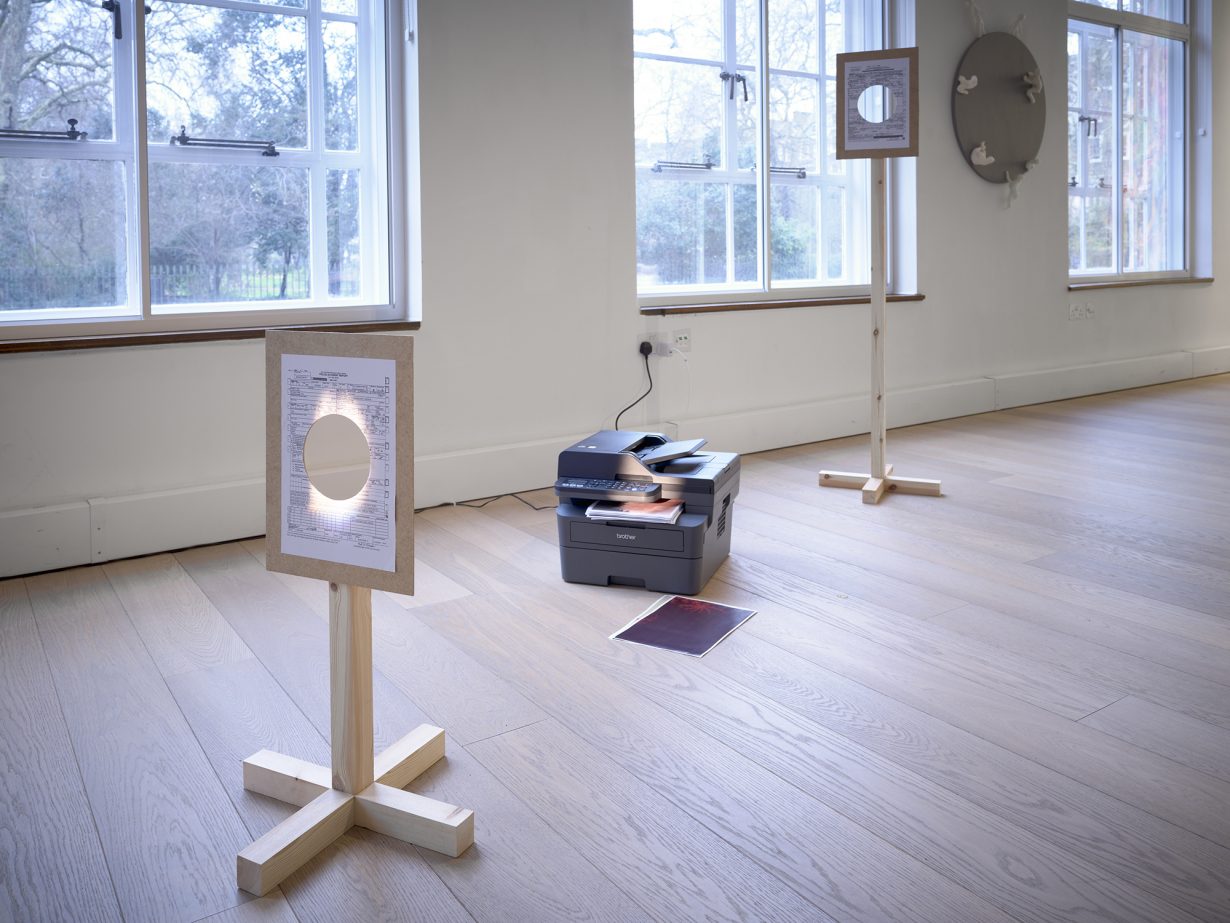
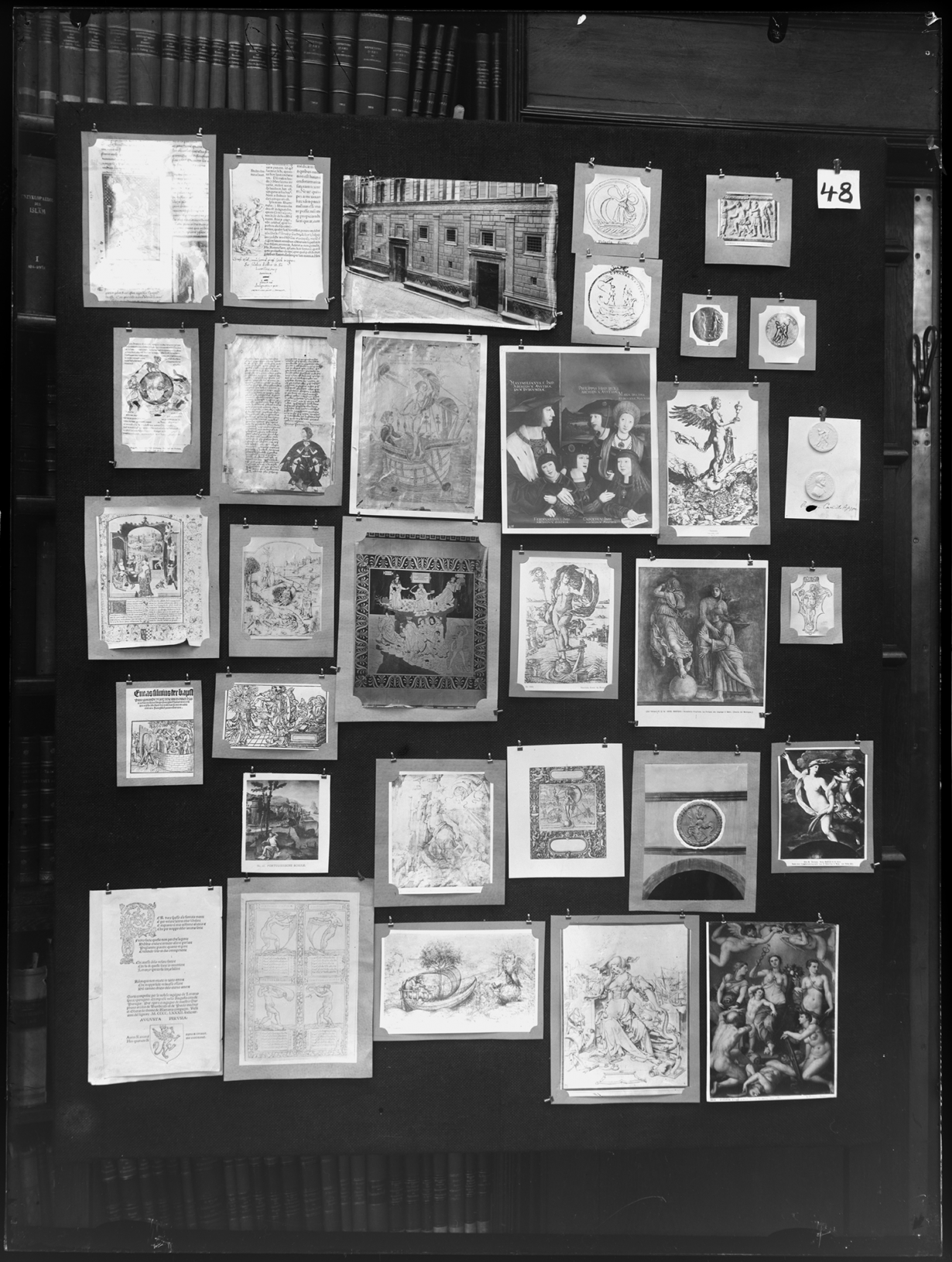
Conspiracies, a new exhibition at the Warburg Institute in London, showing work by the contemporary artists Hannah Black, Caspar Heinemann, Sam Keogh and Shenece Oretha, with an additional installation by the ceramicist Edmund de Waal, alongside panels from Aby Warburg’s Bilderatlas Mnemosyne, is billed as tracing the contradictions in the history of conspiracy as responses to power and as a contaminating force in the present.
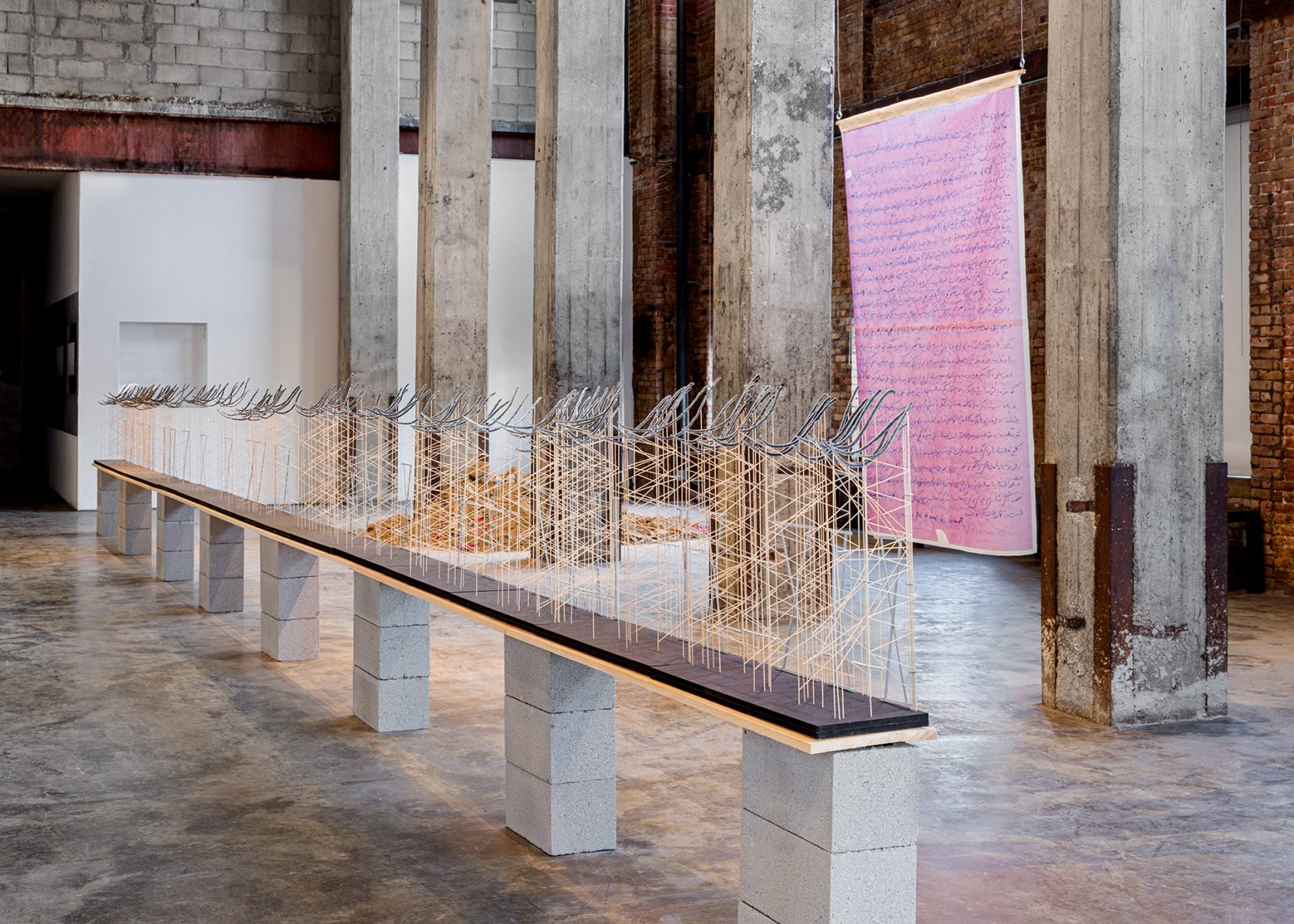
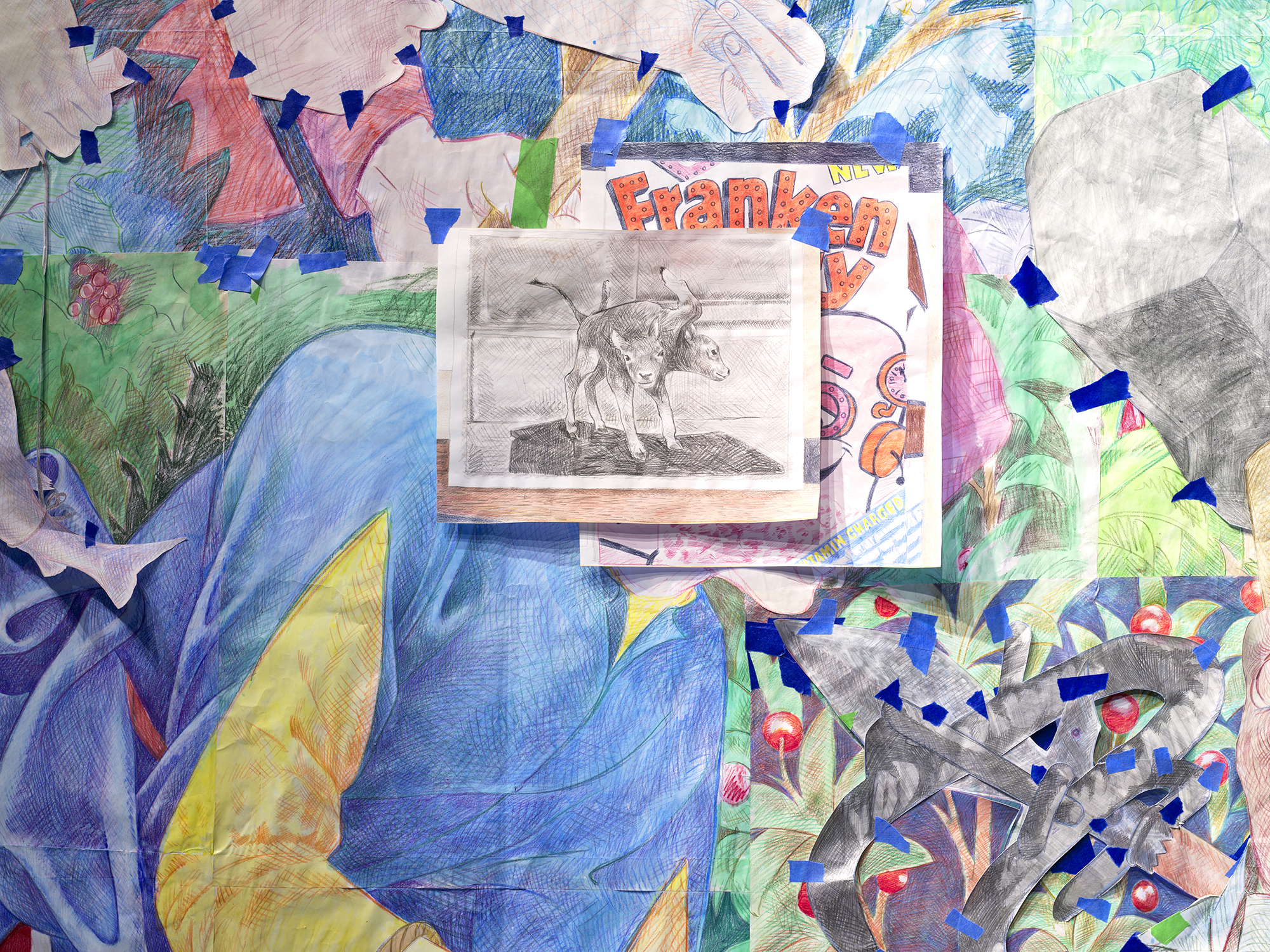
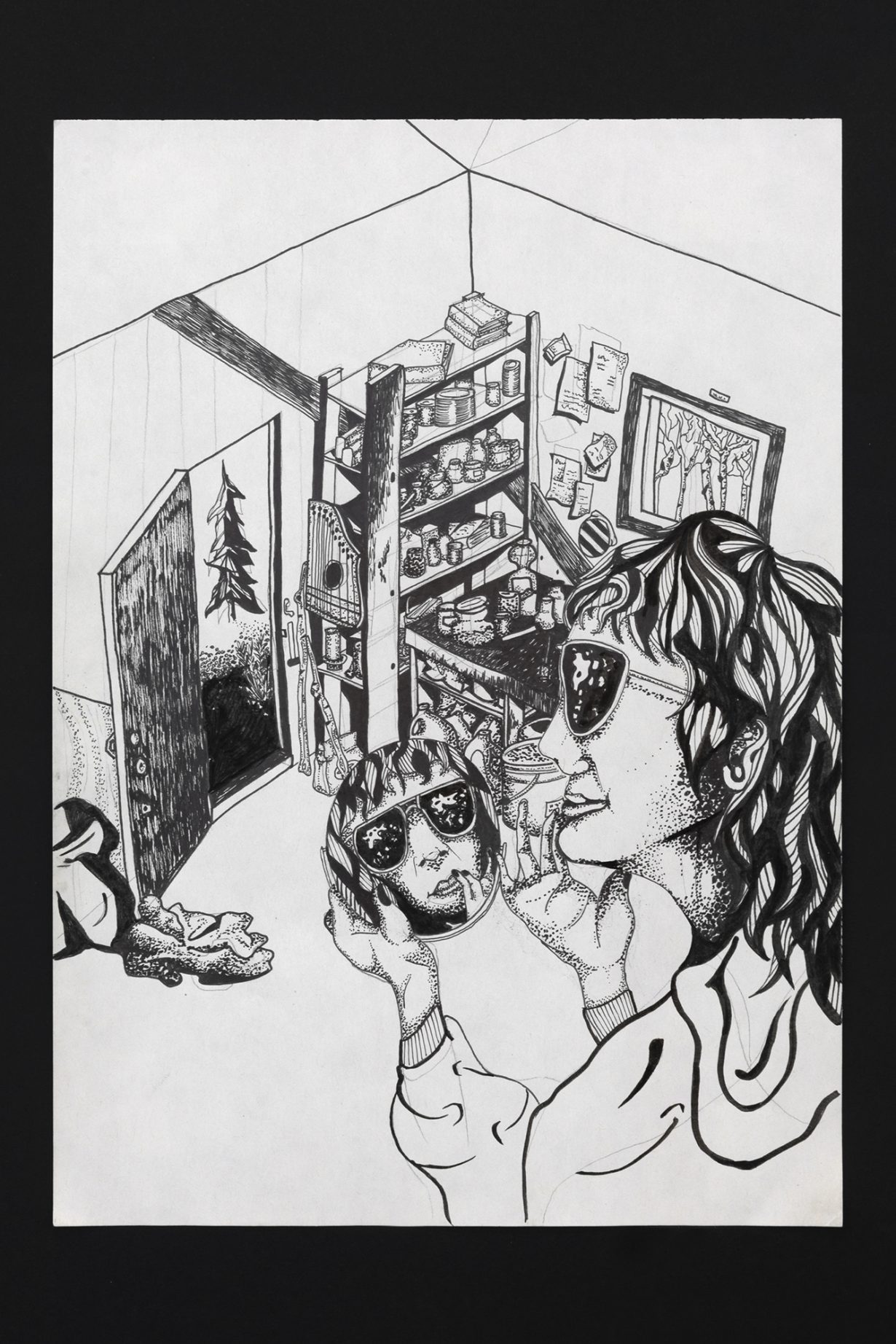
The exhibition literature tells us that the word conspiracy itself is from the Latin conspirare, meaning ‘to breathe together’. (In terms of etymological literalism, this is true, and no doubt offers fertile interpretative ground, but it is not quite correct in implication: the verb was used to mean ‘to plot’ or ‘to conspire’ certainly as early as Tacitus, if not before; the semantic shift is neither recent nor especially notable.) If ‘breathing together’ is the aim, then there certainly is a meditative quality, if not a totally draughtsmanlike one, to the pieces in Conspiracies, particularly Black’s hypnotic Wheel of Fortune (2021), in which a slowly rotating metal turntable is set among a mishmash of other cultural artefacts, intended to give a sense of stochastic chaos in an endlessly turning world. Heinemann’s multimedia works imagine the parallel possible life of the Unabomber, depicting Ted Kaczynski, living as the trans Theodora in her cabin (a replica of which is held by the artist Richard Barnes), presumably not a bomb in sight. Heinemann’s self-described trashy aesthetic is not really on show here, the pen-and-ink pieces more stylistically reminiscent of Aubrey Beardsley than anything remotely landfill-sleaze. The decision to focus more nebulously on character is a curious one, given Kaczynski’s own hostility to technology and his mysterious experiences as a subject of MKULTRA might be a more obvious response to the exhibition’s theme. As it stands, both works seem to approach the idea of conspiracy only obliquely: Black through the suggestion of impersonal systems and chance, Heinemann through speculative biography, yet neither end up quite addressing the structures of secrecy or collusion implied by the show’s general framing.
Institute, London
Indeed, the thematic preoccupations here are mainly introspective and particular to the responding artist, and the personified internet is absent from the stage. This is a reasonable curatorial decision, since the semantic and material collapse from conspiracy as a collective concept to an individualised and isolated one is central, but it is nonetheless one that could have borne some explanation. So Warburg’s visual atlas, mapping modes of divination, makes for a curious centrepiece. Its catalogue format evokes pattern recognition, connections and surprising juxtapositions, a collagelike way of seeing the world. Not too long ago, this was a mode that needed to be actively sought out; now, instantiated by algorithmic harrying, the searcher need do nothing but sit and be shown. The wistful idea of ‘breathing together’ is itself a mirage, as is the possibility of ever making sense of the disorder, both of the world and of oneself.
The distinction between conspiracy theory and formal conspiracy, however, between open plot and shadowy demonology, and how we might map public villainy onto the private sphere, is largely absent here. The exhibition takes, then, a particularly individualist focus on something that is more structurally enmeshed. The horrors of both present and past centuries were so rarely secret, and the insistence on connections and glimmers of things lurking beneath the surface represents a kind of mordant hope: that there must be monsters, rituals and dark purposes. Ordinary humans surely cannot be as bad as they are.
This exhibition touches lightly on these questions, most movingly in de Waal’s empty bookshelves, which he notes once contained 2,000 books by writers in exile. (This installation is a permanent part of the exhibition space, and not specifically for Conspiracies, but it does neatly interact with the broader questions of power and isolation.) It could be the case that the zone really is flooded. One view holds that there are simply too many ideas and too many contradictions; the succinct is impossible, and the personal in art is all there is; no one has ever truly breathed together. But conspiracies tend to reveal the vulnerability and fragility of ‘objectivity’ in narrative truth, and perhaps this is where artmaking comes in.
Conspiracies is on view at the Warburg Institute, London through 1 May
Read next How Aby Warburg Changed the Way We See