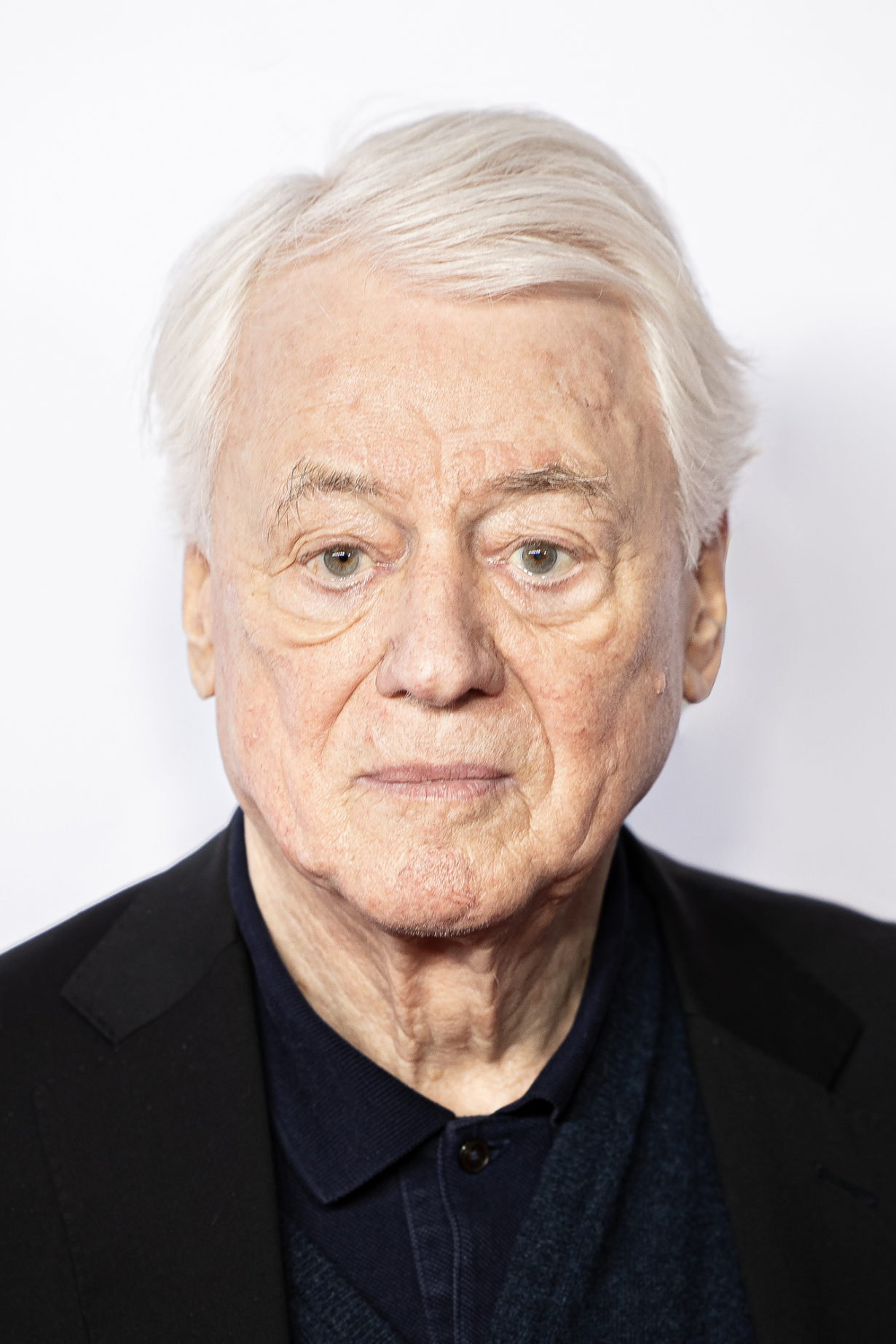
Statements made by members of the 2026 Berlinale’s jury at the event’s opening press conference last week have sparked controversy.
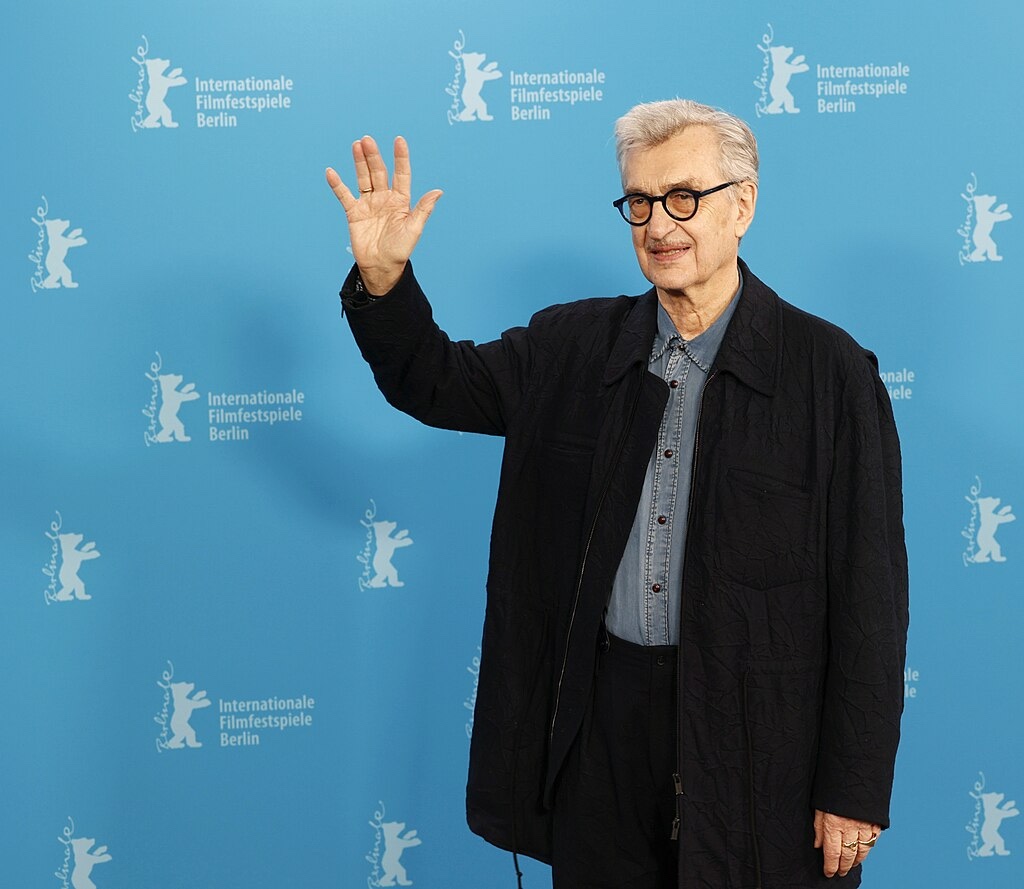
After being asked about the role of movies in the current political climate, jury president Wim Wenders said that filmmakers “have to stay out of politics because if we make movies that are dedicatedly political, we enter the field of politics. But we are the counterweight of politics, we are the opposite of politics. We have to do the work of people, not the work of politicians.”
Ewa Puszczyńska, also a member of the jury and producer of films including Jonathan Glazer’s 2023 The Zone of Interest, was asked about the German government’s support for Israel. Puszczyńska called the question “complicated” and “unfair”. “Of course, we are trying to talk to people – every single viewer – to make them think, but we cannot be responsible for what their decision would be to support Israel or the decision to support Palestine,” she said to the Berlinale press conference.
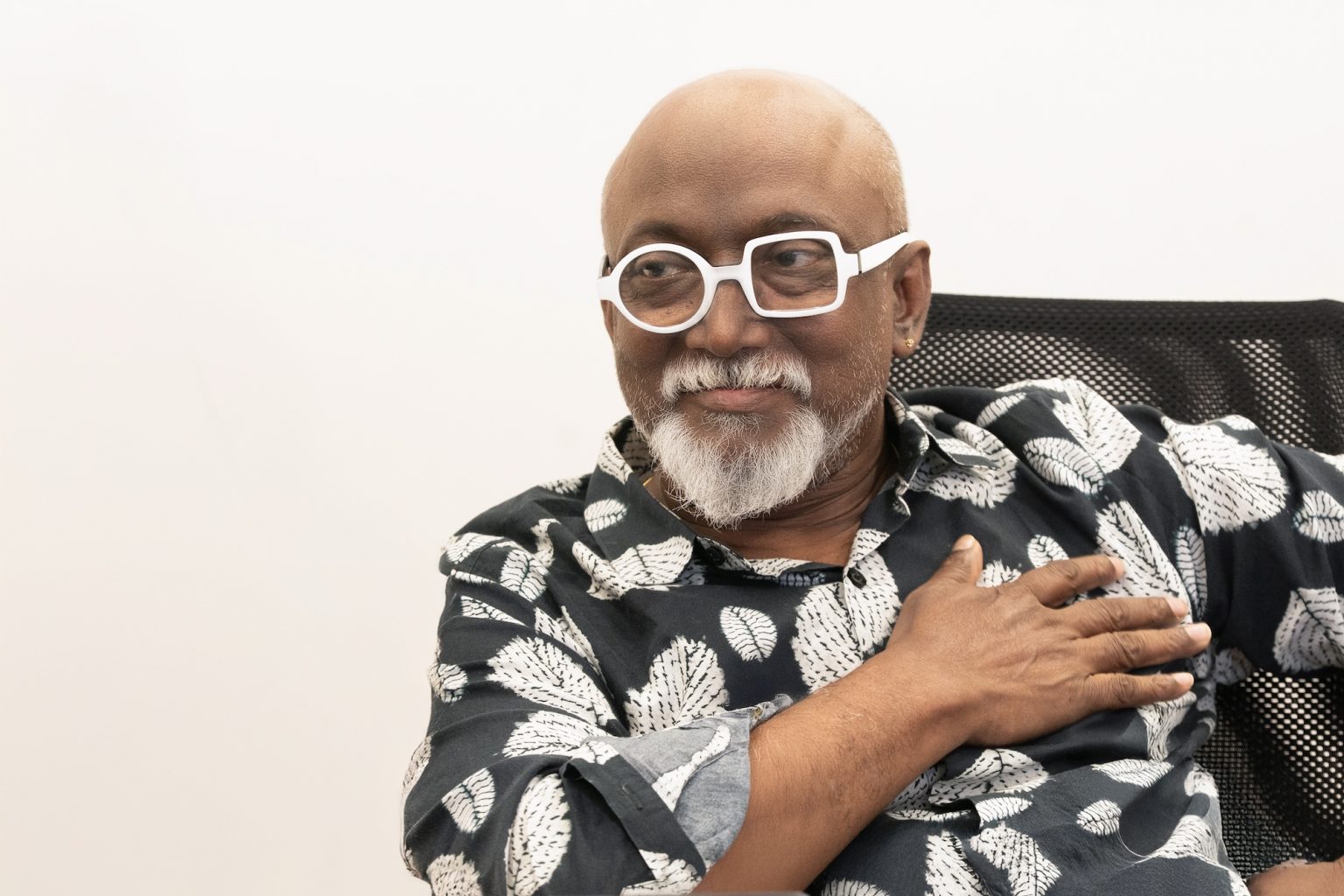
In response to this, the author Arundhati Roy, who was scheduled to present a newly restored version the 1989 film In Which Annie Gives It Those Ones, in which she features, withdrew her attendance. In a statement reported via The Guardian, Roy called the comments ‘jaw-dropping’. ‘It is a way of shutting down a conversation about a crime against humanity even as it unfolds before us in real time’, she wrote.
On Saturday, the Berlinale released a statement by its director Tricia Tuttle. ‘Increasingly, filmmakers are expected to answer any question put to them,’ she wrote. ‘They are criticised if they cannot compress complex thoughts into a brief sound bite when a microphone is placed in front of them when they thought they were speaking about something else.’
‘We do not believe there is a filmmaker screening in this festival who is indifferent to what is happening in this world,’ she added. ‘Artists are free to exercise their right of free speech in whatever way they choose. Artists should not be expected to comment on all broader debates about a festival’s previous or current practices over which they have no control. Nor should they be expected to speak on every political issue raised to them unless they want to.’
Read next Against the ‘Aesthetic Turn’ in Cinema