“Artists working in Britain take ourselves and what we do quite seriously which is miraculous given that our governments and the press have always found visual art challenging”
ArtReview sent a questionnaire to artists and curators exhibiting in and curating the various national pavilions of the 2026 Venice Biennale, the responses to which will be published daily in the leadup to and during the Venice Biennale, which runs from 9 May through 22 November.
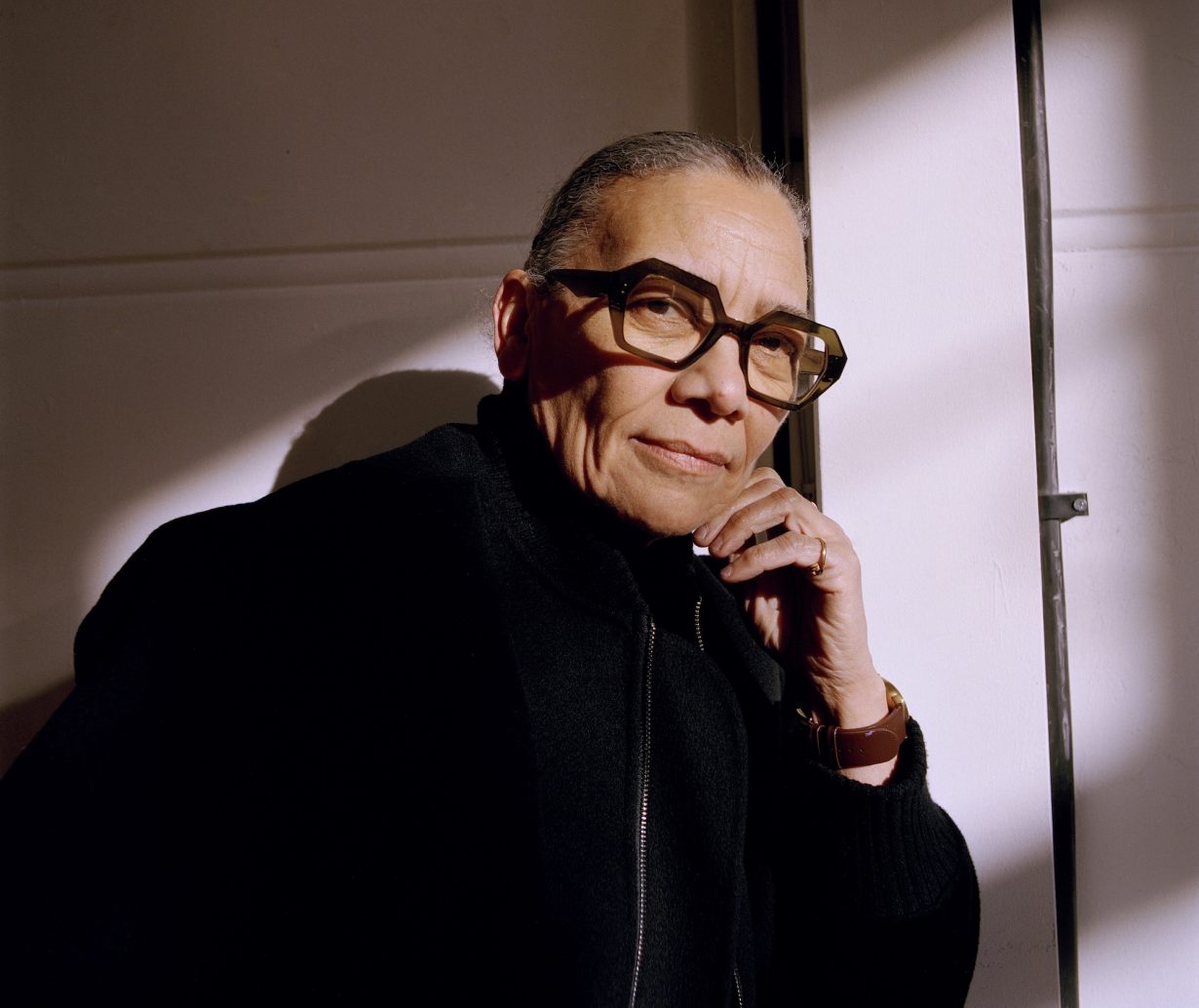
Lubaina Himid is representing Great Britain; the pavilion is in the Giardini.
ArtReview Tell ArtReview what you plan to exhibit in Venice. What has influenced or inspired you?
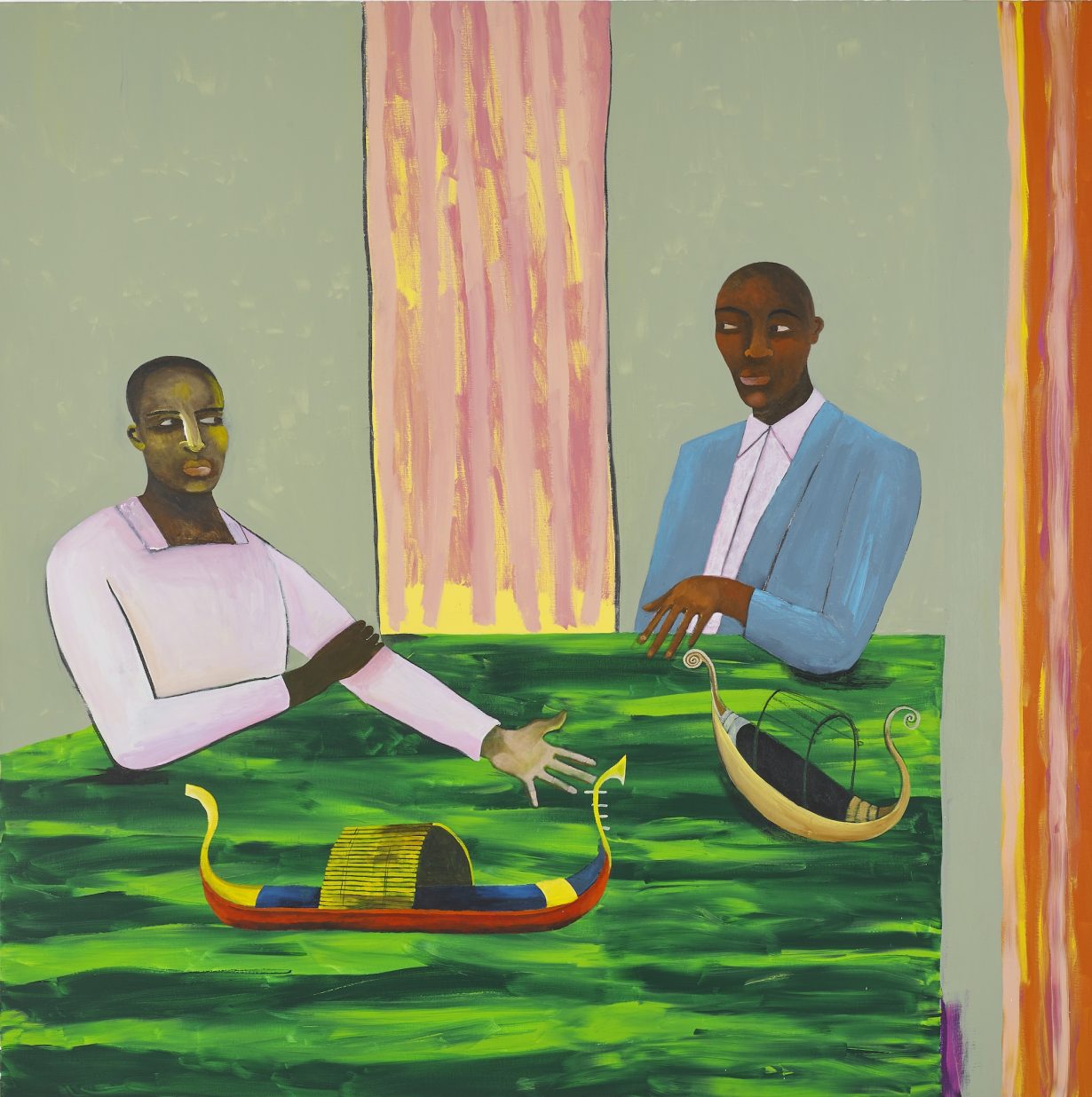
Lubaina Himid I’m exhibiting an installation of large and multipanelled paintings on canvas with works on found objects made during the past year. This work will interact with a sound piece made especially by Magda Stawarska which will resonate throughout the pavilion. The project was inspired by my lifelong quest to understand the meaning of belonging.
AR In what ways (if at all) does your work relate to the theme of the Biennale exhibition, In Minor Keys?
LH My installation attempts to work its way through melancholy, via a path of quiet pleasure and increasing unease, of questioning and answering, both visual and aural, to try to inhabit a place of deep remembering. Visitors will bring their own lives to the space, their personal experiences mingling with the sounds and visuals we have offered in exchange for their time there.
AR Why is the Venice Biennale still important, if at all?
LH The Venice Biennale is still important as a place where it is possible to experience art and meet artists from across the globe and so should be a place where questioning is permitted rather than punished.
AR What role does a national pavilion play at a time of increasing confrontational nationalisms? Is it about expressing difference or commonality?
LH National Pavilions should be and can be places where artists challenge, speak freely and communicate with visitors in a space where dynamic and creative exchange is possible.
AR Who, for you, is the most important artist (in any discipline) that your country has produced?
LH I have lived in Britain for the past seven decades but was born in Zanzibar, Tanzania. The question is therefore complicated but the answer, for me, is perhaps Hogarth, an eighteenth century painter and engraver who championed the accessibility of artworks by making series after series of popular narrative works about Britain and the people who lived here. He loathed people from ‘somewhere else’ but in the process of depicting them in a derogatory way, evidenced their invaluable contribution to the cultural, economic and political landscape of the nation. He epitomises everything that is surprisingly easy and notoriously difficult about this country.
AR What is something you want people to know about your nation that they might not know already?
LH People probably already know that London, the capital, is possibly the most extraordinary city in the world because it is gloriously international. They may not realise that you can gauge the true temperature and heartrate of the nation as a whole when you live or travel to the regions.
AR Given that you are exhibiting in a national pavilion, is there something (a quality or an issue or attitude) that distinguishes the art of that nation from that of others? That makes it particular? Are there specific contexts that it responds to? Or do you think that art is a universal language that goes beyond social, political or geographic boundaries?
LH I think that artists working in Britain take ourselves and what we do quite seriously which is miraculous given that our governments and the press, for hundreds of years, have always found visual art challenging. Artists in Britain continue to be interesting and often dynamically different; we have the ability to be playful, reflective, poetic, political and open to change or challenge because we have had to make it up as we’ve went along, often learning from artists who came from somewhere else.
AR What, other than art, are you looking forward to seeing – or doing – while you are in Venice?
LH I am looking forward to getting lost – again.
AR Could you give us a brief overview of your average working day while creating your presentation in Venice?
LH On an average working day I wake up at 7am, make coffee and fruit for myself and my partner for breakfast while thinking about whatever I had made the previous day. For this project, I spent more or less 5 to 6 hours a day, 5 or 6 days a week for about 10 months in the studio painting continuously. On every one of those painting days I was looking at manuals, practical instruction books and guide books while listening to football commentaries, opera performances and audio books about artists lives.
AR Can art really change the world?
LH People who make art, love art and look at art can change themselves which, eventually – through dialogue, exchange, love and care – does change the world.
The 61st Venice Biennale runs 9 May through 22 November 2026


