A government investigation over several months into China’s state-run Nanjing Museum claims systemic mismanagement and alleged corruption. The new report comes after works donated to the institution in eastern Jiangsu province began to appear at auction last year.
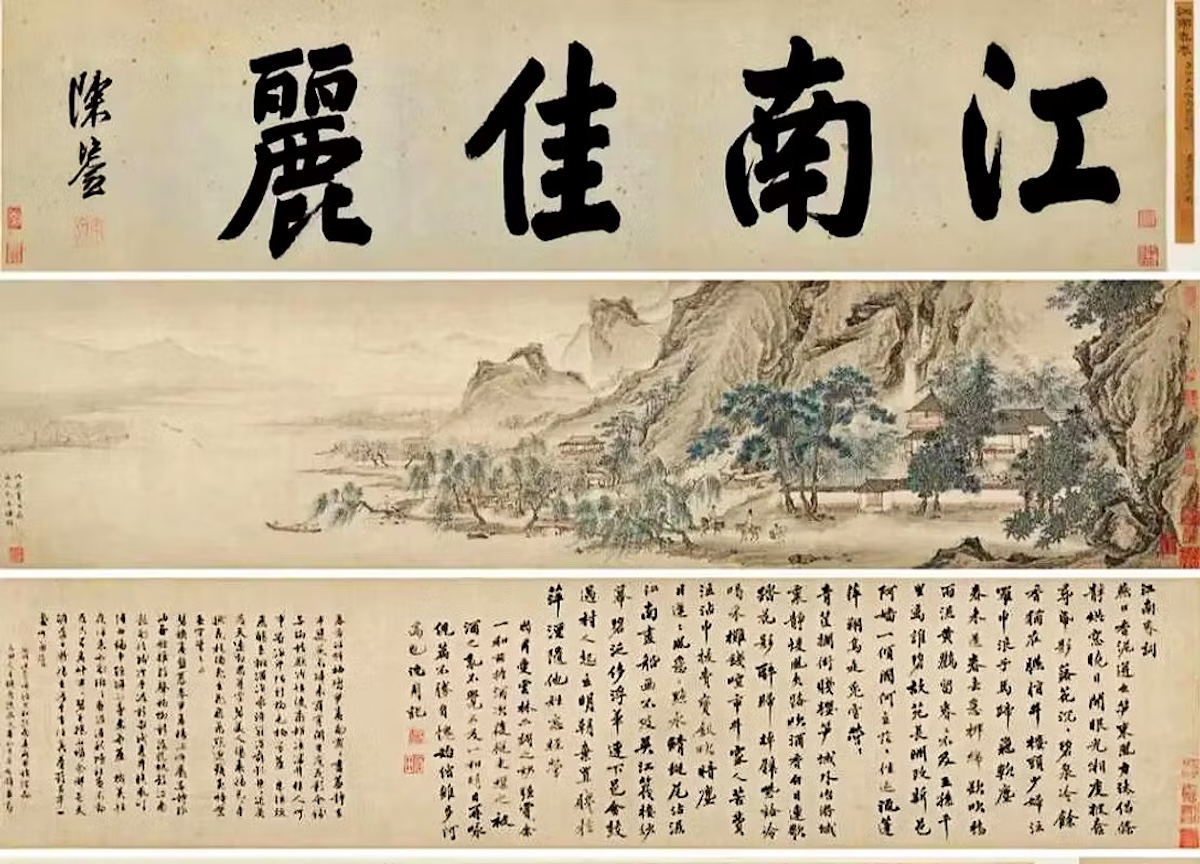
In early 2025, the painting Spring in Jiangnan by Qiu Ying, dated to the Ming dynasty, was spotted for sale by Pang Shuling with a valuation of 88 million yuan (£9.3 million). She immediately recognised it as one of the 137 works donated by her family on the death of her great-grandfather, collector Pang Laichen, in 1957. A subsequent audit of the Nanjing Museum’s archives revealed a further four works from that gift were missing.
Jiangsu provincial authorities, under the guidance of the National Cultural Heritage Administration, subsequently evaluated thousands of files and conducted numerous interviews with staff past and present. The report notes that in the 1990s former museum vice-director Xu Huping approved the transfer of the paintings to the state-owned Jiangsu provincial cultural relics store, despite a national ban on the deaccession of museum works.
In early July 1997 a salesperson at the store noticed Spring in Jiangnan for sale with a price tag of 25,000 yuan. Investigators allege the employee then changed the price to 2,500 yuan and used a proxy to buy the work at the knock-down cost. The invoice for the work described the work as ‘Landscape Scroll Imitating Qiu Ying’ and failed to include the buyer’s details. It was then sold on to a private dealer, alongside two other paintings, for 120,000 yuan, before passing through another private dealer and on to the China Guardian Auction in May.
The auction house withdrew the work after being alerted to the controversy surrounding.
In all, 25 individuals now face legal or disciplinary action.