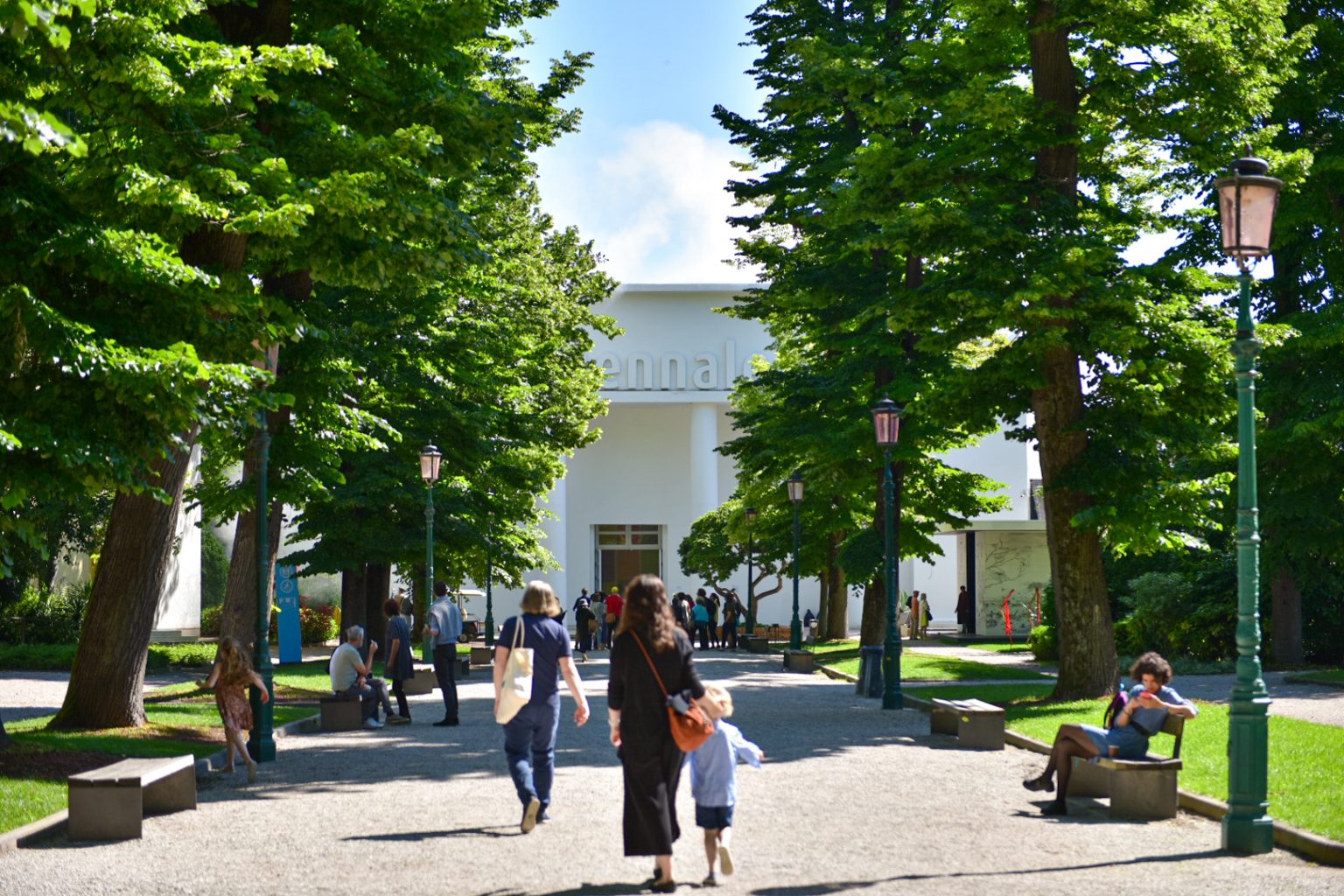
Our editors on the exhibitions they’re looking forward to around the world this month, from London to Delhi
New York, United States
Michael Joo: Sweat Models 1991-2026
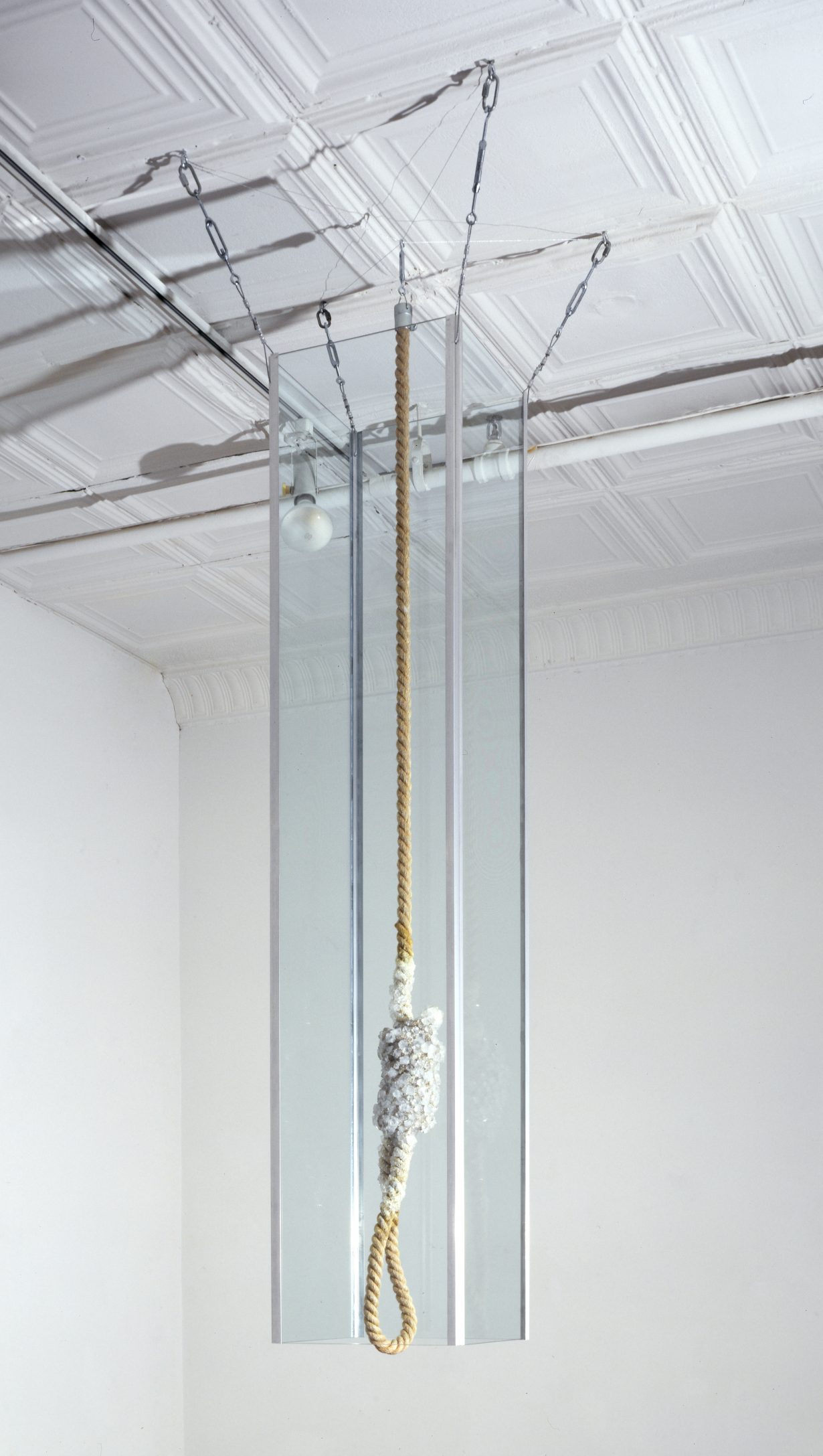
Under vinyl labels referencing Genghis Khan (the conqueror), Benedict Arnold (the traitor) and Michael Joo (the artist whose show this is), three glass beakers sit on a shelf holding preserved samples of Joo’s urine. By turns revealing and coy, sterile and perverse, this work, Yellow, Yellower, Yellowest (1991), seems to take Piero Manzoni’s Artist’s Shit (1961) a playful step further by asking viewers to directly observe, compare and even contemplate its lewd specimens. The work and its implications regarding biology, empire, racialization and moral virtue appear in and throughout Sweat Models 1991-2026. Replete with trickles of artificial perspiration, a barrel of imitation tears, and facial measurements and calorie counts incised on aluminium, the show resembles a semi-organic body system. It reprises a selection of Joo’s sculptural and conceptual output from thirty years ago – back when data, metrics and language models could still be conceived of at a modest scale and before biohacking went mainstream – while presenting some newly realised works such as Concatenations (2026), a vertical library of industrial baking trays striated with offerings of sundry personal artefacts. Jenny Wu
Space ZeroOne, New York, 20 February – 18 April
Leeds, United Kingdom
Beneath the Sheets
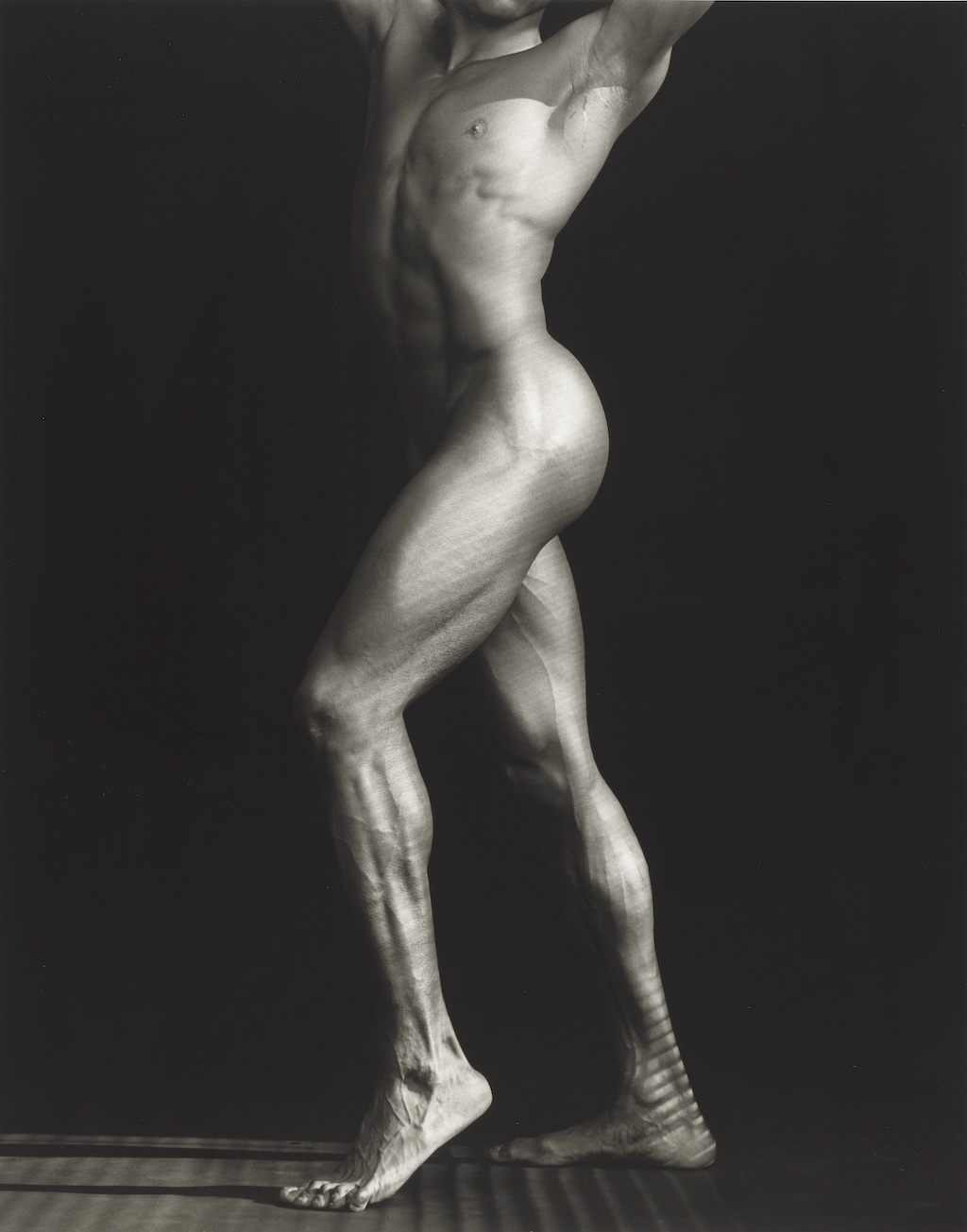
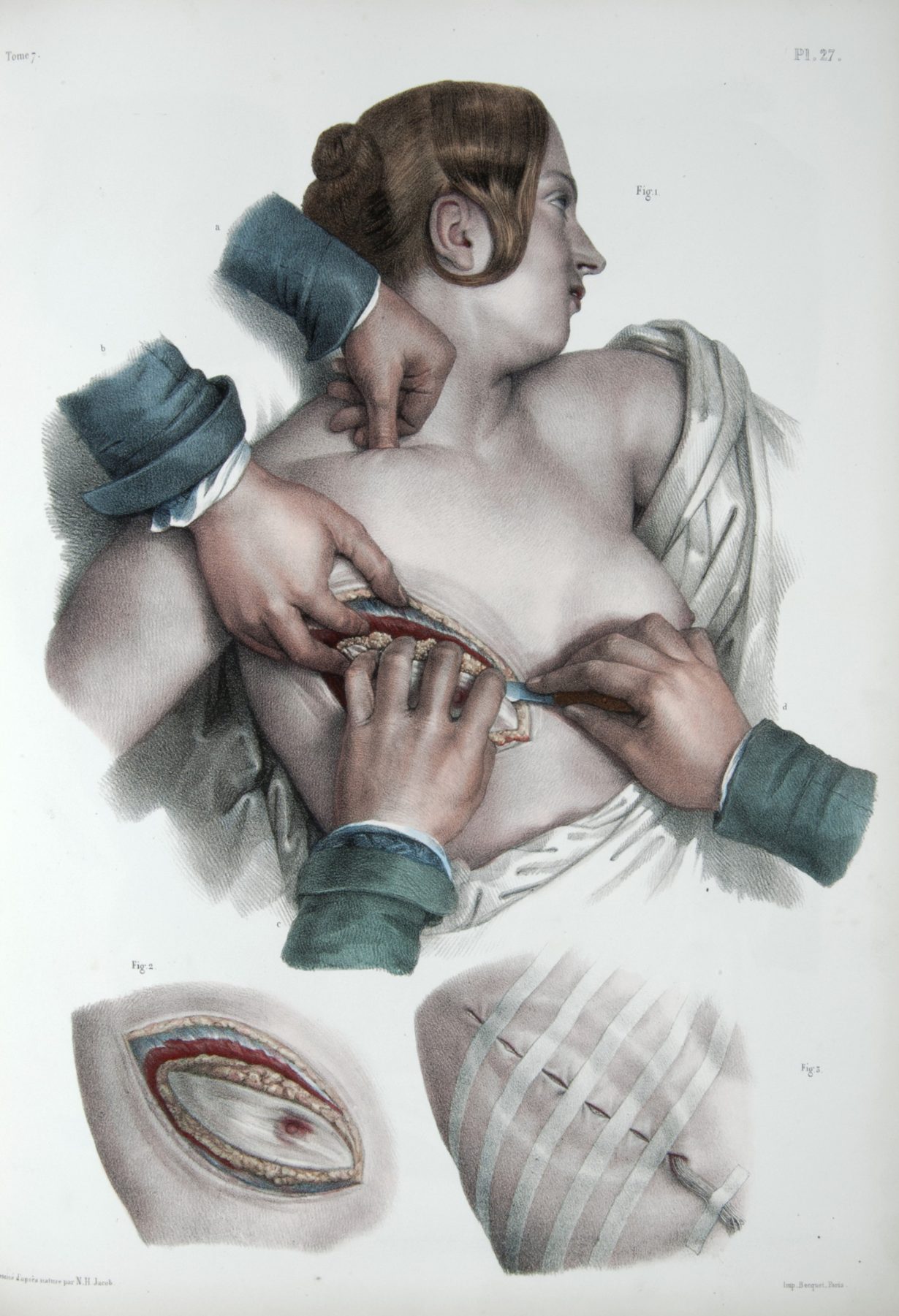
Anatomy has a storied cast list in art history: Da Vinci’s Vitruvian Man, Rembrandt’s Dr. Nicolaes Tulp, Thomas Banks’s James Legg, Mapplethorpe’s Ken Moody, Tavares Strachan’s Robert. The penetrative urge, as the title of this new exhibition suggests, to get ‘beneath the sheets’ – of cotton, of skin – is plain. Opening up the Thackray Museum of Medicine’s extensive anatomical artwork collection, Beneath the Sheets promises to apply today’s politics to yesterday’s anatomics, examining ‘histories of body procurement and exploitation’. Included are illustrations from Jean-Baptiste Marc Bourgery’s anatomical atlas Traité complet de l’anatomie de l’homme (1866), showing decades of autopic research, illustrated by Nicolas Henri Jacob in by turns elegant and violent demonstrations. One presents four grey-cuffed hands clawing back at a prone, nude woman’s dissected breast. Illustrations from Joseph Maclise’s Surgical Anatomy (1851) includes what is considered the only Black body in Victorian anatomical atlases. In tandem, the artist Marlowe Mitchell will present a film commission responding to Thackray’s archive. All while the body has once more become a point of contest in contemporary culture – its traumas, reclamations and erasures by technologies old and new. Alexander Leissle
Thackray Museum of Medicine, Leeds, 7 February – 21 June
London, United Kingdom
Masterpieces of the Iranian New Wave
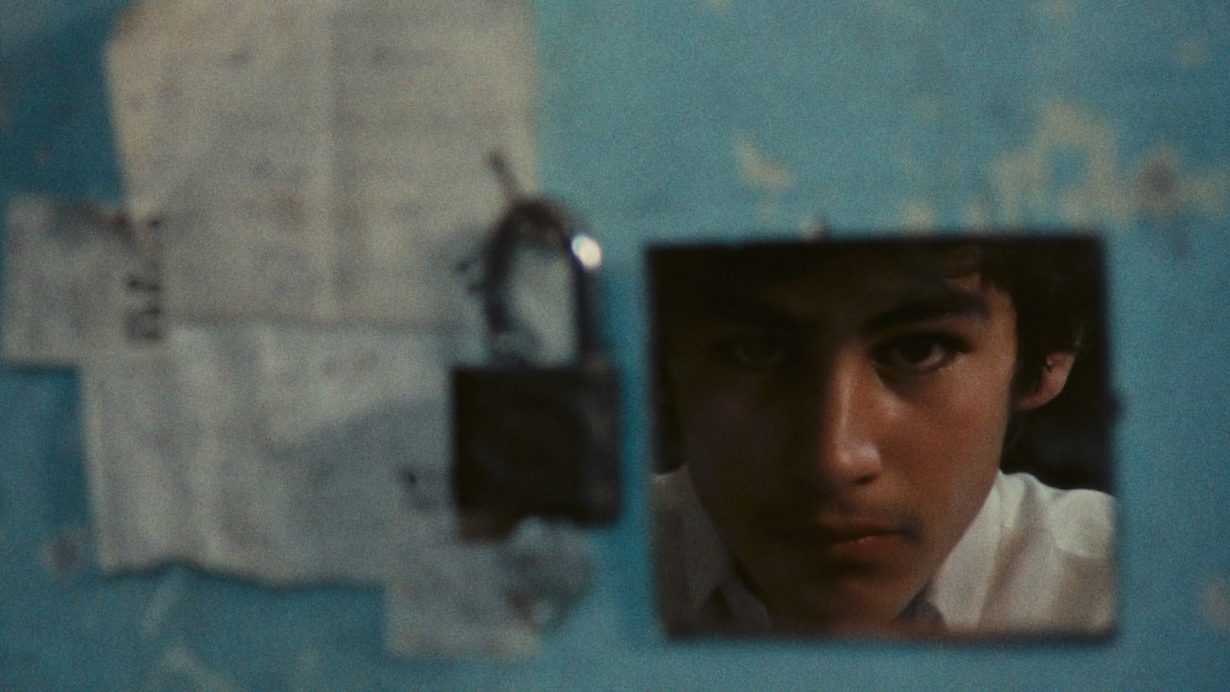
As anti-government protests continue in Iran, London’s Barbican hosts a second season of Cinema-ye Motafavet, presenting 11 films from the era preceding the 1979 revolution. The programme includes Abbas Kiarostami’s short A Wedding Suit (1976), Bahram Beyzaie’s fabulist The Ballad of Tara (1979), and a short documentary that includes the only screen appearance of poet and filmmaker Forough Farrokhzad. Among such glimpses from the time that was are several rare and never-before seen films: The Ballad of Tara screens with the 18-minute fragments of what remains of Shahla Riahi’s Marjan (1956), Iran’s first feature film directed and produced by a woman, as the season hosts the first screening of the director’s cut of Ebrahim Golestan’s satire Secrets of the Jinn Valley Treasure (1974). There will also be a chance to see both the original banned ending and re-shot ending of Masoud Kimiai’s The Deer (1974). Chris Fite-Wassilak
Barbican Centre, London, 4–26 February
Isaac Julien: All That Changes You. Metamorphosis
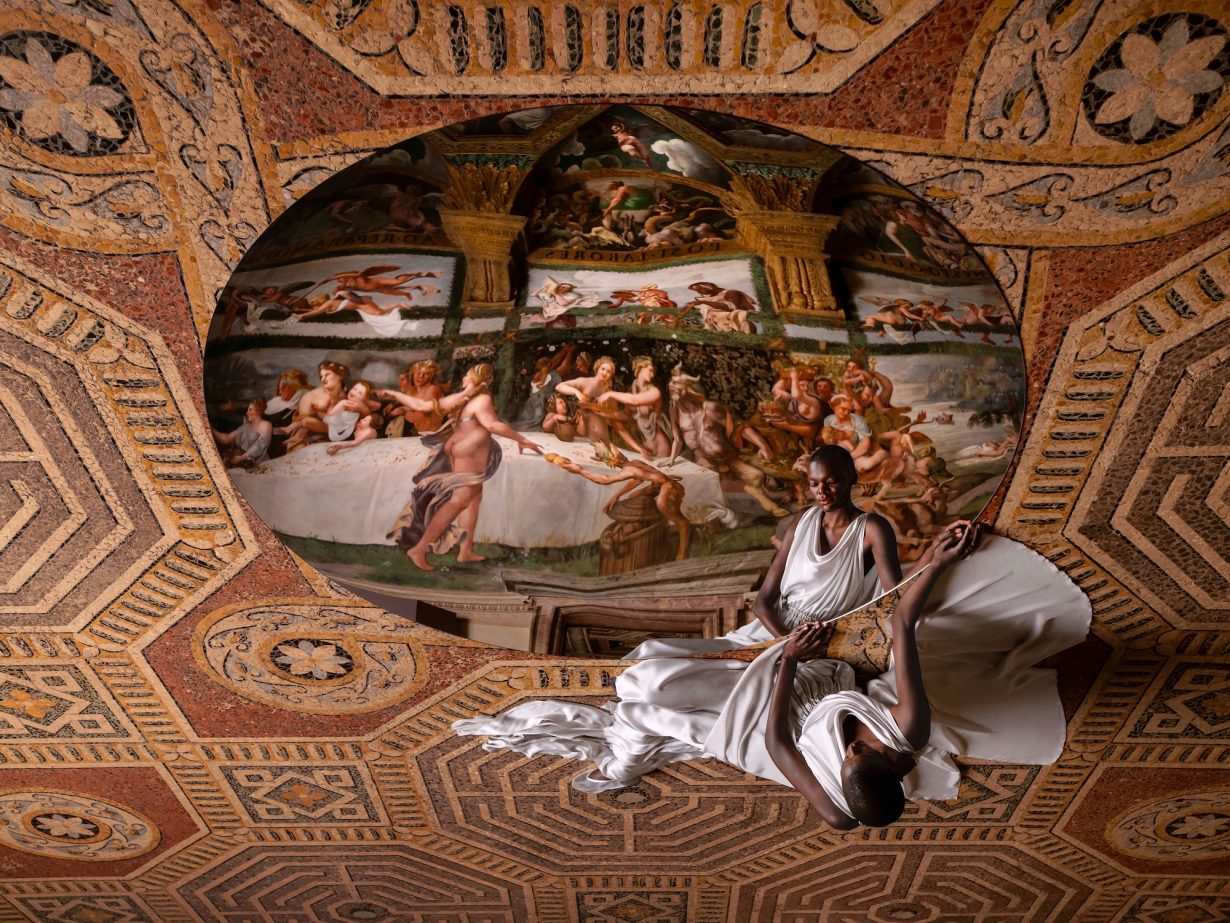
Filmmaker Isaac Julien uses the camera as a way to probe and recontextualise history, repositioning voices which may have been forgotten or erased across time, space and cultural memory. His five-screen installation, All That Changes You. Metamorphosis, (2025), was commissioned as an optic response to the Palazzo Te, a sixteenth-century Mannerist villa in Mantua, Italy. It’s a stunning, shape-shifting narrative that sees architectural spaces, from ornate Renaissance frescos to the postmodern interiors of Charles Jencks’s Cosmic House in London, collapse and reform around two protagonists played by Sheila Atim and Gwendoline Christie. The film – a sort of posthumanist visual poem – draws on Ovid’s opus as well as ideas from thinkers like Octavia Butler, Naomi Mitchison, Ursula K. Le Guin and Donna Haraway, woven throughout the dialogue. After its run in Italy, the work will be presented for the first time in London across five screens at Victoria Miro. Chiara Wilkinson
Victoria Miro, London, 13 February – 21 March
Bouchra Khalili: Circles and Storytellers
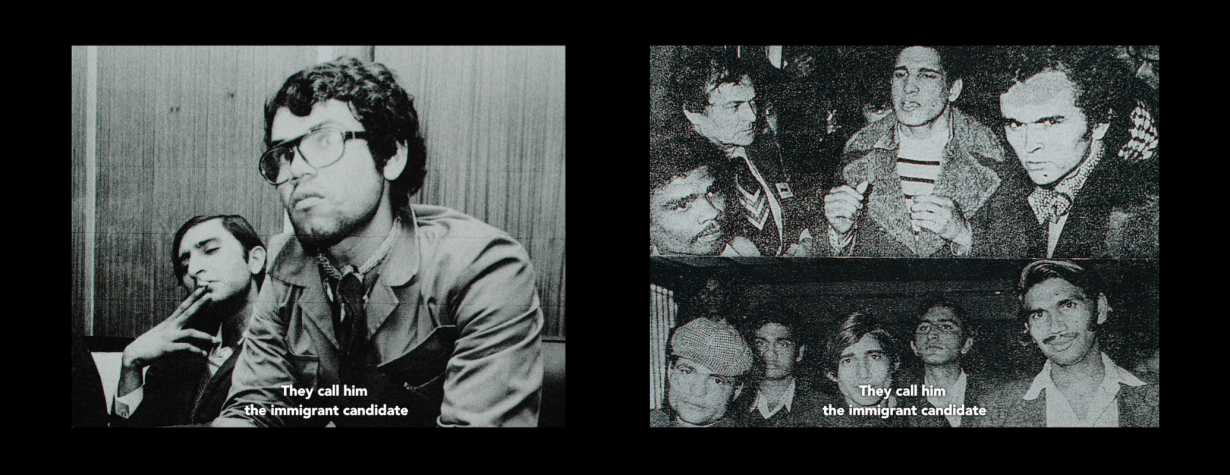
London’s Mosaic Rooms reopens this month under new direction and a renovation replete with a salon event space, ‘Play Room’, live-radio station and expanded bookshop – rejoining the city’s growing field of non-profit art spaces. Kicking things off is an exhibition of films by Bouchra Khalili, a hugely influential figure in postcolonial art receiving her first solo exhibition in the UK. Circles and Storytellers will conclude the artist’s multi-year project – studying the Mouvement des Travailleurs Arabes, the 1970s Maghrebi social justice and activist group – which began at Documenta 14. Alexander Leissle
Mosaic Rooms, London, 18 February – 14 June
Porto Alegre, Brazil
Nervo Óptico 50 anos – Um manifesto
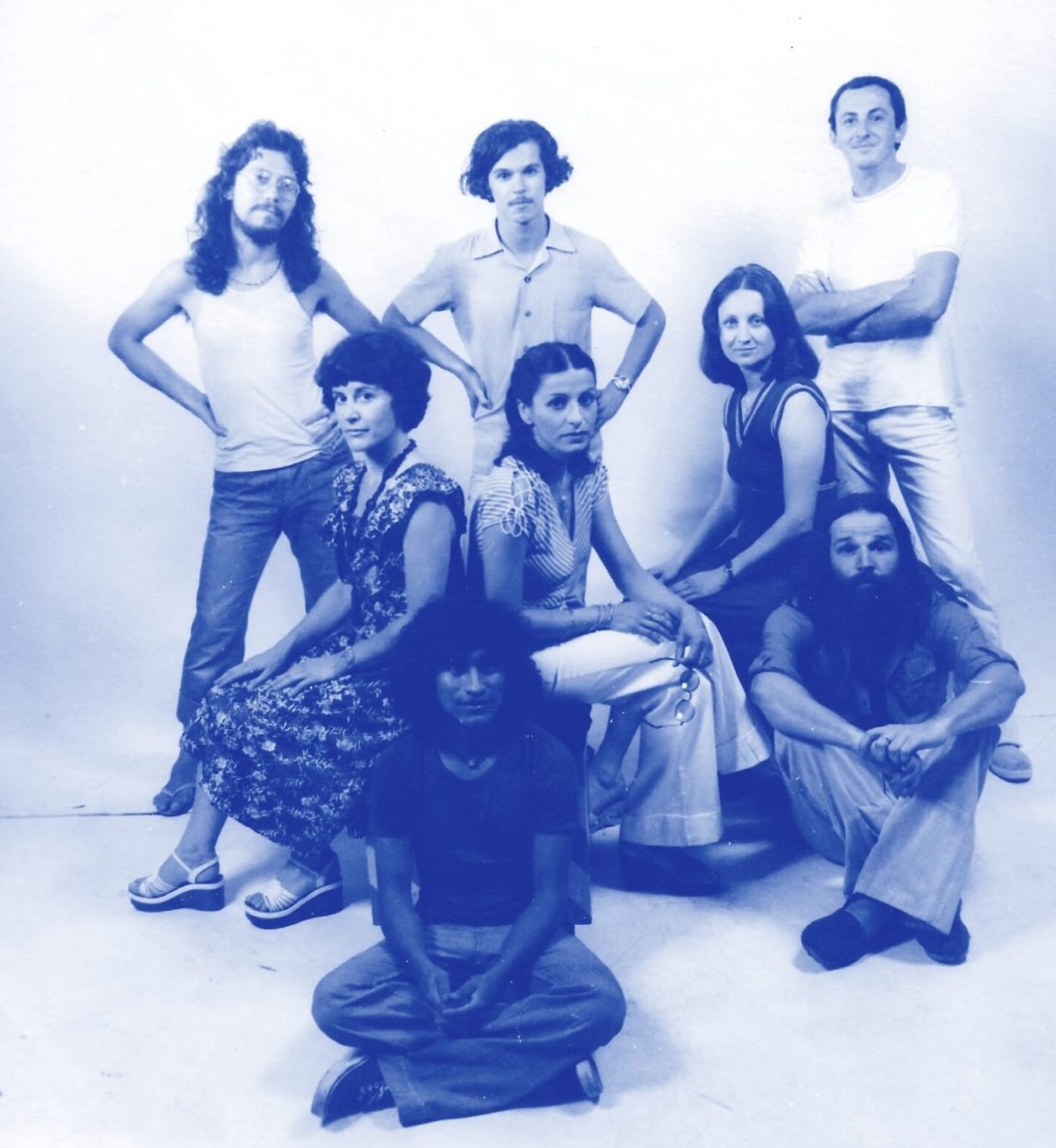
In 1978, Brazil’s so-called ‘years of lead’, the most repressive period of the country’s military dictatorship, were beginning to ease. That freedom bred the beginnings of an art market, with commercial galleries setting up in the major cities. Porto Alegre, in the southern state of Rio Grande do Sul, was no exception, but a group of local artists recognised that within the professionalisation, as art became a product divorced from its process of production, something was getting lost. Carlos Asp, Carlos Pasquetti, Clóvis Dariano, Jesus Escobar, Mara Álvares, Telmo Lanes, Romanita Disconzi and Vera Chaves Barcello wrote and signed a manifesto describing instead a continuing process in which art is ‘consumed’ by its maker during its production and by the viewer through their active participation in that process. A series of happenings was initiated, starting with a two day event at the Museu de Arte do Rio Grande do Sul (MARGS) featuring games, performances, super-8 films and slides. Members of the group went on to produce a monthly visual poetry magazine, Nervo Optico, which took the form of poster poems. Returning to MARGS half a century later, surviving members of the group will assemble to look back on this avant-garde moment – even if their efforts in stemming the tide of art’s commercialisation weren’t entirely successful. Oliver Basciano
Museu de Arte do Rio Grande do Sul, Porto Alegre, through 26 April
Mito, Japan
Takehiro Iikawa: Gathering Matters and Mediations
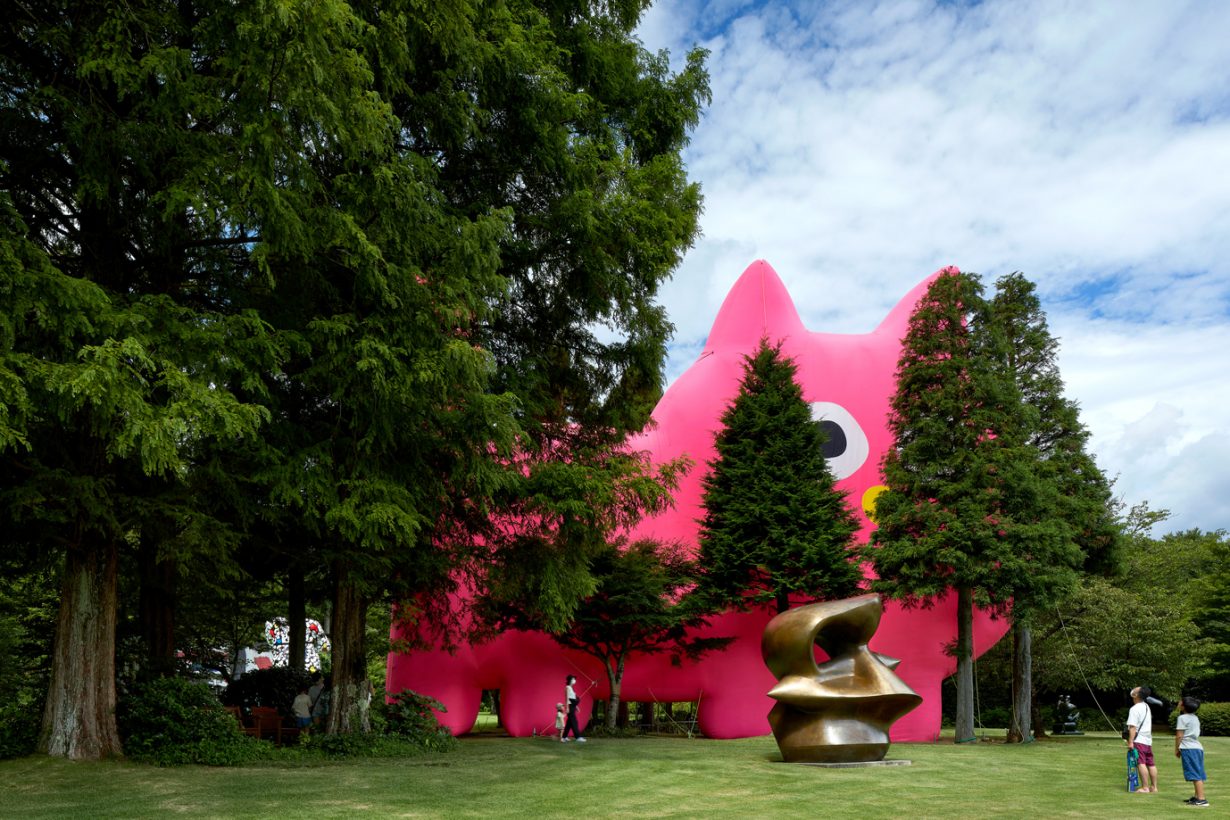
Takehiro Iikawa’s practice deals with ‘the relativity of time and fluctuations in perception’, but his best known work is probably his big hot-pink cat ‘Mr. Kobayashi’ (Decorator Crab series, 2017–ongoing) that lurks around galleries and other public spaces, tucked in narrow hallways or peeping out from pinewoods so that it’s impossible to see its pensive, dumbfounded face (≧◉A◉≦) in its entirety. Iikawa’s upcoming exhibition at Art Tower Mito will stage a comprehensive overview of his practice, his ‘rule-based structures’ and ‘scenes’ that give rise to ‘realisations’ resisting easy communication. ‘When we stumble upon something so completely unexpected – a strikingly vivid experience that leaves us raw with emotion,’ the exhibition asks, ‘how can we convey those feelings to others who have not shared them?’ Perhaps, once you have the chance of meeting Mr. Kobayashi, you can never go back to not having met him. Yuwen Jiang
Art Tower Mito, 28 February – 6 May

Berlin, Germany; San Diego, United States
Graciela Iturbide
Across two concurrent exhibitions in Berlin and San Diego, Graciela Iturbide’s photographs, primarily taken in Mexico, trace the fragile thresholds where ritual and everyday life meet. Her black-and-white pictures record bodies, landscapes and objects via an eye that is attentive to the way movement and meaning emerge from gesture, shadow and repetition. At C/O Berlin, her first major retrospective in the capital city, Iturbide will present iconic series such as Juchitán de las Mujeres (1979–1988), which documents a social world shaped by female autonomy, plurality and resilience, alongside photographs that have rarely been displayed. Meanwhile, her survey show at San Diego Museum of Art will include later works – pared-back images of birds, roads, tools and desert terrains that edge toward abstraction and charged symbolism. Photography it seems, for Iturbide, is less an act of capture than of accompaniment: it insists on slowness, reciprocity and ethical attention, a way of staying with people and places as witness. Fi Churchman
C/O Berlin, 7 February – 10 June
Museum Photographic Arts, San Diego, 14 February – 7 June
Naples, Italy
Atlante
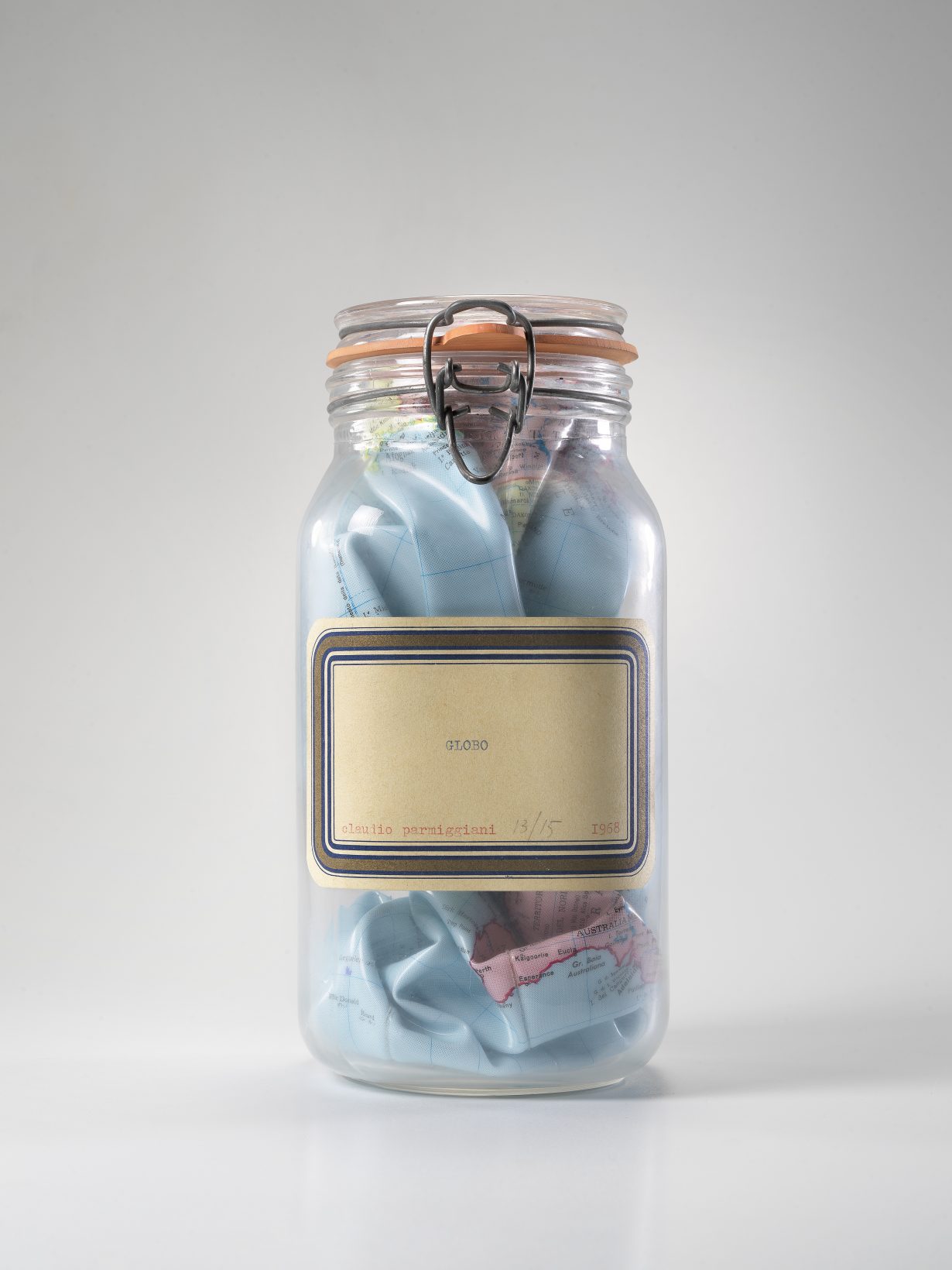
We’ve come up with plenty of structures – passports, visas, checkpoints, walls – to make national borders seem immutable. Yet all it takes is the toddlerlike fingers of egomaniac politicians to scribble new lines onto maps to (militarily) reconfigure the freedom of movement across territories. In Atlante, curator James Lingwood brings together drawings, paintings, weavings, sculptures and photographs that reveal the subjectivity and inherent violence of maps. Among them, Claudio Parmiggiani’s deflated globe stuffed into a mason jar (Globo, 1968) counters typically conquering depictions of the earth; Igshaan Adams’s tapestry based on satellite views of the Bonteheuwel neighbourhood of Cape Town (Keeping Light,2025) highlights well-trodden desire paths as opposed to the legally-enforced segregation of geography during apartheid and Teju Cole’s photography book of Switzerland (Fernweh, 2020), that combines pictures of maps, topography and intimate fragments of space, reflects on how the experience of place is mediated by images. Mia Stern
Thomas Dane Gallery, Naples, 3 February – 5 May
Delhi, India
Atul Dodiya: The Gatecrasher
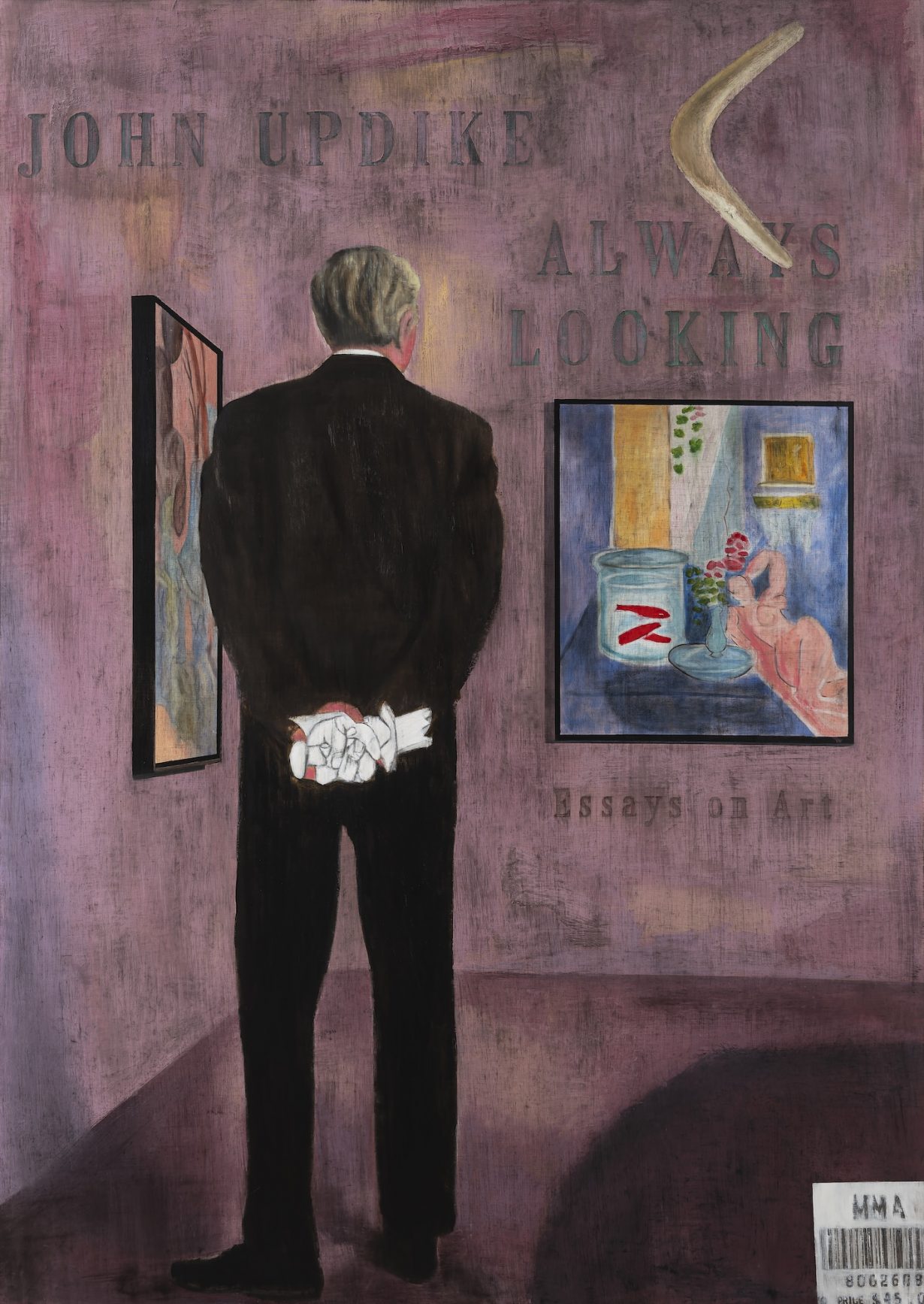
Sometimes it’s just about being there. Staying present. Living in the moment. Mumbai born-and-based Atul Dodiya’s upcoming solo exhibition foregrounds the experience of engaging with art – a theme easily traced through his career spanning over four decades. In 2014 at his exhibition at Mumbai’s Dr. Bhau Daji Lad Museum, 7000 Museums: A Project For The Republic Of India, Dodiya staged cabinets filled with grouped objects referencing art history and pop culture amidst the museum’s own vitrines, speaking to the acts of collection and display that produce values and narratives. Dodiya’s upcoming The Gatecrasher continues the rumination on gallery spaces and being inside them. Of the 12 new paintings that will be on view, Always Looking (2025), for example, pictures from behind a man beholding a Matisse; he’s sandwiched between the painting and his own backheld hands, which appear to be turning into a pair clipped from Picasso’s Guernica (1937). Meanwhile the title and a barcode are painted over the scene, allowing the viewer’s process of looking to become part of that economy of layered gazes. Yuwen Jiang
Vadehra Art Gallery, Delhi, 3 February–10 March