Our editors on the exhibitions they’re looking forward to around the world this month, from Bangkok and Kochi to New York and London
Mexico City, Mexico
Somos Pacífico
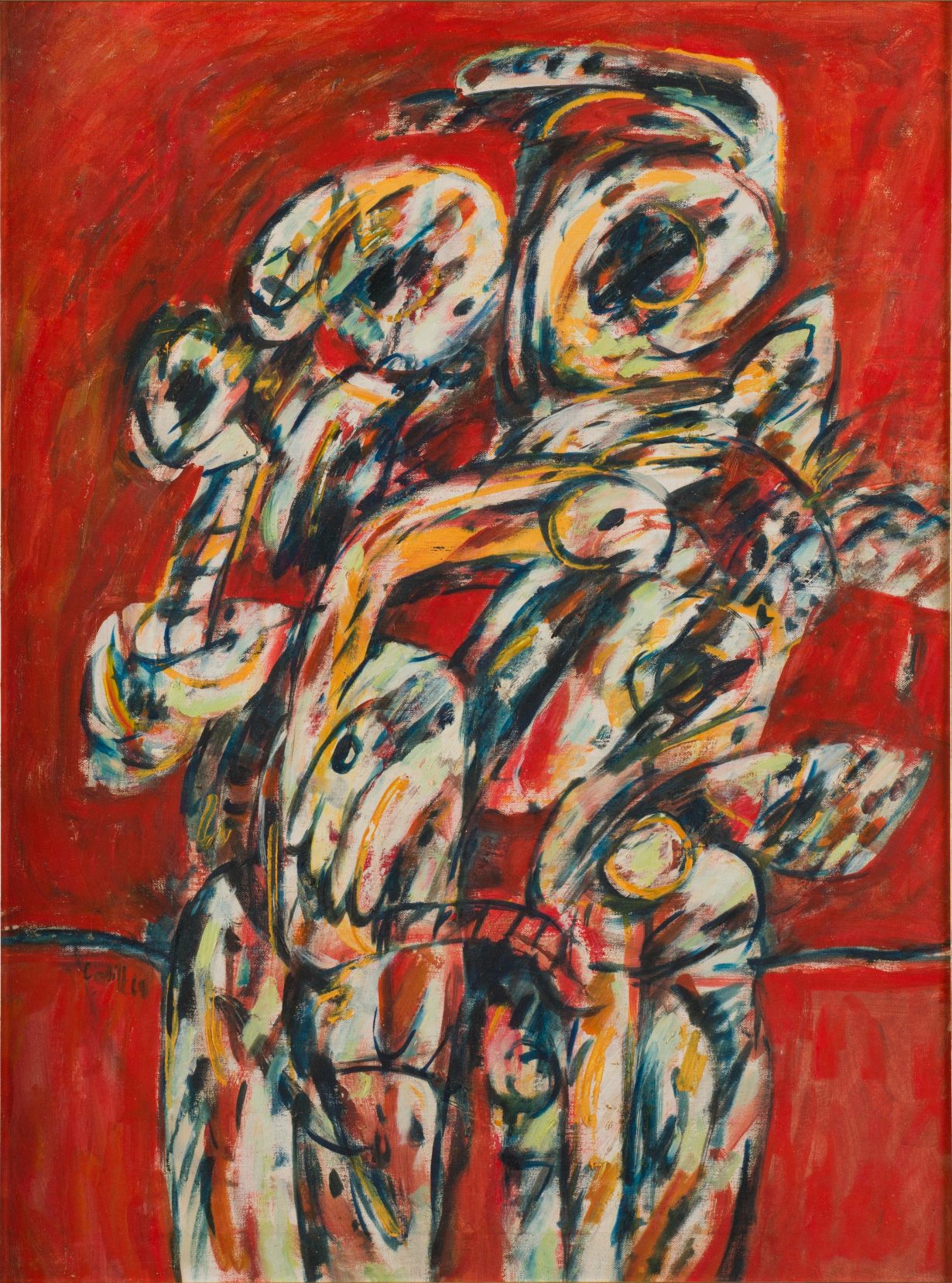
Ahead of opening an embassy in Mexico, the Singaporean government is sending over eighty of its dearest treasures from the city state’s Asian Civilisations Museum and National Gallery. The works will travel over the Pacific, the ocean itself used as the leitmotif for the show, with historical artworks and antiques that were a product of the tropical trade routes forged from the 16th century onwards across sea from Asia (specifically Manila) to the Spanish-speaking Americas. Mexican and Peruvian silver, alongside equally precious commodities such as cocoa (chocolate), were shipped from Acapulco to Asia, while the boats returned with Asian porcelain and silk. Hence the need in China for the 18th century chocolate stand, complete with a crab motif (a symbol of harmony); or the Saint Philip of Jesus statue, probably emanating from Manila, which depicts Mexico’s first saint. Here we also find modernist entanglements between the two regions, not least in the area of muralism, with a section of Diego Rivera’s monumental late work Río Juchitán (Cuatro tableros) (1950–57) partnering work by the likes of Filipinos Carlos ‘Botong’ Francisco and Galo B. Ocampo, artists who similarly pioneered non-western proto-social realism. Within all this, it becomes clear that culture as an aid to soft power and trade is nothing new. Oliver Basciano
Colegio de San Ildefonso, Mexico City, 4 December through 31 May 2026
Eastbourne, United Kingdom
Dana Awartani, Standing By the Ruins
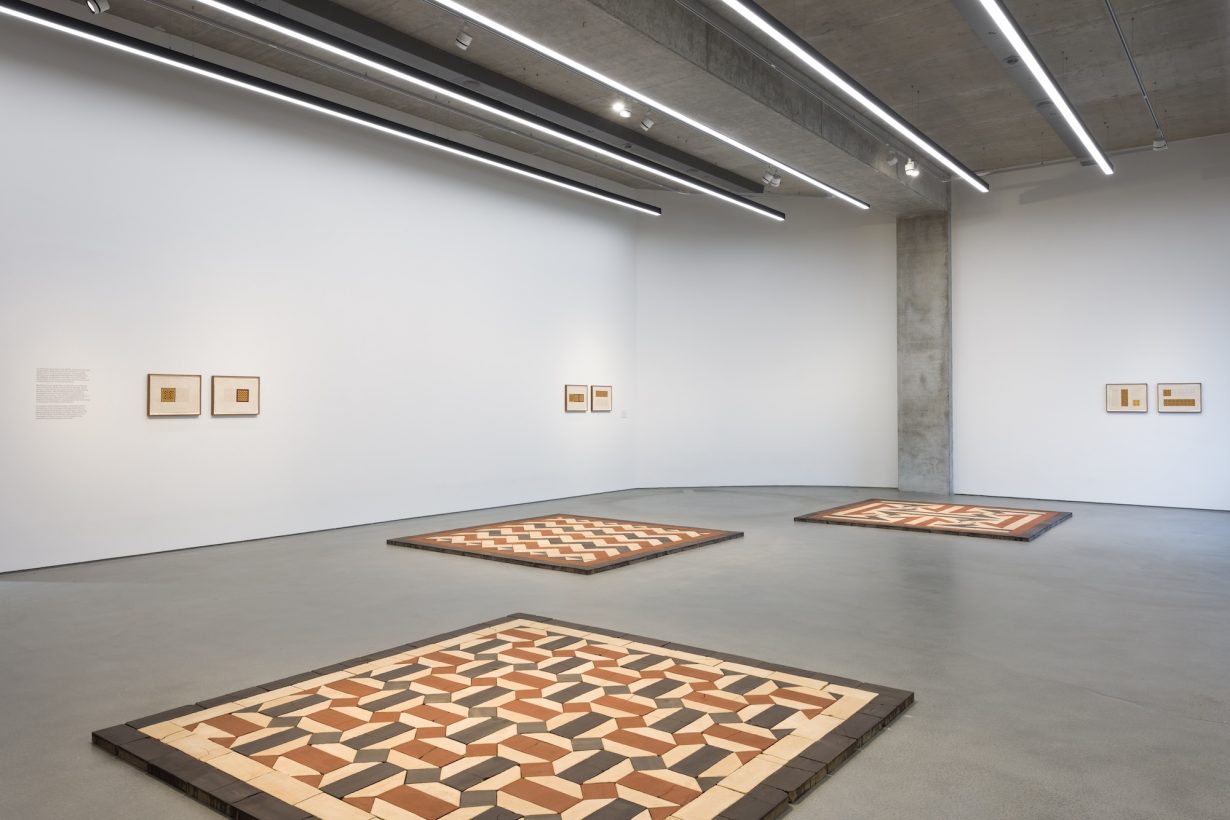
The hanging colourful fabrics and patterned floor works of Palestinian-Saudi artist Dana Awartani suggest theatrical set-like rooms within the gallery; though each is an elegiac evocation of buildings that have been destroyed. This show, which featured in Bristol’s Arnolfini this summer, and now on open in Towner on the UK’s south coast, gathers together works from the past decade that consider erasure, memorialisation and the potential for repair. Alongside other works, you’ll see the recent floor sculpture Standing by the Ruins III (2025), an arrangement of cracked red, white and black adobe bricks, an architectural recreation of the floor of the Hamam al-Sammara bathhouse in Gaza, believed to have been destroyed in bombardments in the past two years. Chris Fite-Wassilak
Towner Eastbourne, through 25 January 2026
London, United Kingdom
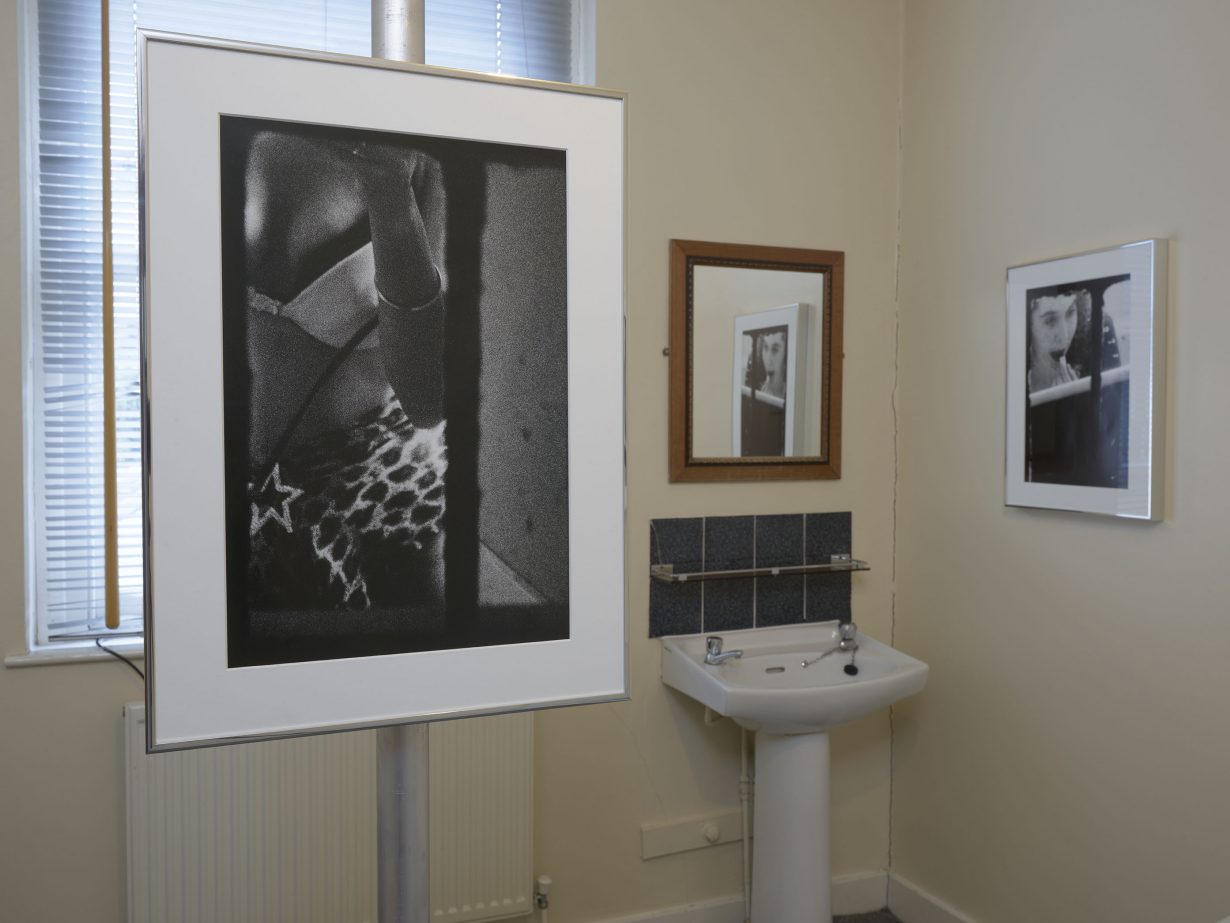
Merry Alpern’s photo series, Dirty Windows, was controversial when first seen in the nineties. By many measures now, it still is. The photos chronicle private encounters happening in an illegal New York gentleman’s club, taken from a window of a nearby Wall Street loft in Manhattan during the winter of 1993 and 1994. Anonymous, darkly lit and closely cropped, yet nevertheless blatant in their sordid subject matter, the photographs reveal just enough to take you to the darkest corners of your mind; to embed you in the brutal, voyeuristic honesty of Alpern’s lens. If you’re fast, you’ll be able to see them in the flesh – in a derelict London pub, of all places. The once-iconic boozer McGlynn’s in Kings Cross was recently bought by the painter Peter Doig and his partner, gallerist and show organiser Parinaz Mogadassi. To complement the grit and grime of Alpern’s photography, the ‘gallery’ surroundings have largely been left as is: dirty windows, sticky carpet and all. Chiara Wilkinson
McGlynn’s Free House, 1-5 Whidborne Street, London, through 14 December
Kochi, India
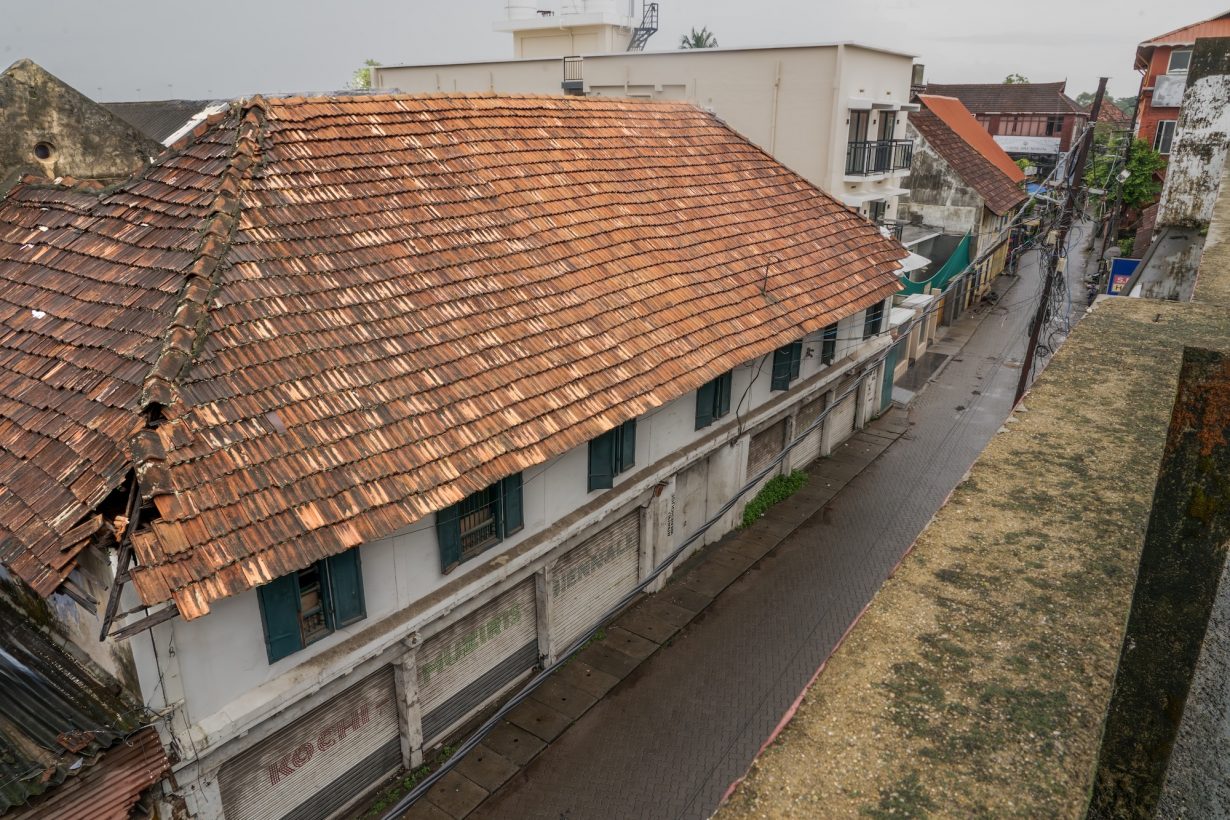
The sixth edition of the Kochi-Muziris Biennale (KMB) opens this month under the artistic direction of multi-media performance artist Nikhil Chopra together with HH Art Spaces (an artist-led organisation based in Goa). There’s been some reorganising in the biennial’s structure since the last edition of India’s premiere art event and in their ‘vision statement’ its organisers promise that this year ‘We move away from the idea of the Biennale as a singular, central exhibition-event, and instead envision it as a living ecosystem; one where each element shares space, time, and resources, and grows in dialogue with each other.’ Yes, me neither. But perhaps it’s better to consider that an insurance statement. Or just meaningless artspeak. Better to focus on the artworks instead and the likes of Bani Abidi and Anupama Kundoo, Ibrahim Mahama, Cinthia Marcelle, Gulam Mohammed Sheikh, Tino Sehgal, Hiwa K and Marina Abramović, and a host of others who’ll be littering the streets and buildings of Fort Kochi this time around.
The Kochi Muziris biennial has always been a place to encounter the work of artists you’ve never come across before alongside works by artists you know that are unexpected, as well as a hub for discourses that are dominating the agenda of the global majority. This edition will be no different; so time to get packing. You can get an Ayurvedic treatment on the other side, check out some kathakali theatre and dive into the extraordinary world of Malayalam literature while you’re at it (ArtReview recommends the work of Benyamin: much of which is available in English translation). Look out too for a new addition to Kochi’s art ecosystem: Ishara House. An extension of the Dubai-based Ishara Art Foundation (a non-profit dedicated to showcasing South Asian art), under the direction of KMB cofounder Riyas Komu and located in the historic Kashi Hallegua House, the new institution’s opening show is titled Amphibian Aesthetics (yes, it’s about the Anthropocene) and includes work by Shilpa Gupta, Michelangelo Pistoletto and Zahir Mirza, among others. Nirmala Devi
6th Kochi Muziris Biennale, various venues, Fort Kochi. 12 December – 31 March 2026
Berlin, Germany
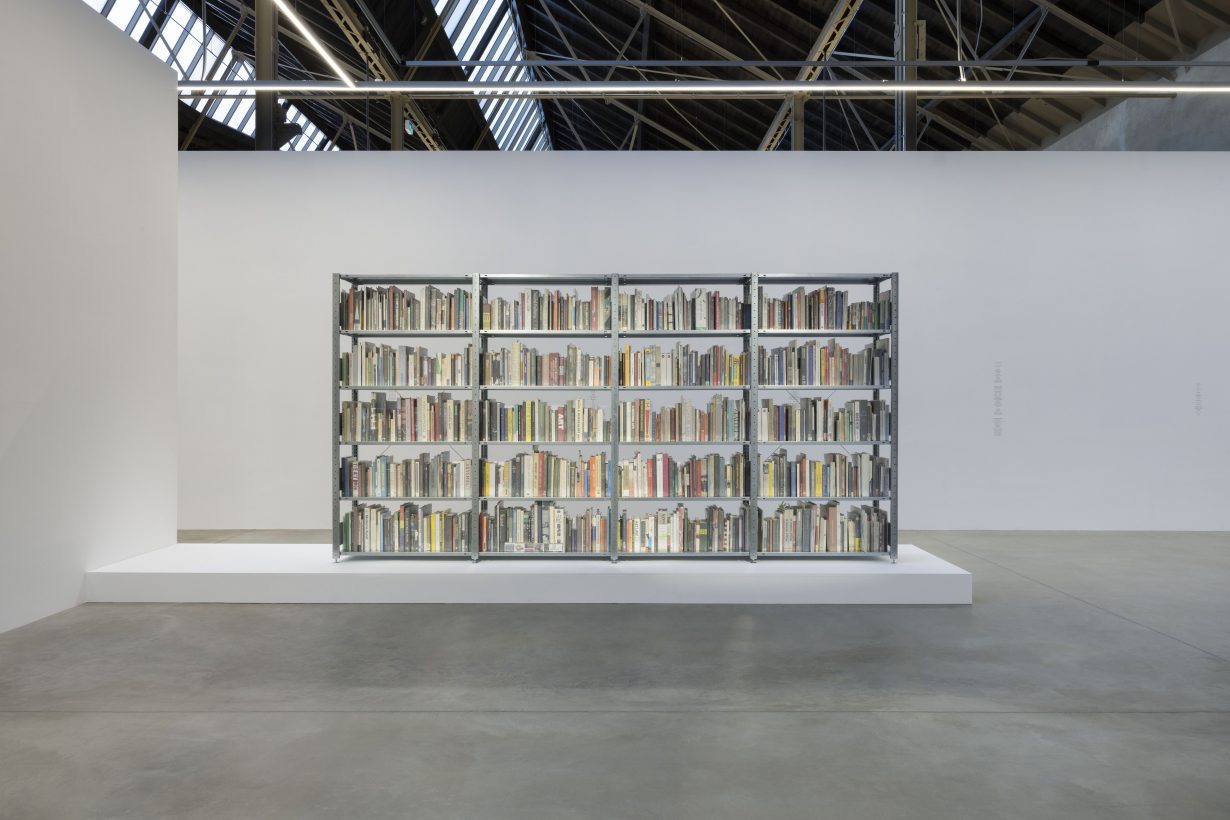
In 2010 French artist Saâdane Afif collaborated with Ghanaian coffin artist Kudjoe Affutu to create L’Humour Noir (Dark Humour) – a casket shaped as the Centre Pompidou, which was exhibited at the Centre Pompidou. In a conceptual gesture characteristic of Afif’s work, this morbid, reflexive, functional object brings to mind the big hits of twentieth-century cultural and art historical theories, from the death of the author or the end of art to good old institutional critique. Yet museumification, one hopes, is not the final nail in the coffin for Afif whose Humour Noir will be on view as part of the artist’s first solo institutional show in Berlin. Also on display will be his seminal Fountain Archives (2008–), in which Afif applies his archival impulse to collecting publications containing images of Marcel Duchamp’s Fountain (1917), alongside other works humorously questioning art and its institutions. Mia Stern
Hamburger Bahnhof – Nationalgalerie der Gegenwart, Berlin, Germany, 12 December – 13 September 2026
New York, United States
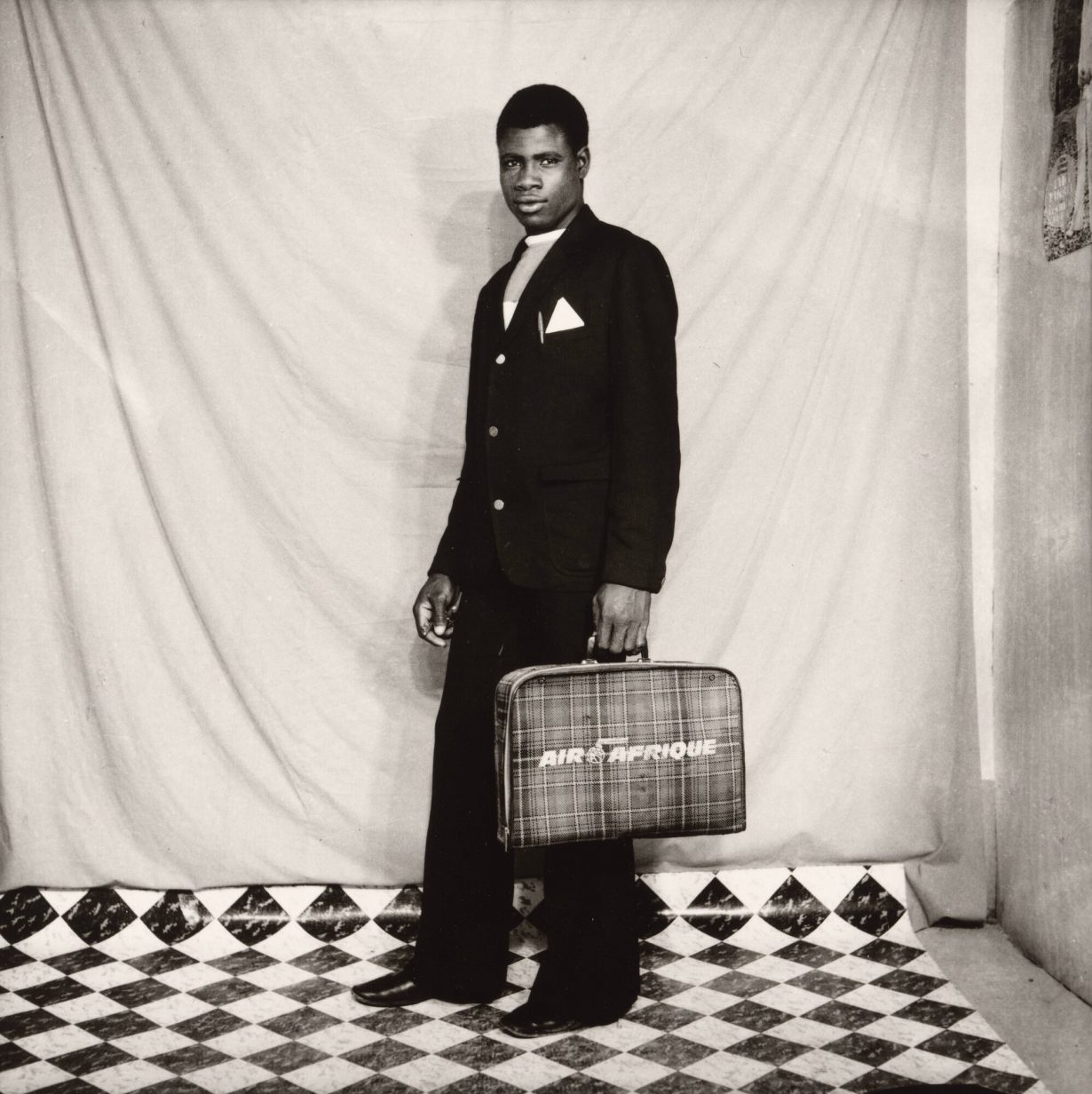
Ideas of Africa: Portraiture and Political Imagination
‘When one is attuned to photographic situations […], the imaginative capacity of the image emerges’, curator Oluremi C. Onabanjo writes in her introduction to the catalogue for Ideas of Africa: Portraiture and Political Imagination. This exhibition at MoMA places twentieth-century portrait photography from West and Central Africa in dialogue with images and archival materials from across the African diaspora up to today. It was conceived in part as a response to Congolese philosopher V. Y. Mudimbe’s influential book The Idea of Africa (1994), which deconstructs the misrepresentations of African art, culture and everyday reality that Western discourses perpetuate. Drawing together artists such as Seydou Keïta, Sanlé Sory, James Barnor, Samuel Fosso and Njideka Akunyili Crosby, Ideas of Africa makes the case that likenesses, meticulously staged and captured, not only index personal identities, proclivities and aspirations but also bring us face-to-face with much broader conditions of political self-determination, solidarity and possibility. Jenny Wu
Moma, New York, 14 December – 25 July 2026
Milwaukee, United States
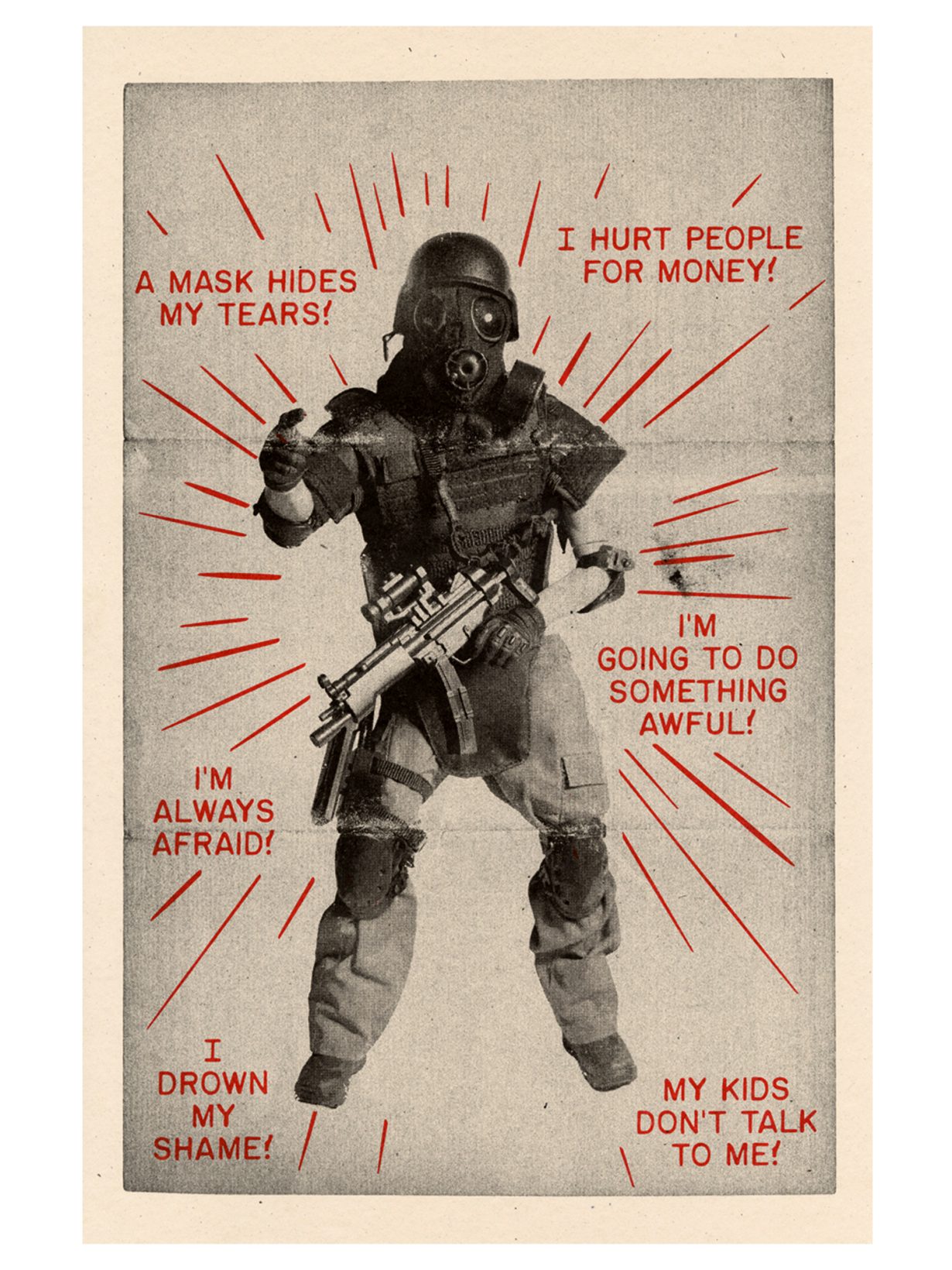
International Milwaukee Riso Invitational
The Riso machine, a digital stencil duplicator that resembles a large office printer, was invented in the 1980s in Tokyo by the Riso Kagaku Corporation. This cost-efficient contraption, which produces lower cost-per-page editions than standard laser printers, works by burning digital images into perforated stencils that wrap around a cylindrical ink drum; when paper is fed into the machine, the drum rolls over it, transferring the master image onto up to thousands of pages at a time. In the four decades since it hit the market, this technology has garnered a devoted following that treats its affordability and accessibility as a full-fledged ethos for artmaking. At The Suburban, a project space in Milwaukee, Wisconsin, around three dozen artists – including Art Spiegelman, Chris Ware, Cecilia Beaven and Jessica Stockholder – have been invited to create an original two-colour risograph print. In the spirit of gift-giving and artistic exchange, a portion of each print edition will be given away for free. Jenny Wu
The Suburban, Milwaukee, 20 December – 28 February, 2026
Bangkok, Thailand
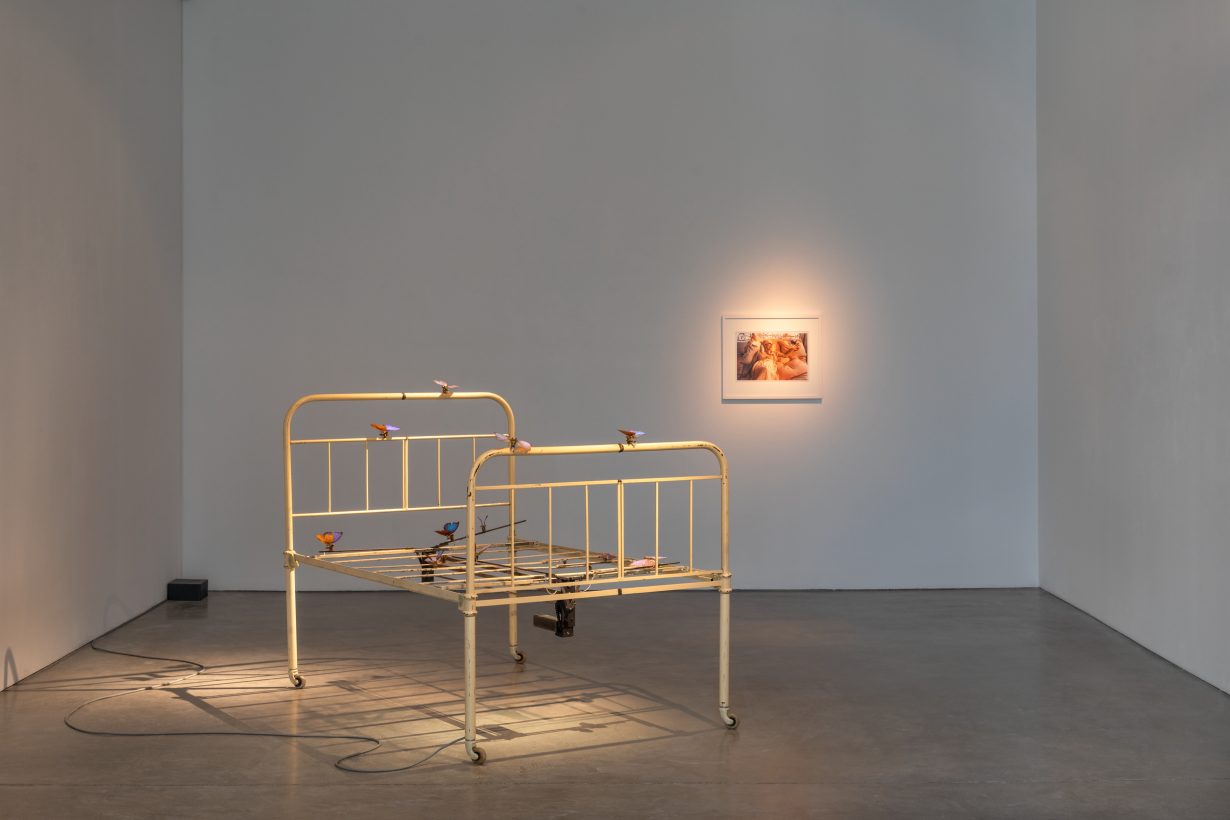
Thailand is getting ready to open its first major museum of international contemporary art. Dib Bangkok, opening this month, is a 6,600 square-metre warehouse that has undergone a pale stone, porcelain tile and concrete makeover by Kulapat Yantrasast of WHY Architecture. Now complete with largescale and intimate galleries, a sculpture garden and a conical ‘chapel’ (‘the spiritual focal point for the center’), the museum will soon display the collection of late Thai beverage company CEO Petch Osathanugrah, which includes more than 1,000 works by globally renowned artists including Rirkrit Tiravanija, Apichatpong Weerasethakul, Frank Stella and Takashi Murakami. Dib, meaning ‘raw’ in Thai, aims to create ‘a bridge between Thailand, Southeast Asia, and the global art scene’, according to Purat Osathanugrah, chairman of the museum. To kick off the programming, the inaugural exhibition will feature works by Lee Bul, Anselm Kiefer, Alicja Kwade and Montien Boonma, assembled around the theme of ‘invisible presence’. Mia Stern
Dib Bangkok, Thailand, from 21 December