To find out where museums might go from here, ArtReview asked several professionals close to institutions for a diagnosis
They may seem like the least pressing of our worries today, but we absolutely need museums, especially now in the United States as the Trump administration is erasing critical histories with terrifying speed. Cultural amnesia in this country is becoming commonplace, and we need spaces open to the public for remembrance, reflection and learning through objects and ideas. Do all museums have to be the biggest, brightest, newest, most spectacular, always-expanding institutions? Definitely not. I believe more in arts institutions of all shapes and sizes, not only in cities but also in rural places. There’s diversity among artists, so why not more diversity in art institutions to reflect that? We need all kinds of art spaces for the entirety of the ecosystem, from noncollecting spaces to art schools to art performance venues to residencies and artist-run spaces, artist-run gardens – and so many yet-to-be-determined spaces that we haven’t even thought of! The Wattis Institute for Contemporary Arts, where I am director and chief curator, is a contemporary art and research institute within a school and does not have a collection. Instead, we can dedicate our resources to living artists and commissions to make new work at this moment in time. At the core of the Wattis are artists. We need artists to make the work that processes our present conditions, and we need art spaces for the public to gather and reflect. But how do we keep museums and art spaces open and running?
At the end of the day, funding is probably the most difficult undertaking in US art institutions. The Bay Area, where I am, is the leading metropolitan region for billionaires worldwide, yet that reality is not reflected in the cultural landscape. Perhaps this is a glimpse into the future for the rest of the country, the slow breakup of the capital-philanthropy-museum pipeline. The newer class of wealth, fuelled by technology, is uninterested in culture for the public, so where does support for art institutions come from? ‘Build it and they will come’ is not a motto for our times. Expansion to cultivate new donors is not the way – it only leads to precarious financial futures for so many art institutions. It is, instead, imperative to build a functioning institution for actual use, in order to better serve and be in service to artists and audiences. If used by the public, museums and art spaces become alive – they will be ever-changing whether through structural shifts or tweaks along the way. As nonprofit museums model themselves after for-profit entities, they become spaces of self-preservation and self-promotion. Instead of marketing and branding to capture a one-time audience, museums should build real, lasting relationships with audiences and communities. If people are going to the museum for the giftshop, or to take a selfie and then leave and never come back, then ultimately museums will not actually survive. A brand doesn’t generate a deep curiosity, education or sense of possibility – the institution and its programmes do that work. Otherwise, the institution is just a shell game.
Collaboration is key to keeping culture alive. There are so many ways for art institutions to help each other, and share each other’s strengths: co-commissioning a work, co-organising an exhibition, sharing works in collections, cohosting an artist-in-residence programme, or creating a joint public programme. By working together, institutions can create a deeper impact with different audiences. For that you need a group of talented and creative people. Institutions, after all, are made up of people and for people.
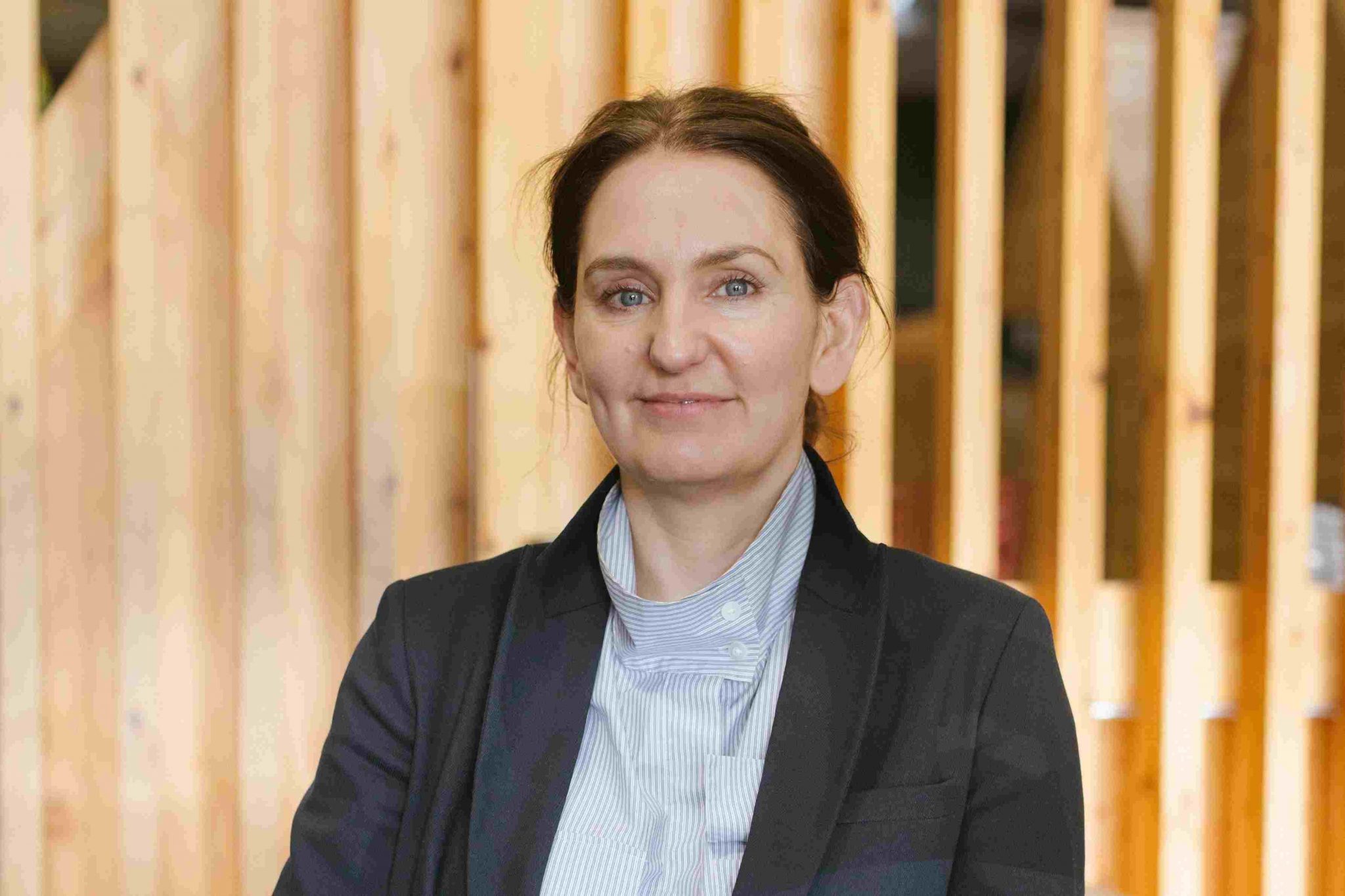
Daisy Nam is director and curator of CCA Wattis Institute of Contemporary Art, San Francisco
Explore the full ArtReview feature, The Museum in Crisis
From the March 2026 issue of ArtReview – get your copy.