On women’s revolution, artistic freedom and the fragile conditions of culture in wartime
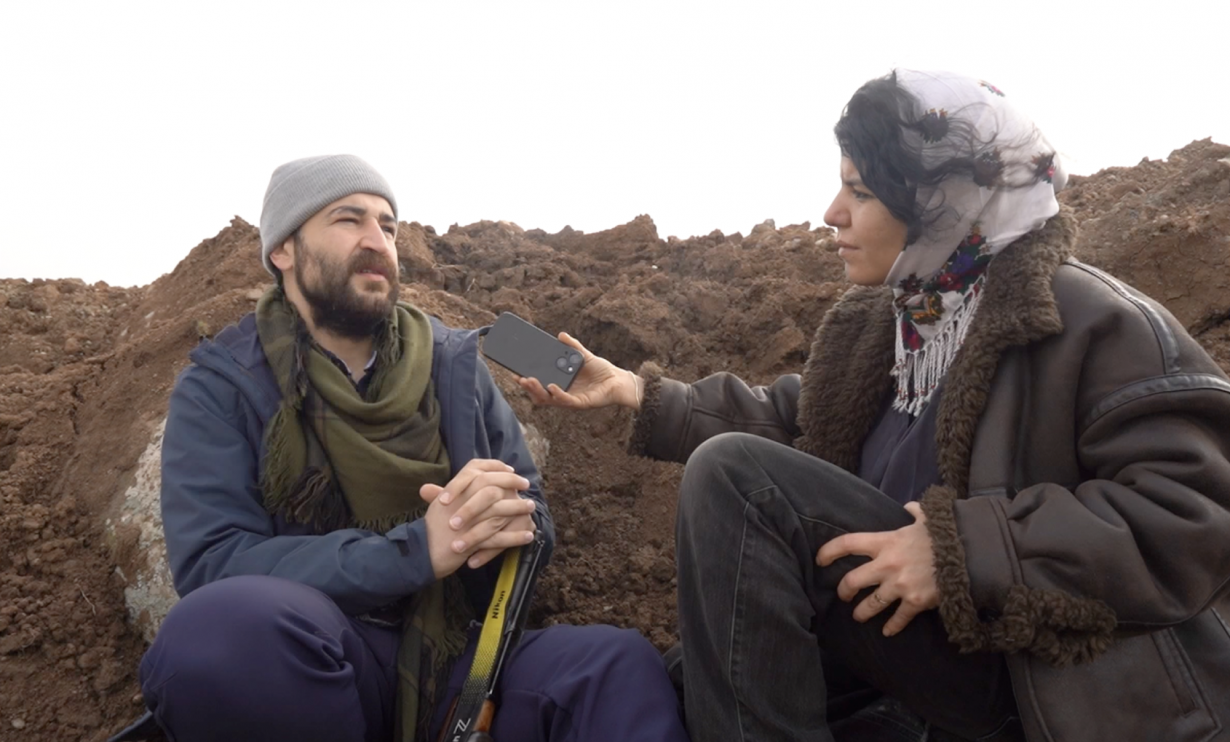
I meet my artist friend Diyar Hesso at the front line. I first got to know Diyar years ago in the Kurdish city of Diyarbakır, on the Turkish side, where we lived together with other artist friends in a stone house with a courtyard. He was the youngest in the house: a quiet, attentive, gentle boy who had become fascinated with cinema. The person standing in front of me now is the same – but he is holding a gun. The strap of his rifle once belonged to the camera with which he used to film. The positions of the jihadist groups are only 800 metres away. Seeing him years later with a weapon in his hands creates a strange tension inside me.
“To make art, the artist must first survive,” he says. This sentence is not simply something said at the front line; it summarises the relationship this geography has with art.
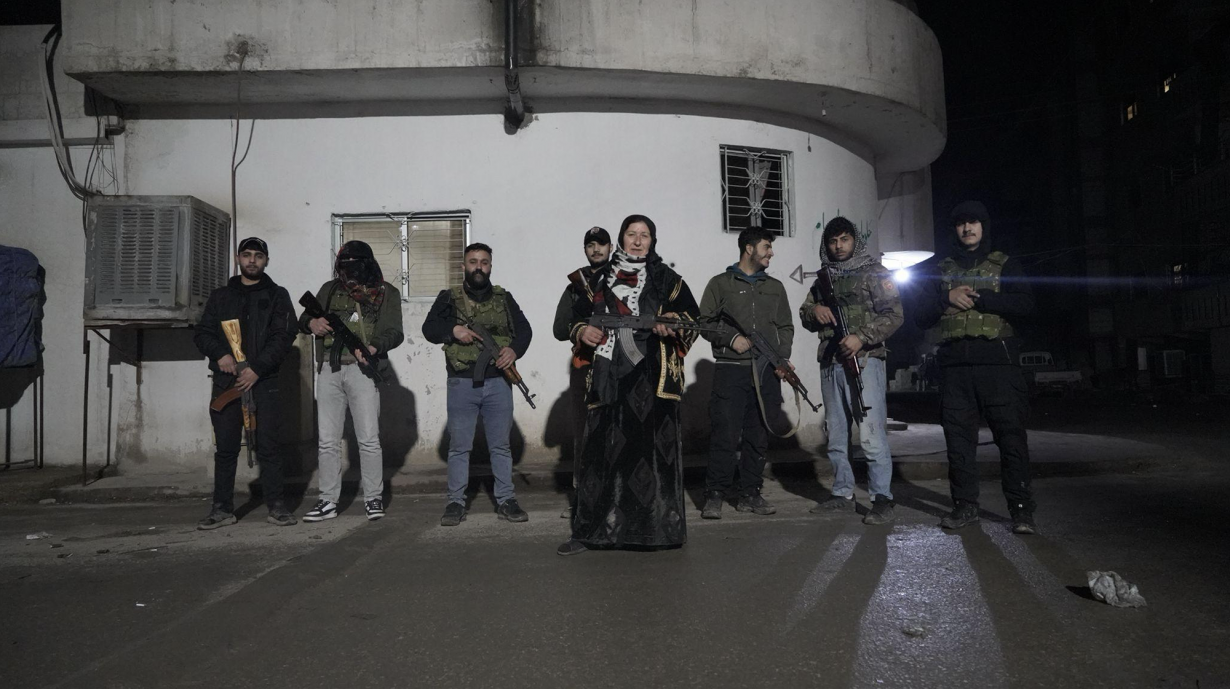
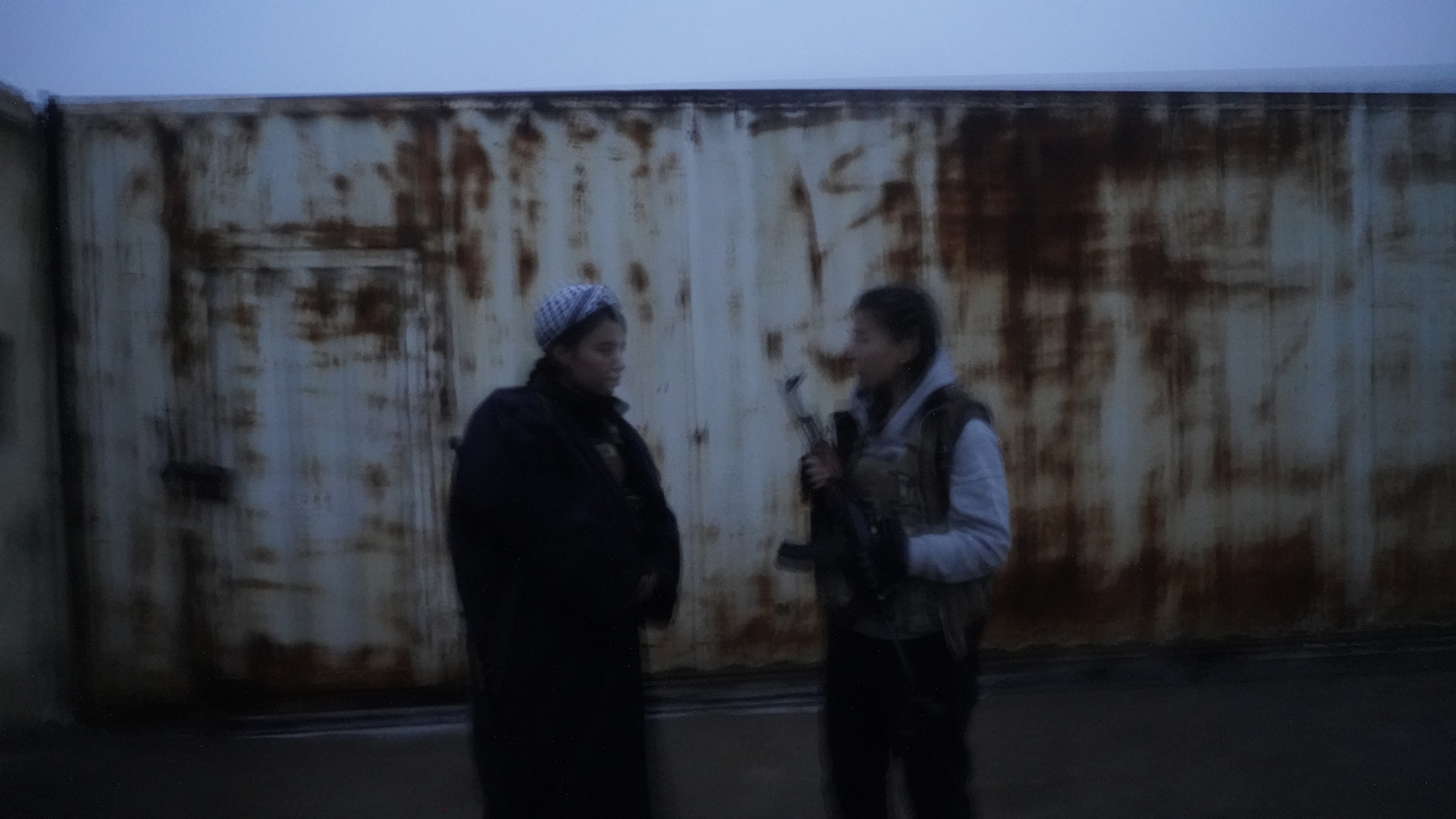
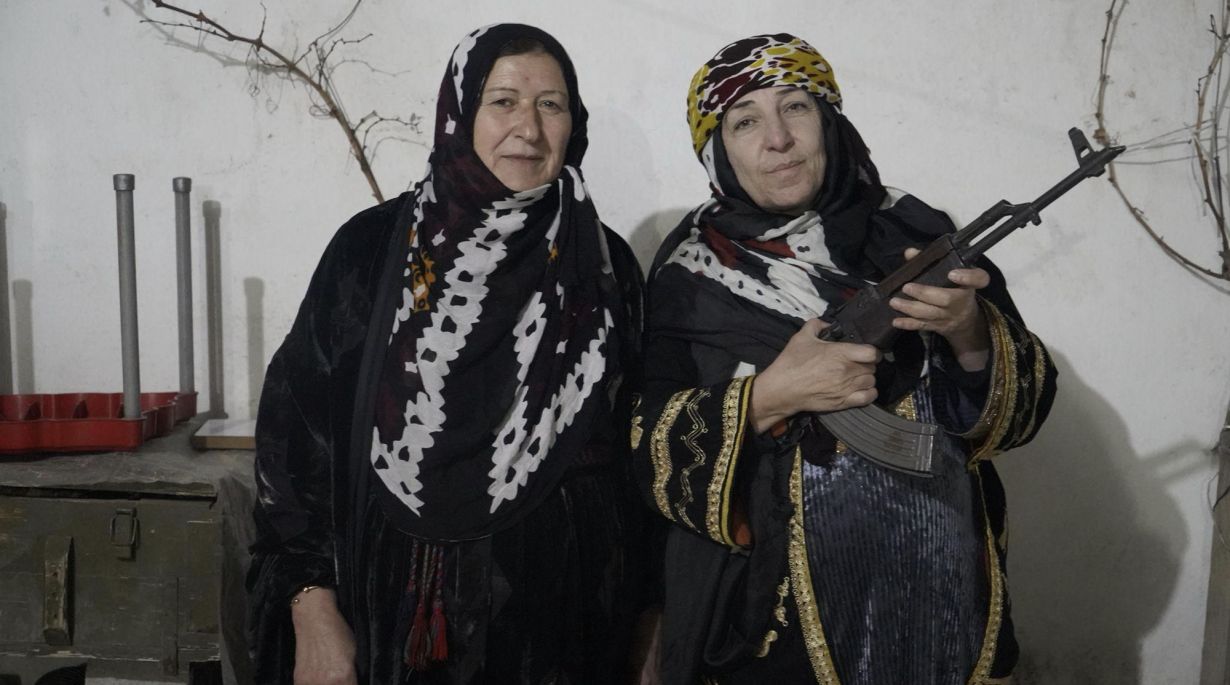
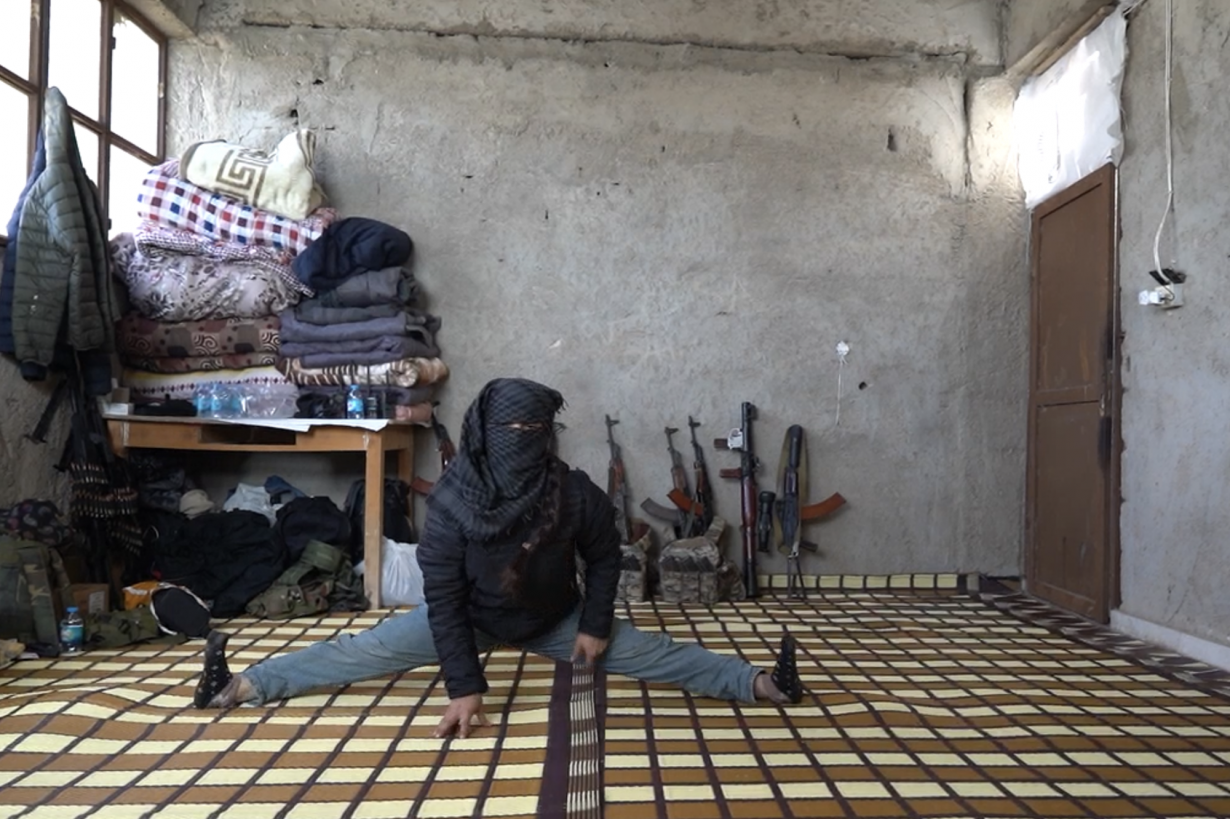
The first thing I notice in Rojava is not the sound of weapons, but their visibility. There are civilians in the streets. Women; the elderly; the young. And many of them have a weapon slung over their shoulders. These are people who had never carried a gun before in their lives. Yet here the gun is not a choice; it is a threshold.
This is expressed most clearly by Hevi, a fighter in the Women’s Protection Units (YPJ). Hevi is a Kurdish woman; the YPJ is an armed structure composed entirely of women. She speaks to me with striking clarity:
“There is an enemy at the door, and this enemy is made up of jihadists who kill in the name of God. We Kurdish women are sustaining the claim of a women’s revolution in a geography governed by sharia. We know the price of that claim is heavy. You see on social media how women’s hair is cut off, how they are beheaded, how they are taken as war spoils. For us, taking up arms is no longer a choice.”
There is no way to soften this sentence. Because the issue here is not symbolic; it is material. When the ideology on the other side treats the female body as a war trophy, women’s self-defence ceases to be a military reflex. It becomes a condition of existence.
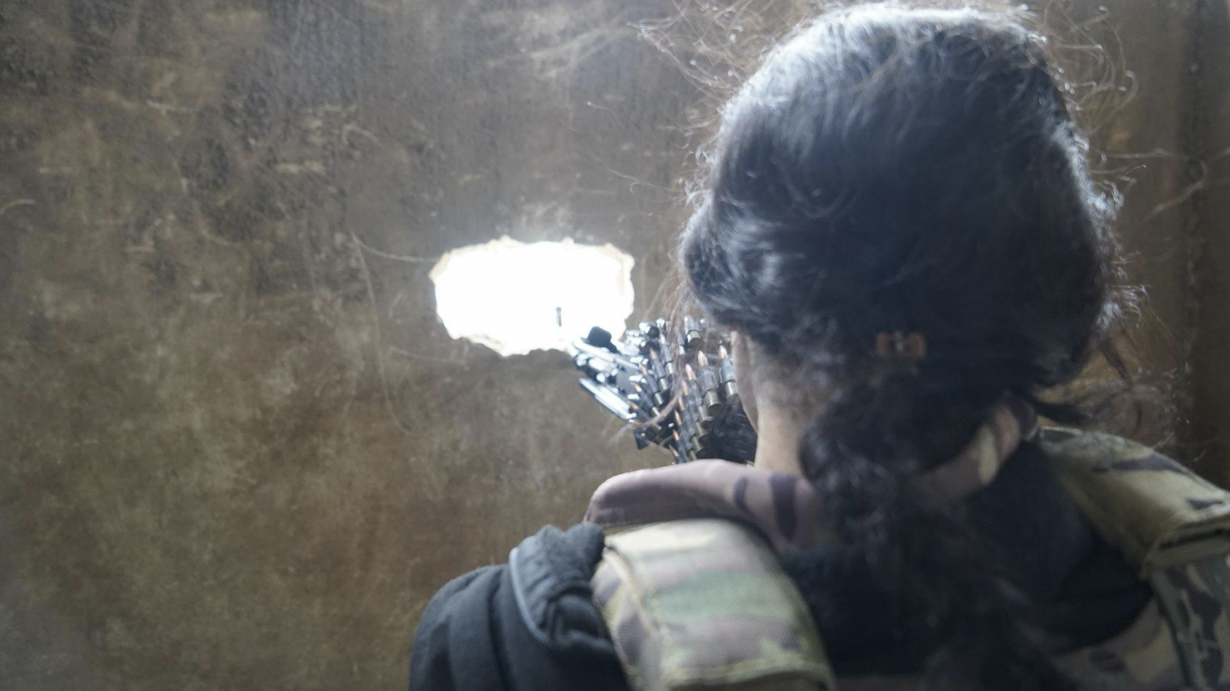
With the same clarity, Hevi describes why artistic production in Rojava remains incomplete, interrupted and wounded: “There is cultural genocide in Kurdistan. Our language, our culture, our art – everything has been systematically targeted for destruction over the past century. While trying to preserve what exists, we fall short in producing new work; this is understandable.”
“When making art, concentration has now been replaced by another kind of focus – the kind that cannot afford to lose even a second while waiting for the enemy at the door,” she says. Yet she still does not see self-defence as separate from art.
I am writing this text from Rojava. You may have seen the images circulating on social media: the lifeless body of a Kurdish woman thrown from a building, while the armed men who threw her shout victory chants. In another video, a man holds up a woman’s braided hair to the camera. The braid, whose owner is unknown, reveals less about the act of violence itself than about how violence is turned into spectacle. These images are among the reasons I came here.
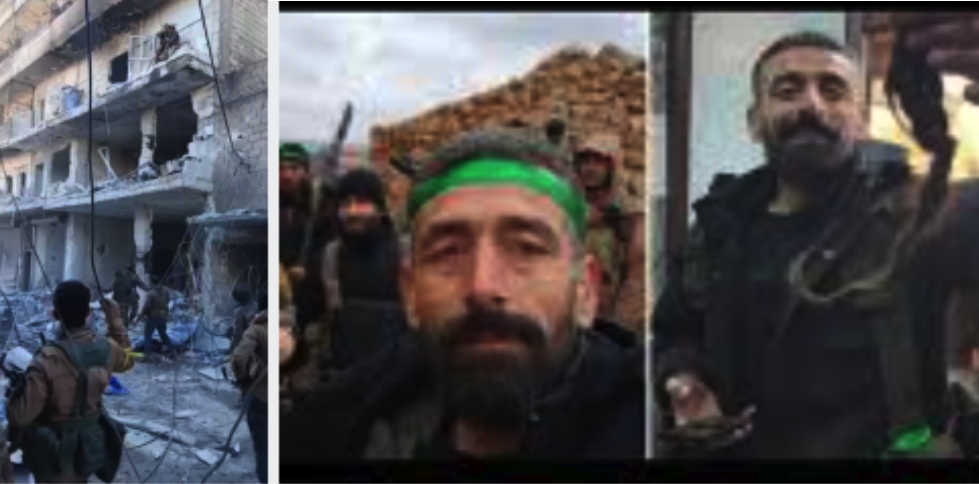
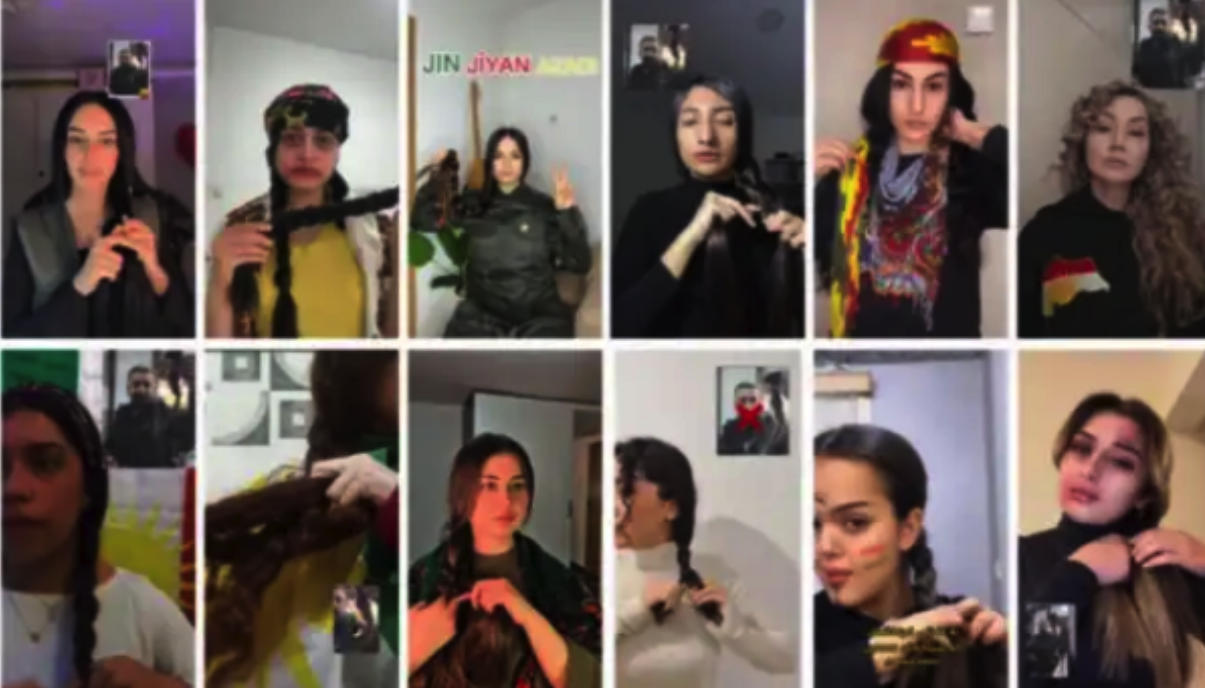
below Images of the braid-weaving actions shared on social media
The visibility of women here is a political claim. And for that reason, it is targeted. In a geography in which our identity is denied and our land occupied, Kurdish women have spent 14 years building a women’s revolution with their bare hands. The message directed at that effort is clear. My being here, alongside my fellow artists (part of a 13-member Swiss delegation arriving in the city of Qamişlo), is a response to that message. Not only to bear witness, but to stand where the line of art, culture and thought is being defended.
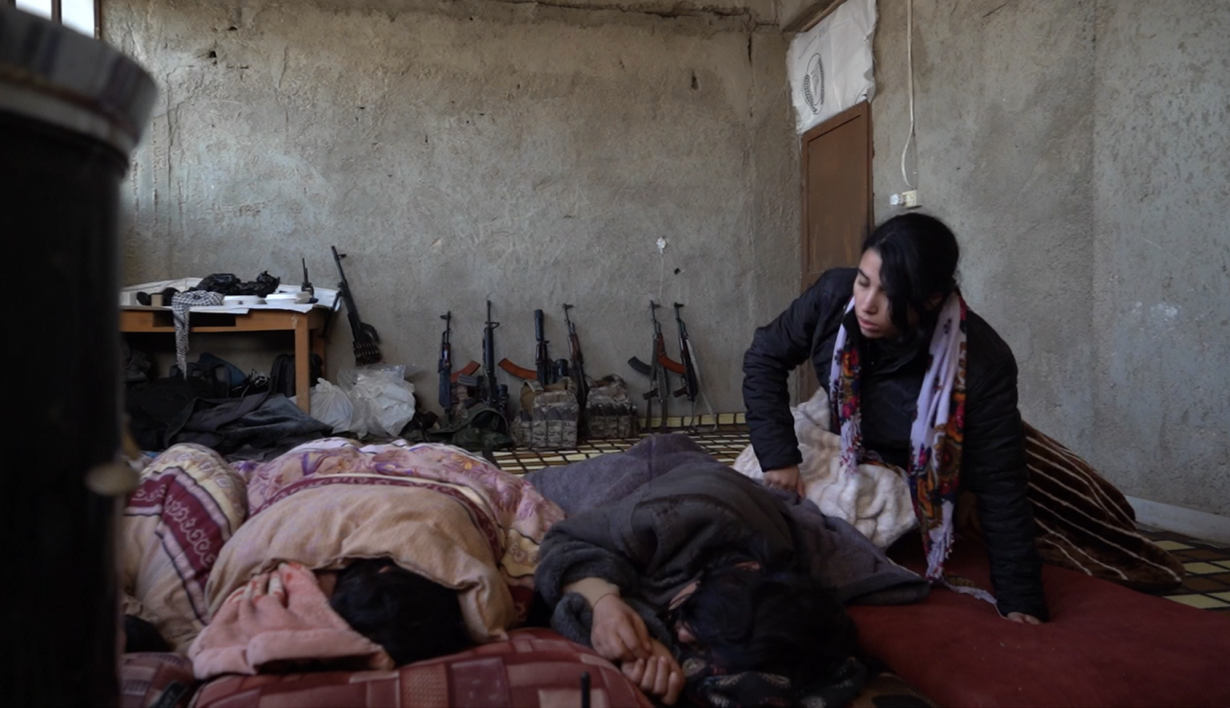
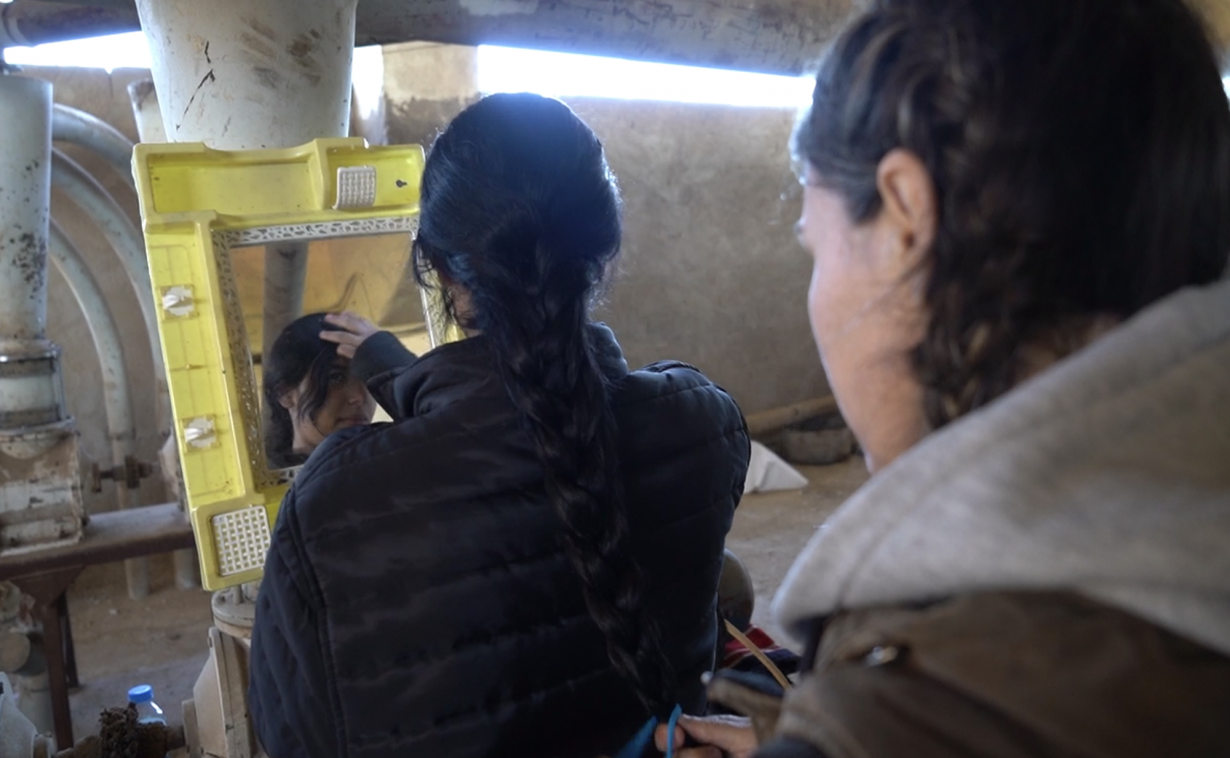
Perhaps this is also what Hevi is referring to: not that art disappears, but that its form changes. Indeed, after those images circulated online, YPJ women responded to the man who threatened them with what he claimed was the severed braid of a Kurdish woman by publishing videos of themselves braiding one another’s hair. In a very short time, the gesture spread across the world.
“To call this performance art would still be insufficient,” Hevi says, smiling.
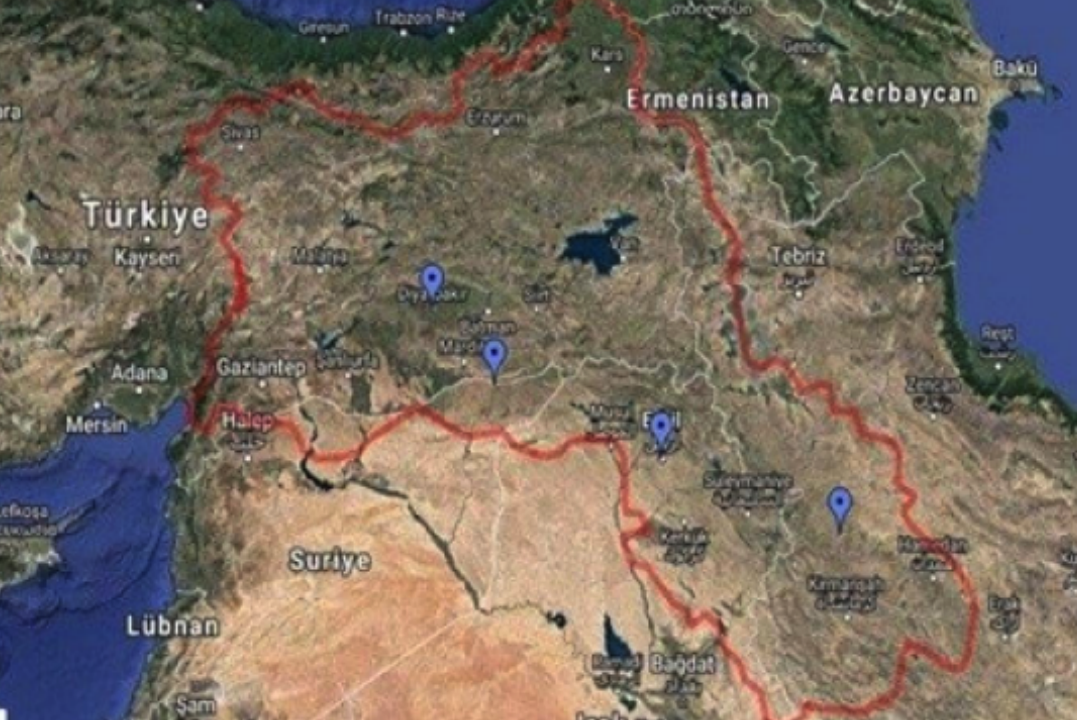
It is always difficult to explain a geography that does not officially exist on the map. Kurdistan is not a state. It is not a country gathered under a single flag or enclosed by a single border. In 1923, following the Treaty of Lausanne, the geography inhabited by the Kurds was divided into four parts: Turkey, Iraq, Iran and Syria. From that moment on, not only our lands but our identities were fragmented. We were called Turks, Arabs, Persians – but we were not any of those. Our language was banned, our culture was suppressed and for many years even speaking of our existence was treated as a crime. The right to education in our own language and the right to live according to our own culture are still not fully recognised in many places. Those who resisted were killed, imprisoned or labelled terrorists. In Turkey alone, some 10,000 political prisoners remain behind bars. The Iraqi regime systematically erased an estimated 4,000 Kurdish villages during the Anfal campaign (1986–89), in what has been widely recognised as a genocidal policy. In Turkey, particularly during the 1990s, several thousand Kurdish villages were destroyed or forcibly evacuated. Hundreds of thousands were killed in murders that remain unsolved. Those who remained were pushed into poverty and marginalisation.
Rojava is the name given to the part of this fragmented geography that lies within Syria. In Kurdish, it means ‘west’. If our geography were officially recognised, it would indeed correspond to the western part of Kurdistan. But since it is not recognised as such, on the ‘official’ Syrian map it appears as the northeast of Syria.
The Syrian civil war has now lasted for nearly 15 years. Since the uprisings that began with the Arab Spring, the state has collapsed, regimes have changed and names have shifted. Yet the masculine, occupation-driven and extractive logic of war has remained the same. The conflict gradually transformed the country into a terrain for radical groups. For these forces, which regard women as war spoils and non-Muslims as enemies, the first targets inevitably became Kurds, Druze, Shiites, Alawites, Armenians, Ezidis and Assyrians.
In 2012, Kurdish groups entered into dialogue and agreements with other minority communities and declared a system of confederal self-administration in the Kurdish region. Women became both the pioneers and the driving force of this movement. Alongside the YPG (the paramilitary wing of Syria’s Democratic Union Party) and the QSD (a military, multiethnic organisation that seeks to create a secular, democratic, federalised Syria), the YPJ was established. Within these formations, thousands of Kurdish, Armenian, Assyrian, Ezidi, Druze and Arab women now serve.
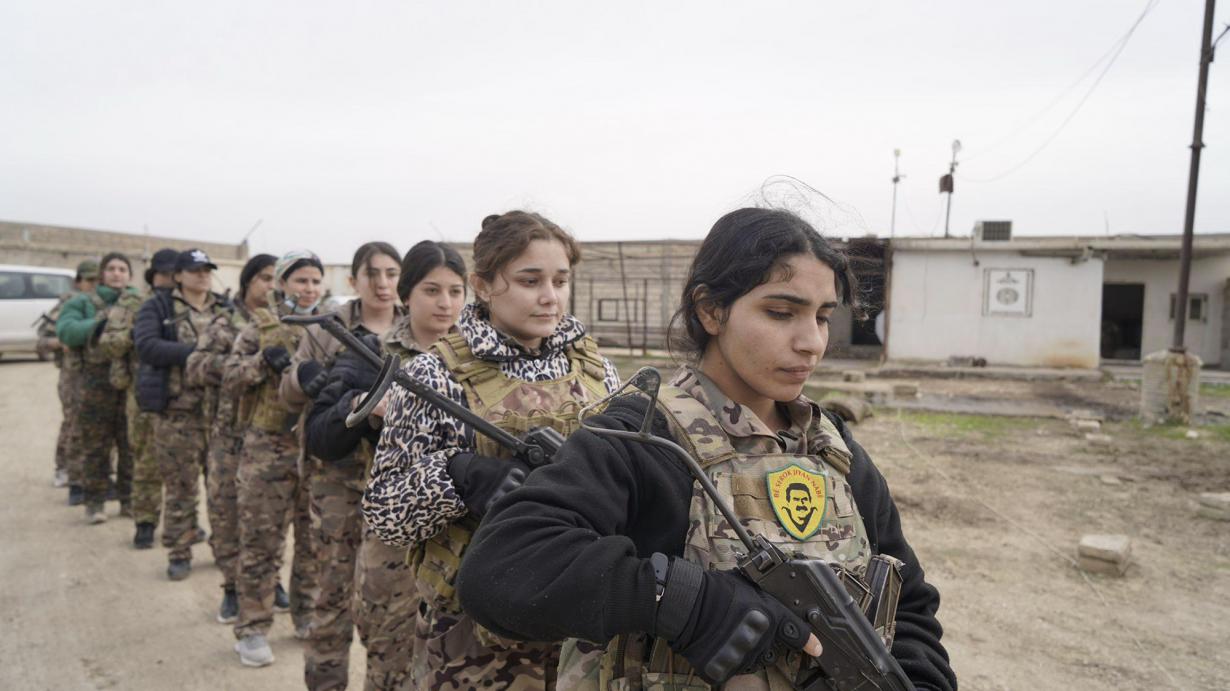
In this sense, Rojava is a women’s revolution. It carries the ambition of a democratic and ecological model of life in which all genders can live equally. Its inspiration comes from the philosophy developed by Kurdish guerrilla women during the 1990s, which has since circulated across the world as a slogan of women’s resistance: ‘Jin, Jiyan, Azadî’ – ‘Women, Life, Freedom’.
Of course, a revolution does not become real the moment it is declared. There is always a distance between the claim of a revolution and the material conditions that sustain it. Rojava’s struggle lies precisely within this distance. Here, the Kurdish struggle for existence is not only a struggle for identity; it is also an attempt to build a multicultural political model in which different peoples and beliefs can determine their own futures. This claim collides simultaneously with the logic of the nation-state and with jihadist ideology.
Since 2012, Rojava has been under continuous attack from different jihadist armed groups. Today one of the figures confronting it in the political sphere is the current president of Syria, Ahmed al-Sharaa, whose past traces back to the Al-Qaeda-linked Al-Nusra formation. Names may change and rhetoric may soften, but memory here does not disappear so easily. Since January, Kurdish settlements have faced heavy attacks. Although the situation appears momentarily calmer, the crisis has not ended. The city of Kobani, with a population of nearly 400,000, remains under siege. Reports speak of children dying from cold and hunger, and United Nations reports warn of a severe humanitarian crisis.
Al-Sharaa has openly stated that the women-led, council-based political model of Rojava will not be allowed to expand across Syria. What is happening here, therefore, is not simply a territorial dispute; it is the collision of two different political imaginaries.
Agreements may be signed on paper. But tribal structures, armed factions, cultures of plunder, misogyny and sectarian violence do not read paper. Druze, Ezidi, Shiites, Alawites and Kurds have been the victims of severe massacres in recent years, especially in the past 12 months. Many people are missing. Many women are reported to have been taken as war spoils. Of the 5,000 Kurdish Ezidi women abducted by ISIS in 2014 and sold in slave markets in Syria, 3,000 are still missing. Here, disappearance is not a statistic; it is the empty chair inside a home.
Modern art often operates within the space of secured perception: sterile spaces, controlled lighting, manageable risks. In the precarious spaces of Rojava, speaking about art might appear to some to be a luxury. But the opposite is true. Culture and art form the last line of defence. In Rojava, art is not an aesthetic representation; it is a mode of production attached to the existential ground of resistance.
For that reason, I have to return to my own story.
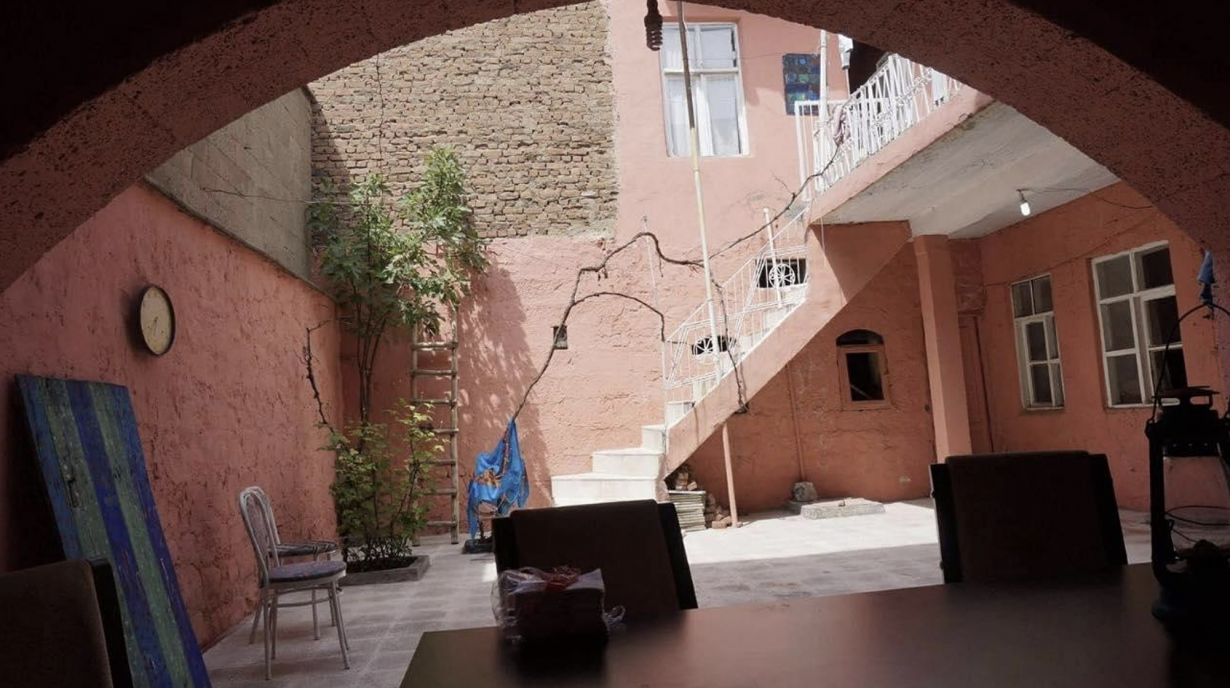
Back in that old stone house in Diyarbakır, the upper floor held the bedrooms, the ground floor was our studio. Artists from different disciplines produced work in the same space. Most of my housemates were from Rojava. They had crossed into Turkey to escape the Syrian regime’s compulsory military service and the civil war. In that sense, our house was not only an art house but also, in a way, a temporary ‘refugee camp’. Many people who crossed clandestinely from Rojava into Turkey on their way to Europe would stay with us for a while. They were relatives of my artist friends. With its constantly changing guests, the house functioned in a state of circulation. It was not simply a place to live; it was a continuity of collective thinking, a small model of the public sphere.
In 2015, when clashes between Turkish state forces and armed Kurdish youth spread into city centres, our lives were turned upside down. Hundreds of thousands of people were forced to leave their homes. Thousands were killed. Entire neighbourhoods were bombed and erased from the map. Our house was in one of those neighbourhoods. The building itself survived, but the lives inside it were shattered. I was arrested for painting the destroyed city. When I was released from prison three years later, I found myself alone in the empty studio of our house. Some of my friends had left for Europe. Others had moved to Kurdish cities in Syria or Iraq. Their paintings and sculptures remained behind.
Soon after, I too had to leave for Europe. But I continued to trace the paths of my friends. I found some of them in Southern Kurdistan. One of them was the writer Nagihan Akarsel. With her idea, in the city of Sulaymaniyah, within the Jineology Women’s Research Academy, we founded a library for Kurdish women artists and writers and established the Kurdish women artists’ collective Xwebûn (‘to be oneself’). It was an attempt by us, as artists, to come together again. But not long after our first exhibition, Nagihan was assassinated in the street, shot with 11 bullets by a man linked to Turkish state intelligence.
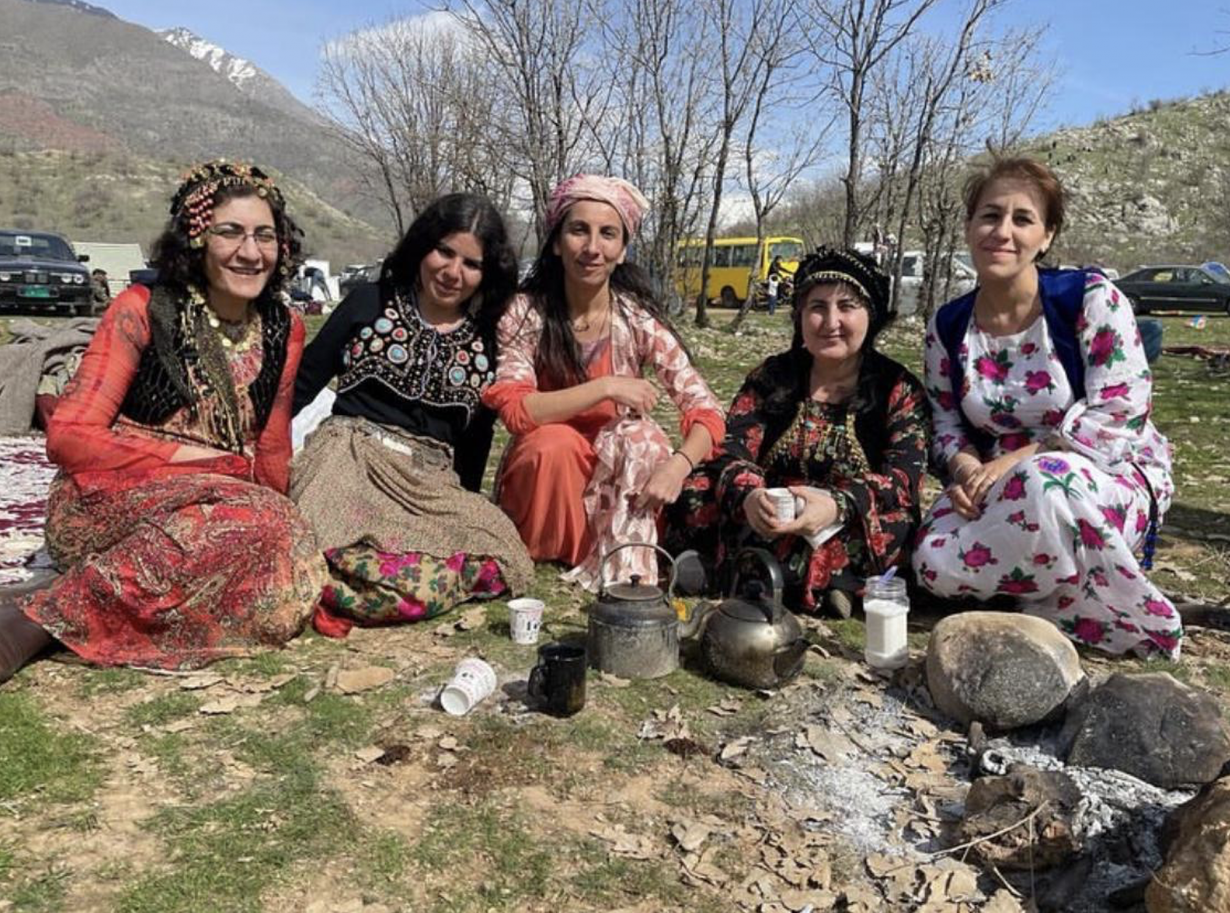
After Nagihan was killed, the door of our house was sealed and the building of the women’s library was confiscated – though later we reopened the library in another building. This was not simply the closing of an apartment; it suspended a space of collective thinking. A public space was transformed overnight into an administrative object.
After that I tried to cross into Rojava. I wanted to reach my artist friends there. But at the border gate, the answer remained the same for years: entry denied. The official reason was security. The actual reason was probability: the ‘possibility of becoming a guerrilla’. The restriction was based not on an action but on an assumption. An act that had never occurred functioned as if it were already a crime. The border operated less like a passport checkpoint than like a machine of probabilities. It did not look at who I was, but at who I might become. Being Kurdish itself meant that crime was written onto my body.
Now I am here. I can only enter during a period of intense fighting, when control has effectively loosened. This is not a story of heroism; it is about the ability to pass through a gap.
In 2015, when the internal conflict in Turkey began, I left home to work as a war correspondent and never returned. Eleven years later, I reunited with my artist friend Dilo. When I finally embraced Dilo after years of trying different ways to find our way back to each other – I felt a strange numbness in my body. I couldn’t truly cry. I wasn’t even fully happy. It was a moment of shock; a kind of emotional suspension.
I had lived with Dilo, his brother Lat, his younger brother Diyar and their cousins Hoshin Issa, Kenan Colemergi and Eren Karakuş in our house in Diyarbakır. When the war intensified in Rojava, Dilo, Lat and Hoshin had crossed to the Turkish side because it seemed safer. We were making art, living art.
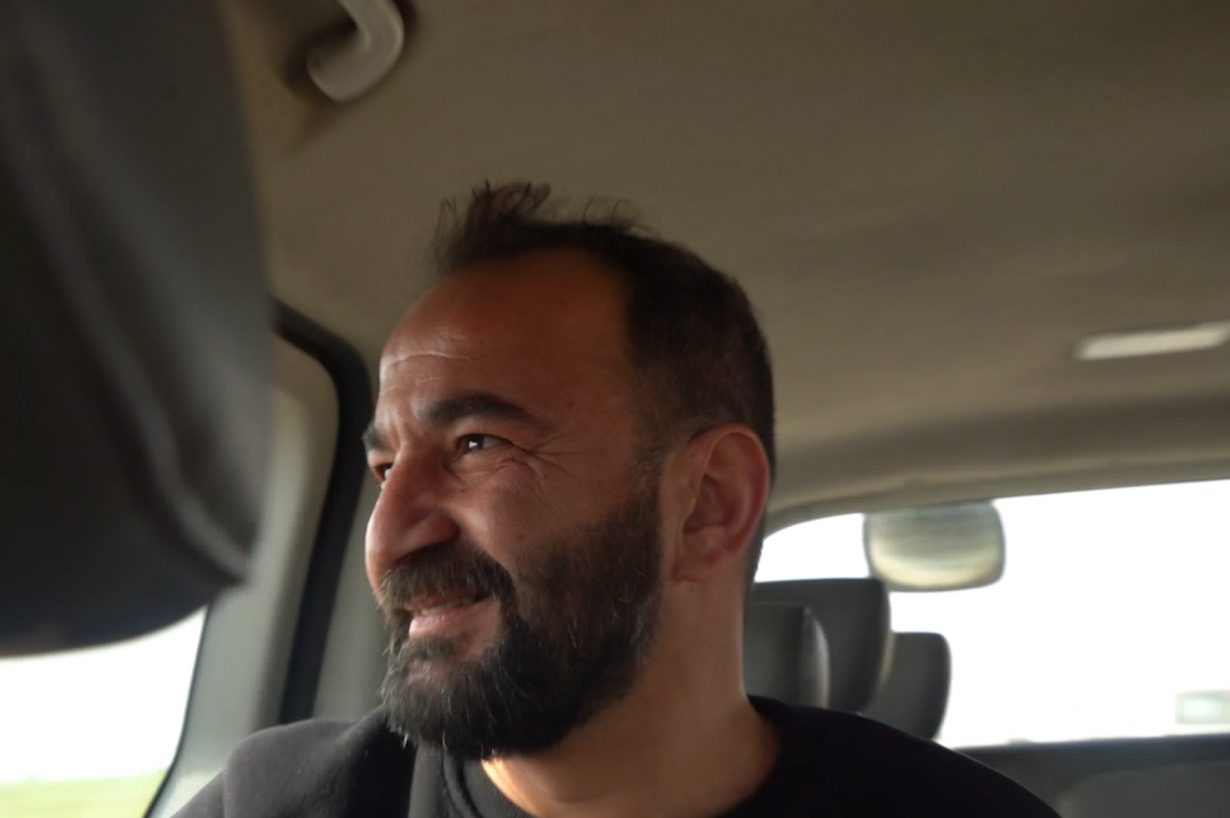
Then the conditions reversed. Lat and Hoshin moved on to Europe. Dilo and Diyar returned to Rojava. In 2018, when Turkish airstrikes began again, Dilo tried to cross into Europe. He was caught by Turkish soldiers and spent a year in prison. Afterwards, he was deported back to Rojava.
I ask him about his paintings. At every stop along the way he had to leave them behind. Carrying them physically was impossible. Now he can only show me photographs. This loss is not merely material; it is the loss of continuity. When the artist’s body itself is rendered illegitimate, the permanence of their work is suspended as well.
We step outside. Qamişlo has changed. It was not like this when I came here years ago. Now fires burn at every corner. Women, young people, the elderly stand on watch.
“They are attacking from everywhere,” Dilo says. “No one sleeps.”
The fact that people who had never held a weapon in their lives have, over the years, come to accept being armed as part of the ordinary flow of life confronts me with a stark and undeniable reality.
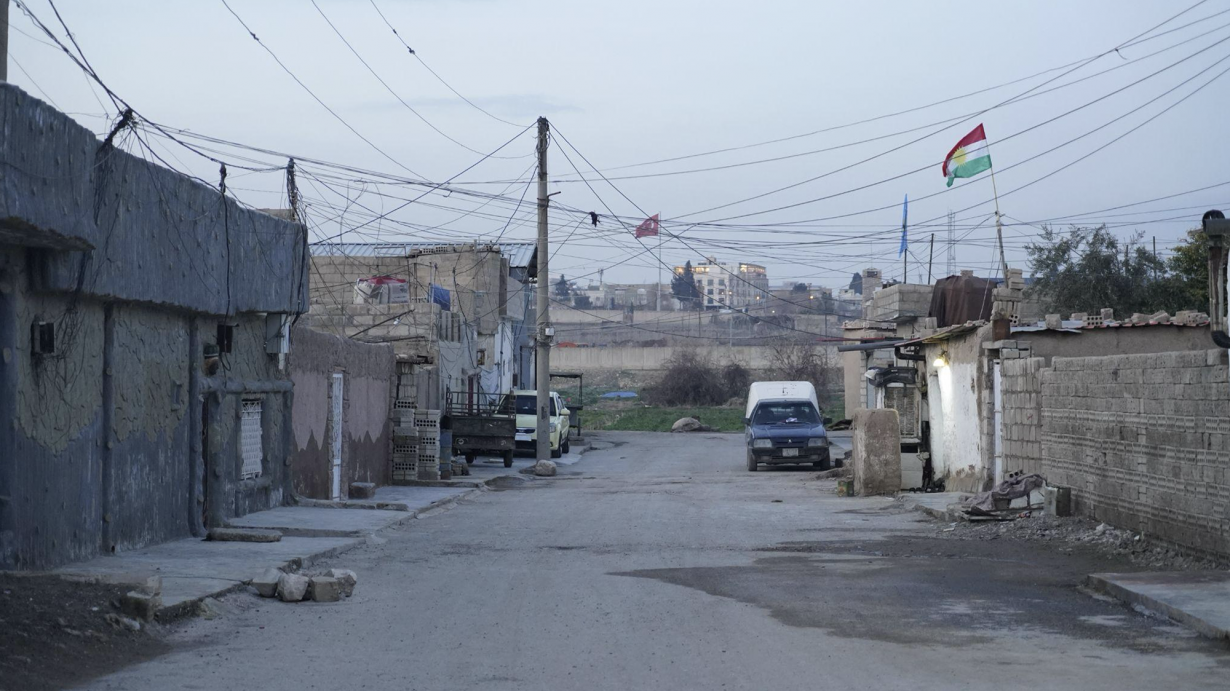
Qamişlo is the other half of Nusaybin. This is not an emotional statement but a historical one. A city divided 100 years ago by wire and mines. One side is Nusaybin in Turkey; on the other is Qamişlo in Syria. Today, on the Turkish side, a concrete wall stretches for kilometres.
Ten years ago, I witnessed neighbourhoods in Nusaybin erased from the map. I drew that destruction. For those drawings I was imprisoned. The image was dangerous because it called memory back to a place that the state demanded people forget.
Now I look across from Qamişlo. The city has been rebuilt, but it is not the city I once knew. It is possible to feel relief at reconstruction and grief for loss at the same time. This is the ordinary emotion of a divided geography: to exist and to diminish simultaneously. The border does not only divide space; it interrupts continuity. But it cannot erase memory. Ten years ago I stood on the other side of the border in my own city, yet it felt like another country. Now I stand inside another country, yet still inside the same city. The names of states may change, but the landscape and logic of war remain strikingly similar.
We go to see my friend Şero Hınde. When he sees me, he is surprised. “What are you doing here?” he laughs. We look at each other and burst into laughter. Artists from Hunergeha Welat are filming the fighter Xalıt on a street corner.
“We are shooting a music video to lift people’s morale,” Şero says.
The camera is rolling. On the same street there are also weapons. Culture has not been suspended; it stands side by side with defence. The scene is not theatrical. Those appearing in the clip are truly both fighters and artists. When the recording ends, they remain there with their weapons.
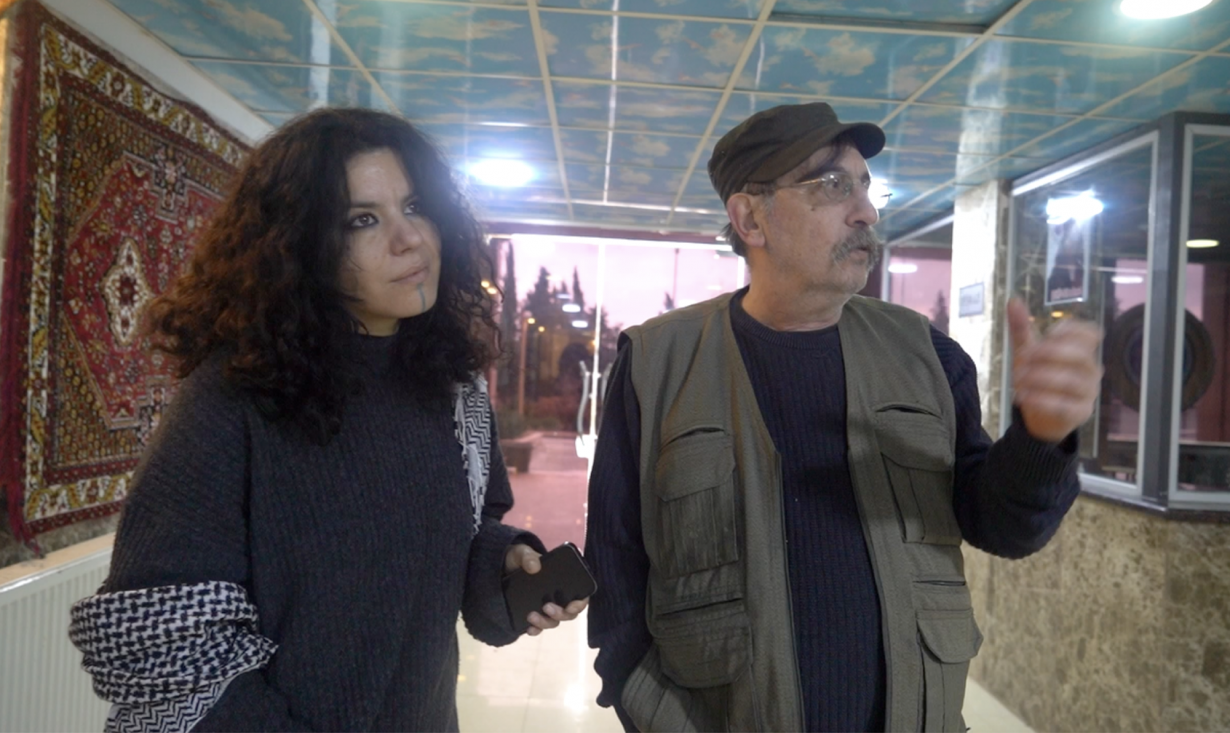
We go to visit the Art Academy. The screenwriter and artist Önder Çakar, who I have not seen for years, welcomes us. We spend two days together inside the empty building. He tells us that the academy has been deserted for nearly a month: all the art students have gone to the front lines, standing guard with weapons in case of an attack.
“In Rojava, art and self-defence do not exclude one another,” Önder says. “They emerge from the same ground.”
Years ago, when we spoke about art in our studio in Diyarbakır, the war concerned us, but it still existed at a distance. Then that distance slowly closed. In recent years, it has become part of the texture of everyday life. Dilo’s lost paintings, the house in Sur that fell apart and the armed artists here all lead to the same question: how can continuity be sustained?
The relationship Adorno described between art and catastrophe is not abstract here. Because the catastrophe has not ended, art does not belong to an ‘after’. In a geography in which continuity is constantly interrupted, art is not representation. It is persistence.
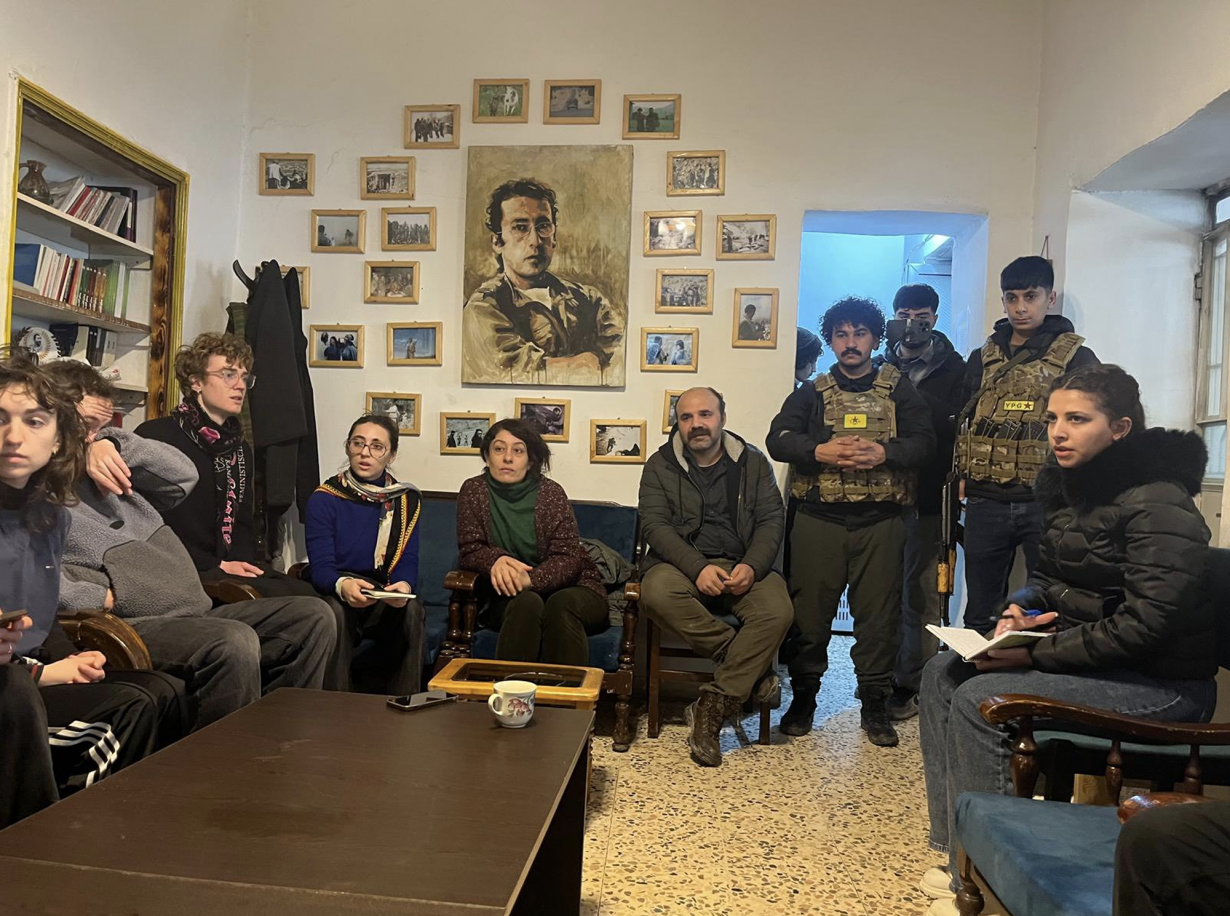
We go to the Rojava Film Commune. Artists greet us in front of the building wearing ammunition vests and carrying weapons. They are guarding the cultural centre. Suddenly I see my friend, the artist Dijle Arjîn, whom I have not seen since 2015. Since then I have followed her work from afar. She later played the leading role in the film Kobane (2022). Now she criticises the silence of many artists around the world.
“In terms of artistic production, we are the ones who inspire,” she says. “And in terms of resistance, it is we who have taught courage and the method of resistance with the words ‘Women, Life, Freedom’.”
But at the moment, the work in the commune has stopped. The art building has effectively turned into an important front line.
“To produce, you first have to stay alive,” they say.
Then I ask about Diyar. Dilo tells me his brother is on an actual battlefront. The next day we hire a car. After a five-hour journey, we arrive at one of the hottest front lines, where trenches and pits have been dug and defensive positions established. When we raise our heads, we can see the other side.
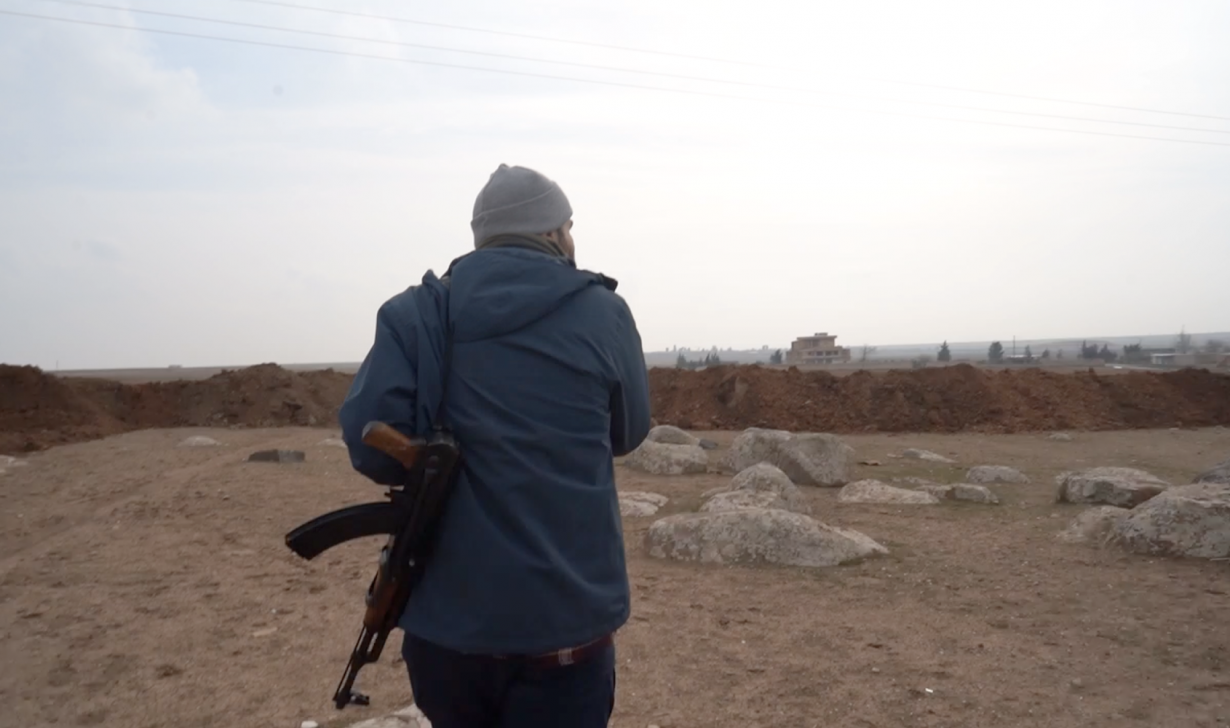
“A moment of distraction can turn into the line between life and death,” Diyar says. This is the mathematics of survival.
Diyar’s father, Mehemmed Eli Hesso, was an important Kurdish poet who endured prison and torture and whose books were banned. While in prison, he wrote a poem to his unborn daughter Nalîn. Years later the poem became a song. Nalîn was born, grew up, became a revolutionary and was later killed in a clash. Now their mother sits beneath Nalîn’s photograph, waiting for news from the front where her son stands.
Diyar was always known to be gentle and kind. Even his mother cannot quite believe that he has been forced to fight at the front. Yet Diyar does not see the tension between taking up arms and making art as a contradiction. He sees it as a space for thought.
“Art and revolution are not separate,” he says. “Revolution gives you a perspective. It gives you the courage to become yourself.”
“War is crude and ugly,” he continues, “but resistance is a delicate act, and that is very artistic. To resist is an artistic struggle.”
I ask him whether, after such heavy attacks, he still believes in better days.
“My belief has grown,” he answers without hesitation. He says the scale of the attacks has been almost unimaginable, yet precisely for that reason his sense of hope has deepened. He describes hope not as passive waiting, but as a form of production.
“Not only with weapons,” he says. “With thought, with creation.” Then he adds: “The weapon in our hands may come from the same factory as theirs. Theirs explodes to attack, plunder and destroy our land. Ours fires to resist that.”
Perhaps the real question begins here: who put these weapons into our hands? Who made us enemies to the point of killing one another?
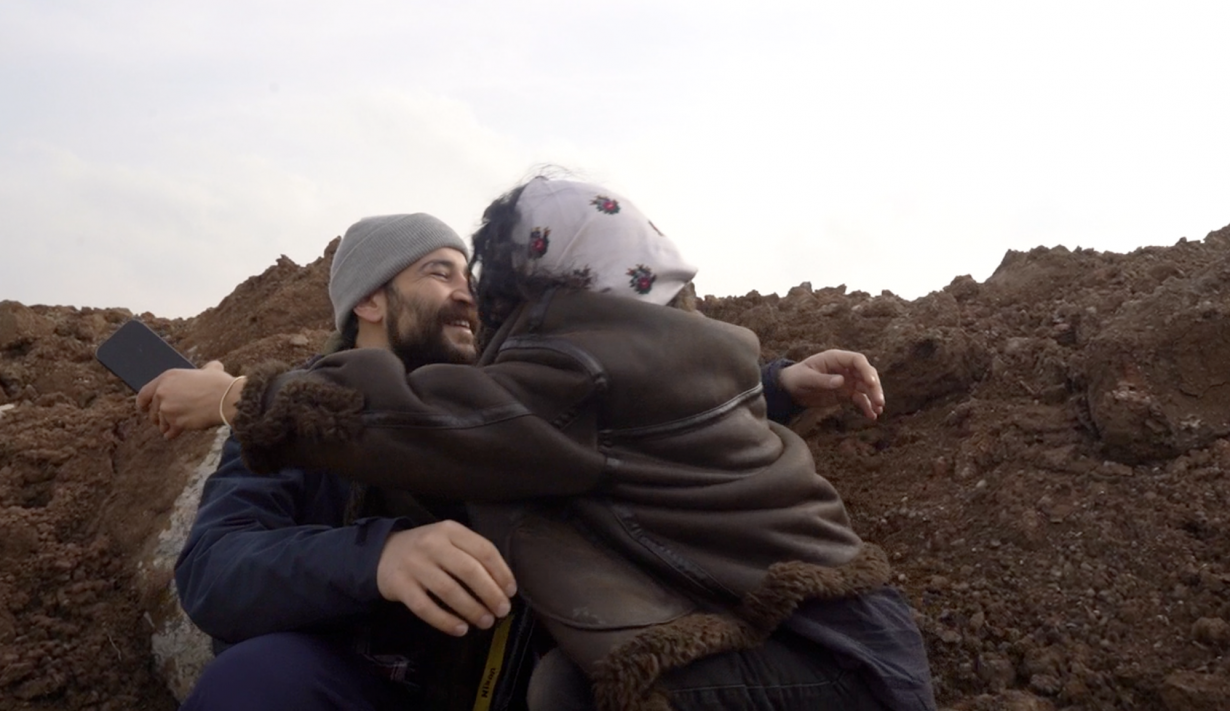
As I leave the front, neither of us wants to imagine the possibility that we might never see each other again. We embrace with a quiet smile. With every step I take, the distance between us grows, while Diyar remains standing in the same place. The distance between him and the enemy he faces does not change, but I move farther and farther away from him.
For Diyar and me to be as close as we once were would mean that the 800 metres between him and the opposing line had increased. The thought that this distance might shrink instead wounds my heart.
On one side there is an ideology that sanctifies destruction. On the other, a society trying to defend its right to exist.
The effort of a people to preserve their existence is also the effort to preserve their culture and imagination. That is why in Rojava art means less representation than resistance.
When I began writing this text, the clashes in Rojava were already intense. Before I could even finish it, the United States bombed Iran. On the Iranian side, too, there is a part of Kurdistan. Between seven and 15 million Kurds are estimated to live in Iran, and they have struggled to exist for more than a century. In recent years, Kurdish women have been at the forefront of the women’s resistance in Iran, because the killing of a Kurdish woman – Jina Mahsa Amini – in 2022 led to demonstrations that began in Kurdish regions and then spread across the country.
After the American bombardment, the Iranian regime fears above all that Kurds might side with the United States or Israel and seize the moment to fight. For that reason, even before anything has happened, Iranian missiles are striking Kurdish regions. As I write these lines, a missile fired from Iran has fallen in the city of Qamişlo in Rojava. Yet again we are the ones whose identity is denied, only to be simultaneously recognised as a potential enemy.
While this geography is bombed by hegemonic states as if they were playing a videogame, and while the peoples on the ground are turned against each other to serve different interests, while everything around us becomes a sea of blood, protecting beauty against ugliness is already a form of art.
Here, weapons and art converge on the same question:
What do a people defend before they are erased?
First their existence.
Then their freedom.
And if it is still possible, their right to imagine.
Zehra Doğan is a Kurdish artist and journalist from Diyarbakır, Turkey