Our editors choose the moments to mark in your calendars this year. Featuring exhibitions and biennials from around the world, this page will be updated throughout the year as more are announced
London
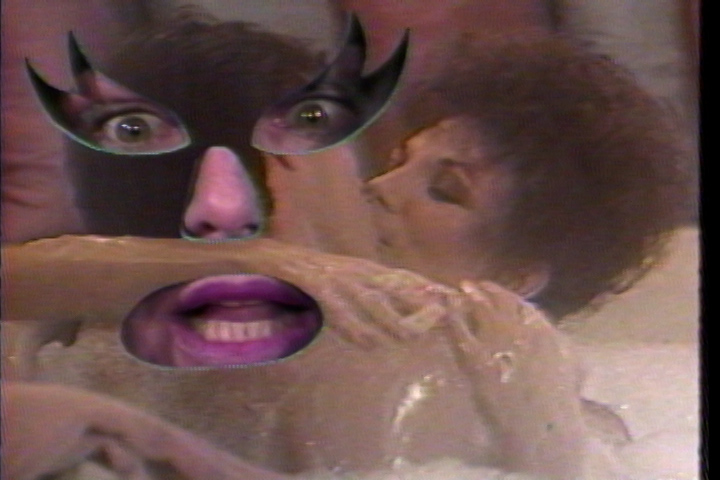
It’s 8:30, do you know where your brains are? This riff on the classic fear-mongering PSA is the opening statement of every Paper Tiger Television (PTTV) broadcast. It’s also the title of an upcoming exhibition at Goldsmiths CCA that will present PTTV’s work in the UK for the first time. Formed in the early eighties by artists, activists and scholars, PTTV was an American video collective that aimed to increase media literacy via regular programming on public-access channels. The exhibition will showcase around 40 videos made by the collective whose portfolio includes crafty documentaries and broadcasts of articles read by popular figures, including Noam Chomsky reading from The New York Times, Martha Rosler reading from Vogue and Donna Haraway reading from National Geographic. PTTV’s work explores the links between media, the framing of domestic threats such as drugs and terrorism, and the kind of power the former has on the reception of the latter. I think we’re all due a refresher. Mia Stern
Goldsmiths CCA, 30 January–19 April
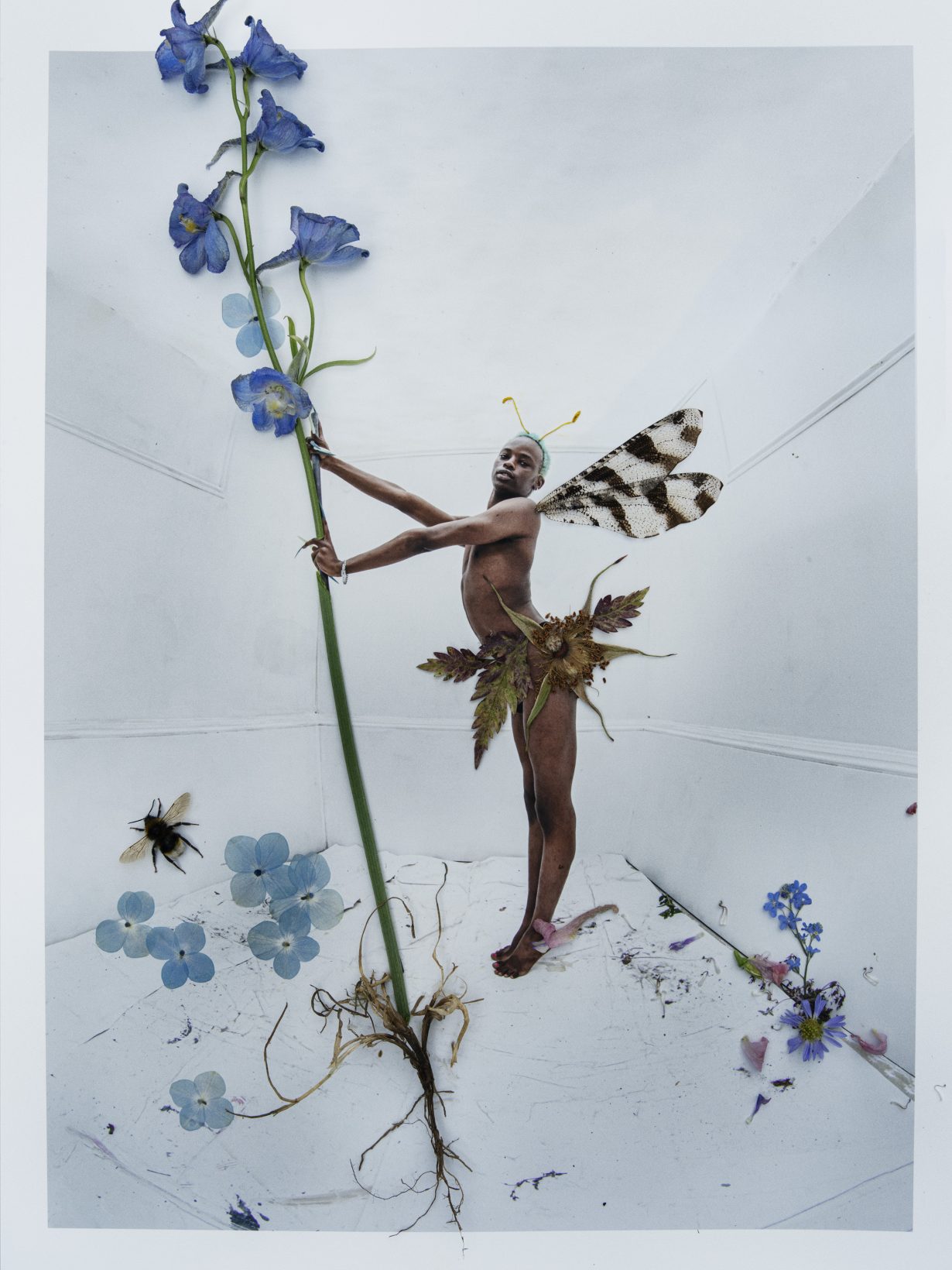
Known for his surrealist imagery influenced by characters and stories from literature, folklore and fairytale, Tim Walker’s work has always presented versions of the world as it might be envisioned by a child who has not yet forgotten how to see magic in ordinary things. But for all the familiarity of his work within the realm of fashion photography, Walker’s visual language still resists easy summary. But this Peter Pan’s use of theatrical artifice is not simply for spectacle, but a means of disrupting conventional portraiture and inviting viewers into a fully imagined fantasy world. In Fairyland, opening this October at the National Portrait Gallery, Walker puts the fashion in the background and instead turns his focus more fully to presenting portraits of queer lives – not as a means of monumentalising figures from the community, but to hold them in states of becoming. The exhibition brings together portraits, developed over five years, of activists, artists, performers and writers whose influence circulates as much through intimacy and community-building as through public recognition. While visitors can expect to spot some famous faces, Fairyland’s focus is on forms of queer visibility and expression – offering ‘a place where everyone has the freedom to be themselves’. Fi Churchman
National Portrait Gallery, 8 October–31 January 2027
Seoul
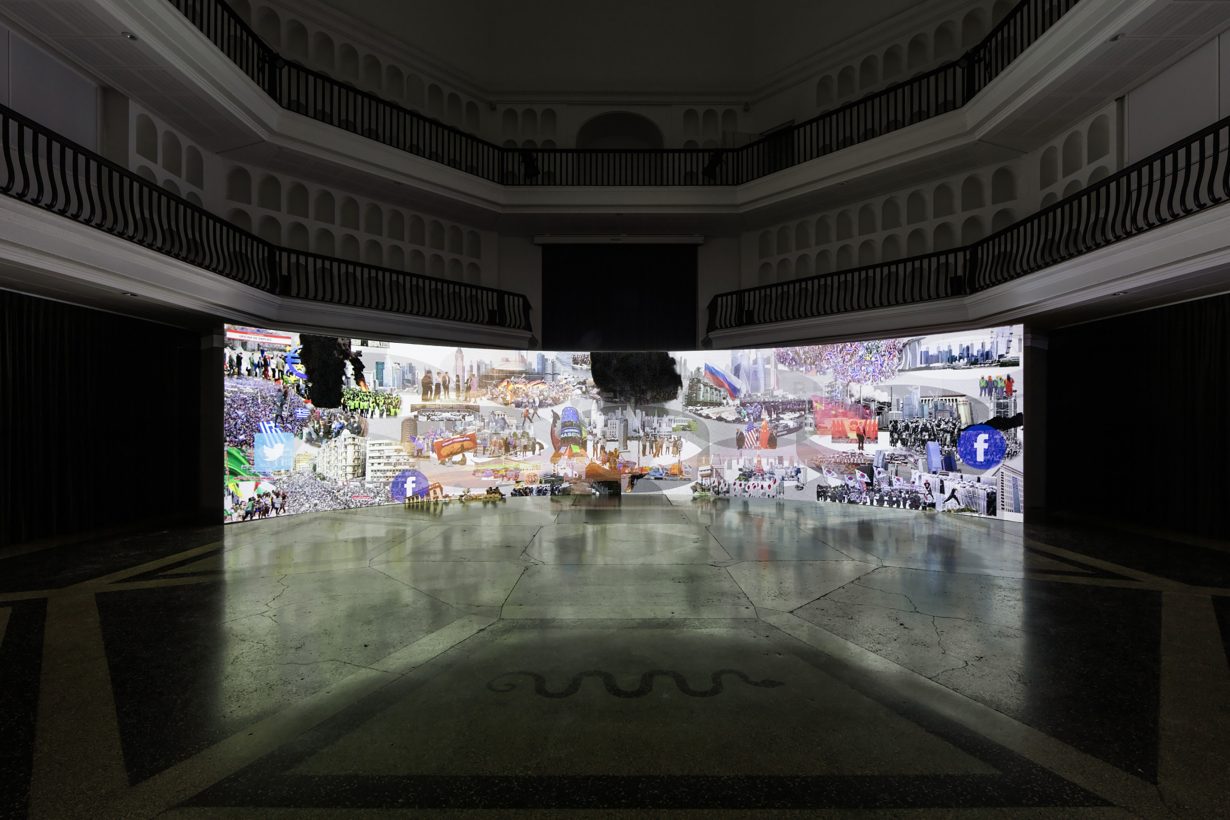
Spectrosynthesis Seoul
With previous iterations travelling from Taipei’s Museum of Contemporary Art in 2017 to Bangkok and Hong Kong, launched by the longtime supporter of Asian LGBTQ+ arts and artists Sunpride Foundation, Spectrosynthesis will land in Seoul with a focus on the country’s own ‘queer temporality and spatiality’ and more specifically the capital city’s ‘gaybourhoods’ such as Ikseon, Nakwon and Itaewon. On view will be some 70 artists and teams, including some of the country’s best-knowns such as Kang Seung Lee, Ayoung Kim and siren eun young jung, the latter of whom has based their long-term research on the mid-century yeoseong gukgeuk theatre, in which women actors perform and rehearse masculinity (Yeoseong Gukgeuk Project, 2008–16). The events arrives amid the backdrop of a gender war brooding in the country’s public and private spheres – a growing tension which, according to co-curator Sunjung Kim, requires participating artists to ‘move beyond the male-female binary’. Yuwen Jiang
Art Sonje Center, Seoul, 20 March–28 June
Milan
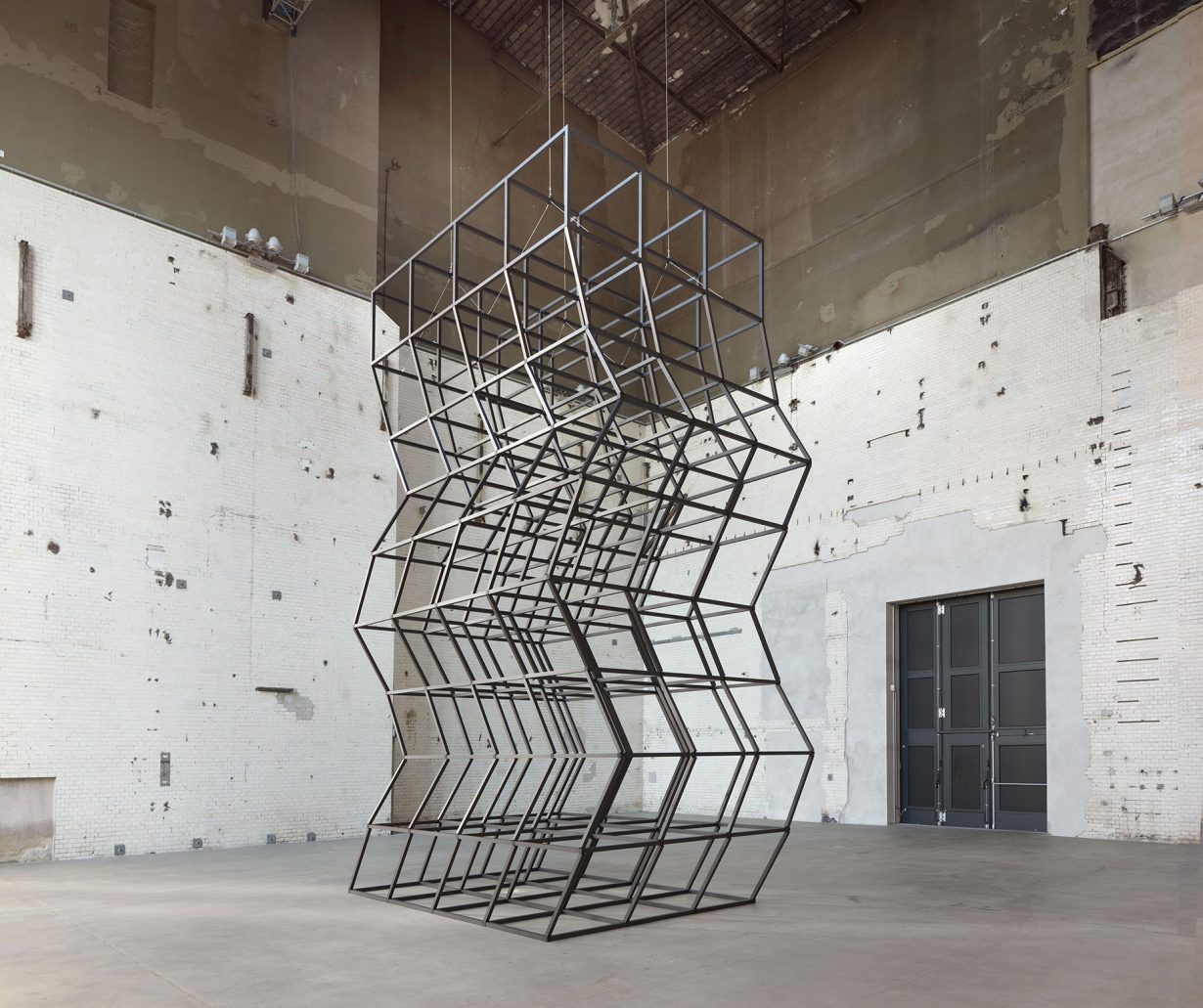
Mona Hatoum: Over, under and in between
Mona Hatoum has a knack for putting the viewer on edge. She can do it straightforwardly so, like in her earlier works that feature her body in various states of bloodied disarray such as The Negotiating Table (1982), Under Siege (1982) and the endoscopic Corps Étranger (1994). And more subtly, too, like in her later pieces that give minimalist structures a threatening twist. Building on the latter, Over, under and in between at the Fondazione Prada’s Cisterna building will present three of the artist’s installations that rework motifs of the map and the grid. Featuring a scaffold-like structure that wobbles and contracts before returning to an upright posture (all of a quiver, 2022), a Gall-Peters projection map made of loose glass beads (Map, 2015) and an enticing dew-dropped spiderweb with the allure of a net-trap, the exhibition will broach the subjects of networks of power, the negotiation of space and the instability of (socio-political) structures. Mia Stern
Prada Foundation, 29 January–9 November
New York
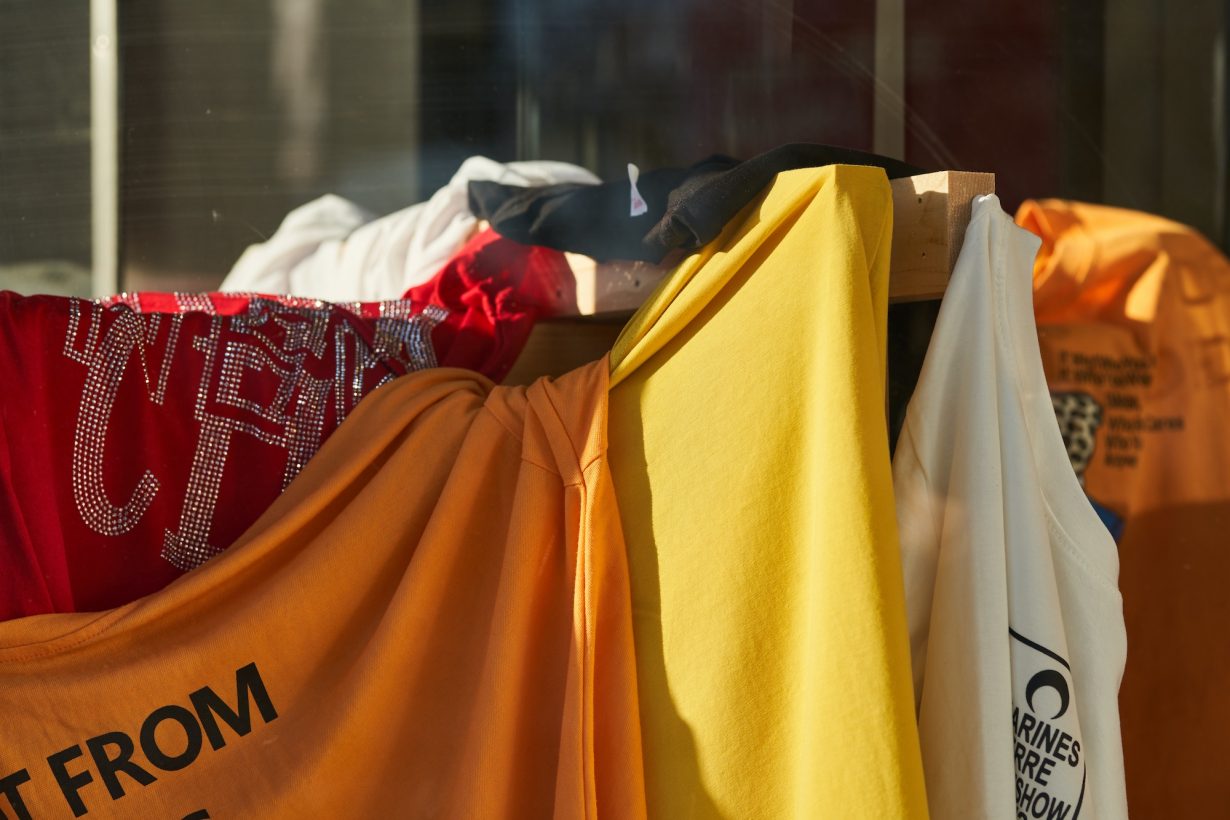
The Endless Garment: Atlantic Basin
‘Imagine (if possible),’ Roland Barthes wrote in 1967, ‘a woman dressed in an endless garment, one that is woven of everything the magazine of Fashion says.’ This hypothetical text, as boundless as it is cacophonous, provides a conceptual anchor for Shanzhai Lyric (Ming Lin and Alex Tatarsky)’s ‘poetic research’ project, Endless Garment (2015–), in which the duo collects, archives and displays counterfeit T-shirts bearing miswritten English phrases. The project lends its name to an intimate group exhibition of works that examine Asian fashion production. Opening on the upper floors of Pioneer Works in January, this exhibition presents an updated iteration of the original show, which was presented at Beijing’s X Museum in 2021. If fashion is discourse, then this exhibition featuring Shanzhai Lyric, artists Serena Chang, Huang Po-Chih and Chang Yuchen, and the collective CFGNY (Daniel Chew, Ten Izu, Kirsten Kilponen and Tin Nguyen) is poised to be a chatty affair – one that, importantly, foregrounds the labour and ingenuity of garment workers, immigrants, young entrepreneurs and diasporic designers past and present. Jenny Wu
Pioneer Works, 29 January–12 April
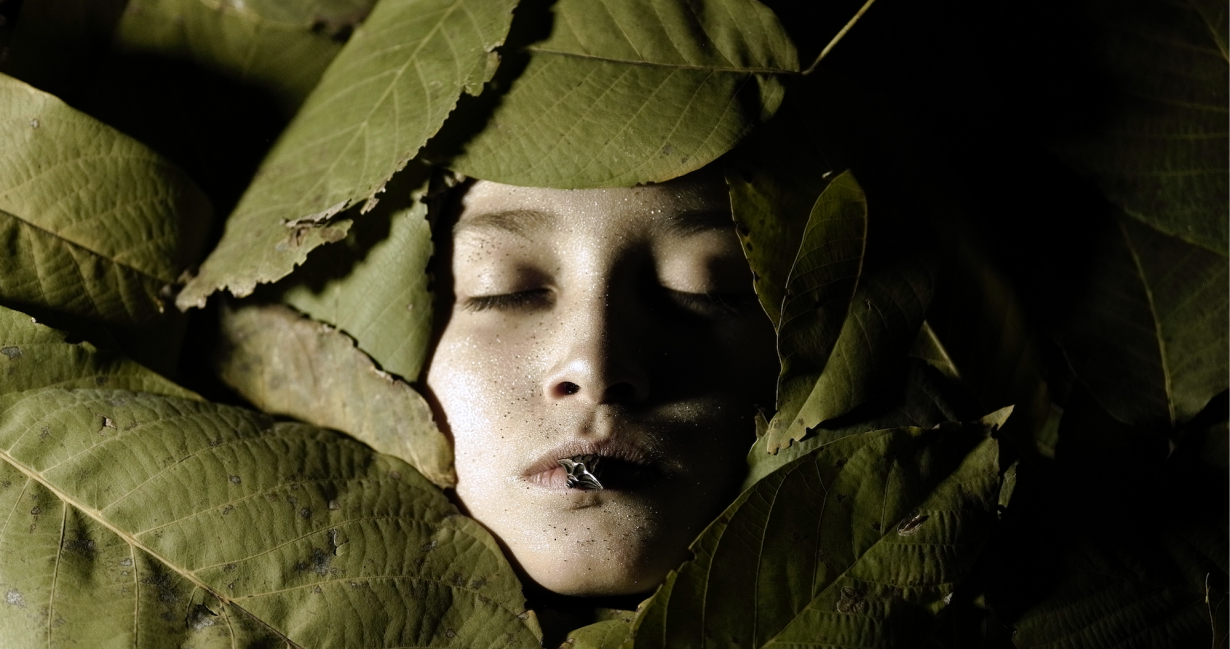
Saodat Ismailova: Amanat
In Saodat Ismailova’s new film Amanat (2026), commissioned by Swiss Institute and screening there as part of the Uzbek artist’s first US solo presentation, figures can be seen dozing on a forest floor, at the bases of gnarly trees, cushioned on beds of fallen leaves or leaning against ancient boulders. They are in Arslanbob, a region of present-day Kyrgyzstan known for producing over 1,000 tonnes of walnuts per year, as well as for being a site of ongoing tension between the country’s Kyrgyz majority and Uzbek minority. The Arslanbob forest has been the muse of several of Ismailova’s past works, including a film shown at Pirelli HangarBicocca in Milan in 2024 and an immersive performance staged for Kunstenfestivaldesarts in Brussels this past May. SI’s exhibition will assemble films, soundscapes and sculptural elements such as kurpacha mattresses into a somatically resonant – even ASMR-like – environment in which real history such as that of the fall of Soviet Union and Central Asian cinema percolates through the realm of alpha waves and fantasies. Jenny Wu
Swiss Institute, 21 January–12 April
Having declared itself not an answer to but an ‘atmospheric’ reflection of the state of American art in a moment of ‘profound transition’, the 82nd edition of the Whitney Biennial promises no promises. But the artworks publicised thus far, by artists pushing a host of familiar shapes, symbols, materials and methods in new and evocative directions, seem to make good on the offer to allegorise the shifting climates of our political, economic and cultural institutions (including the biennial’s own, which came under fire last summer for suspending its five-decades-old Independent Study Program). Here, Ash Arder will present a refrigerator containing copies of the hood ornament on her father’s Cadillac recreated using shea butter; Sula Bermudez-Silverman will show blown glass orbs are reshaped by metal instruments such as sheep shears; Precious Okoyomon has built a motorised display of children’s toys accented with elements of taxidermy; and Andrea Fraser’s recent turn to making saleable objects after decades of critical practice will be represented by a group of eerie wax sculptures of sleeping children. Over fifty more artists, duos and collectives hailing from New York, London, Manila, Wardak, Santiago, Palestine and elsewhere are expected to participate. Jenny Wu
Whitney Museum of American Art, opens 8 March
Sydney
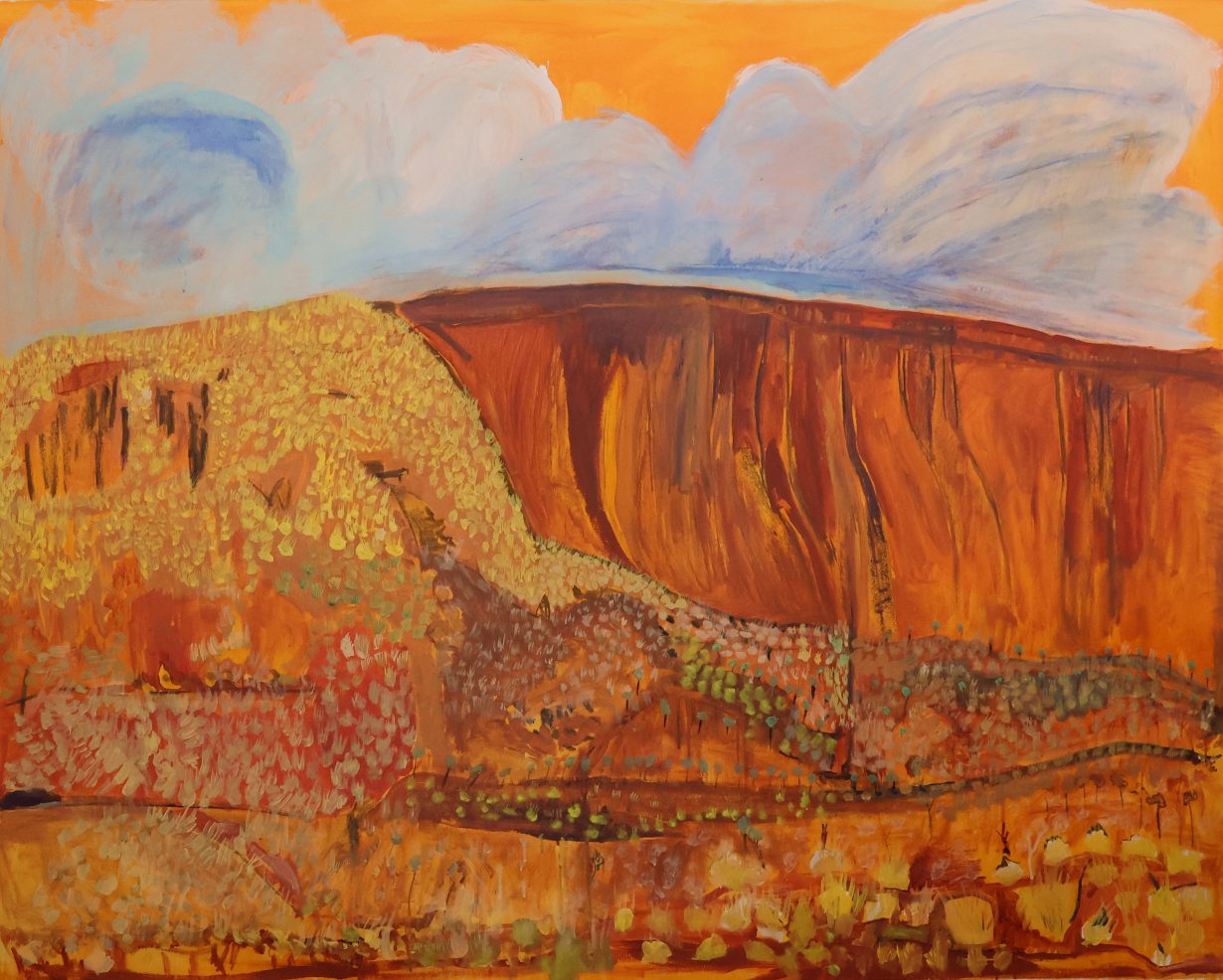
40cm. Photograph: courtesy of the artist and Julwarlu.
It’s the 25th edition of the Sydney Biennale, and how far it has come since the inaugural event in 1973. Returning with bold global ambition, this year promises a dynamic survey of contemporary art across the city’s iconic venues, all tied up under the theme of ‘Rememory’, signifying ‘the intersection of memory and history, where recollection becomes an act of reassembling fragments of the past – whether personal, familial, or collective’. The event has made consistent efforts to amplify local and global Indigenous voices in recent years, and this year looks no different, featuring, alongside more than 50 artists from 31 countries, the likes of Frank Young, Behrouz Boochani, Hoda Afshar and Vernon Ah Kee. For 2026, Sheikha Hoor Al Qasimi, the director of UAE’s Sharjah Art Foundation, will be leading the artistic direction.
Various venues, 14 March–14 June
Vienna

A panel formed of horizontal LED tubes switches on and off in waves. Stripes of white light rise and fall in unison with the inhales and exhales of an artist who has recorded herself hyperventilating until she loses consciousness. The panel blacks out, then starts over. This is Marianna Simnett’s Faint With Light (2016). Visually, it’s different from the video and installation work that Simnett has become known for – often featuring wince-worthy depictions of raw wounds, closeups of injections, taxidermised roadkill – spread through colourfully-rendered narratives. But it retains the same visceral quality. The piece is based on the artist’s Croatian Jewish grandfather who miraculously survived execution during the Holocaust by fainting as he was being shot at. In her upcoming exhibition at Vienna’s Secession, Simnett will return to her family history and present three new works, alongside Faint With Light, drawing from her Yugoslavian heritage. Mia Stern
Secession, 6 March–31 May
Venice
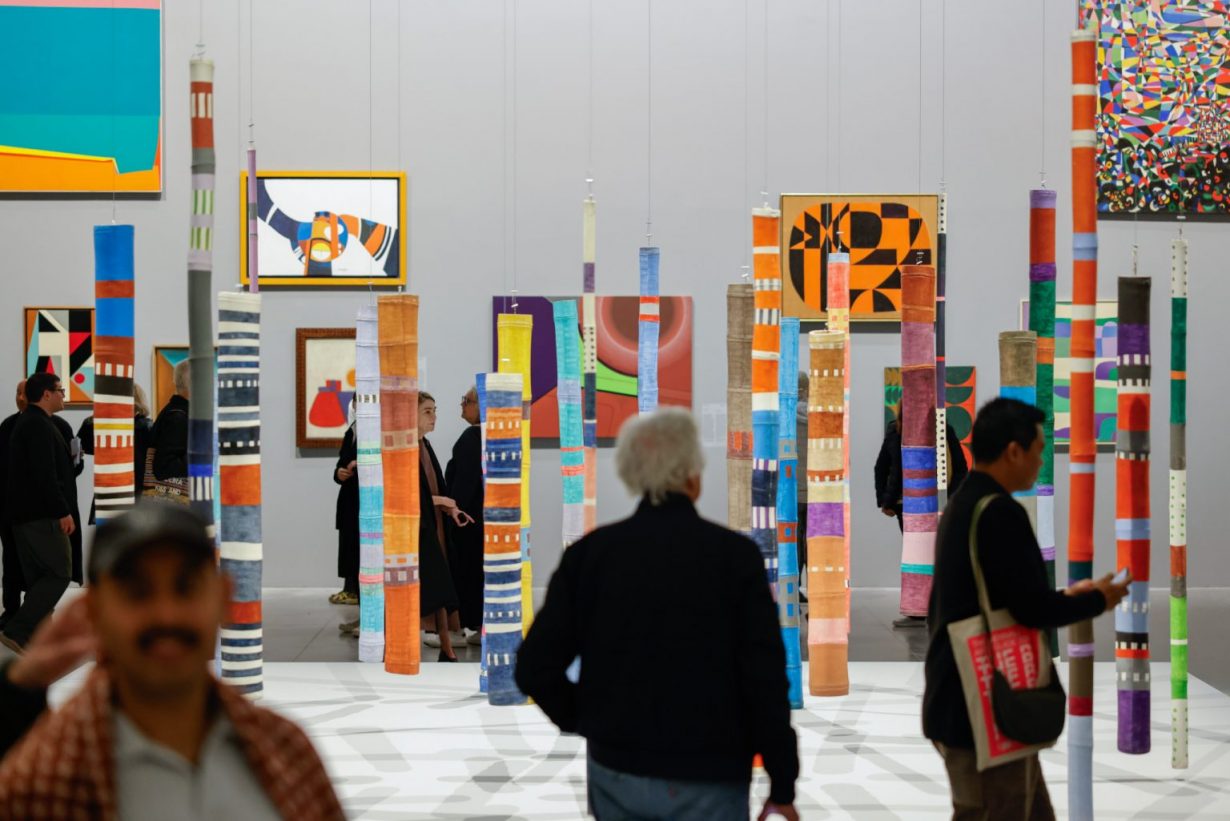
All eyes on Venice, or so they say. The 61st Venice Biennale opens late spring after months of speculation over its artists, pavilions and politics. It was set to be curated by Koyo Kouoh, who died on 10 May 2025, though her chosen theme, In Minor Keys, will be honoured. As she wrote in closing her curatorial statement: ‘To be in minor keys is to remember that not all stories need to crescendo; that the unresolved, the elliptical, the whispered, may offer their own kinds of clarity.’ As well as being one of the longest-running and prestigious events in the global art calendar, this year’s biennale is already looking particularly spicy, with a number of headlines throwing the event into the spotlight months before opening – from the question of who will represent Trump’s America, to the South African government pulling Gabrielle Goliath’s pavilion over an artwork that references Israel’s war on Palestine. As nations continue to announce which artists will represent their national pavilions, ArtReview is keeping a running tally. Check out the latest here. Chiara Wilkinson
Giardini and Arsenale, 9 May– 22 November
Tunisia
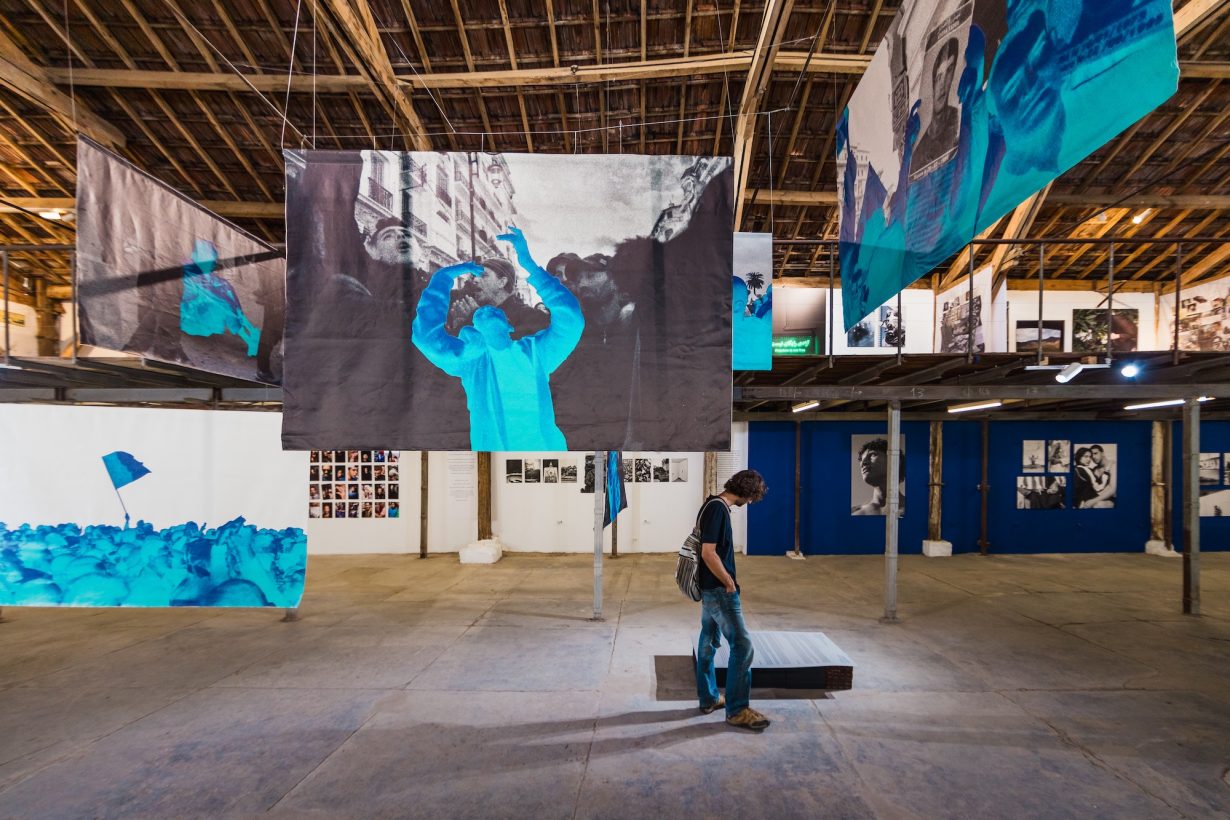
Initiated in 2013 by the art foundation of Tunisian-Swiss banker Kamel Lazaar, the biennial Jaou Tunis takes place as a series of exhibitions, performances and talks spread across the Tunisian capital, guided by a pledge to foster a ‘transnational solidarity’ and support artists from the Global South. In 2024, under the overarching theme Resistance as the Deepest Form of Love, it organised a total of nine shows staging the works of more than 60 artists – from Palestinian duo Basel Abbas and Ruanne Abou-Rahme to South African artist Gabrielle Goliath – and the same number of ‘debates’ and performances. If that’s not ambitious enough, for its eighth edition the biennial has announced a collaboration with Genève’s Biennale de l’Image en Mouvement (BIM’26), funding the production of new moving-image works by the likes of Younès Ben Slimane, Mona Benyamin, Diane Severin Nguyen and Natasha Tontey, to name but a few. Yuwen Jiang
Various venues, 14 October–15 November
Lagos
Curated by Furen Dai, Chinyere Obieze and Sam Hopkins, the 5th edition of the Lagos Biennial is titled The Museum of Things Unseen. It aims to consider the questions: ‘What lies hidden in the shadows of our museum spaces? Whose stories are silenced, and whose voices are amplified? If we were to build a museum from scratch, unbounded by structural inequities, what form would it take?’ through artworks that offer diverse perspectives on the global art historical canon and cultural biases. Meanwhile, the event also marks the inauguration of the Àkéte Collection, its own permanent pavilion and collection featuring pieces from previous editions of the biennial in addition to contemporary artworks from international museums, private collections and individuals aiming to ‘critically examine the universal art canon’. In other words, if you missed the last four events, then you’re off the hook. Chiara Wilkinson
Various venues, 17 October–18 December
Minneapolis
Abbas Akhavan: Variations on a Garden
Abbas Akhavan’s first US museum survey will feature sculptures and installations that highlight the Tehran-born, Montréal- and Berlin-based artist’s wry yet poetically charged critiques of colonialist cultural patrimony and knowledge-production. Included in the Walker’s survey are several installations conceptualised around the architectural folly, a decorative edifice that featured as a status symbol in eighteenth-century European gardens, and a word that likewise implies foolishness, madness and theatricality. In Akhavan’s cast for a folly (2019/2023), which reimagines the National Museum of Iraq’s looted lobby in the wake of the 2003 US invasion, the artist recreates what was a formidable basalt lion sculpture using mouldy, buggy, disintegrating cob soil but keeps a framed portrait of Saddam Hussein hanging a few degrees askew, just as it was pictured online after the invasion, creating an uncanny mise-en-scène that calls into question the assumed permanence of artefacts and of power. Variations on a Garden will open just days before the close of the 61st Venice Biennale, where Akhavan will represent Canada in the Giardini. Jenny Wu
Walker Art Center, 12 November–18 April 2027