To find out where museums might go from here, ArtReview asked several professionals close to institutions for a diagnosis
Why do we need museums at all? Who decides what counts as worthy of preservation, to be collected, and moreover who benefits from it? For centuries, the museum claimed authority as the arbiter of value. That authority once felt permanent and unassailable. Today, it wobbles. Comparative modernities. Restitution claims. Alienated audiences. Scholars who refuse the canon. Collecting through extraction. Artists from other parts of the world whose work refuses hierarchies, whose practices capsize assumptions, whose languages demand space. Whose space speaks in other languages. Other parts of the world, where the so-called global minorities live. Who really wants to be global? And who wants to be a minority? The predicaments, and the questions that museums find themselves in today, are grand, rousing and above all unavoidable. Within that precarity, museums of the future will be made.
Museums do more than preserve. They produce public knowledge. Or at least they should. Over the next few decades, the museums that will thrive will be those that give rise to exhibitions that address art historical ruptures, absorbing new curators, researchers, archivists and operations teams that challenge inherited models of display, access and meaning-making. Museums that rely only on English risk reproducing colonial hierarchies and being left behind by the conversations circulating in Arabic, Cantonese, Hindi, Tamil, Mandarin, etc. These multiple perspectives will in time remove the monopoly over meaning-making in one language. It remains to be seen how English will operate within a new epistemic order where multiple languages frame meaning.
One debate surrounding all museums that has not let up is whether or not museums should be free. Museum access, though, is not just about free entry. It is also about letting those from other local and regional contexts partake in broadening conversations about the purpose of the museum. Creating the conditions for this kind of conversational and skills access involves addressing uneven infrastructures, elitism and the mighty challenge of creating opportunities that address socioeconomic inequalities. Entry to the back end of museums is just as important to think about as the front-of-house side of things.
Ultimately, to determine the purpose of museums is to wrestle with how audiences use them. Museum leaders have already discovered that exhibitions alone are not sufficient and that audiences increasingly expect eating, drinking, shopping, spaces of well-being and entertainment as part of the experience. But let’s pause. Before trying to become everything at once, especially when the skill sets of most museum professionals cover none of the above, we should ask ourselves if all this distracts us from doing the real work. Sorting out our own house, reckoning with difficult histories, confronting systems of power and facing the precarity we inhabit. The world is neither calm nor contained. Maybe the museum that truly matters is one that unsettles. That challenges audiences, artists and staff alike. That embraces multiplicity and friction. The museum restaurant can wait. Along with all the other ‘restful’ spaces of quiet contemplation and reflective labels. For now, the task is to act, to witness, to build, to train, to question and to make possible what was previously denied. If this is not our purpose, then we are failing those whose histories demand care, whose voices demand space, whose futures demand possibility.
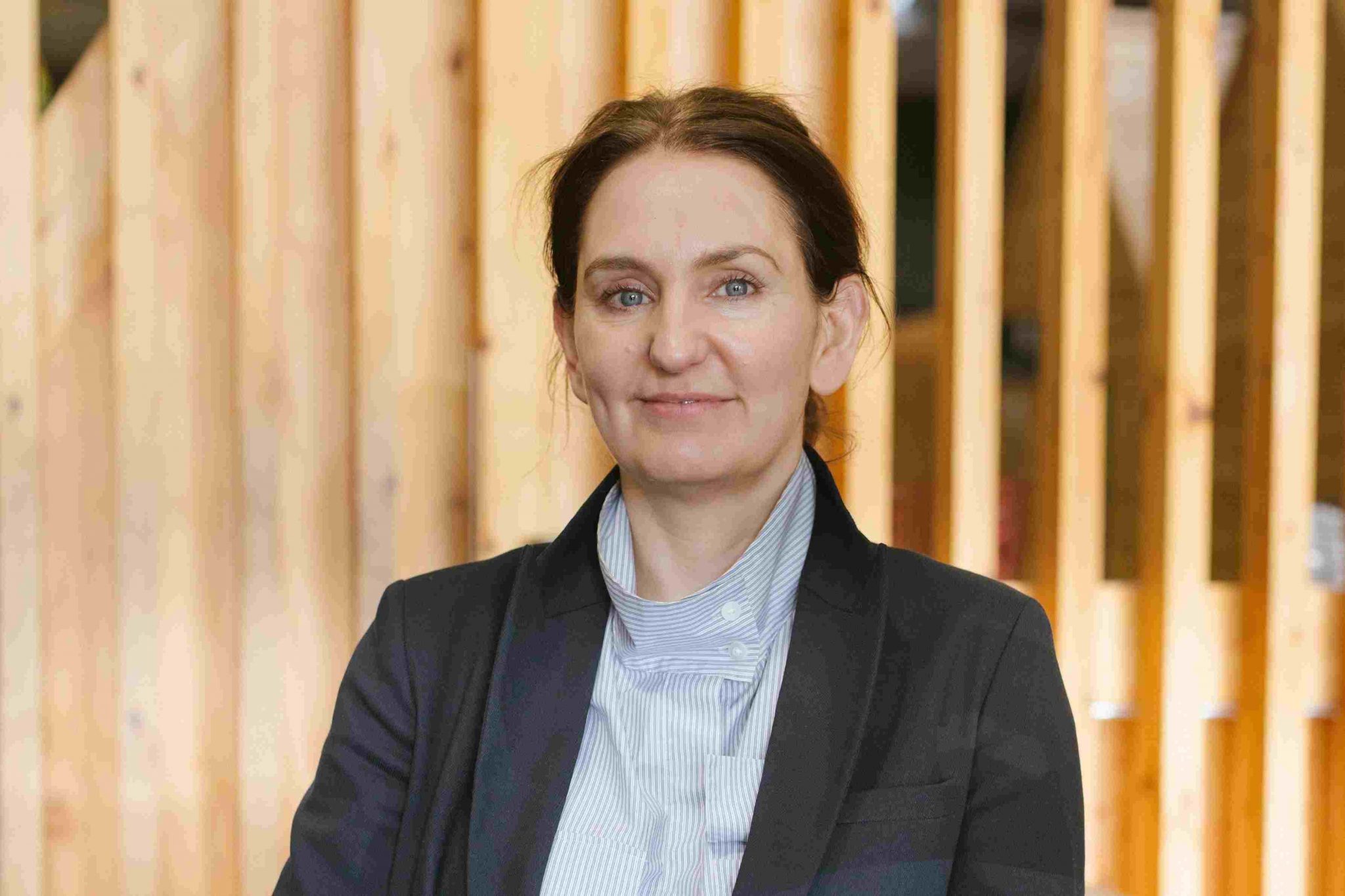
Sharmini Pereira is chief curator, Museum of Modern and Contemporary Art, Sri Lanka
Explore the full ArtReview feature, The Museum in Crisis
From the March 2026 issue of ArtReview – get your copy.