Jenny Wu looks at the acrobatics required when successful writers – from Berger to Émile Zola – seek to hold on to a connection with the working class
When Étienne Lantier, hero of Émile Zola’s 1885 novel Germinal, first sees the coalmine in which he is to work and the oppressive conditions of which will later cause him to lead a strike, he observes that ‘the pit could swallow people in mouthfuls’. A four-deck elevator appears from below filled with tubs of coal; these are removed and replaced with empty containers, into which the miners themselves then climb. ‘An order would issue from the loudhailer in the form of a muffled, unintelligible bellow,’ Zola writes, ‘while the signal-rope was pulled four times to indicate a “meat load”, warning those below that a cargo of human flesh was on its way down.’
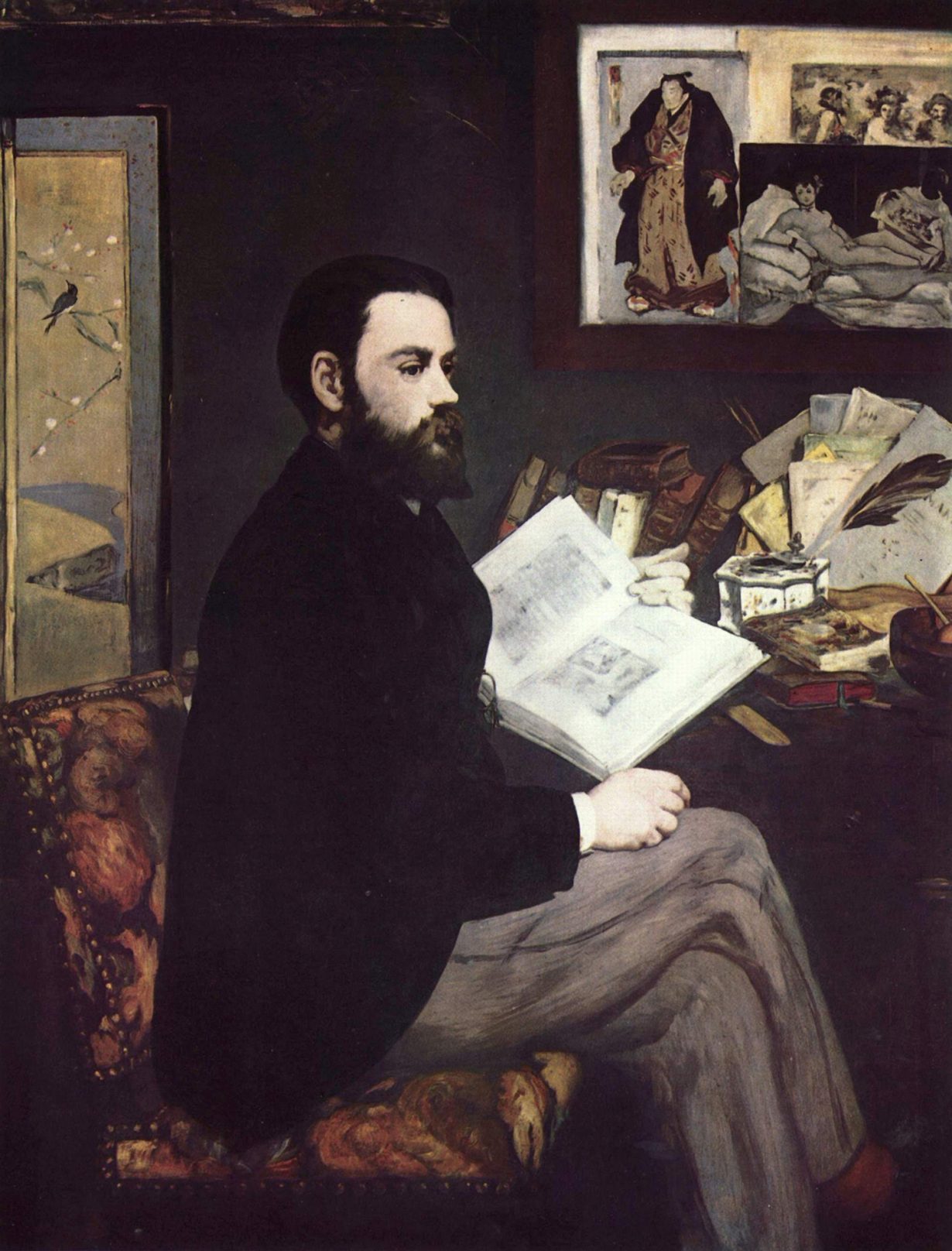
Imagine: February 1884, Zola in his mid-forties drops into a pit in Anzin, a small mining town near Valenciennes, in Northern France, where 10,000 workers are on strike, to conduct research for this, the 13th book in his 20-volume Rougon-Macquart cycle (1871–93). Frederick Brown, who begins his 1995 biography Zola: A Life by characterising the writer’s father as a ‘portly bourgeois’, remarks on Zola’s own ‘stout’ physiognomy and supposes that having a ‘forty-five-inch waist must have been especially inconvenient underground’.
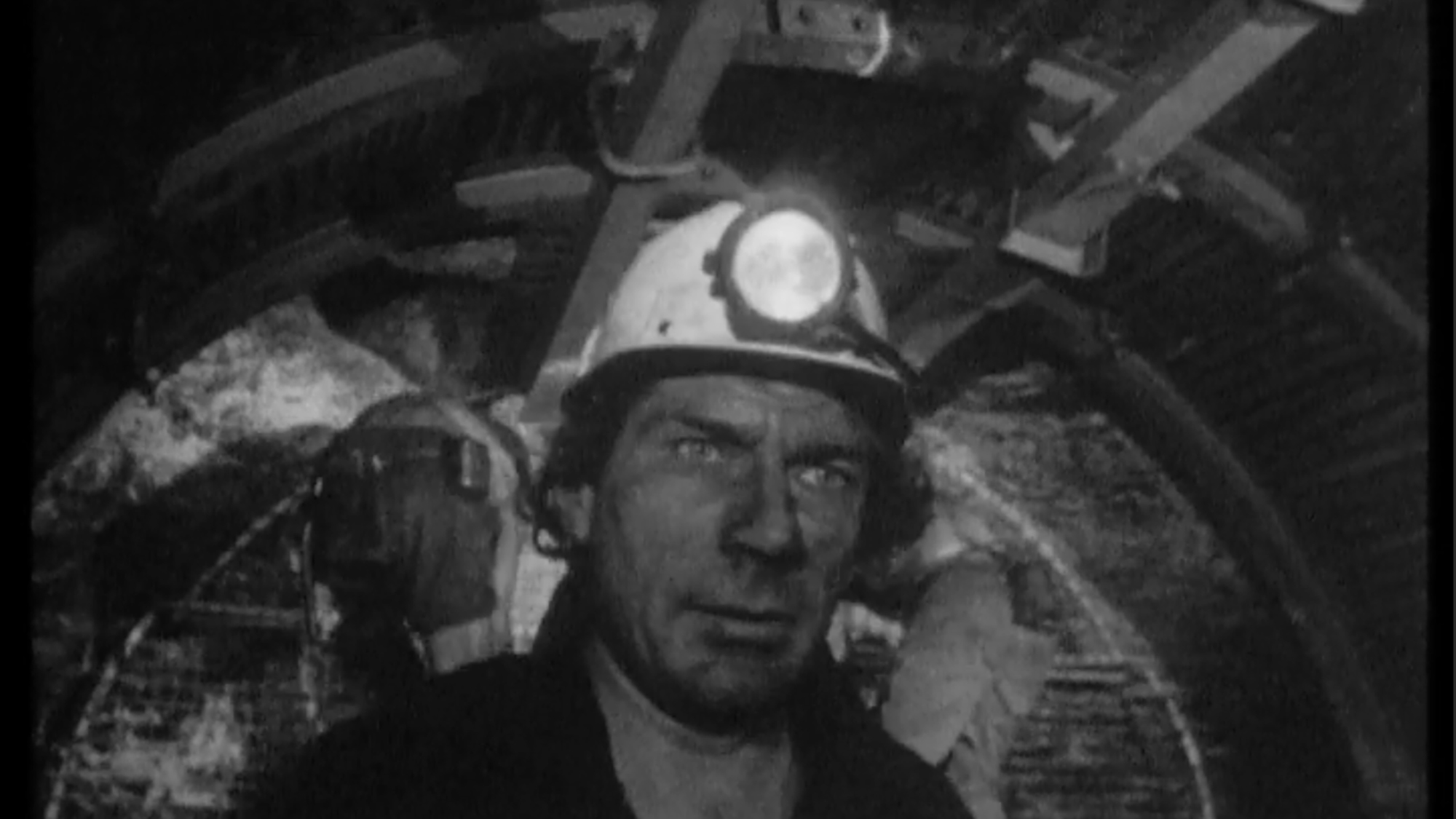
John Berger agrees: Zola must have been uncomfortable. In the late English art critic and novelist’s rarely screened BBC documentary Germinal (1973), which was brought out in August for a Film Comment programme in New York commemorating his centenary, Berger, an avowed Marxist, conducts his own reconnaissance, descending into a pit in Creswell, on the Nottinghamshire–Derbyshire border. His images are restrained compared to Zola’s prose; nonetheless, they convey the mine’s atmosphere. Berger enters wearing a hard hat, his brow furrowed, observing in voiceover that the air underground is “hot and silted with coal dust” and that as you go down “there’s less and less space for your body”.
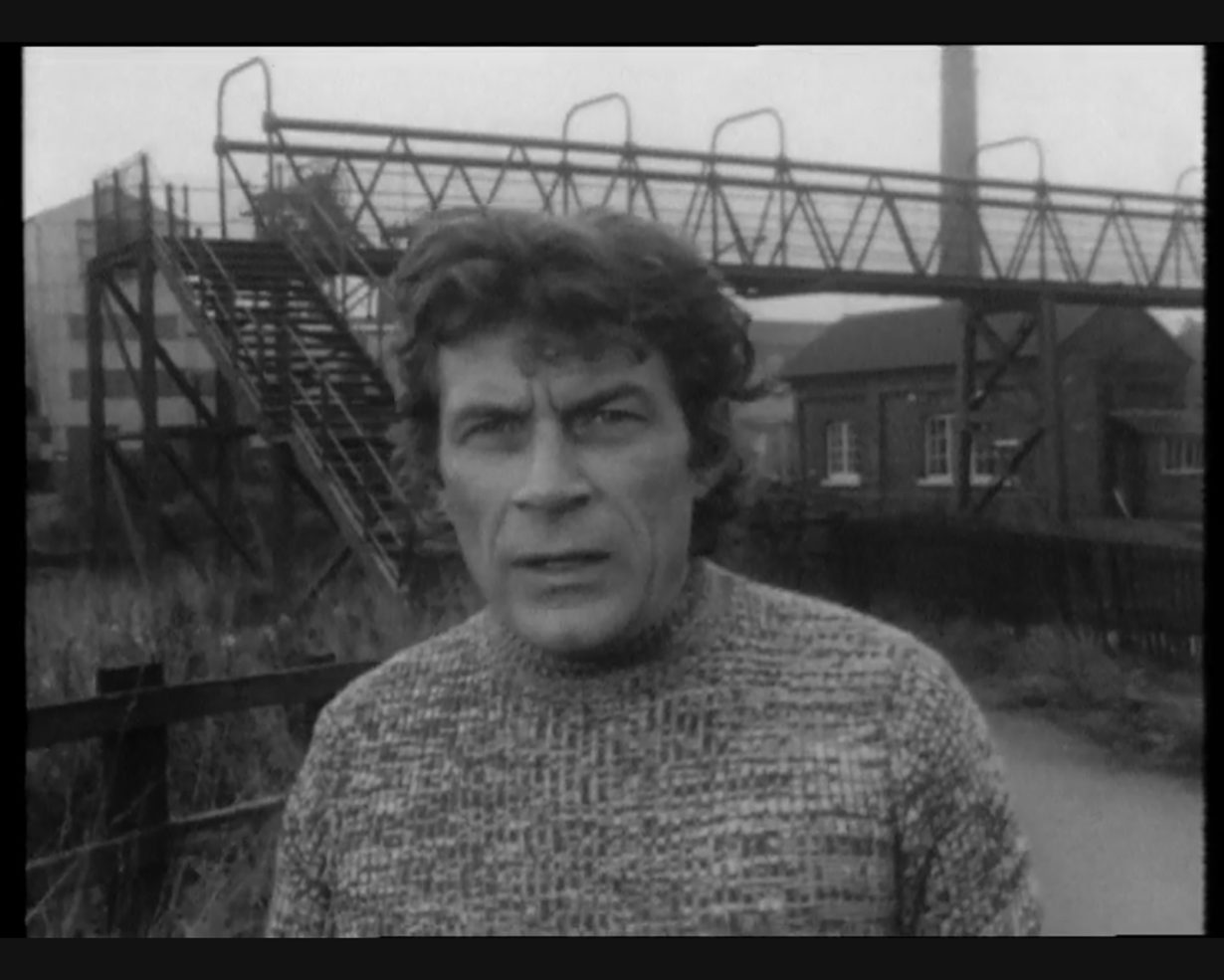
Zola must have been self-conscious, Berger surmises. Despite the French author’s “working-class sympathies” – an extension of his support for the Republic and its ideals of social progress – by the time he was drafting Germinal, “Zola was rich and successful. He wrote his novels in a villa near Paris.” The villa was, as Berger’s latest biographer, Tom Overton, writes when describing the documentary, ‘closer to the home of a mine owner than one of a worker’, a fact that must have ‘disturbed’ Zola, given as he was to rail against bourgeois sensibilities on the page. But Berger, too, seems anxious in the pit. Not long after those few establishing shots, he retires to the village bar to ruminate. Now confidently addressing the camera, having put on a cosy sweater, he implies that the surest way to close the gap between the writer and the miner is for the former to become the latter – or at least to visit the pits “400 or 4,000 times” more.
Despite obvious differences, Zola’s and Berger’s lives mirrored each other in several significant respects. Both wrote for periodicals: Zola as a political journalist in his early thirties, reporting on the French National Assembly for outlets like La Cloche and Le Sémaphore de Marseille, Berger as a cultural critic for The New Statesman, The Nation and Art News and Review (as ArtReview was once called). Both kept homes in the French countryside: Zola in Médan, Berger in Quincy. Both benefitted materially from their interest in the struggles of socially and economically disenfranchised groups. Berger’s work on Germinal followed on the heels of his Booker Prize-winning novel G. (1972). Within three weeks of his declaring that he would share his prize money with the British Black Panthers, G. sold 1,200 copies. The trials of Zola’s working-class heroine Gervaise Macquart, who suffers from debt, alcoholism and domestic violence in the seventh installment of the Rougon-Macquart series, L’Assommoir (1877), earned him around £3,000 per year in royalties, and leftists rebuked the profitable book for, as Victor Hugo reportedly said, ‘reveal[ing], as if delightedly, the hideous sores of misery and the abjection to which the poor man finds himself reduced’. Zola redeemed himself only when he revisited the subject of the working class in Germinal, which was nothing short of what Brown called a ‘proletarian gospel story’.
An unspoken desire for a similar sort of literary redemption permeates the remainder of Berger’s televised homage to Zola, during which the twentieth-century writer recites from the nineteenth-century novel a passage about the vengeance of the working class, which promises to split the earth from within, as if language might hasten the arrival of this revolution or weave both storyteller and listener into their ranks. The inhabitants of Creswell go about their day – working, rehearsing a musical, playing bingo in the village clubhouse – and the writer continues to wring his hands.
From the October 2026 issue of ArtReview – get your copy.
Read next John Berger’s writing for Art News and Review (as ArtReview was once called)


