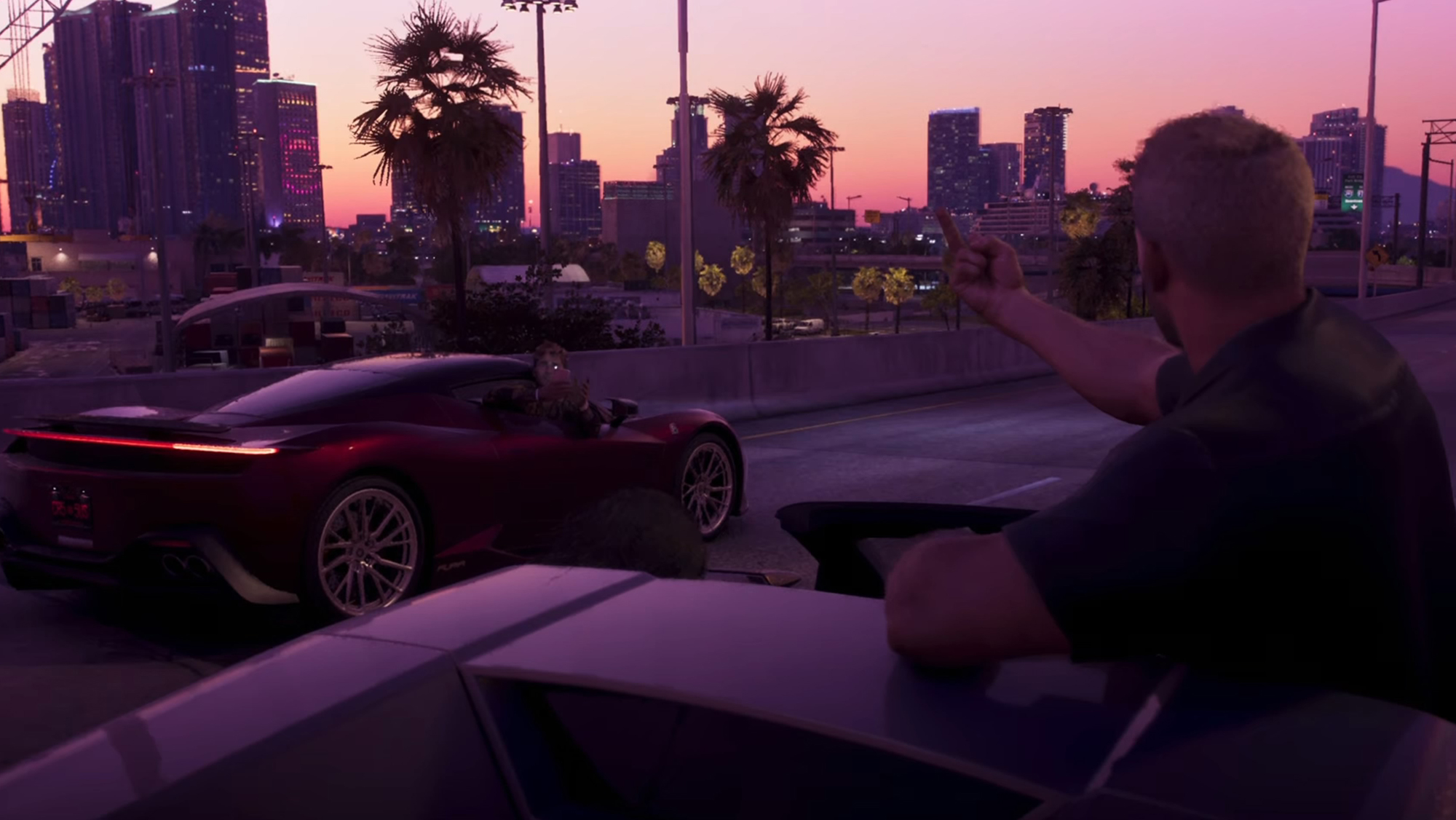
Lavish, astounding, intimate: the latest open-world crime epic feels new while tapping into certain Regency-era artistic sensibilities
Top to bottom, from northern rural backwaters to southerly swampy coast, Grand Theft Auto VI is, if anything, one big technical flex. You careen in airplanes through moody, convincingly volumetric clouds before sating your thirst with a cool beer sloshing about in slavishly modelled bottles. Characters’ skin looks less videogame-plastic than taut, pudgy and fleshy, glistening when sweaty. And while I was playing pool in a dive bar on the dilapidated outskirts of Vice City, analogous to real-world Miami, I noticed through grubby windows how the wind was continuing to waft gently outside, the dappled light cast under a tree.
So abundant are these striking details of verisimilitude that their impressiveness risks being diluted. Yet each element nonetheless contributes to this grand, head-spinning concert – a Baudelarian hyperreal simulation that is always on, always whirring, and which, though undeniably stylish, is not particularly stylised. It’s as if Rockstar, in producing this exacting replicative aesthetic involving objects, light, physics, weather and more, has mastered the universe, or, at least, earthly nature. In this way, GTA VI is like a twenty-first-century expression of Aristotle’s idea of mimesis, in which the Greek philosopher saw a practically elemental relation between the human desire for knowledge and the pleasure derived from imitative reproduction of the visible world.
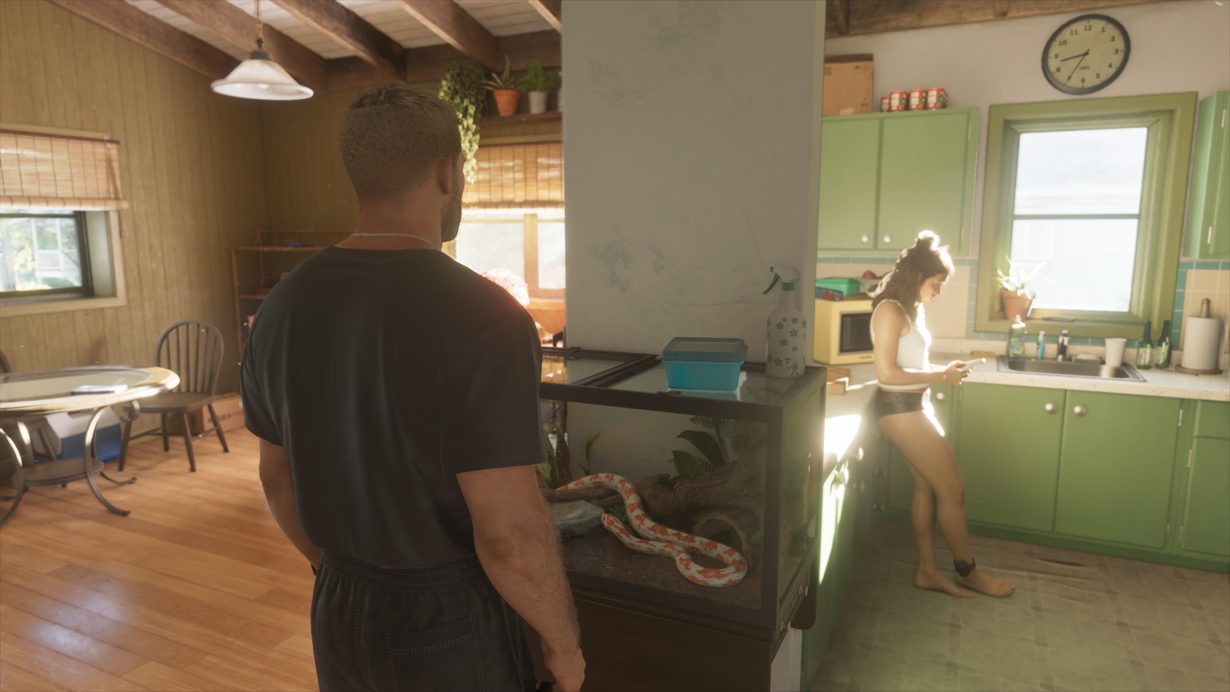

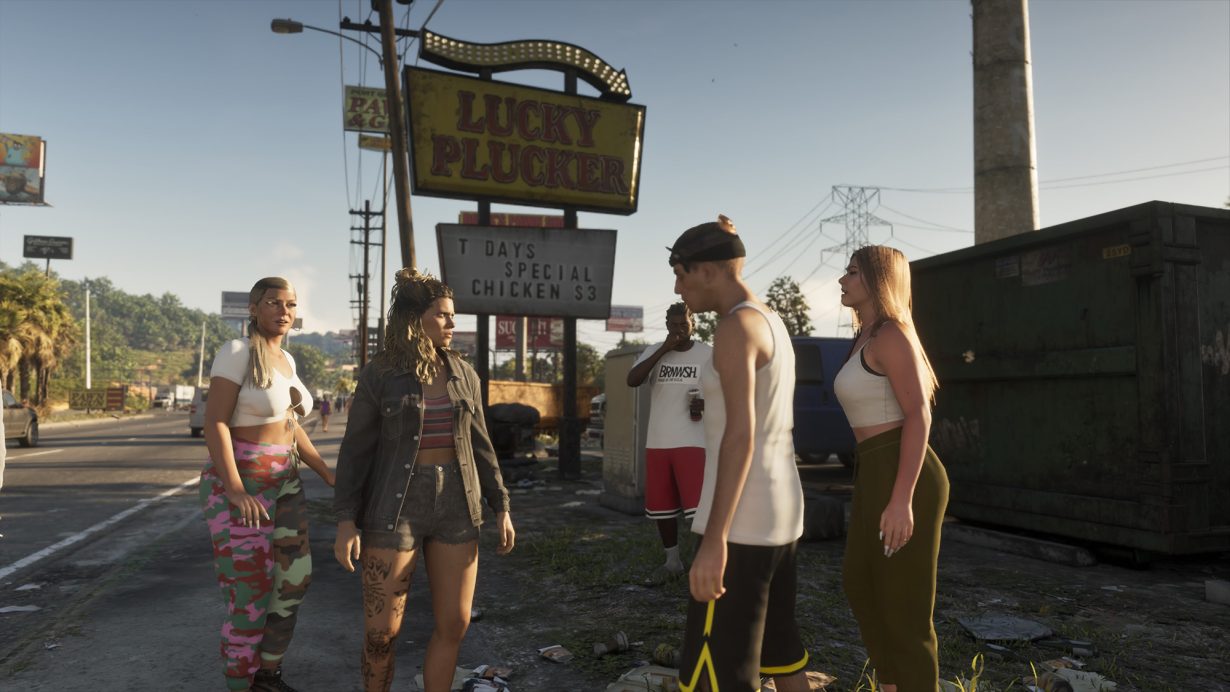
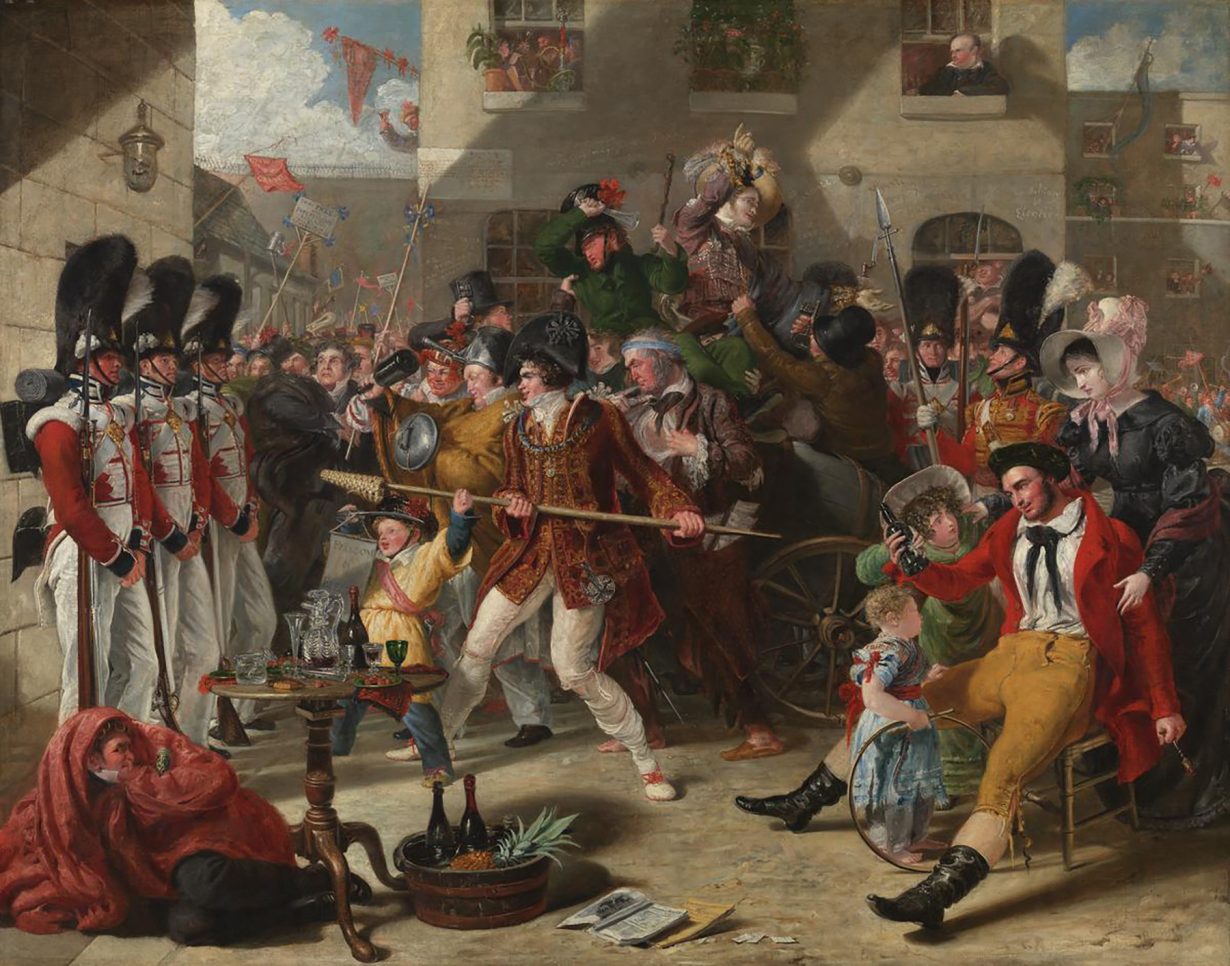
Development of the game started 12 years ago, and since then, over 4,000 people have touched its production to a reported cost of over $1 billion. The labour of these game-makers (including the 34 former Rockstar workers sacked, so it is claimed, for trade union activity) is splayed across the screen, not just in visual flourishes, but in an entire city of Non Playable Characters that, more so than in previous franchise entries, suggest interior lives through naturalistic dialogue and complex routines. Often, GTA VI plays like a Scorsese-esque window into a street-level view of America, the camera hewing close to the back of its dual protagonists: firecracker Latina Lucia, and thoughtful himbo Jason. But pause the action, especially if you’re in a busy area, and GTA VI resembles something else: one of Benjamin Robert Haydon’s monumental paintings like Chairing the Member (1828). Like Haydon’s prison scene, the game is bawdy, comedic and violent, leaving little to the imagination yet evoking the contrapuntal, fizzing energy of its Florida simulacrum. Haydon, like Rockstar, valued scale: he painted on the largest canvases he could possibly find, blowing his characters up to lifesize, which, relative to many other paintings of the era, made them seem larger than life. Such works came into vogue in Regency-era Britain, where the ‘visceral’ was popular in museums and galleries vying for the eye and coin of a burgeoning middle class – later identified by British art historian T.S.R. Boase as ‘a cult of immensity’.
Such a cult seems evident in culture today, too. Certainly in Hollywood: The Odyssey (2026) is two hours and 52 minutes, and made a lot of promotional noise about its IMAX cameras; Avatar: Fire and Ash (2025), at three hours and 17 minutes, is just one of James Cameron’s twenty-first-century Gargantua; One Battle After Another (2025) doled out two hours and 42 minutes of high-octane social commentary. Doorstop novels are also back in vogue, often emphasising grit, texture and dizzyingly webbed plots: in the past year alone, Marlon James The Disappearers (2026), A.K. Blakemore’s Doom Painting (2026) and Mark Z. Danielewski’s Tom’s Crossing (2025) have received rapturous acclaim and commercial success. If you build it big, they will come, both where eyeballs gravitated towards Haydon’s brand of spectacle and also now, in our contemporary attention economy.
And then there is GTA VI, the biggest cultural artefact of the lot – not the longest narrative or spatially largest videogame of 2026 (high-fantasy pap Crimson Desert can perhaps lay claim to both of those dubious honours), yet no doubt the densest and most panoramic, certainly the most exhaustively simulated, like a madly baroque version of Ian Cheng’s virtual ecosystems.
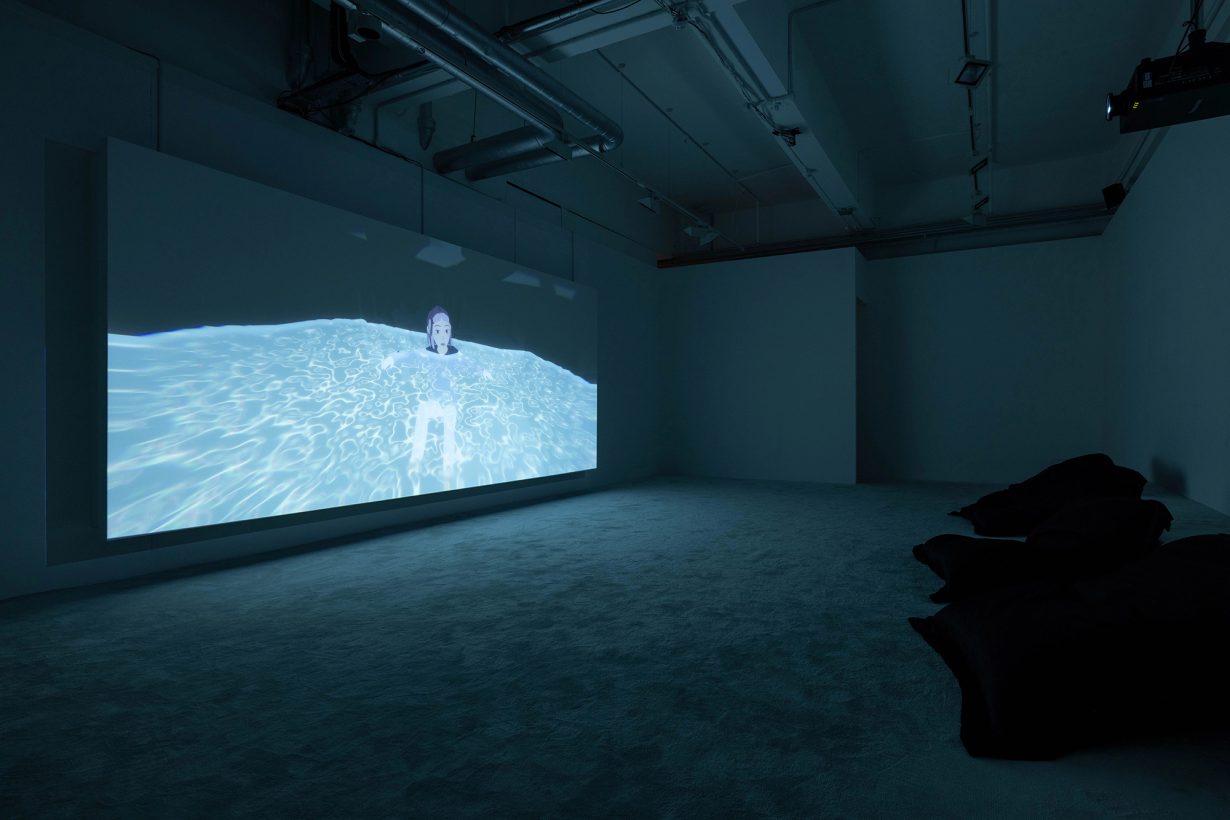
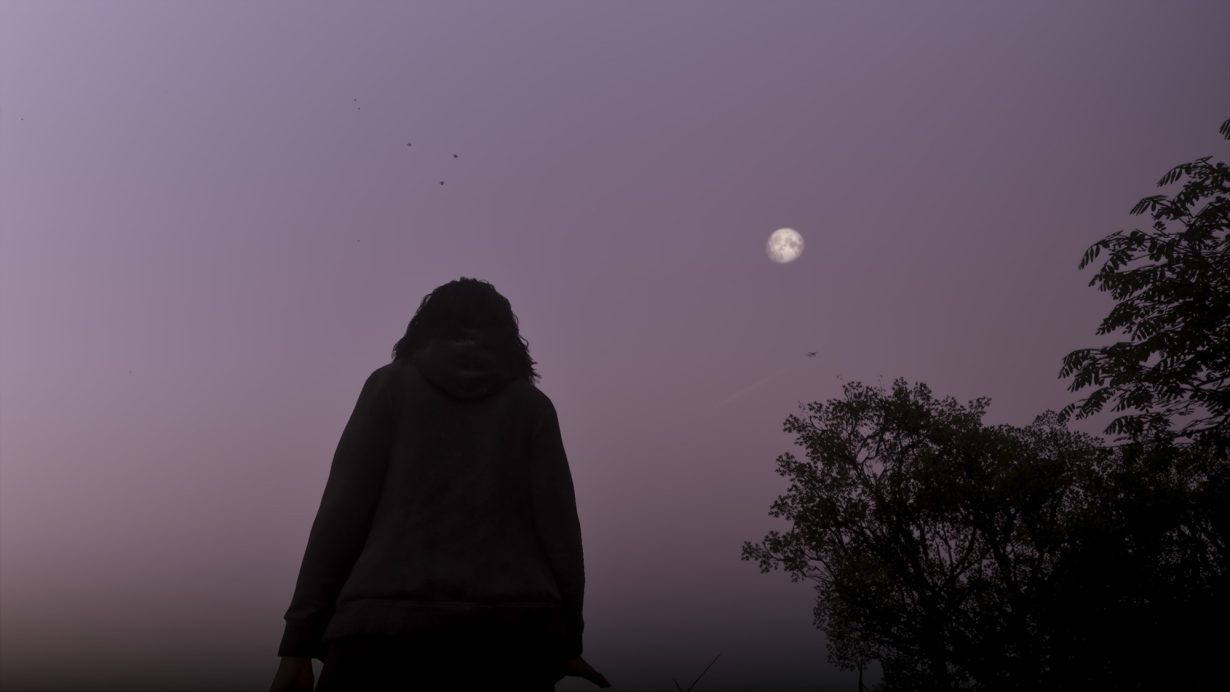
GTA VI’s immensity is twinned with another fetishised affect in modern media: immersiveness. Now we step into the picture, swaddling and surrounding ourselves in the code, systems and pixels, disappearing into it just as punters do of movies and concerts at Las Vegas’s Sphere. But much of GTA VI’s action is banal, related to the life-simulator genre that exploded in popularity with The Sims (2000): you eat, drink, shower – even do some DIY in a bid to take care of Lucia and Jason and cultivate their romantic relationship. Doing all this stuff naturally takes time, which is part of the reason why the in-game day-and-night cycle is longer than in previous entries. Bigger, the studio seems to understand, really just means lifesize, or the illusion of natural size, just as Haydon did. That too is its charm: the absorbing love story; the setting; the potential for the game’s interlocking systems to produce moments of astounding slapstick comedy.
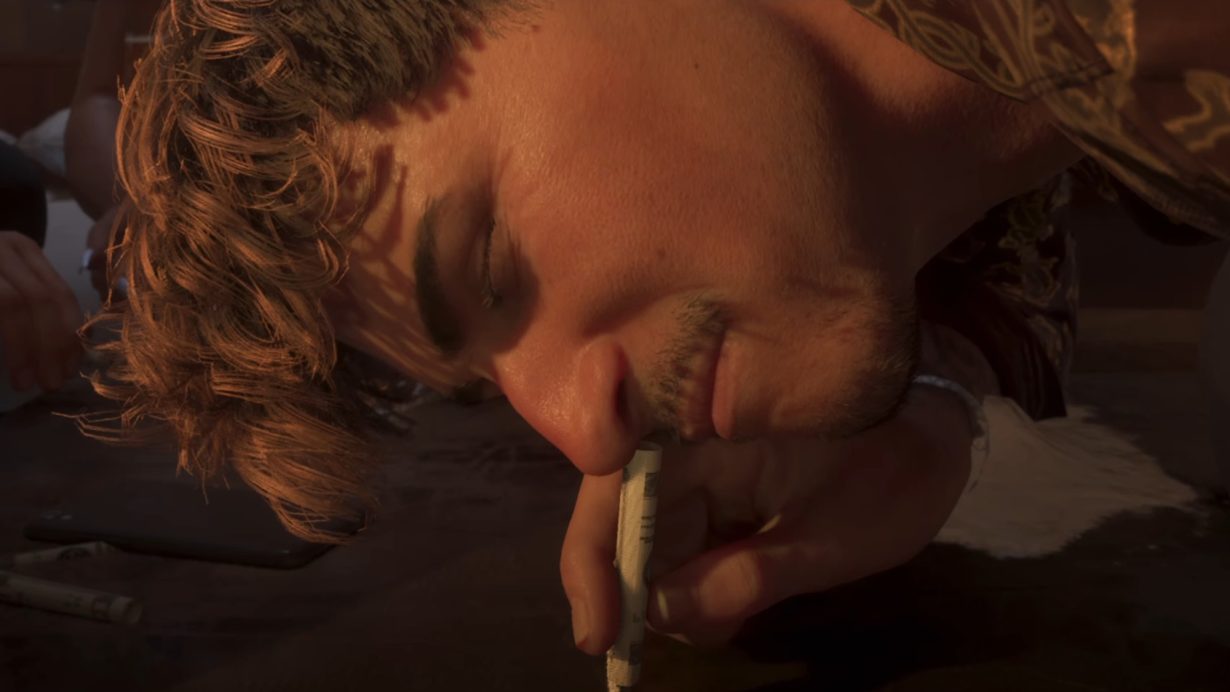

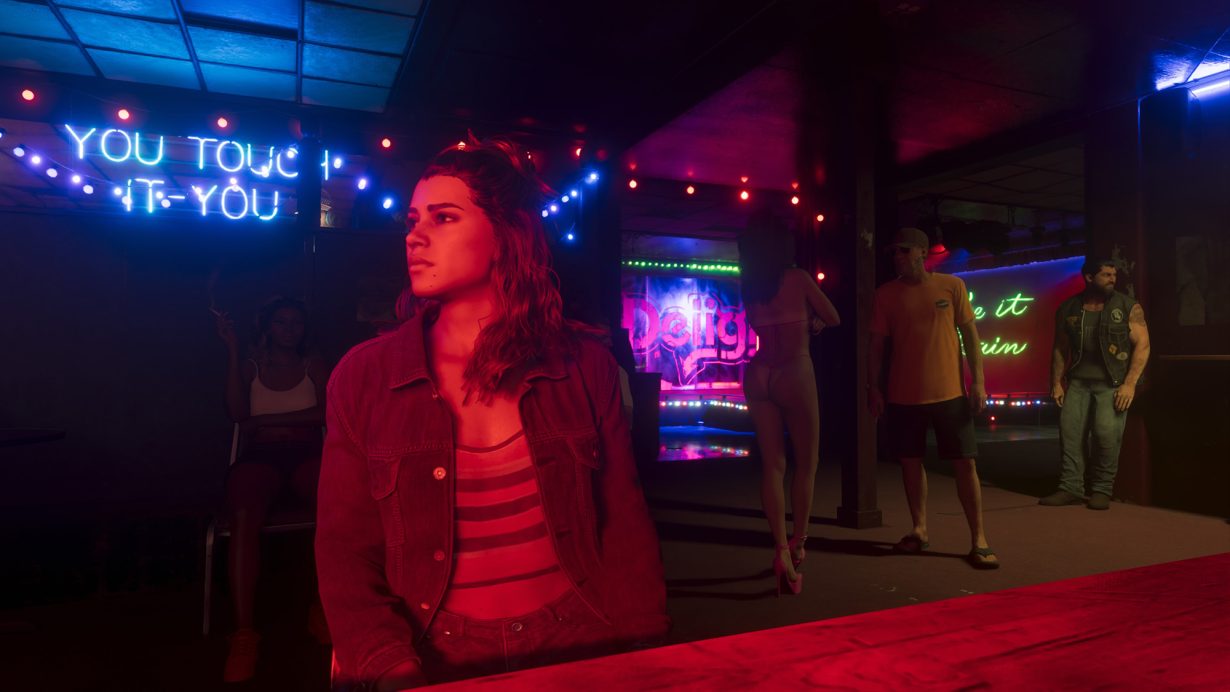
But even when immensity and immersiveness are almost subversively intimate, as is the case in GTA VI, the sheer ‘everythingness’ of the game gives it a hard-to-shake blingy sensibility. This form dovetails with the aspirations of Jason and Lucia, who, like so many in the US, live with a financial boot on their neck. During one strangely moving mission set across a hedonistic night out (which brings to mind Sean Baker’s 2024 whirlwind Anora), the duo get a long-awaited taste of a better life: fast cars, high-quality cocaine, swanky apartments, overstaffed superyachts – that’s to say, material immensity as a kind of augmenter of a shitty reality. Those of us who do not have ready access to all of the above will have to make do with GTA VI.


