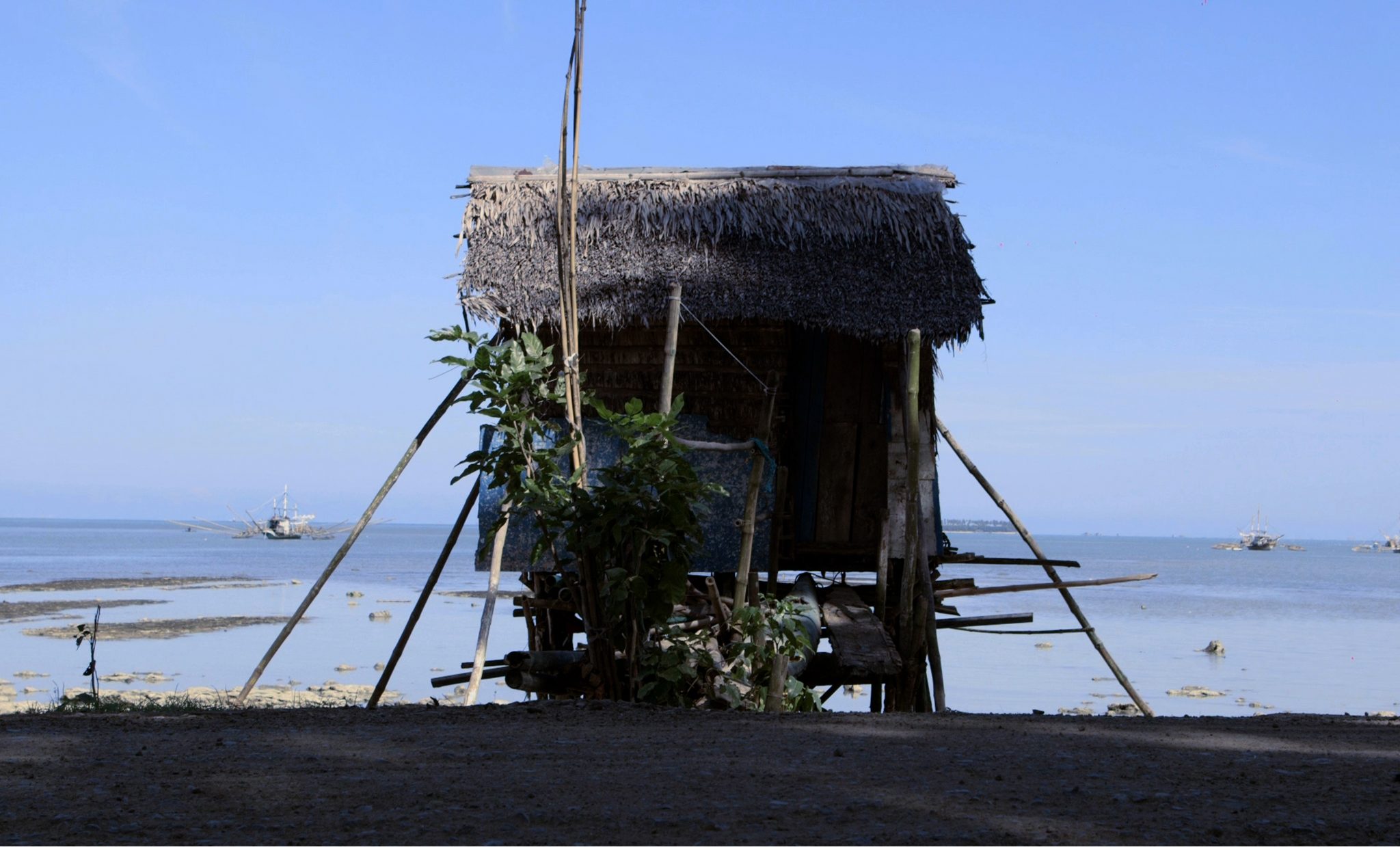
‘‘I am drawn to objects that seem to have a very specific function, when I cannot quite figure out what that function is’’
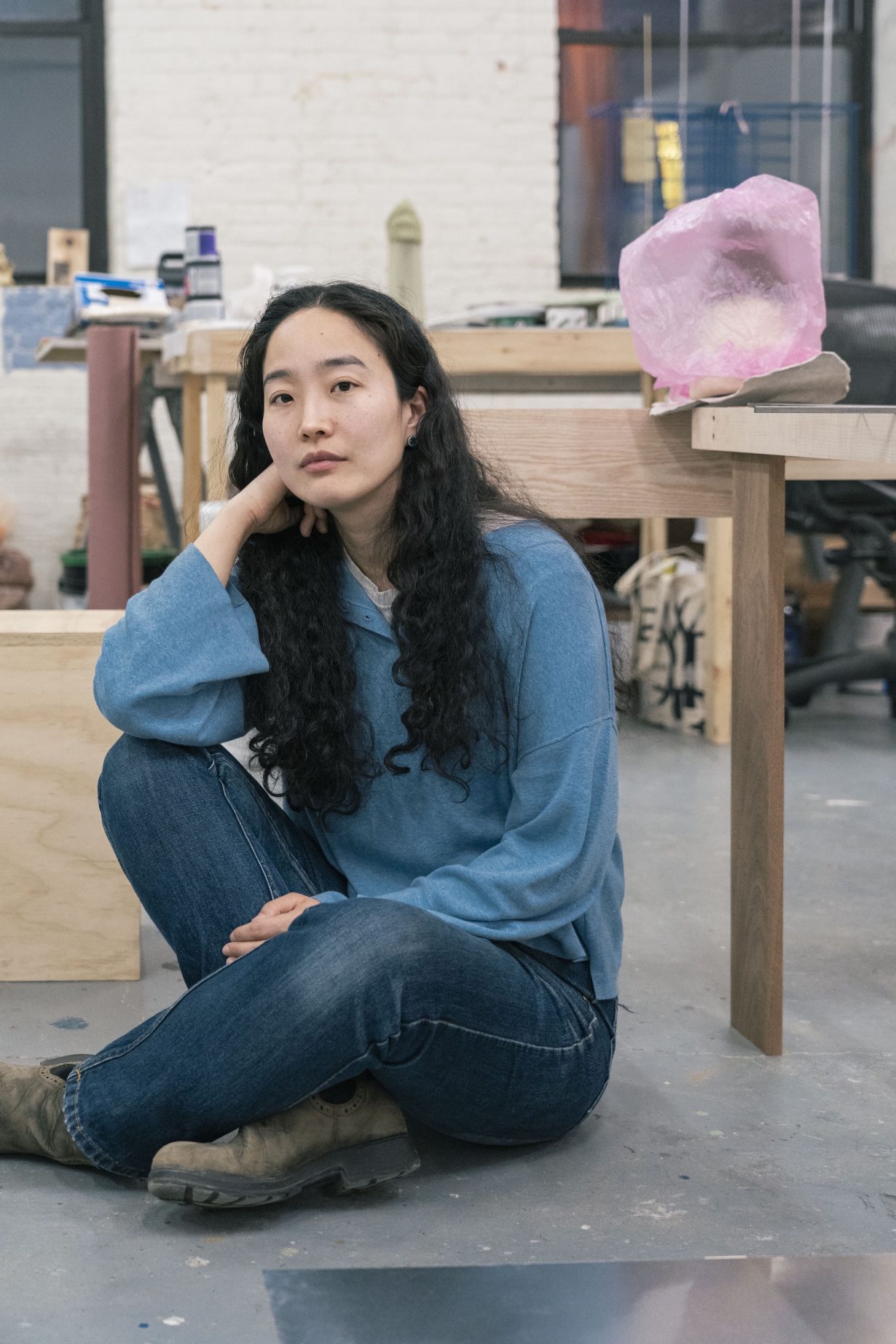
In the ArtReview Podcast, artists, thinkers and cultural figures are invited to choose three works as lenses through which to examine their practice and explore critical issues impacting the contemporary art world.
In our sixth episode, artist Hyeree Ro speaks to ArtReview associate editor Jenny Wu about gardens, maintaining friendships as artists and exhibiting at the Korean pavilion for the 61st Venice Biennale, opening next month.
Listen now on Spotify and YouTube. All of the works referenced in this podcast can be viewed below.
About Hyeree Ro
Hyeree Ro was born in Seoul, South Korea and currently lives between the South Korean capital and Brooklyn, New York. She works predominantly in sculpture, video and performance, interrogating the spaces between bodies, language and objects. Ro has been selected as one of the artists to represent the Korea Pavilion in the 61st Venice Biennale, which opens next month.
Credits
Interviewer: Jenny Wu
Host and producer: Chiara Wilkinson @chiarawilkinson
Audio editor: Charlie Duffield
Music design: Iona Smith @ic_yonic
Works mentioned, in order of reference
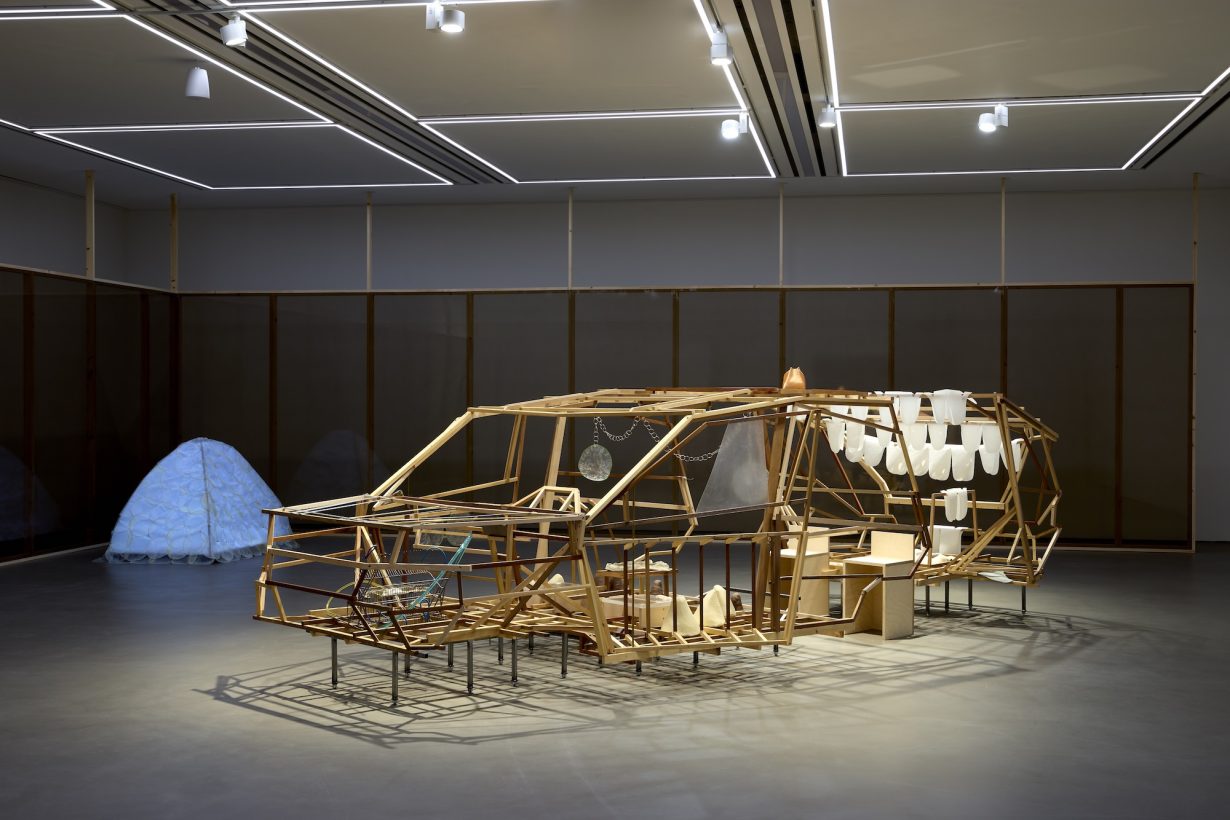
Hyeree Ro’s Niro (2024) is a skeletal car-shaped installation modelled around the the former car of Ro’s late father, through which she explores their burdened relationship. In a review of Ro’s 2024 show, Niro, at Canal Projects, New York, ArtReview’s Emily Chun described the work as an ‘intensely private and enclosed space that is situated in the impersonal, public realm’.
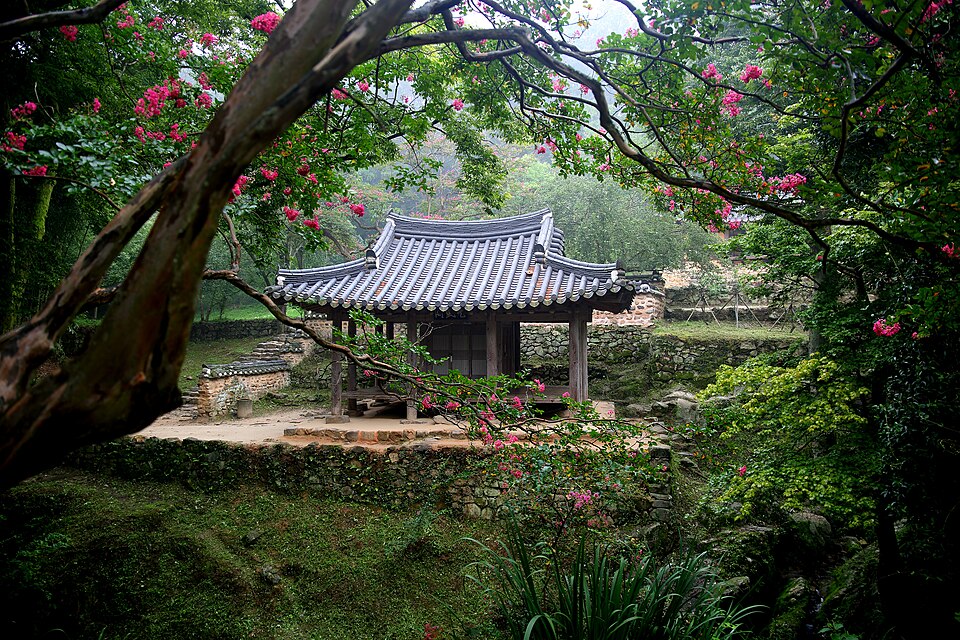
The Small-scale Joseon period Soswaewon garden – located in the Nam-myeon, Damyang County in the South Jeolla Province, South Korea – is thought to have been created from the end of 1520 through the middle of 1530.
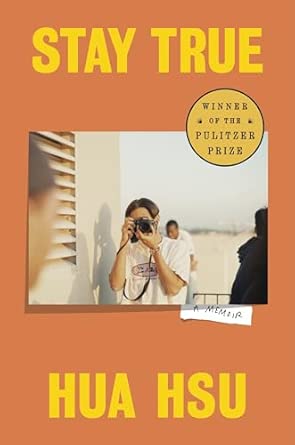
Stay True is a memoir published in 2022 by Hua Hsu, staff writer at The New Yorker. It follows Hsu’s relationship with a college friend named Ken, before Ken was killed in a carjacking in 1998 and traces how the loss shaped Hsu’s sense of self in the years that followed.