A new animated adaptation retools George Orwell’s allegorical novella as a vector for spreading God’s light. Horrifying, writes Travis Diehl
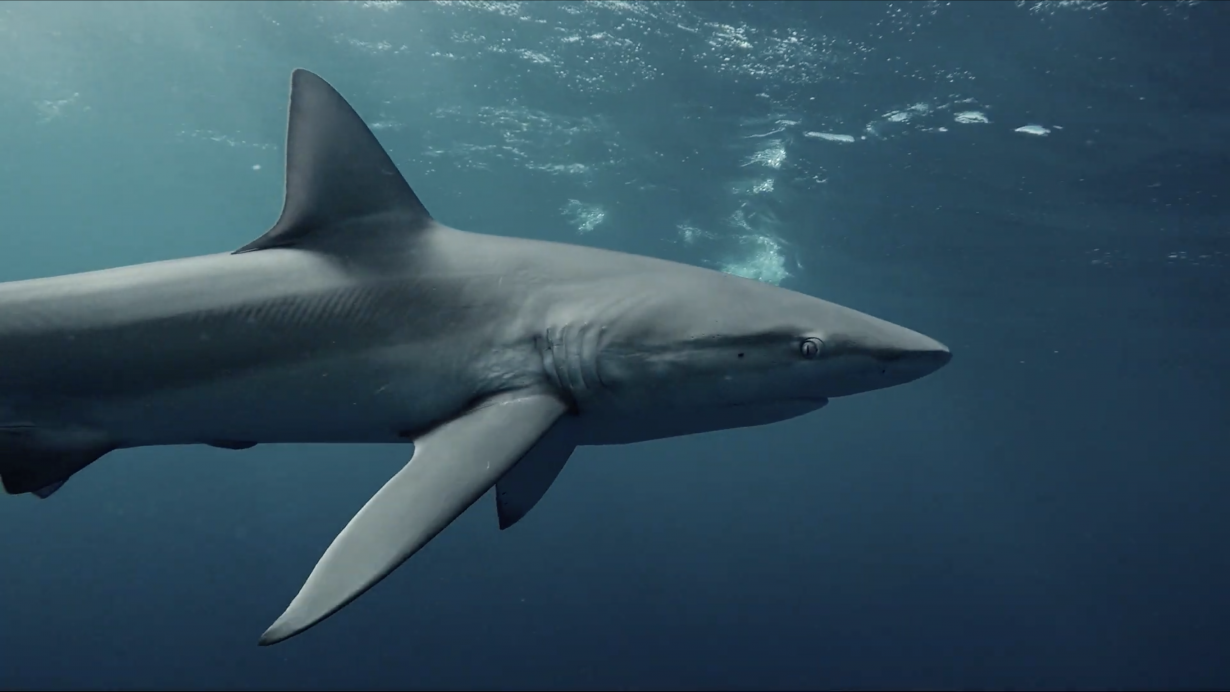
Sometimes the stars align, for no good reason. For example, the stacked voiceover cast of the new 3D-animated Animal Farm movie, featuring Glenn Close, Woody Harrelson, Kathleen Turner and Seth Rogen, and directed by motion-capture actor Andy Serkis (aka Gollum). The film is backed by Angel, a Mormon-run company headquartered in Provo, Utah. Their online streaming channel features free family-friendly programmes with titles like Young David, Dry Bar Comedy and Great Battles for Boys. I clicked through to a random section in a nature doc called The Riot and the Dance: Water. “We have to assess sharks the same way we assess people,” an AI-sounding voice intones over footage of grey reef sharks tussling near the surface. “Some are good, some are not. Some sharks honour God by using their gifts and design the way He intended. For others, there will be a reckoning, because they broke His law, and spilled the lifeblood of mankind.”
Having browsed their site, I later became inundated with Animal Farm’s horrifying digital marketing campaign for Boxer’s Glue, a craft adhesive supposedly made from the boiled remains of the sturdy proletarian horse in Orwell’s novella. “I will work harder,” he used to say, and this glue vows to work harder too. I broke down and forked out $18.84 for a glue-and-ticket combo. True to the movie’s marketing shuck about labour, it was work to watch it. I headed to the AMC 25 Empire megaplex in Times Square.
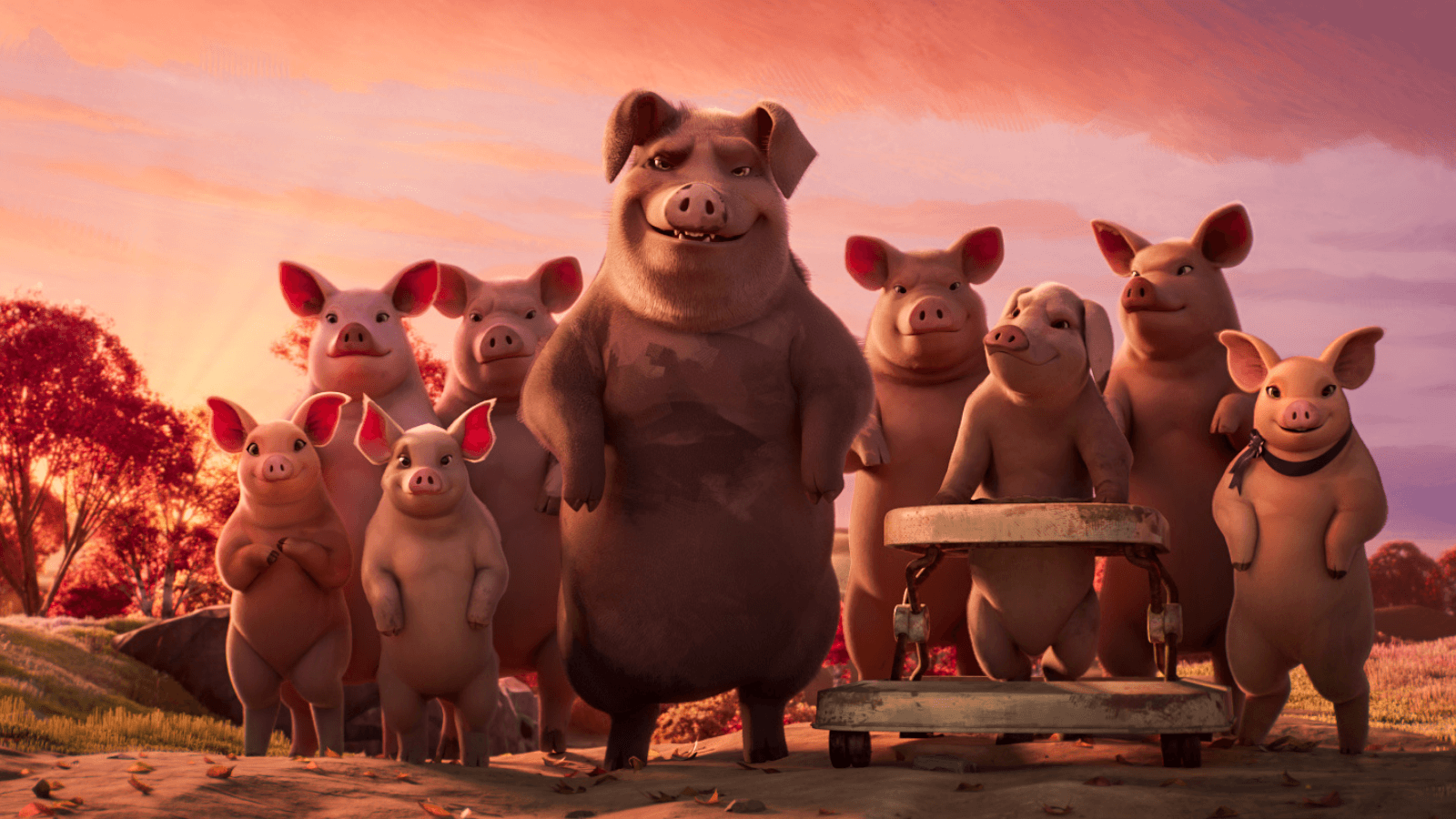
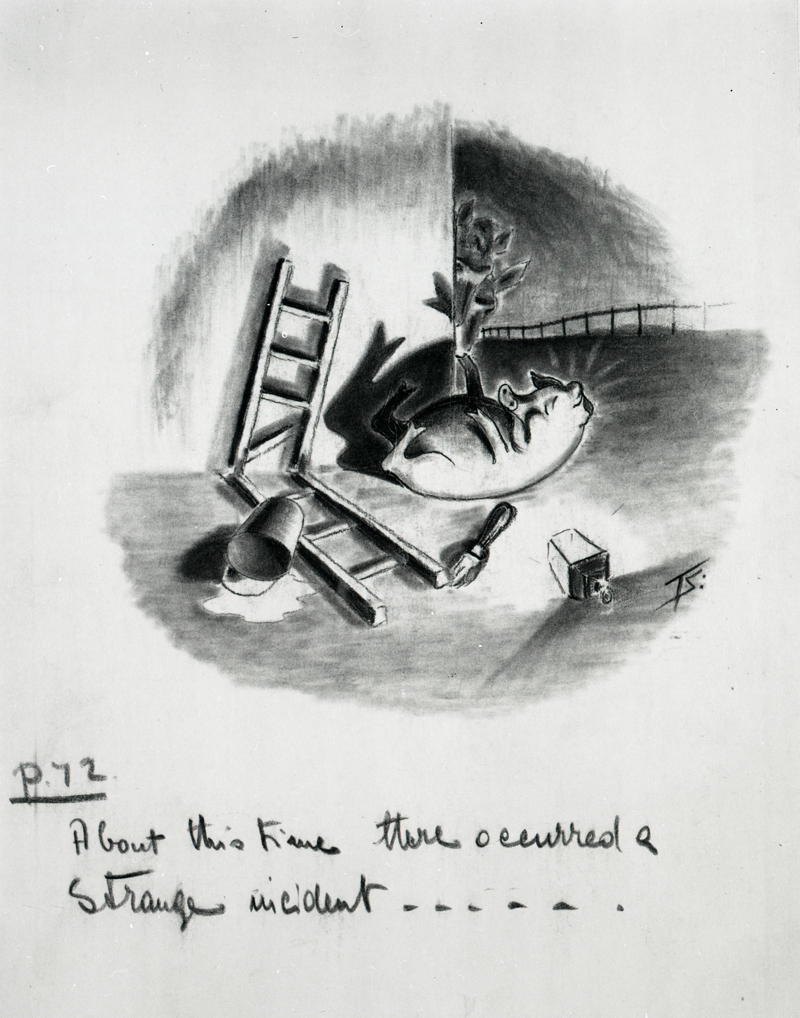
The movie is sheer propaganda, but for what? Orwell’s 1944 book is a bald allegory for revolutionary Russia – propelled by porcine avatars for Stalin, Trotsky and Lenin – but the Serkis vehicle gives things a modern spin. The arc of animal rebellion and totalitarian capture is background for a misbegotten father-son plot between an impressionable young pig named Lucky (an invented character) and Napoleon (Stalin). There’s also an evil corporation to contend with: its CEO (voiced by Close) wants to add Animal Farm to her agricultural industrial complex, and almost succeeds by wooing the pigs with TVs, iPhones and a Lamborghini. Communism per se isn’t the problem here so much as mendacious, greedy leaders in general. The book ends, famously, with a vignette in the farmhouse, looking from human to pig and pig to human, each indistinguishable. The movie has a happy ending. Lucky finds all four of his legs, organises a second rebellion, and he and the animals blow up the evil corporation’s giant hydroelectric dam. As for the patriarchy, Lucky engages Napoleon in trotter-to-trotter combat and sends him to a watery grave.
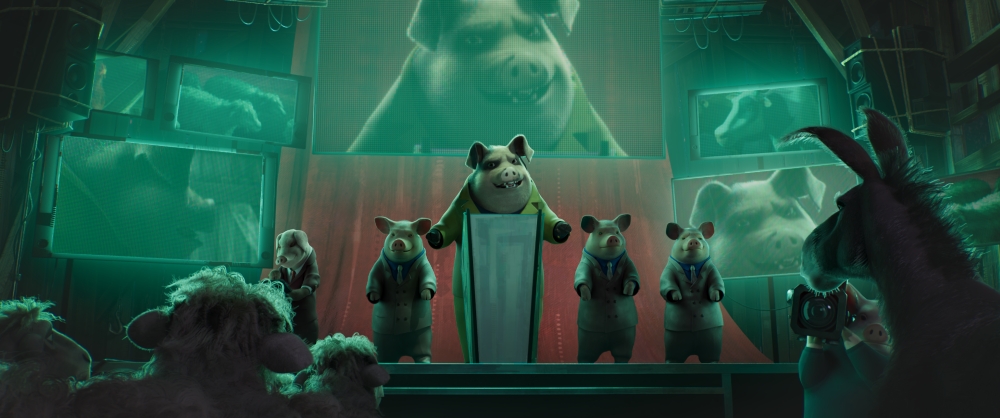
If there’s an allegory here, it falls outside the binary of the Cold War. Communism sucks, but so does capitalism. Snowball (Trotsky) delivers the movie’s clearest manifesto in the first five minutes, as the animals head to the slaughterhouse in a truck:
“My fellow animals, please listen! We need freedom, right now! [The animals don’t know what freedom is. They ask if it’s a kind of food.] Freedom is not food!… Freedom is the power to act, speak and think as one wants. Our lives are miserable and short. Humans lock us in cages and take our milk and our eggs and our wool. And what do we get as a reward for all that hard work? [What can we do? say the animals.] We can start a rebellion! We can join together and fight and finally be free!”
This could be bumper-sticker democracy, or libertarianism for kids. But in the shadow of the movie’s anti-corporate message, freedom is an end in itself – freedom from tyranny, exploitation, want; but also from technology, outsiders, consequences. The movie ends with the surviving animals alone on an island in a flooded valley, no farm to speak of, telling stories of the good old days. This, maybe, is the appeal for Mormons. The state of nature here is toil and bliss; work is its own reward, so long as you’re working for yourself and, if they deserve it, your friends.
Throughout the movie, Woody Harrelson in his best dumb-as-dirt Boxer voice tells Lucky to look at the staaahrs. The workhorse in his soul abdicates Earth for heaven, forgoes grain in our time for beads on some cosmic abacus. This ‘philosophy’ is flagrantly opposed to both Orwell’s free society of equals and Lenin’s socialist revolution. But, my fellow animals, we must judge Boxer as we judge people: by how well he honours God with his gifts and design. The Boxer death scene is exactly this – not, as Orwell would have it, the abuse of some gullible proletariat, but the Christian martyrdom of senseless self-sacrifice. In the book, Boxer is wounded in battle to save Animal Farm, then trucked away to the knackers. In the movie, he breaks a leg saving a hazmat-suited human from a gory death, then is airlifted to the glue factory. The animals watch him ascend, nimbused by spotlights, into the star-pricked night…
The Boxer’s Glue website, a zazzy Web 1.0 smorgasbord, lets you vote on Boxer’s fate: glue, or ‘retirement meadow’. Glue is ahead by 100 percent. Try to vote meadow, you can’t. The film may be a parody of a satire, but the site is a direct cop – all of the cash grab, none of the wit – of a MSCHF project called Our Cow Angus, where folks could buy a stake (burgers and handbags, actually) in a young bull. At a certain point, said folks were then given the chance to save Angus by cancelling their preorders, and a hair over half did. Who said democracy is dead? But the Animal Farm site’s tedious illusion of choice is insulting. Are we sliding towards autocracy? Will the gears of technofascism crush us all? Would socialism be even worse? Whatever Serkis and crew hoped to convey through these CGI barnyard follies doesn’t matter. The production is bland and confused enough that a company founded on Mormon Family Values finds it helps them spread God’s blinding light. Don’t worry about the pigs in charge. Look at the stars.
Read next The Distended Forms of Grotesque Satire