Depraved, according to J.J. Charlesworth, is a rehash of the ‘woke’ position on which kinds of artworks should be deemed bad
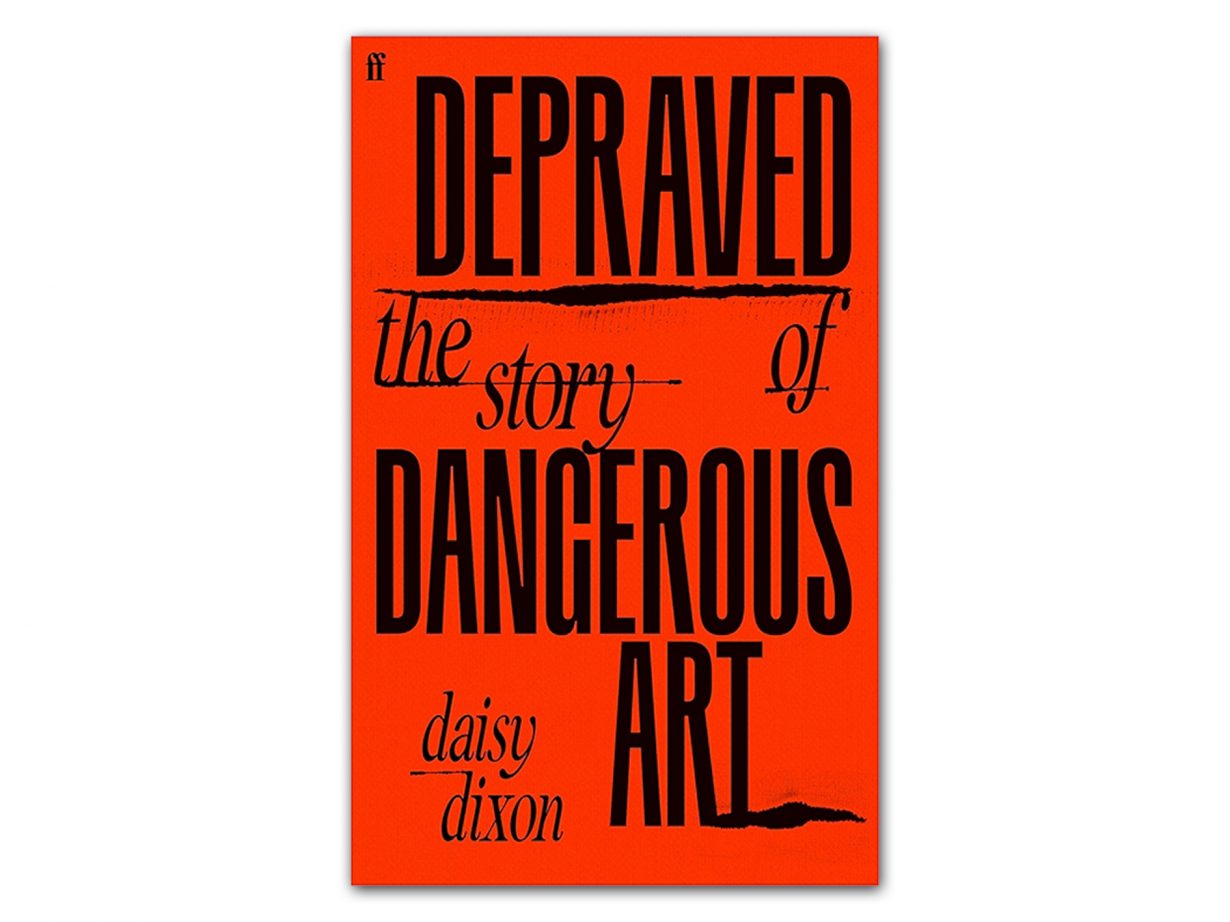
Though its title suggests that it might be about extreme artworks at the margins of morality, this book turns out to be a rehash of the ‘woke’ position on which kinds of artworks should be deemed bad: a handbook on how to look at the ‘depraved’ works correctly. ‘Depraved’ does a lot of lifting, since although the book opens and closes with the literary depravities of the Marquis de Sade, Daisy Dixon’s real preoccupation is attacking mostly canonical historical Western artists for their art’s supposed complicity in a familiar roll call of intersectional wrongs – ‘racism, sexism, ableism, homophobia, transphobia, and social inequalities’. Depravity, Dixon suggests darkly, ‘does not always appear how we might expect it to. It can hide in plain sight like a wolf in sheep’s clothing.’
So while Dixon has an oddly soft spot for de Sade’s rancidly explicit fictions of the rape and murder of underaged girls (those are bad, but de Sade has ‘morally laudable’ elements, namely his ‘subversion of gender binaries and oppressive social norms’ – yes, me neither), ‘depravity’ really has to be hunted out and revealed in artworks that were long seen as acceptable. The Rape of Europa (1560–62), Titian’s depiction of the Greek legend, for example, ‘tells us that sexual violence is alluring and erotic’. Art, though visual, is for Dixon a form of ‘hate speech’.
The obsession with judging artworks mainly as literal projections of the ‘depraved’ attitudes (by today’s standards) of an artist or a past society, however, causes Dixon to generate some crazy theories of art criticism. Hypothesising two identical portraits of a girl, one made by a ‘loving older sister’, the other by convicted paedophile painter Graham Ovenden, Dixon concludes that ‘the former artwork would be innocuous, but the latter would not be innocuous at all’. Obviously, this is bizarre, especially as later she discovers Hitler’s latent proto-Nazism in his innocuous landscape paintings. But Depraved reveals the basic trouble of social-justice art criticism: the insistence on indicting the artist’s intention ends up erasing the artwork’s autonomy – that it might consist of anything more than intention or biography. More dangerously, it also denies the viewer’s own agency: to judge for themselves, to appreciate the work on their own terms, while taking or leaving the history that made it, regardless of progressive puritans like Dixon.
Depraved: The Story of Dangerous Art by Daisy Dixon. Faber & Faber, £20 (hardcover)
From the Summer 2026 issue of ArtReview – get your copy.