The multivenue triennial leans into creating connection between locals and nonlocals in a rapidly transforming city
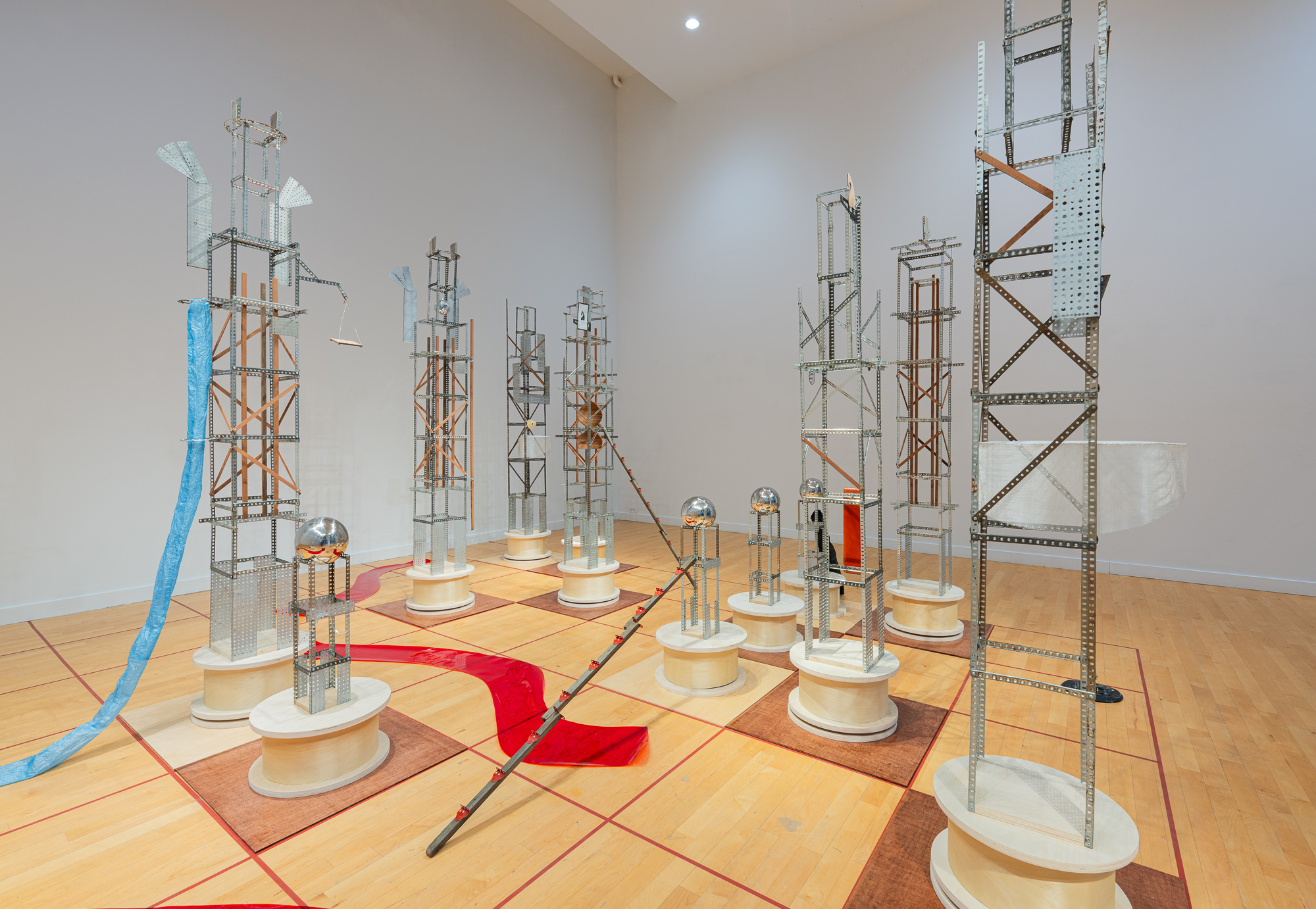
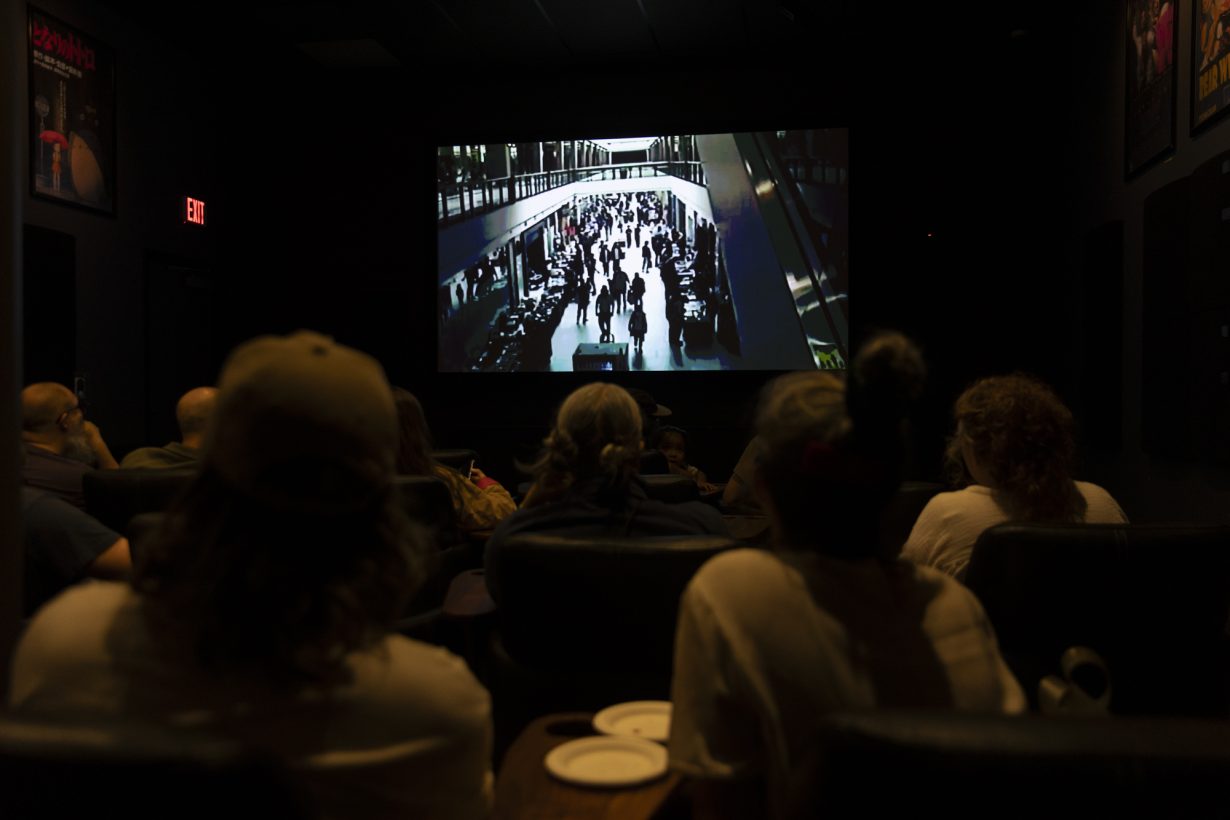
At Movie Madness, a Portland institution that preserves the art of the DVD rental, is a dramatic reminder that the city is a liberal haven for misfits. Vo Vo’s Street Meetz (2026) is a VHS-style complication of interviews: trans teenagers at a local amine convention, punks from the rural Midwest at a Halloween party and a theory-minded gallerist ruminating on the spatial politics of protecting half-empty malls. The most compelling local talents in this year’s edition of Converge 45, a multivenue triennial taking place across the city, all harbour a distinct intensity that reflects the interests and character of a city whose sub- cultures and contemporary art communities are only distantly connected to commercial activities in international art metropolises. At Hoffman Gallery at Lewis & Clark College, the indulgent figuration in Srijon Chowdhury’s bloody-hued painting of a woman giving birth next to a doula – as seen in a third woman’s iris – enwraps the scene in an atmosphere of solidarity: birth, a loaded signifier, here binds three women together in pain and renewal. At Center for Contemporary Art and Culture at Pacific Northwest College of Art is Ido Radon’s sarcastically titled Men make their own history… (2026), a sculptural installation of 14 skeletal and unfinished-looking towers arranged on a grid. Radon formally and symbolically cites games like chess, with its modernist, intellectual associations, as well as Erector sets and Chutes and Ladders, which are marketed towards adolescents and preschoolers, respectively – mocking both masculinity and modernist optimism towards the construction of new realities.
Here, To you, Now focuses on Oregon-based artists while bringing in a handful of others from New York, California and abroad. MORE and more (2026), New York-based artist Trisha Baga’s 3D video installation at Portland Institute for Contemporary Art, relays and overlays footage of the artist’s child, computer screen recordings and outer space simulations into a swirling sea of imagery projected against toys. The work considers accumulation as a mode of being and celebrates juvenile potential yet to be dictated or absorbed by larger structures. Read alongside Portland’s growing tech sector, it evokes a rather hopeful comparison between how a child demands nutrition and love and how an LLM demands more training data. Other Spaces (2026), Amy Ruhl’s net.art-looking video installation at Oregon Contemporary, translates Ursula K. Le Guin’s idea of utopias founded on uncertainty into animations of manifesto-writing female androids with campy allusions to failed revolutions, accompanied by sterile, plastic-looking sculptural props that look like they belong in a bio lab. Despite its science fiction framing, the subtext of Ruhl’s rereading of Le Guin speaks most resonantly to the here and now, finding fault in presentist woes like ecological anxiety and political tribalism.
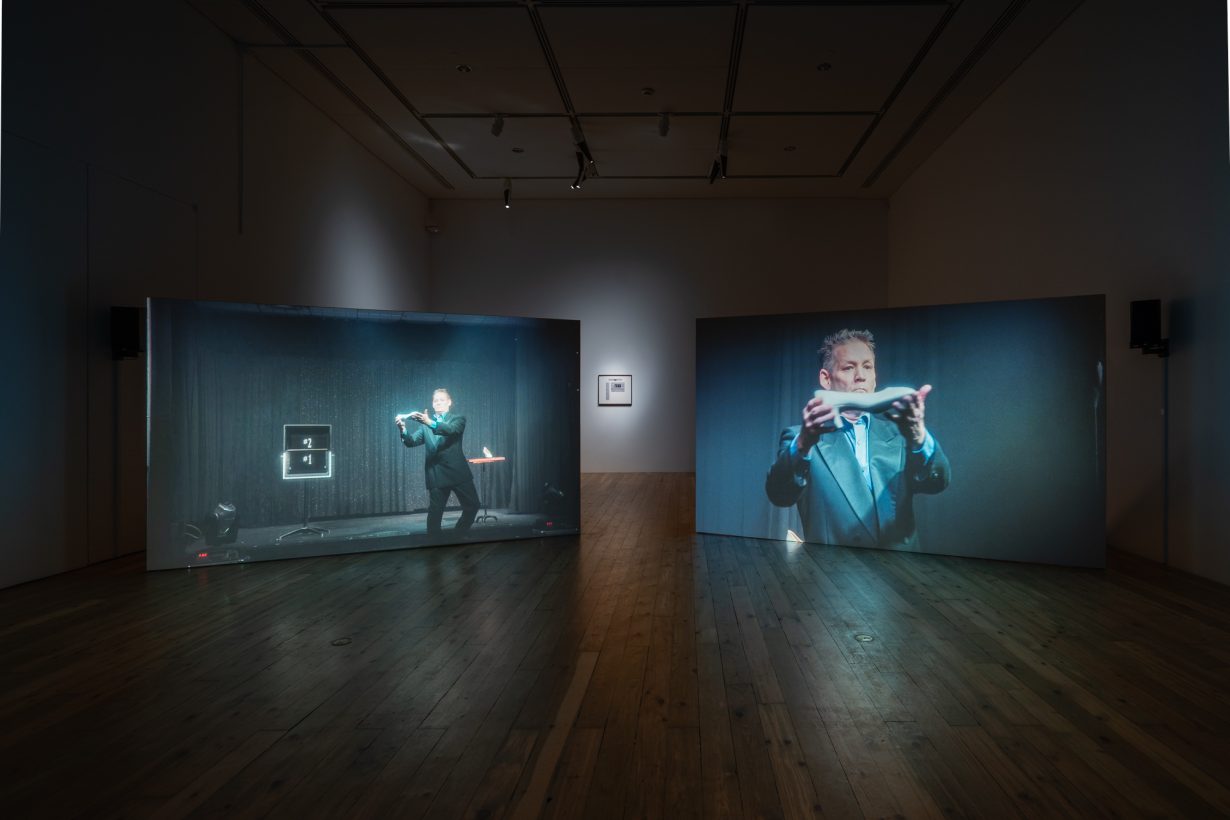
New York-based artist Rose Salane’s exhibition at Cooley Gallery at Reed College, Afterlife in Public, considers magic as a psychic force sitting somewhere between kitsch and parody. In the show’s title work, a multichannel video installation from 2026, a pair of heels worn by Princess Diana and auctioned off to Salane is transformed into a subject and object of this force. Salane commissioned the owner of a small but storied magic shop in Portland, located in a soon-to-be-demolished, beloved mall, to make the shoes appear and disappear before nostalgic and enthralled local audiences. Salane’s videos document the warmly received theatrics, suggesting that a kind of tech-less illusionism can create lasting bonds despite its impermanence. Likewise, Converge 45 seems to lean into creating connection between locals and nonlocals in a rapidly transforming city, resulting in a generative encounter.
Converge 45 2026: Here, To you, Now, Various venues, Portland, 27–30 August
From the October 2026 issue of ArtReview – get your copy.


