Who owns images? An upcoming exhibition pairing the artists puts appropriation and the issues around it on centre stage
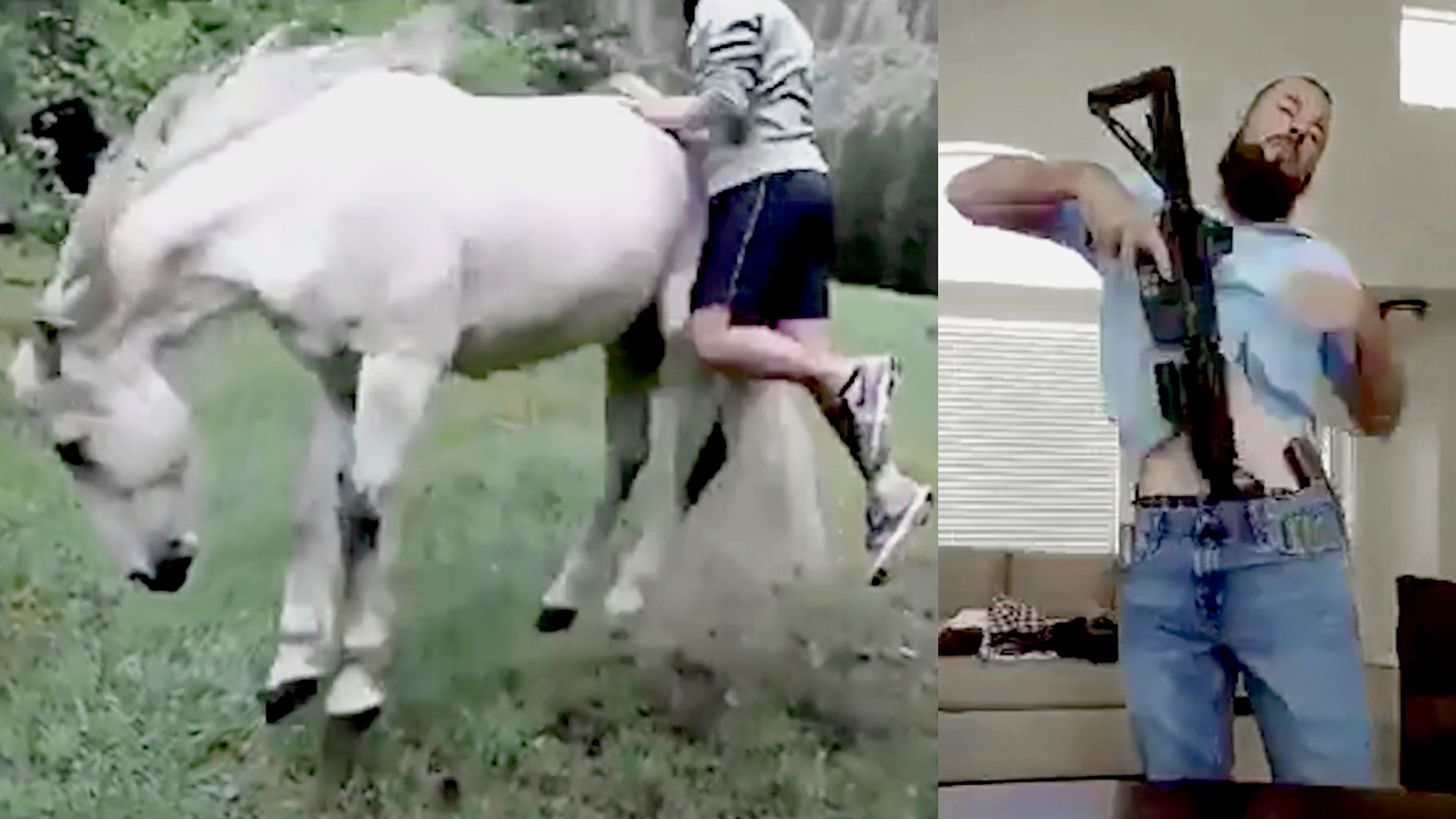
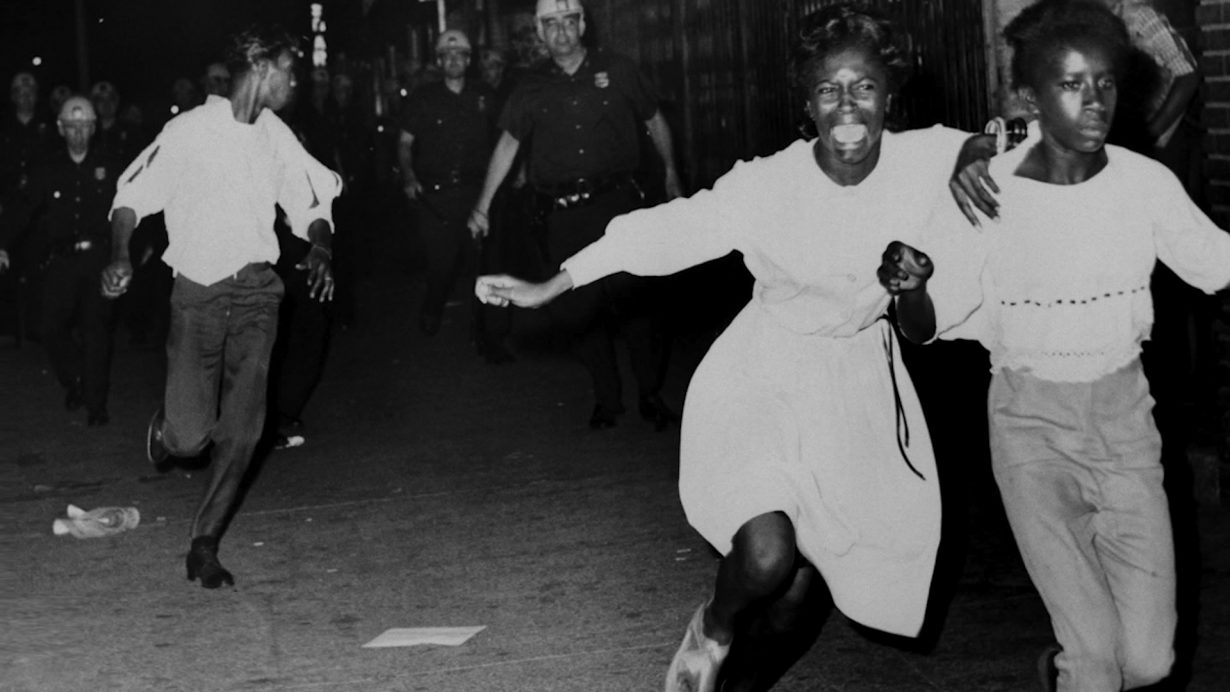
On the side of a road at night, Kametra Barbour walks backward with her hands raised above her head. When she comes within range of the police dashcam that is recording her, we hear the distress in her voice. “What is wrong?… My children – they’re six and eight,” she cries, as a small boy steps out of her parked car and moves timidly towards the cops, his hands raised too. The arrest, during which Barbour was mistaken for someone for whom the police of Forney, Texas, were looking, took place in 2014, but the footage continues to be seen, featured as it is in artist Arthur Jafa’s single-channel video Love is the Message, The Message is Death (2016). This eight-minute montage, first screened at Gavin Brown’s Enterprise in New York, shows not only Barbour’s arrest but also police violence committed against scores of other Black people, including a 2015 clip of then-fifteen-year-old Dajerria Becton of McKinney, Texas, being forced to the ground at a pool party by a white male officer, filed among shots of Michael Jackson dancing, LeBron James dunking, Muhammad Ali dodging punches and more, all set to Kanye West’s hip-hop gospel track Ultralight Beam (2016). Years later, the video of Becton’s assault still lives on the internet, as well as in the collections of the Smithsonian, the Hirshhorn, the High, the Met and other museums that acquired Love is the Message… after its gallery debut.
Jafa’s videos, sculptures and installations, which are by turns horrifying and heartening – and undeniably moving – have since been exhibited worldwide. He works like a magpie, culling images and videos from the web and storing them on a large Mac that he purportedly carries on trips in a shockproof suitcase. His archive includes such gruesome artefacts as a photo of the 1920 lynchings of Elias Clayton, Elmer Jackson and Isaac McGhie, which he enlarged and displayed as wallpaper at the Louisiana Museum of Modern Art in Denmark, or the scene in Taxi Driver (1976) during which Robert De Niro’s character goes on a killing spree inside a brothel, which Jafa digitally altered and looped to create the film BG (2024) for an exhibition at Gladstone Gallery in New York. Jafa’s computer also contains footage of criminals like the white supremacist Dylann Roof moments before he opened fire on worshippers at Emanuel African Methodist Episcopal Church – material the Mississippi-born Black artist used in The White Album (2018), a montage that earned him the Golden Lion award at the 2019 Venice Biennale.
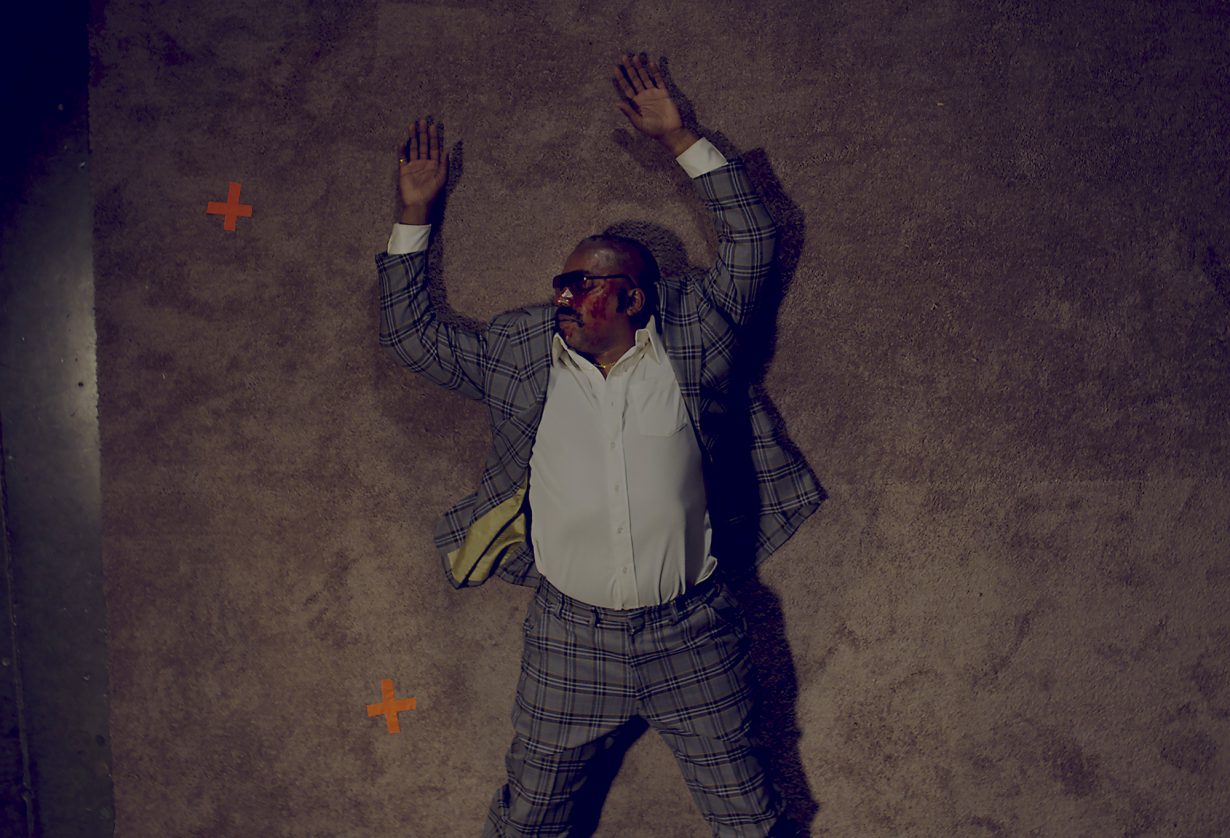
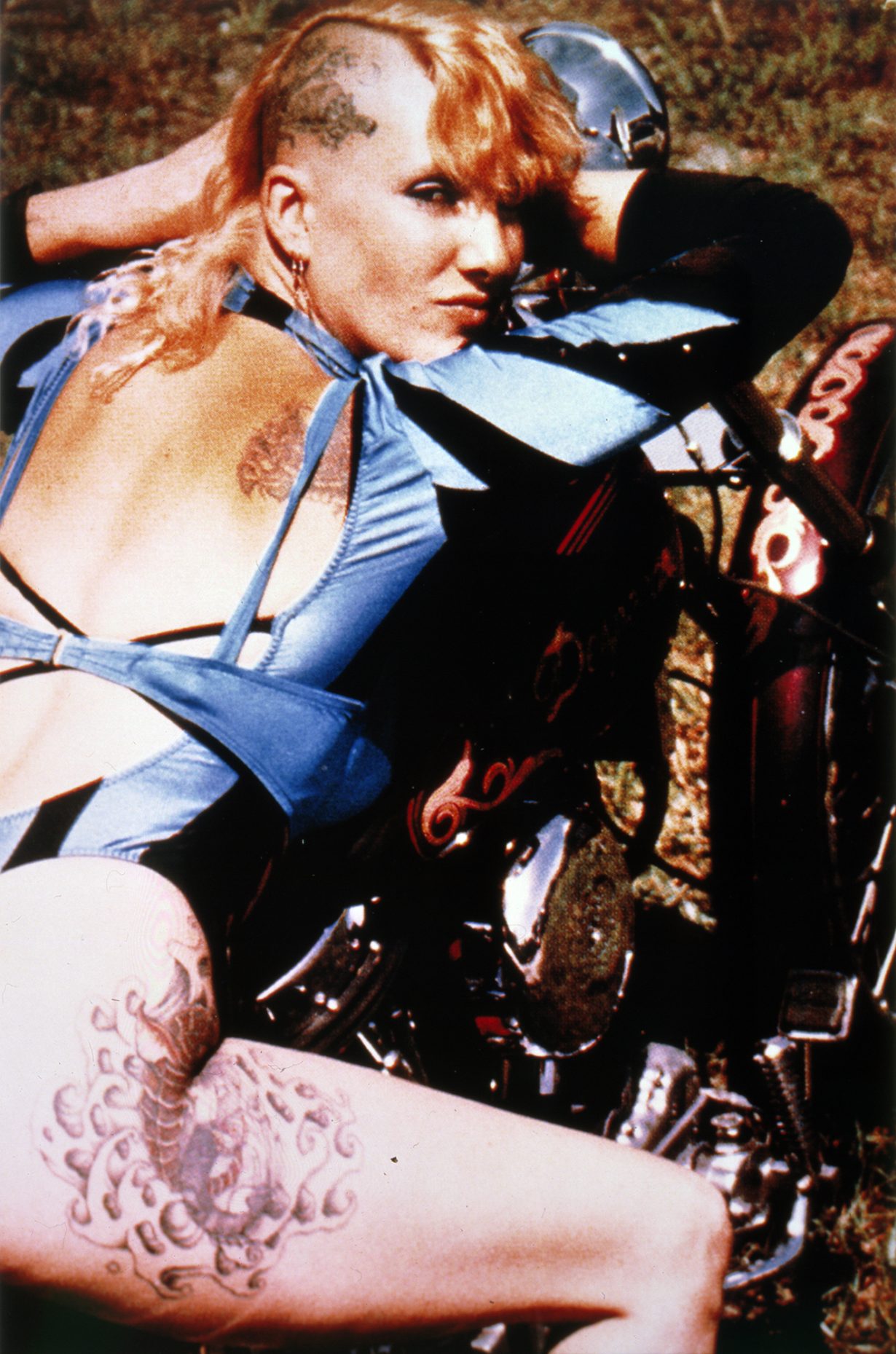
In a 2022 video interview, Jafa praised the notorious image-pilferer and Pictures Generation darling Richard Prince, claiming that “a very large percentage” of his own works resemble, in technique if not tone, Prince’s Girlfriends series (1992–93) – pictures rephotographed from raunchy amateur snapshots published in the backs of biker magazines – and his Gangs series from the 1980s, gridded image inventories made by grouping multiple 35mm slides into one internegative. The elder artist, according to Jafa, “authorized a certain… transposition of things from one space to another space as a legitimate… conceptual gesture”. The word Jafa seems to be circling is ‘appropriation’.
Because Jafa, who began his career as a cinematographer on films like Crooklyn (1994) and Eyes Wide Shut (1999), not only samples found footage but also incorporates his own images – of friends, family – he does not immediately fit the stereotype of the cool, ironic twentieth-century appropriation artist embodied by Andy Warhol, by Prince. While Prince has faced multiple copyright lawsuits – a video of his seven-hour deposition at the offices of Cravath, Swaine & Moore, where he answered for stealing two Instagram posts by photographers Donald Graham and Eric McNatt, was screened in 2025 at Sant’Andrea de Scaphis in Rome, as part of the exhibition Jannis Kounellis / Richard Prince – according to public records, Jafa has not. On the contrary, he has been widely celebrated, even hailed as ‘the saviour of the artworld’ by Ghanaian-British filmmaker John Akomfrah. Still, Jafa describes Prince’s influence as a kind of ‘authorization’ – permission-giving – which points to the heart of the perennial debate on appropriation, and more broadly the problem of artists laying claim to anything – aesthetic forms, histories, myths, anecdotes, one-liners – as material for their work. Who authorises it? Is authorisation needed? And even if the law permits it, why does something still feel wrong?
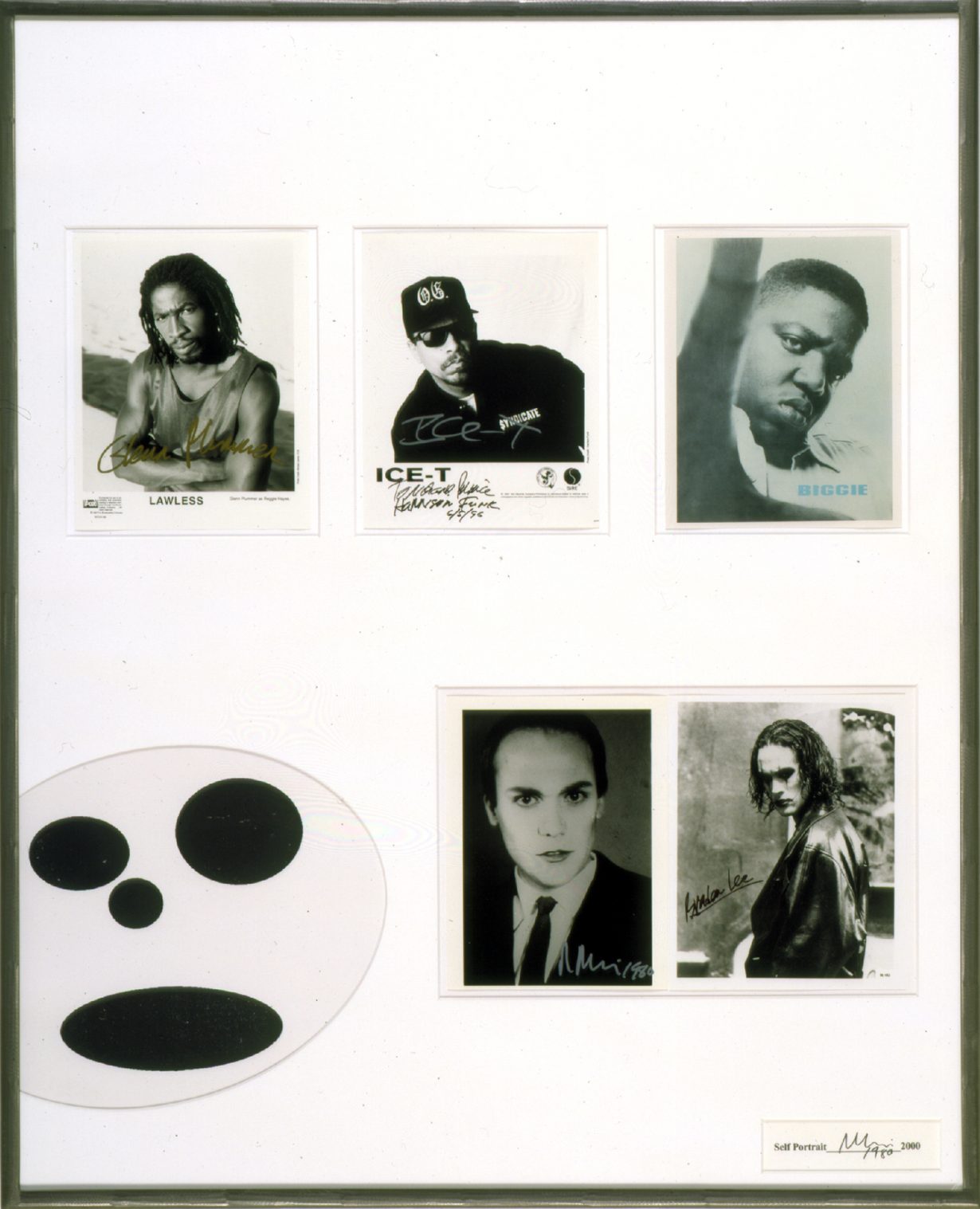
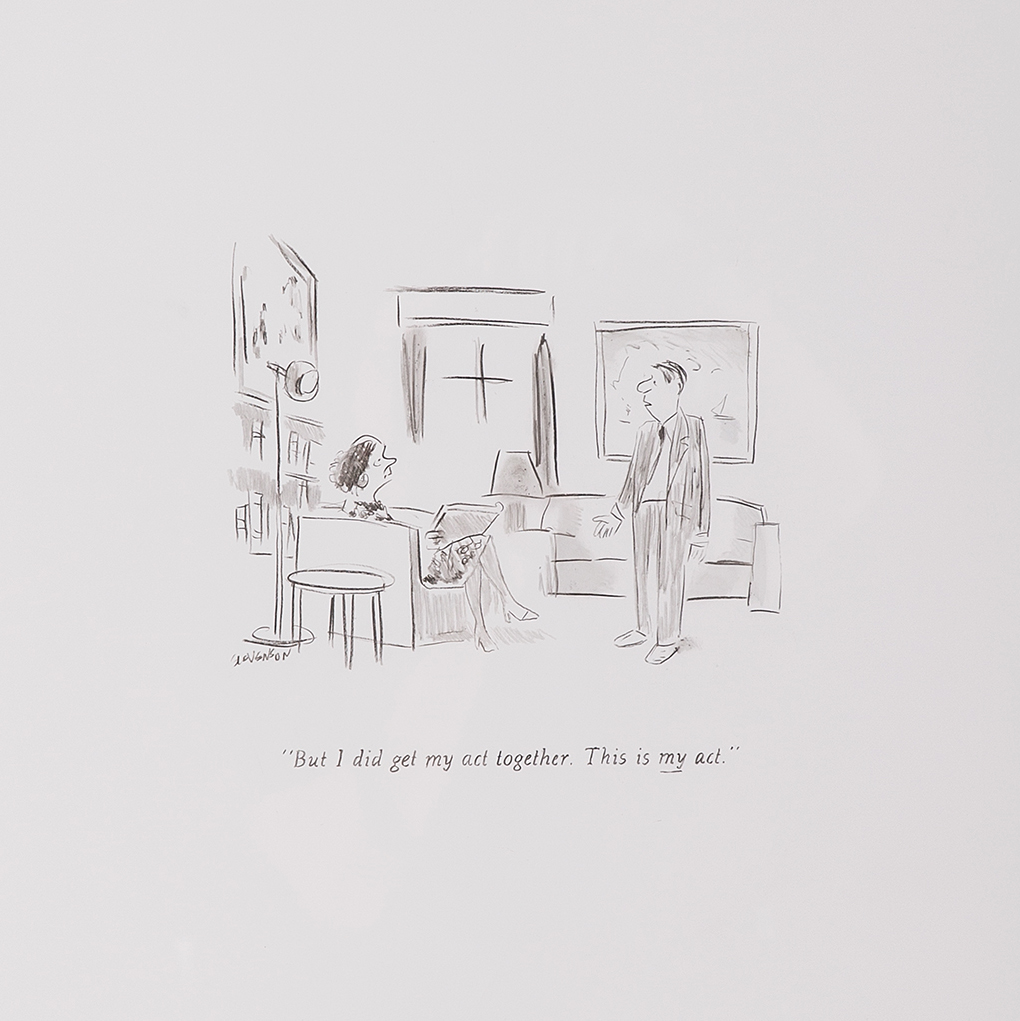
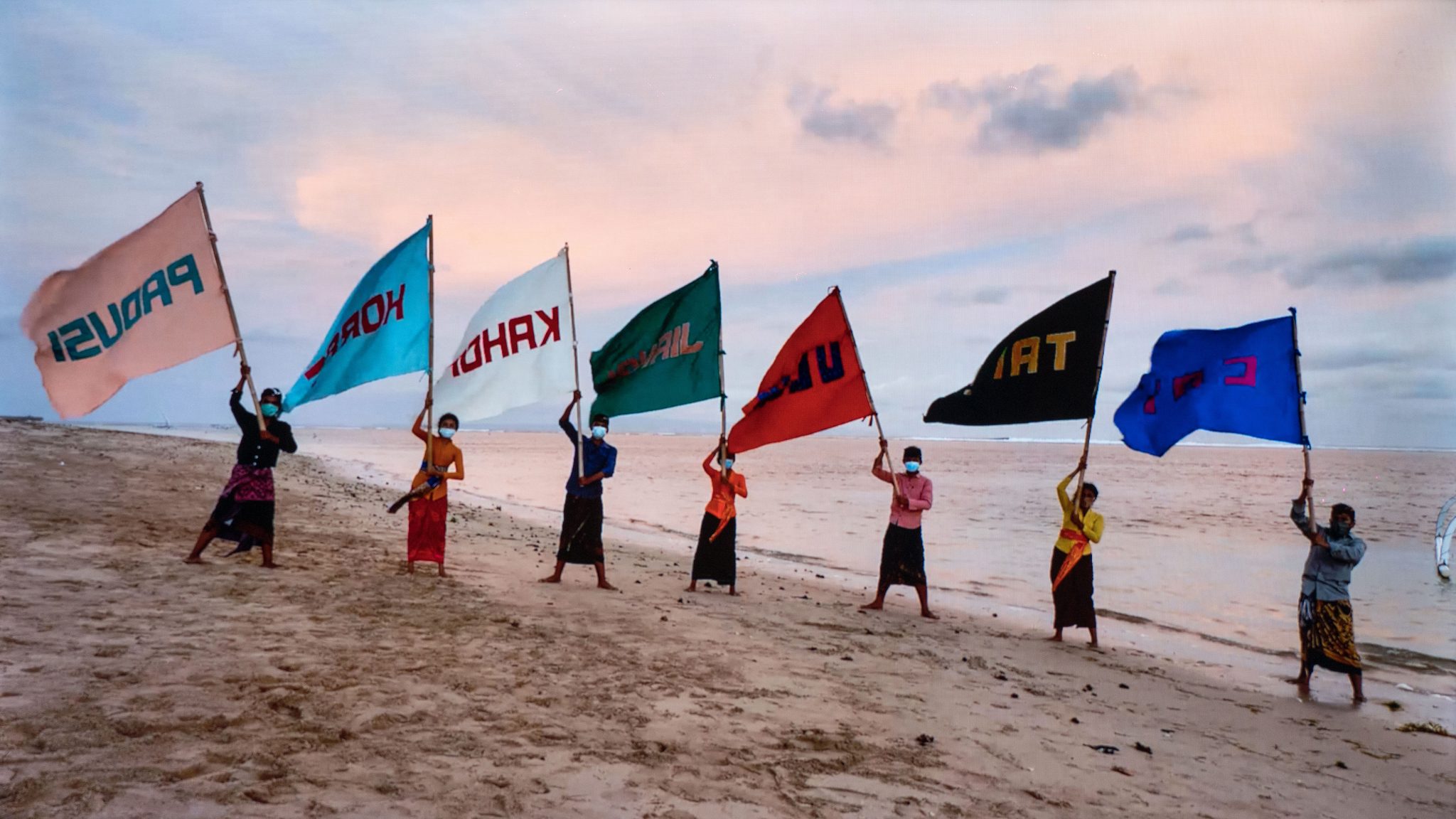
Prince, for his part, has had no qualms about appropriation. Over the years, he has built a career by reproducing not only Madison Avenue advertisements and Marlboro campaigns but also works with more explicit authorial presence, like the hand-drawn New Yorker cartoons he began copying in 1984, as well as images of real people, such as the celebrities in his Publicities series (1999–) and the women in Girlfriends, who awkwardly mimic pinup poses on the backs of their boyfriends’ motorcycles. In an early interview, Prince said, very simply, ‘I never liked my work… Because I did it. Obviously, if you don’t like your work, a logical alternative is to take someone else’s – and call it yours. The activity of taking seemed reasonable… I’m interested in sitting at my desk with my hands folded neatly in my lap.’ His nonchalance is especially evident in Spiritual America (1983), a rephotographed image of a naked ten-year-old Brooke Shields originally taken by photographer Gary Gross for Playboy in 1975, a work that has proven so morally taxing that it will not be on view in Fondazione Prada’s Helter Skelter: Arthur Jafa and Richard Prince, which features, among various sculptures and installations by the two artists, several of Jafa’s major videoworks, including Love is the Message, LOLM (2022) and SloPEX (2023), and a selection of Prince’s emblematic photo series and paintings.
But there are two layers of theft to be contended with in the case of Spiritual America. One is Prince’s scraping of Gross’s intellectual property. The other is Gross’s photograph of Shields, taken without the child actor’s meaningful consent: although her mother signed the permissions for the shoot, Shields later tried (unsuccessfully) to issue an injunction preventing further publication of the nude. It was sympathy for Shields rather than for Gross that fuelled the criticism Prince received for Spiritual America, particularly from feminist media-critics and those who saw through the artist’s clever commentary on what he called ‘the management of an image’ and ‘the ecstasy of communication’ to what’s actually depicted in the photograph: an unclothed child standing in a bathtub, made-up and oiled for the camera.
In a manifesto titled ‘My Black Death’ (2003), Jafa draws our attention to the long legacy of European colonialism, which authorised the largescale pillaging of Black culture by white artists: Picasso collected African sculpture, Jackson Pollock listened to jazz while he painted, John Cage practised improvisation, although he avoided the term itself, ‘saturated as it was’, Jafa writes, ‘with black meaning’. In each case, Black influence was (incompletely) erased, while the white artist was canonised for his supposed originality. More than permission, power licenses the act of appropriation, as well as one’s ability to produce, manipulate and sell images of others in the first place. It determines who operates the camera, whose likeness is packaged and whose consent is needed for any of this to occur. If it seems clear why Prince, in his eagerness to recycle the slag of America’s despoiled visual landscape, has earned a reputation as an artworld enfant terrible, it follows that Jafa, to some extent, has done the same. Ultimately, however, neither can sit comfortably with his ‘hands folded neatly’; not really. To use an image, one must first reach out to claim it, and by claiming it, one elects to shoulder the burden of its content.
Helter Skelter: Arthur Jafa and Richard Prince is on view at Fondazione Prada, Venice, 9 May – 23 November
From the April & May 2026 issue of ArtReview – get your copy.
The 61st Venice Biennale runs 9 May through 22 November 2026