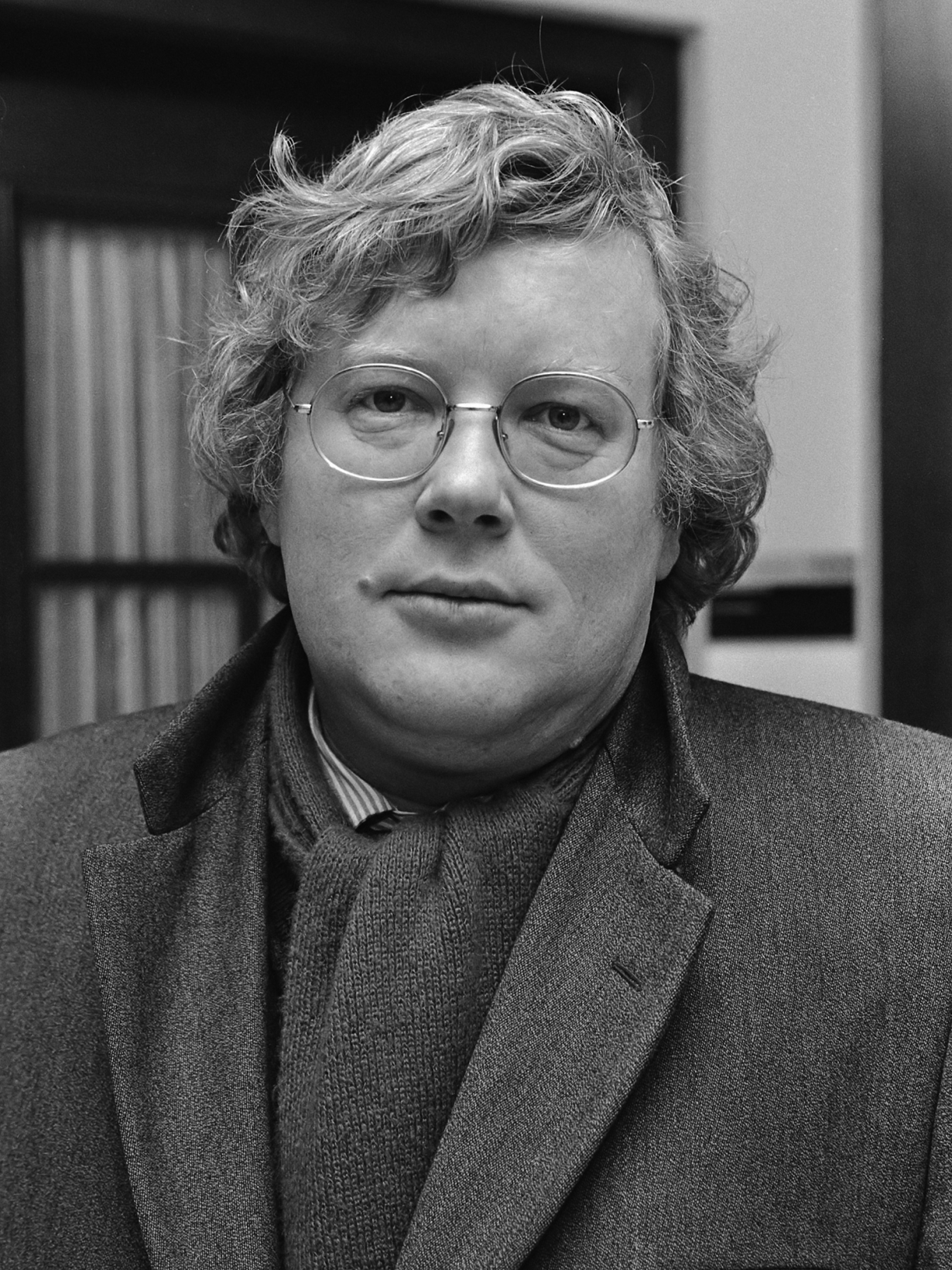
Rudi Fuchs, an influential curator and museum director, has died age 84.
Born in Eindhoven in 1942, Fuchs studied art history at Leiden University and started writing about art in the late 1960s. In 1975, he became director of the Van Abbemuseum in Eindhoven. During his tenure, he significantly expanded the museum’s collection of European modern and contemporary art championing, among others, artists such as Georg Baselitz, Jan Dibbets and Daniel Buren, which he would continue to put forward throughout his career. As artistic director of Documenta 7 in 1982, his stated aim was to do justice to the ‘dignity’ of art. The exhibition, which was particularly heavy on paintings and sculptures, received mixed reviews, with one critic qualifying it as a ‘palace of pleasure’ and others criticising Fuchs’s apolitical approach.
Fuchs then continued his museum career, serving as artistic director of Castello di Rivoli in Turin from 1984 to 1990, director of the Gemeentemuseum in The Hague from 1987 to 1993 and director of the Stedelijk Museum in Amsterdam from 1993 to 2003. At the Stedelijk, he became known for his idiosyncratic displays that combined works from different artists and styles.
In 2016, Fuchs returned to the Amsterdam institution as guest curator for Excitement, an exhibition surveying his own career. In his exhibition text, summing up his approach, he wrote: ‘In 1982, when my Documenta presented very different works in a dialogue setting, the critic of the New York Times called me a “romantic fascist”. But to me, the combination was powerful and exciting – that’s why I did it – so that I, and the public, could see things from a fresh perspective… Everything’s very different, which is why it works.’


