“As long as the German Pavilion remains a fascist architecture, there will be artists who feel compelled to work against it”
ArtReview sent a questionnaire to artists and curators exhibiting in and curating the various national pavilions of the 2026 Venice Biennale, the responses to which will be published daily in the leadup to and during the Venice Biennale, which runs from 9 May through 22 November.
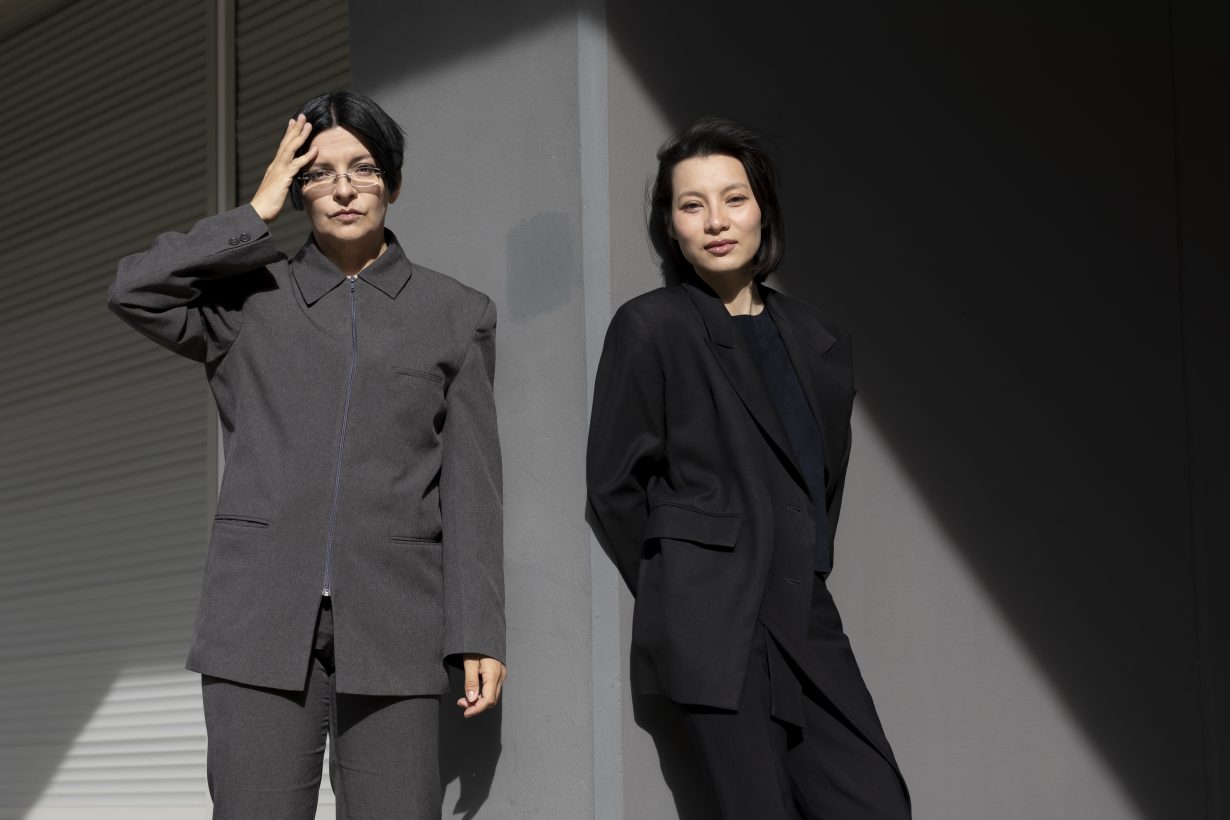
Sung Tieu and Henrike Naumann (1984–2026) are representing Germany; the pavilion is in the Giardini.
Celebrating Visions. Versace partners with ArtReview to share stories from the 2026 Venice Biennale.
ArtReview Tell ArtReview what you plan to exhibit in Venice. What has influenced or inspired you?
Sung Tieu My mother, and my childhood home, now in the process of disappearing. Love and imaginative abundance, found in places most tend to reduce to precarity.
AR In what ways (if at all) does your work relate to the theme of the Biennale exhibition, In Minor Keys?
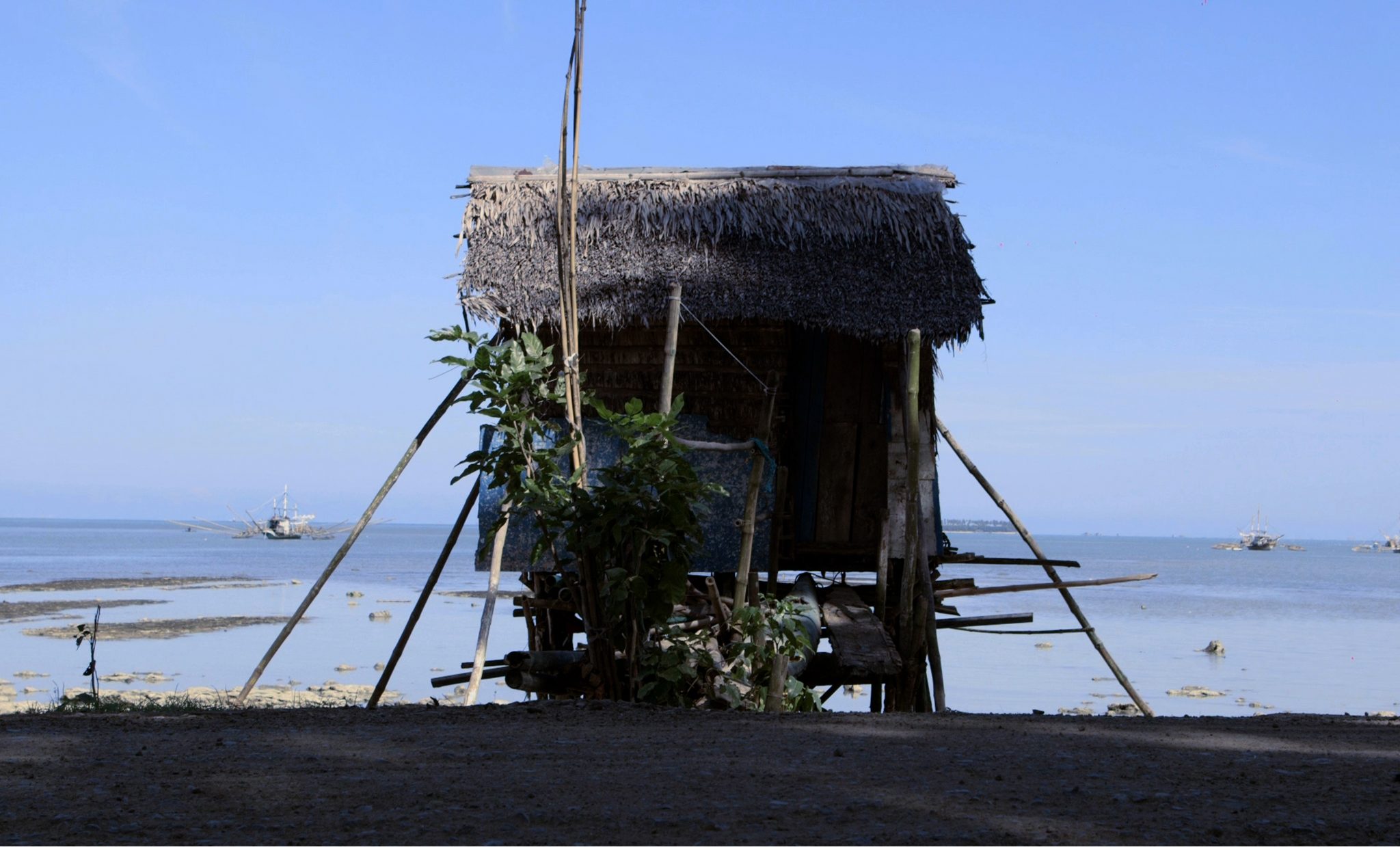
ST For me, the minor key is Gehrenseestrasse. A site built for foreign contract workers and the GDR’s labor needs that later transformed into a fragile refuge for the diaspora. From the fall of the Berlin Wall to its demolition today, it stands as a concrete record – of my own history and of a collective memory written in the margins.
AR Why is the Venice Biennale still important, if at all?
ST I’m not sure it is. But as long as the German Pavilion remains a fascist architecture, there will be artists who feel compelled to work against it.
AR What role does a national pavilion play?
ST It reveals how much work remains in undoing nationalism.
AR Who, for you, is the most important artist (in any discipline) that your country has produced?
ST The artists I return to would likely object to being framed like that.
AR Given that you are exhibiting in a national pavilion, is there something (a quality or an issue or attitude) that distinguishes the art of that nation from that of others? That makes it particular? Are there specific contexts that it responds to? Or do you think that art is a universal language that goes beyond social, political or geographic boundaries?
ST A rooted experience open enough for others to enter.
AR What, other than art, are you looking forward to seeing – or doing – while you are in Venice?
ST Isola di San Michele, Lazzaretto Nuovo and Burano’s Lace Museum.
AR Could you give us a brief overview of your average working day while creating your presentation in Venice?
ST I spend as much time with the work as possible. Occasionally I step away – for a coffee or a walk – and return with a different eye.
AR Can art really change the world?
ST It can change thoughts. And that is the only thing that ever changes anything.
The 61st Venice Biennale runs 9 May through 22 November 2026