A series of new museums are reshaping the cultural ecology of Taiwan. Within that, museums are merging with libraries. But is the arts landscape really joined up?
First came the New Taipei City Art Museum, with its striking aluminium-clad facade designed by homegrown architect Kris Yao. Opened in April 2025 in Yingge, New Taipei City – the municipality that surrounds Taipei – it has already attracted attention for exhibitions foregrounding local art history.
Next was the multivenue Taoyuan Museum of Fine Arts, comprising a main museum and two subsidiary art centres. The main building, near Taoyuan Airport, is opening in phases between 2025 and 2028. One subsidiary, the Taoyuan Children’s Art Center, connected to the main museum via an elevated corridor, has been strengthening international ties – it recently collaborated with the National Gallery Singapore on an environmental-themed exhibition titled When Art Meets Nature.
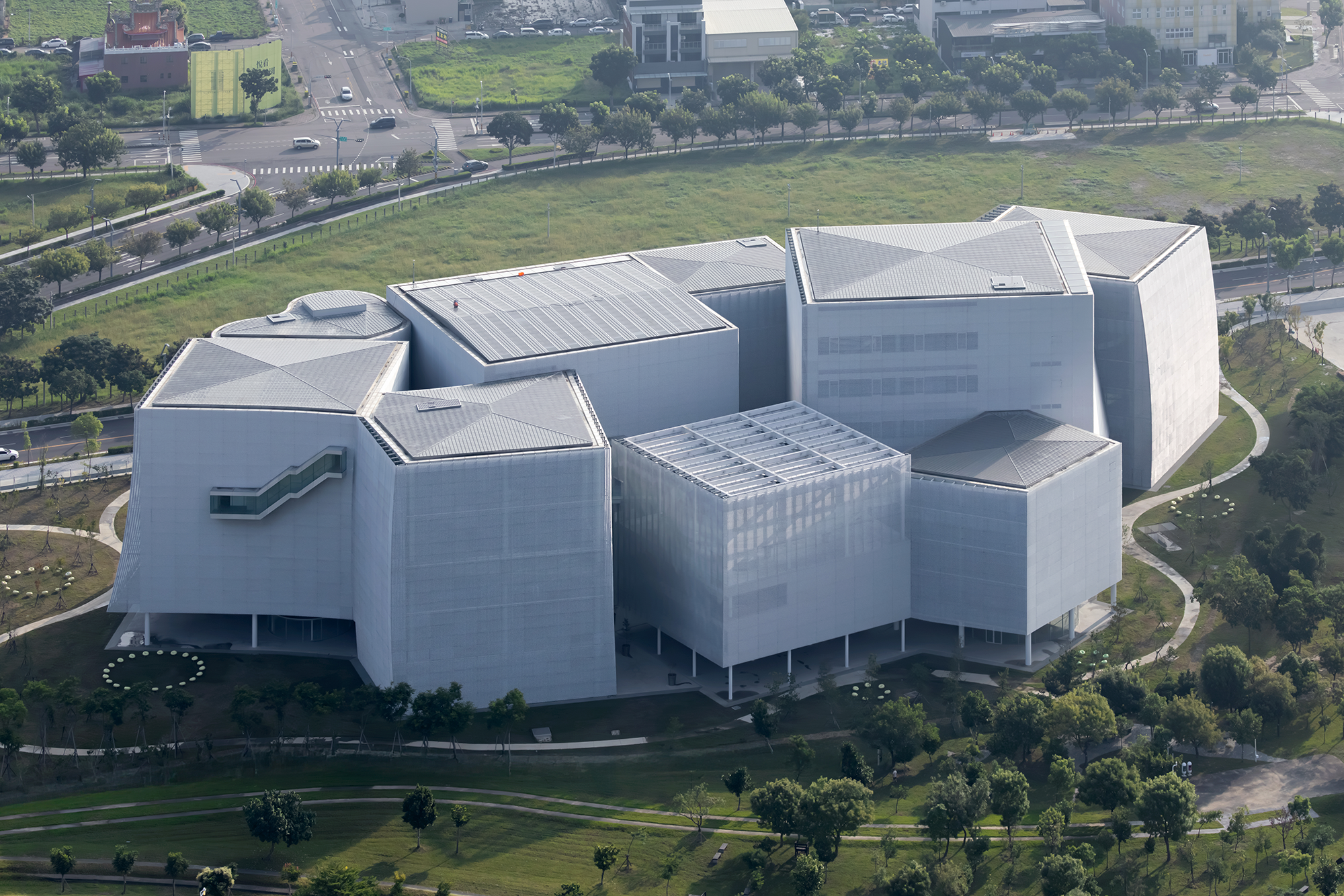
In December, Taichung Green Museumbrary became the newest addition to this slate of municipal museums, in Taichung, Taiwan’s second-largest city. Combining the Taichung Art Museum and Taichung Public Library, the building was designed by Pritzker Prize-winning architects SANAA as eight interconnected volumes clad in silvery aluminium mesh. The airy structure sits within Taichung Central Park, itself part of the larger Shuinan Trade and Economic Park development. Built on the site of a military airport decommissioned in 2004, the district is envisioned as a future hub for ‘smart’ industries and business centres.
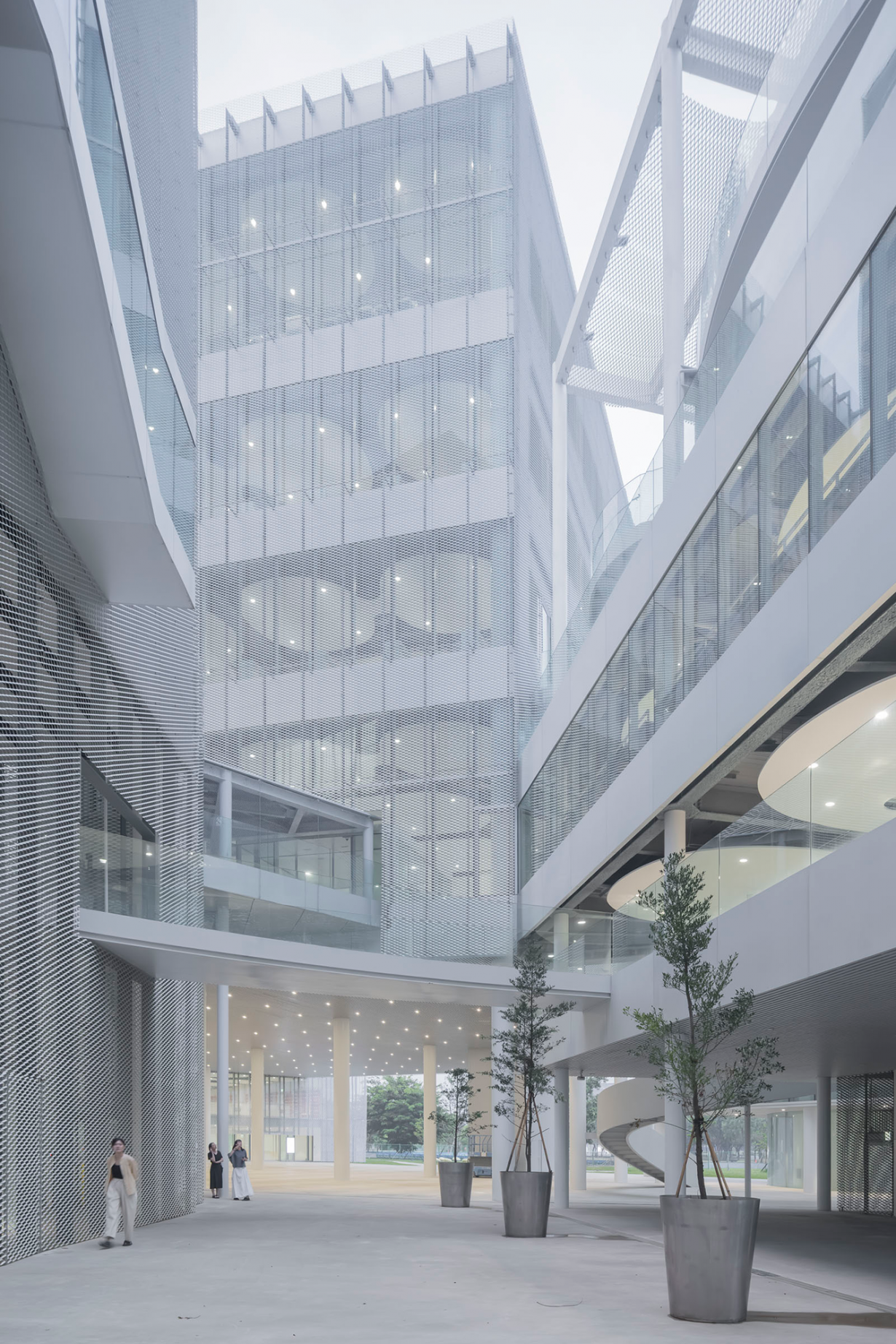
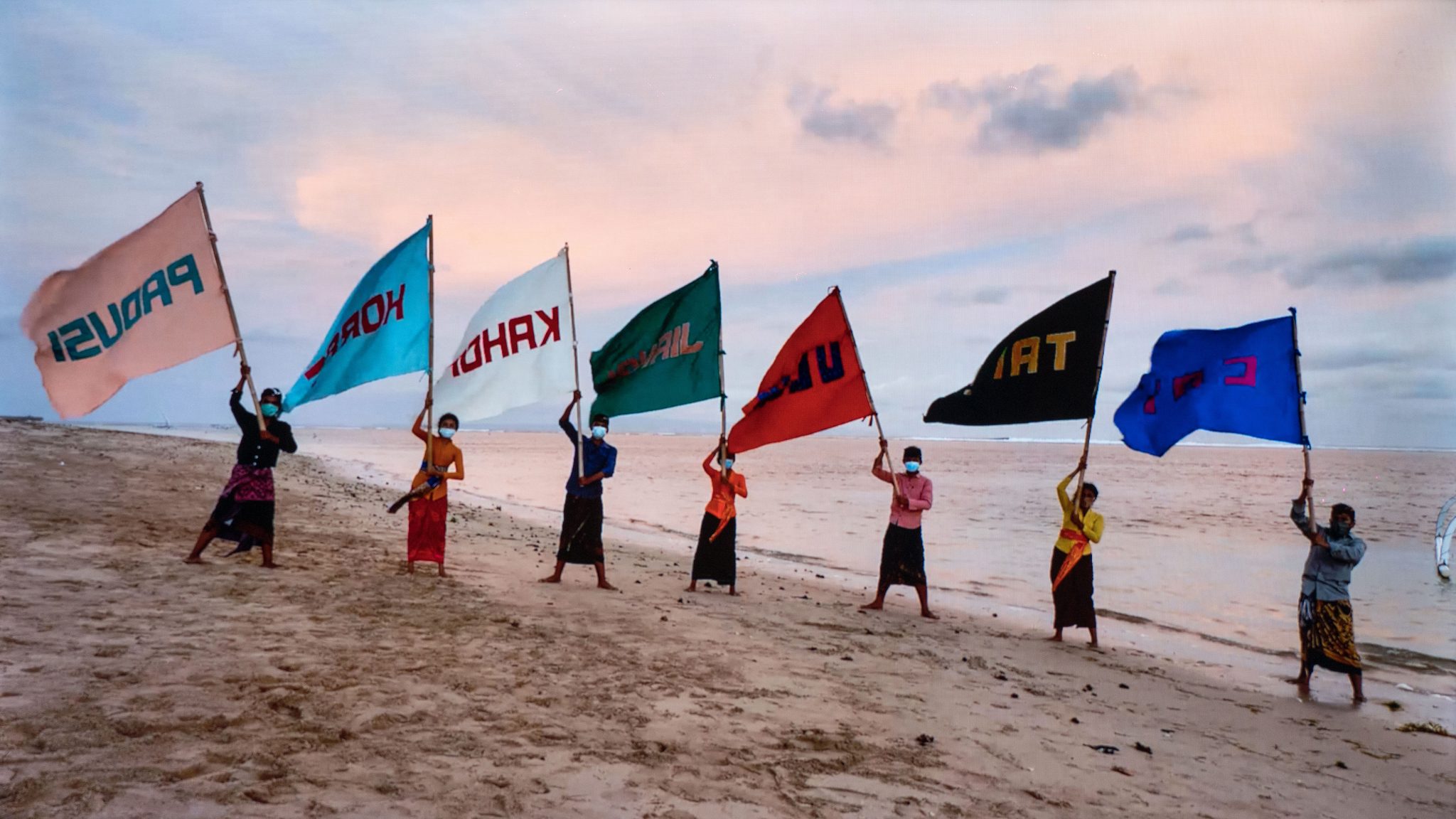
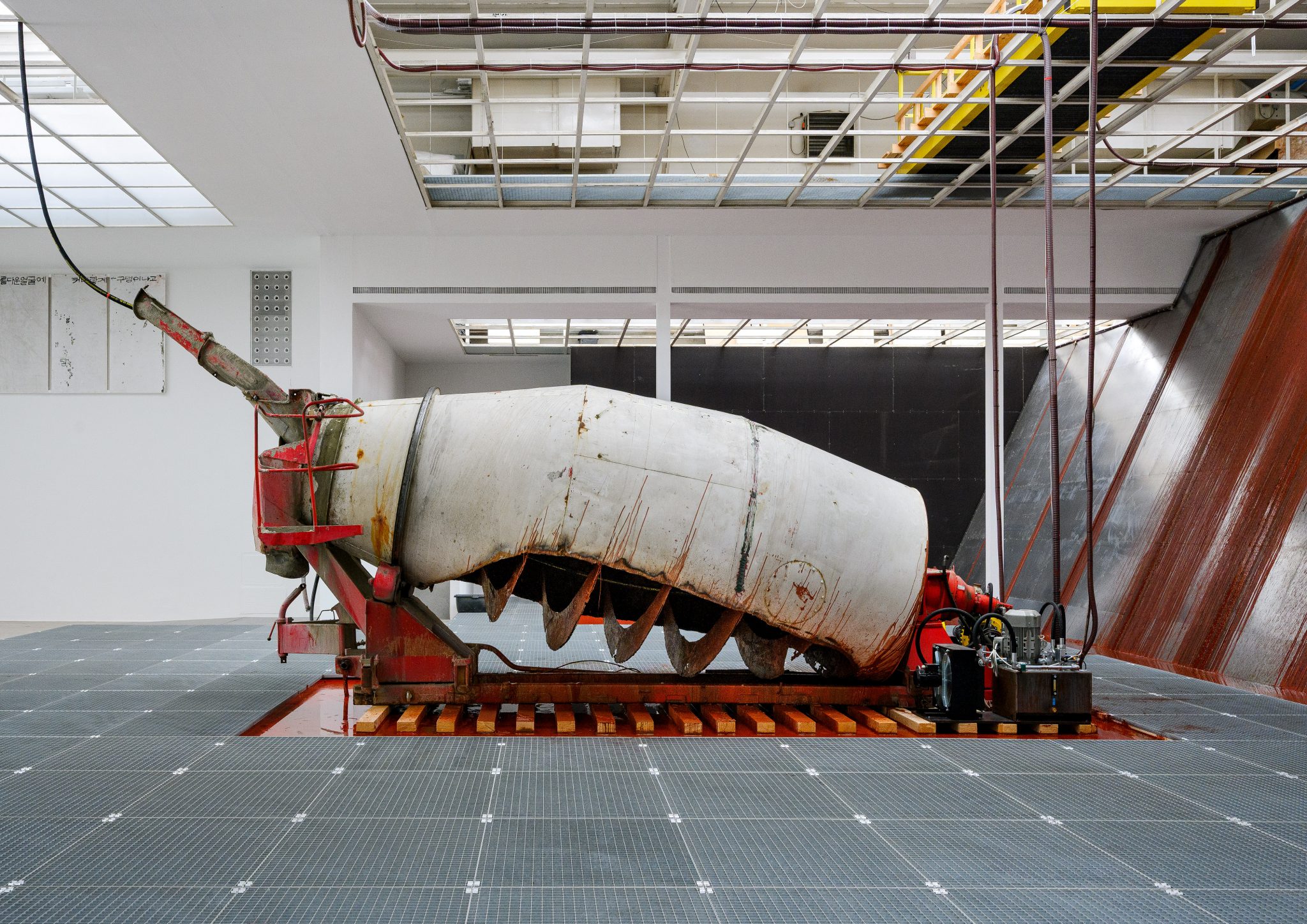
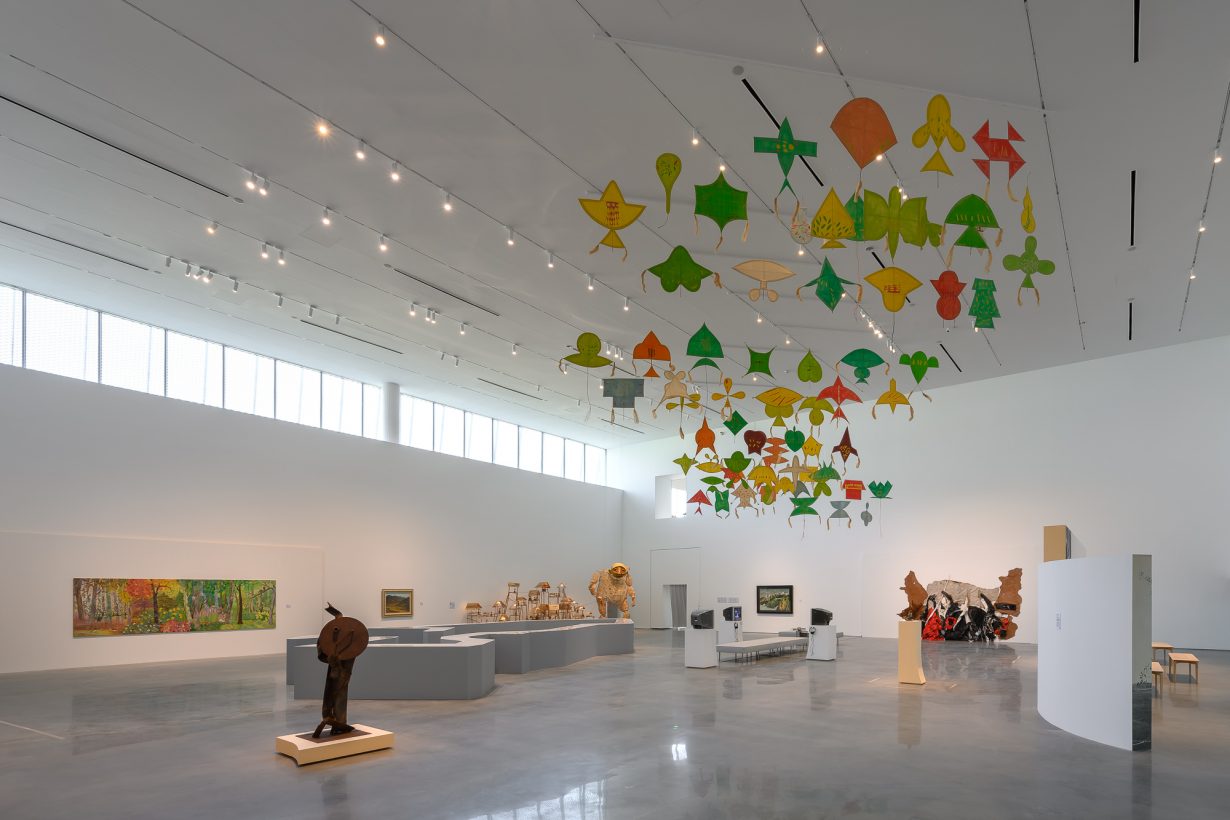
SANAA’s founders, Kazuyo Sejima and Ryue Nishizawa, say their vision of the Museumbrary is a ‘library in a park and an art museum in a forest’. Currently, the surrounding parkland is still some way away from the ‘forest’ concept, as the vegetation looks new, with small trees spaced widely apart. There’s a box-fresh, unused quality to the whole area. In this respect, Taichung Art Museum’s opening exhibition, A Call of All Beings: See you tomorrow, same time, same place, is literally an open invitation to visit. Featuring more than 90 artworks, the exhibition adopts a politically progressive and ecologically minded stance, exploring interconnections among humans, animals and the natural world. Sections such as ‘How to Draw a Coastline?’ examine shifting boundaries between nature and culture, while ‘Recalling Fables’ revisits myths and archives to rethink humanity’s place in the world.
Overall, these are pretty white-bread tropes in current exhibition-making, and the show unfolds on the scale of a small but functional biennial, drawing on the work of 70 artists from 20 countries to explore the relationships between humans, animals, plants and the wider environment. Around 70 percent are Taiwanese, half of them from central Taiwan, reflecting a deliberate emphasis on regional representation.
The few Western artists included, however, skew towards established names, so there is less a sense of discovery than of namechecking. The late French filmmaker Chris Marker appears with his Bestiaire (1990) short films of animals, while Cuban-American artist Ana Mendieta is represented by her earth-body photographs. Two installations by Joseph Beuys are also shown, including Backrest for a fine-limbed person (hare-type of the 20th century AD) (1972–82), an iron cast of a back support for disabled children. A profound meditation on suffering and its alleviations, it still felt out of place in a mostly post-1990s contemporary art show, because it was the only example of the European postwar avant-garde, and seemed oddly valorising of a single white male artist. Even more puzzling is a spotlight section on the American disability rights advocate Helen Keller, showing a selection from her archive of photographs and videos, as well as a series of original sketches by Antoine de Saint-Exupéry for his 1943 book The Little Prince.
A generous reading suggests an attempt to broaden public appeal through familiar cultural touchstones. More compelling are the exhibition’s multiple commissioned works that challenge human-centred and colonial narratives. Chia-Wei Hsu’s video installation Rubber Balls (2025) explores Dutch exploitation of labour in Indonesia’s rubber industry. Three screens hang from the ceiling in a tangle of rubber straps: one shows archival plantation footage; another presents AI-generated ‘counter-archival’ scenes of racially indeterminate children running through trees; the third captures an Indonesian musician improvising amid rows of rubber trees. As in much of Hsu’s practice, sound and image drift from fixed historical anchors into a liminal space where fact and dream intermingle.
The museum also aims to document Taichung’s art history, an ambition signalled through the inclusion of strategic works from its collection. A quiet study of hills roll out to hug a bay in Liao Te-Cheng’s Lingering Light (Guanyin at Dusk) (1992). For many years, Liao has been painting scenes of Guanyin Mountain in Northern Taiwan in thinly overlaid smudges of colour to create fuzzy, dreamlike effects. Guanyin Mountain was where his father went missing during the February 28 Incident, a 1947 anti-Kuomintang uprising that resulted in widespread arrests and killings, casting the work as a reflection on political trauma, memory and place.

Looking ahead, regional representation will likely define Taichung Art Museum’s identity. It joins an existing ecosystem that includes the 38-year-old National Taiwan Museum of Fine Arts, a nationally funded institution promoting modern and contemporary Taiwanese art and host of the respected Asian Art Triennial. Taichung’s arts scene also includes smaller independent initiatives. Yao Alternative Space, founded in 2019, runs a residency programme and showcases emerging local artists. Carp Gallery combines a ground-floor exhibition space with a basement bookstore and upstairs studio, while Glitch operates out of a residential building with gallery floors and a bookshop focused on Asian comics.
Within this dispersed ecology, Taichung Art Museum stands out as a behemoth. Its scale and municipal backing position it to fill gaps in documenting regional art history and perform the heavy lifting of curatorial work and scholarship that the grassroots spaces are unlikely to provide. Alongside the other new municipal museums in northern Taiwan, it has the potential to decentralise and diversify the island’s art discourse, enabling a broader range of perspectives and stories to emerge.
A Call of All Beings: See you tomorrow, same time, same place is at Taichung Art Museum through 12 April
From the Spring 2026 issue of ArtReview Asia – get your copy.