On 13 October, join Prof Sook-Kyung Lee and Wenny Teo in conversation with ArtReview editor-in-chief Mark Rappolt about the work of Ha Chong-Hyun, on view at Lisson Gallery
Venue Lisson Gallery, 27 Bell Street, London, NW1 5DA
Date Tuesday 13 October
Time 11am–1pm
Featuring Prof Sook-Kyung Lee, Director, The Whitworth, The University of Manchester; Wenny Teo, Senior Lecturer, Modern and Contemporary Art at the Courtauld Insitute; Mark Rappolt, Editor-in-Chief of ArtReview
Organised by Lisson Gallery in partnership with ArtReview, this panel discussion will engage in conversation with Lisson’s new exhibition of Ha Chong-Hyun, surveying the abstract painter’s experimentation and mastery across six decades of pioneering work.
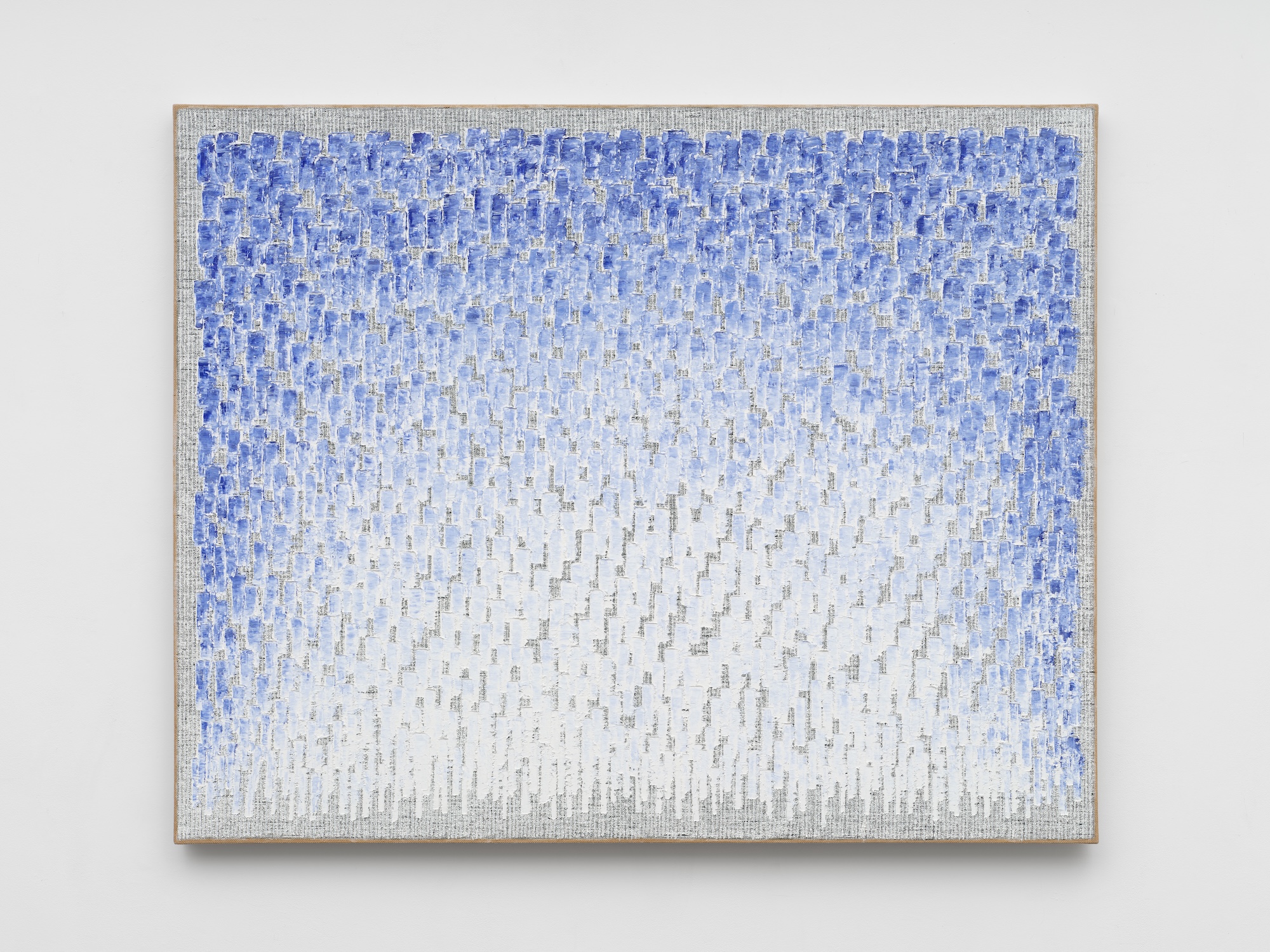
Based in Seoul, Ha has gained international recognition for combining elements of monochromatic, minimalist and gestural abstraction with the conceptual, performative and material aspects and possibilities of painting.
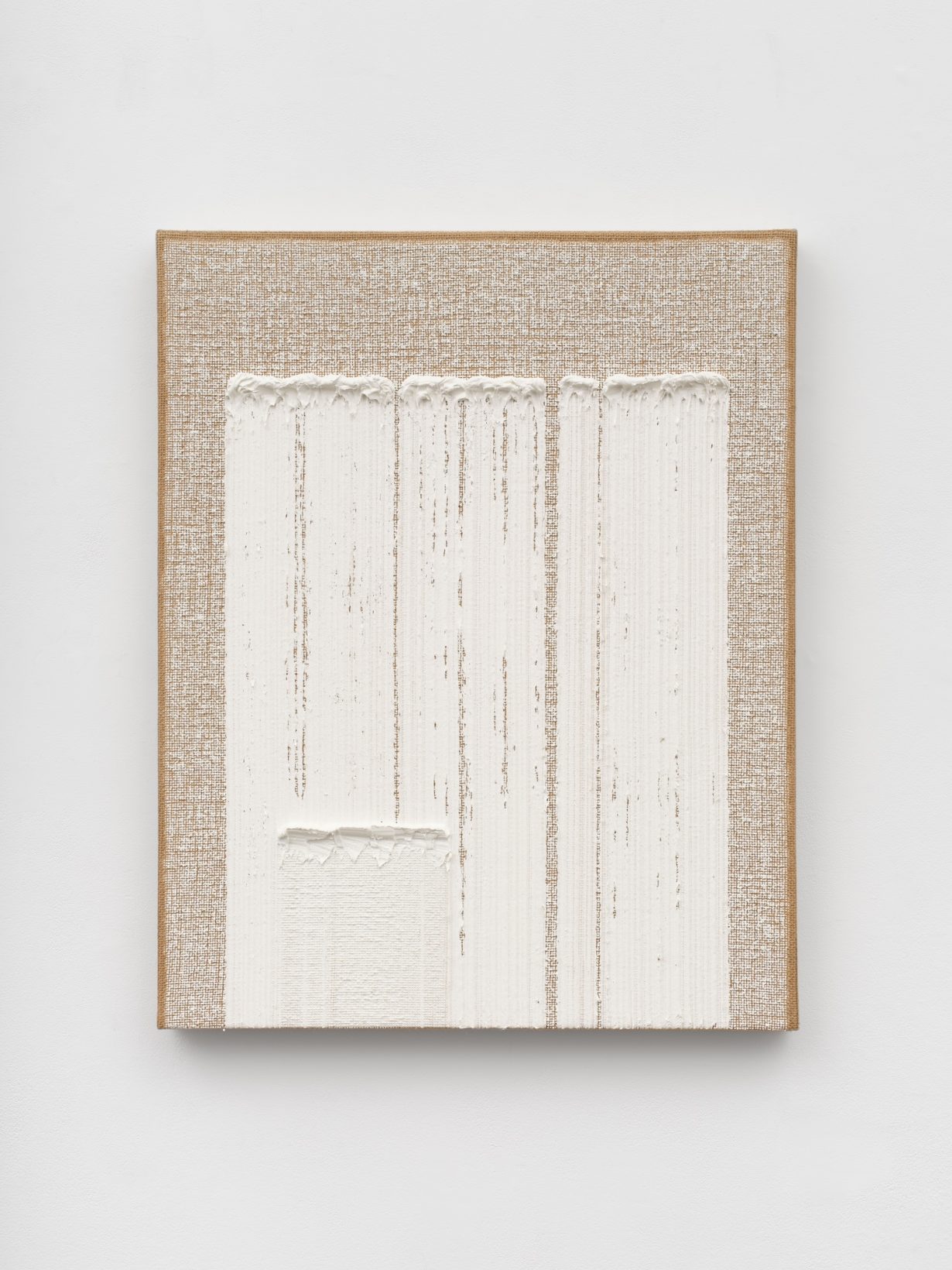
Ha’s early Naissance series featured geometric compositions of woven, painted strips and colourful folded and rippled canvases, dating to the late 1960s. These works positioned the artist firmly within the realm of objecthood, exploring the limits of the painted surface. This exhibition follows Ha into the 1970s, where his burnt impasto surfaces, strewn with coiled springs or barbed wire directly onto the works, reflected South Korea’s protracted periods of martial law and military dictatorship. Here, Ha alighted upon his signature method of pushing paint through the reverse of coarse hemp canvas – literally turning the painting process inside out. Rather than applying paint onto an image plane, Ha forces pigment through the woven structure of the canvas, allowing pressure and material resistance to shape the final form. These works, known collectively as the Conjunction series, continue to occupy a central place in Ha’s practice to this day. Over time, the artist has expanded and refined this inquiry, demonstrating a life-long commitment to experimentation that has significantly shaped broader discussions of postwar abstraction. In the 2000s, his practice evolved into what has been described as the Post Conjunction series, extending his exploration of colour, scale, and spatial rhythm.
Ha Chong-Hyun is on view at Lisson Gallery, London, through 7 November