Our editors on the exhibitions they’re looking forward to around the world this month – from Lagos and London to Doha and Dubai
Lagos
Lagos Biennial 2026: The Museum of Things Unseen
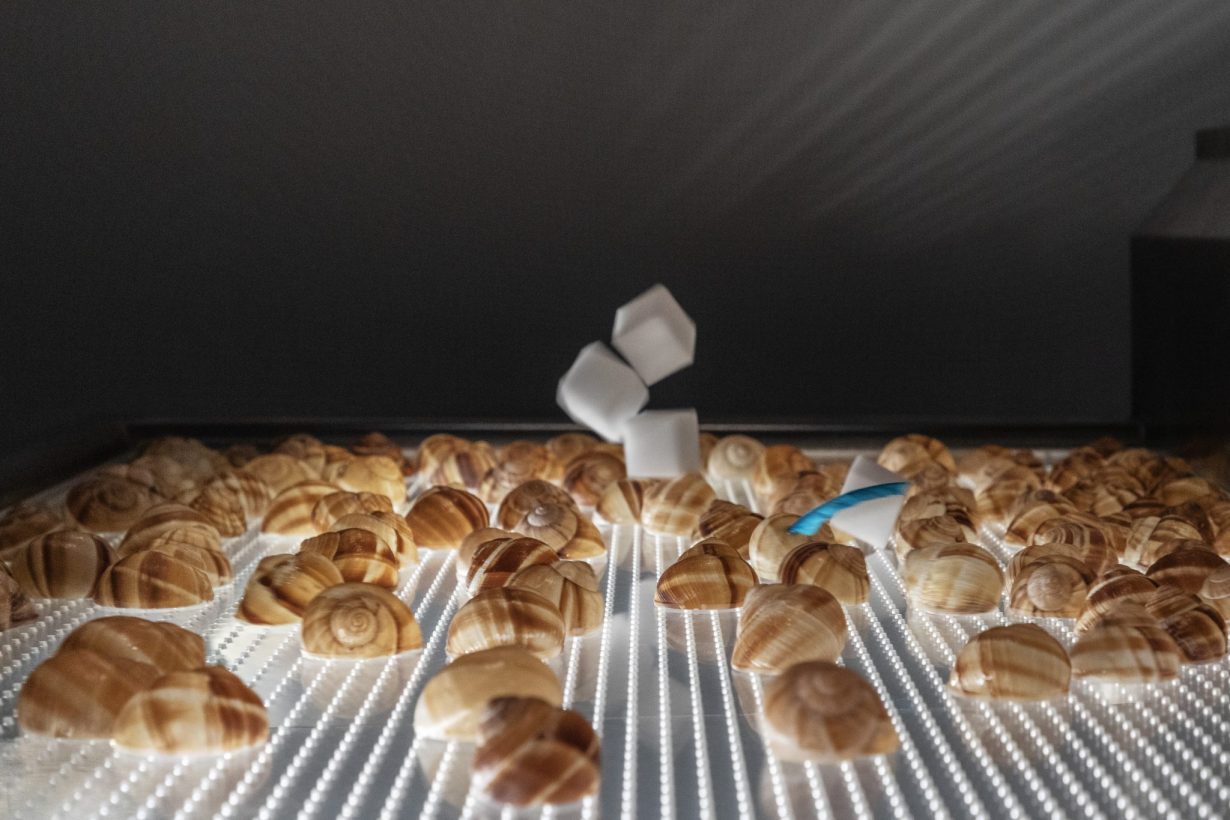
The latest edition of the Lagos Biennial, cocurated by New York-based artist Furen Dai, Nairobi-and-Cologne-based artist Sam Hopkins and Nigerian curator Chinyere Obieze, presents itself with no small task. Its curatorial blurb asks, ‘If we were to build a museum from scratch, unbounded by structural inequalities, what form would it take?’ The response seems to be looking both to the past – taking the biennial as occasion to launch a permanent pavilion to house the Àkéte Collection, made up of works from the biennial’s four editions since starting in 2017 (alongside international ‘donations and loans’) and a (extremely limited run) publication documenting that history – and to the future, with the main exhibition featuring contributions from 18 artists and collectives, including Ade Adekola, Olukemi Lijadu, Aki Sasamoto, Amie Siegel, Hito Steyerl and Kara Walker, responsible for providing possible further responses to such a question. That such speculation takes place within Eko Atlantic City, an area of newer ‘sustainable’ structures built on a peninsula of land, reclaimed over the past decade, that juts into the Gulf of Guinea, only further frames and complicates the responses that might be offered. Chris Fite-Wassilak
Various venues, 14 November – 6 December
London
Nan Goldin: You Never Did Anything Wrong
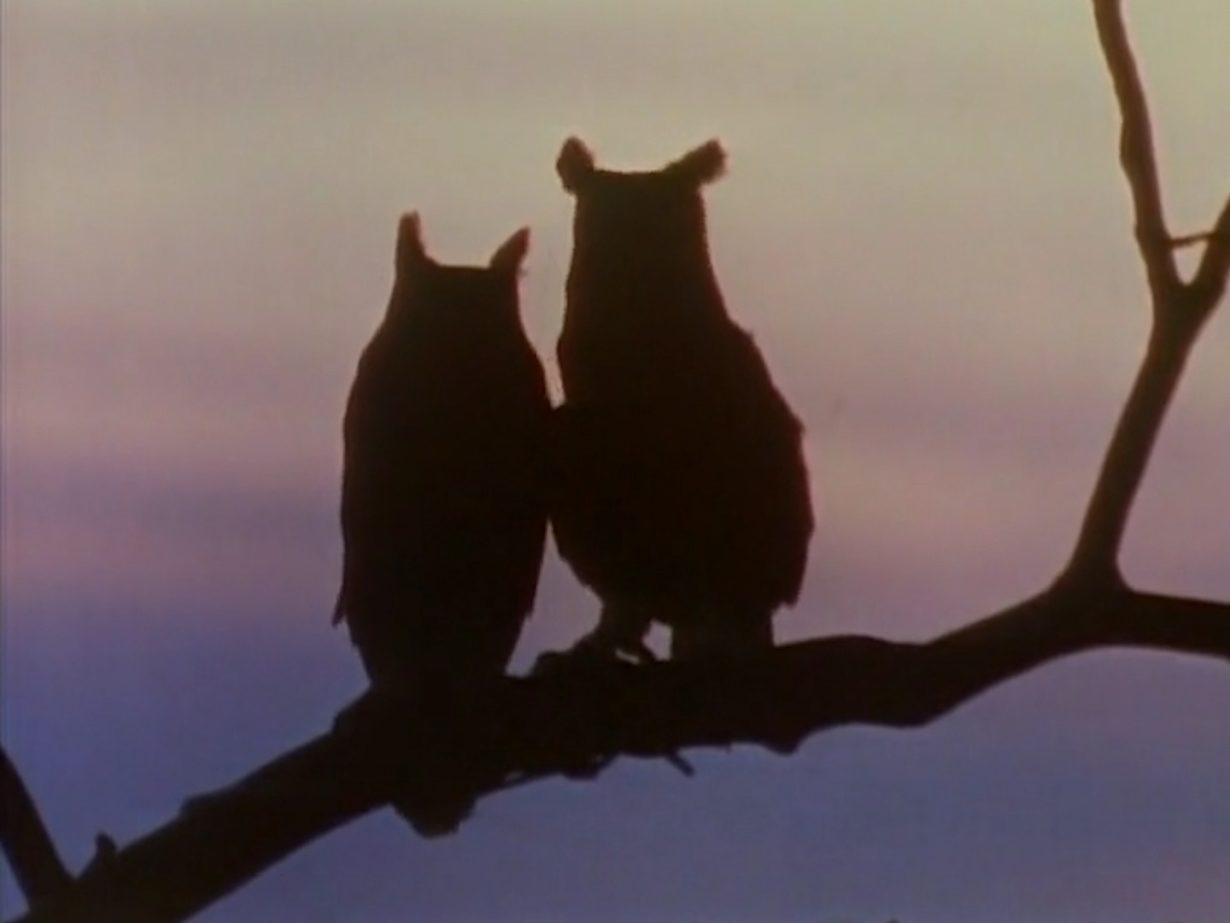
For the better part of five decades, photographer Nan Goldin has borne witness to the concurrent plights and pleasures of communities living outside society’s strictures of ‘normality’. In this exhibition, however, which shares its title with Goldin’s 2024 show at Gagosian New York, a series of new and recent films mark a decisive shift in the artist’s focus towards abstraction and the natural world. Alongside the brutal Memory Lost (2019–21), documenting Goldin’s own experiences of addiction, the exhibition includes You never did anything wrong, Part I (2024) and Part II (2026), which meditate on ‘animal consciousness’ and extinction, and Stendhal Syndrome (2024), juxtaposing images of Goldin’s friends and lovers with contrived art-historical references. The question is: can Goldin make these disparate references cohere into something as affecting as the lives she usually turns her camera towards? Erin-Atlanta Argun
Hayward Gallery, 24 November – 14 March
Tokyo
The Constitution of JAPAN 2026
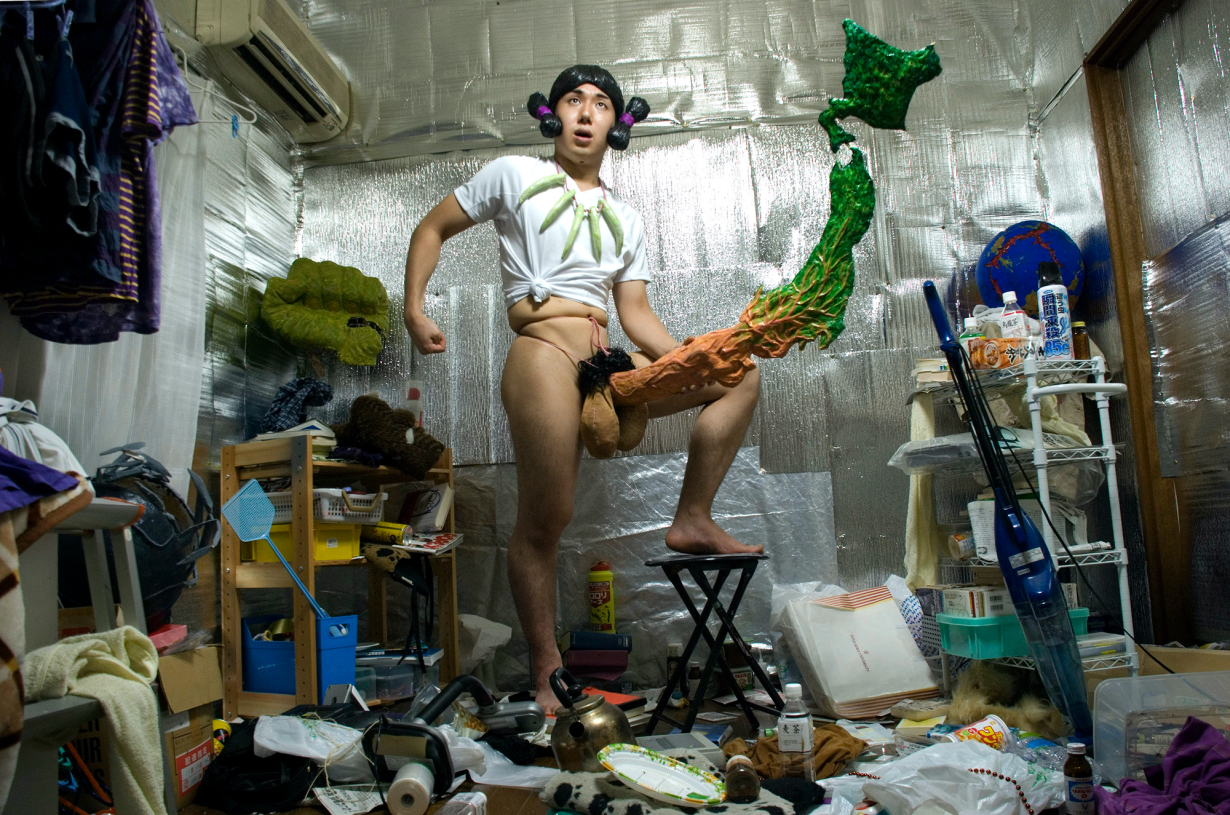
For the past three years, the galleries AOYAMA | MEGURO and MUJIN-TO Production have presented exhibitions organised under the same premise as the book The Constitution of Japan (2019), edited by legendary art director Gento Matsumoto, which pairs each article of Japan’s legal constitution with a Japanese contemporary artwork. Opening around the anniversary of the constitution’s promulgation, in 1946, The Constitution of Japan 2026 is guest-curated by Greg Dvorak and Kenji Ono. Unlike the book on which it is based, the show will feature work by artists from overseas – such as the Philippines, Thailand and Vietnam. With the ruling LDP and hawkish PM Sanae Takaichi pushing to revise the constitution – particularly its most radically passive Article 9 renouncing war and prohibiting possession of a military – and adopting anti-immigrant rhetoric to appease an increasingly conservative public, the exhibition couldn’t be timelier. Taro Nettleton
Aoyama Meguro and Mujinto Production, 4–29 November
and Vitamin Creative Space
Doha
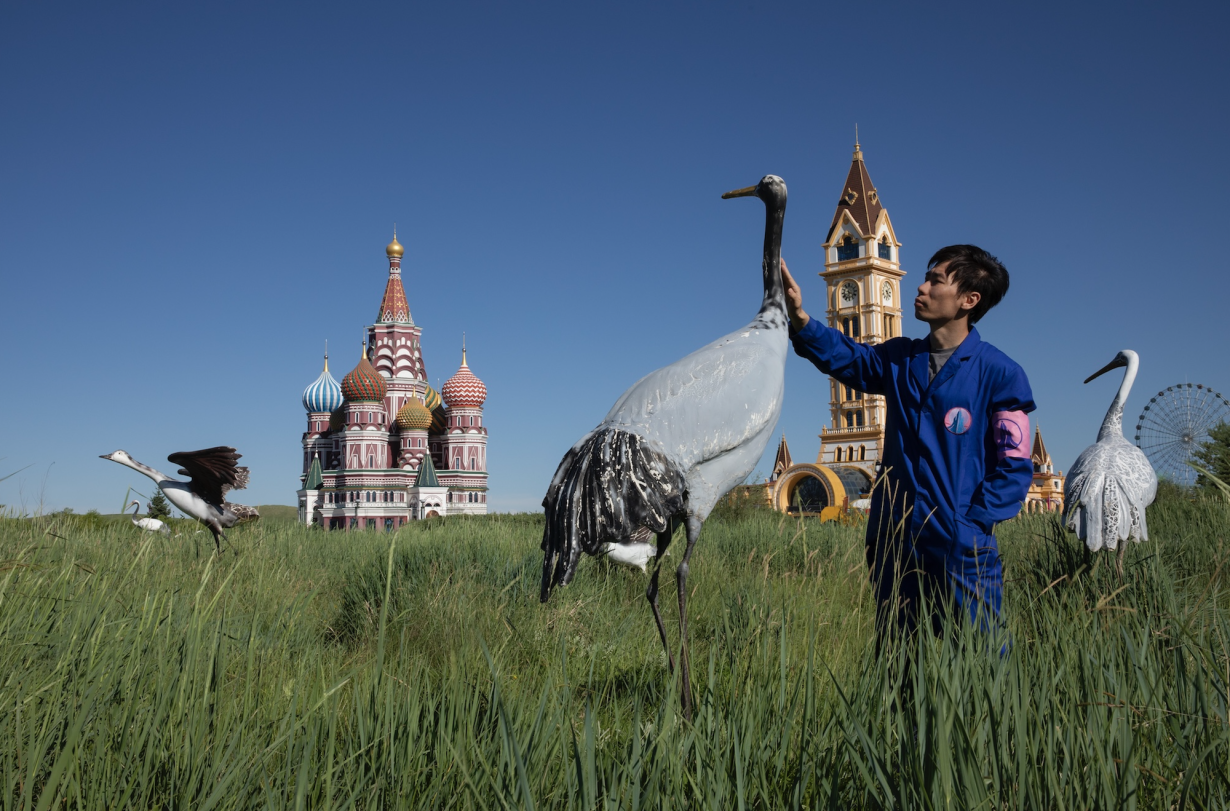
In Sunil Amrith’s 2018 book, Unruly Waters, the Yale professor tells the history of (predominantly southern) Asia through that primary element and its infrastructures: seas, coasts, rains and rivers, but also dams and pipelines, canals; and so too mapmakers, climatologists, infrastructural authorities and farmers. It’s a story of control, above all, as if nature’s hydrological cycle – and the lives of subaltern communities – could be mastered by plumbing as much as by violence. The inaugural Rubaiya Qatar quadrennial’s headline exhibition, curated by Tom Eccles, Ruba Katrib, Shabbir Hussain Mustafa and ArtReview’s own Mark Rappolt, takes its title from Amrith’s book – and will look to explore the relationship between water and humanity now and in history, as well as, according to the curators, attempt to ‘redefine “globalism” through ecology and human movement, understanding it as a product of nature as much as of commerce’. (As this year’s Busan Biennale did in addressing Busan’s port beyond the gallery walls – one of the world’s busiest ports; and as did the outstanding travelling exhibition Indigo Waves and Other Stories (Zeitz MOCAA, Cape Town, 2023, and SAVVY Contemporary and Gropius Bau, Berlin, 2024) with its focus on the Afrasian Sea.) Look at contemporary art go, hot on the heels of geopolitics! Over 30 new commissions will come from artists including Lawrence Abu Hamdan, Sophia Al-Maria, Naeem Mohaiemen, Yuko Mohri, Marina Tabassum and more. Further reading, I’d venture, includes Sabrina Mahfouz’s These Bodies of Water (2022), which pertains explicitly to the Persian Gulf and Red Sea, and Laleh Khalili’s The Corporeal Life of Seafaring (2024), taking the cargo worker as embodiment of a global economic disorder. And of course Spivak, duh! Alexander Leissle
Various venues, 21 November – 30 April
Dubai
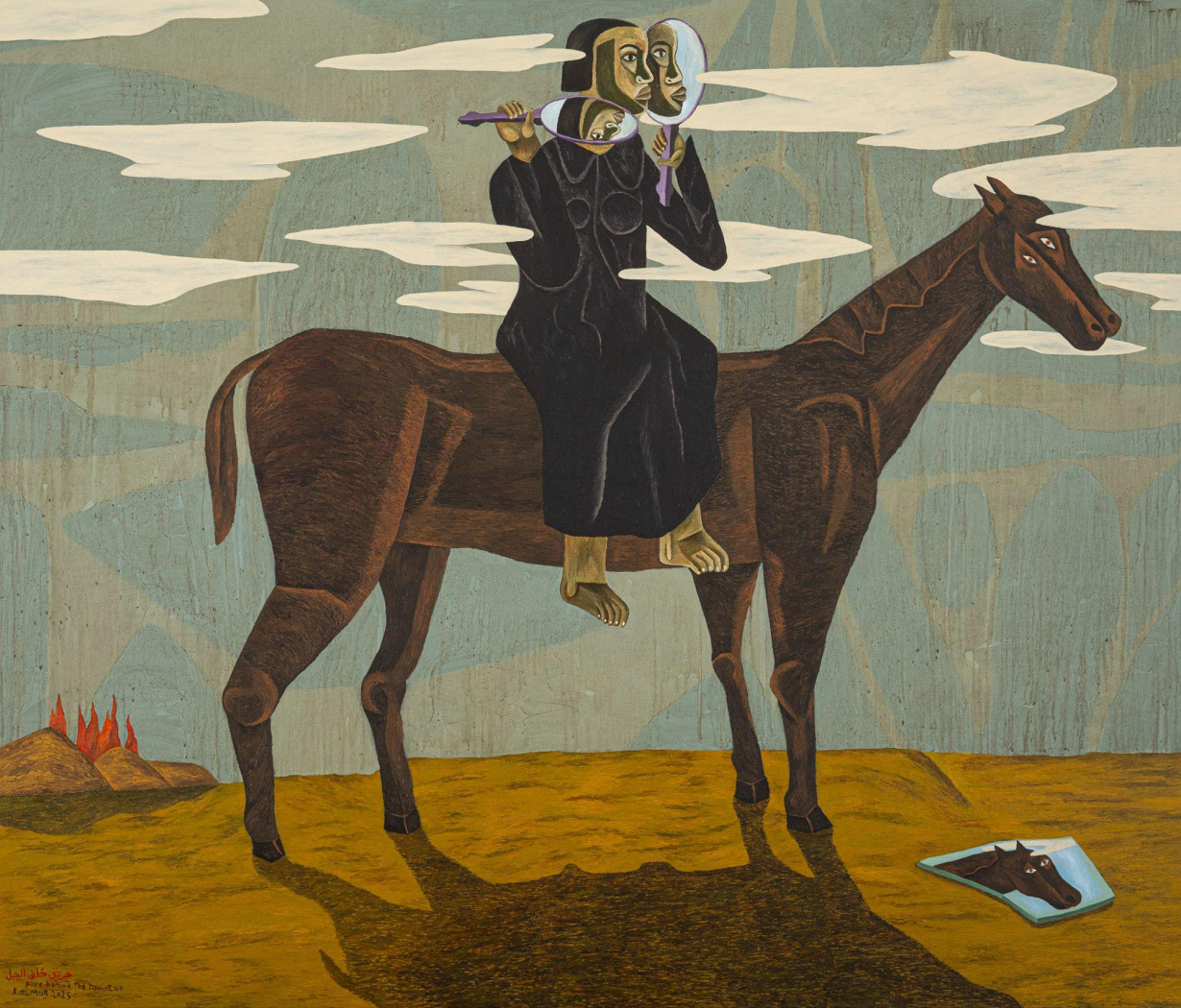
Salah Elmur: Just as the Heart of a Mango is a Stone
In addition to brushes and acrylics, the painter Salah Elmur’s raw materials include photographs he collected from his father’s commercial portrait studio in his native Sudan: the piercing gazes of posing customers amid the noise and bustle of the nearby fish market. Elmur’s figurative abstractions – which tend to distort the proportions of his subjects and often transform scenes of daily life and local ritual into surreal vignettes – hold together this exhibition spanning three chapters of his practice. Alongside archival photographs, sketches and ephemera, we’ll see Elmur’s precursors and procedures, including its resonances with the visual vocabulary of the Khartoum School – a pioneering Modernist art movement in Africa. Elmur, who fled Khartoum, his hometown, during the 1990s (his cartoon depicting Omar al-Bashir’s 1989 coup d’état didn’t go down well), now lives in Cairo. While rarely overtly political, his tenderly executed portraits and enigmatic landscapes of memory nonetheless channel the resilience of a country long beset by political upheaval and civil war. And stand as proof that distance often yields fresh perspective. Max Crosbie-Jones
Jameel Arts Centre, through 14 March
Melbourne
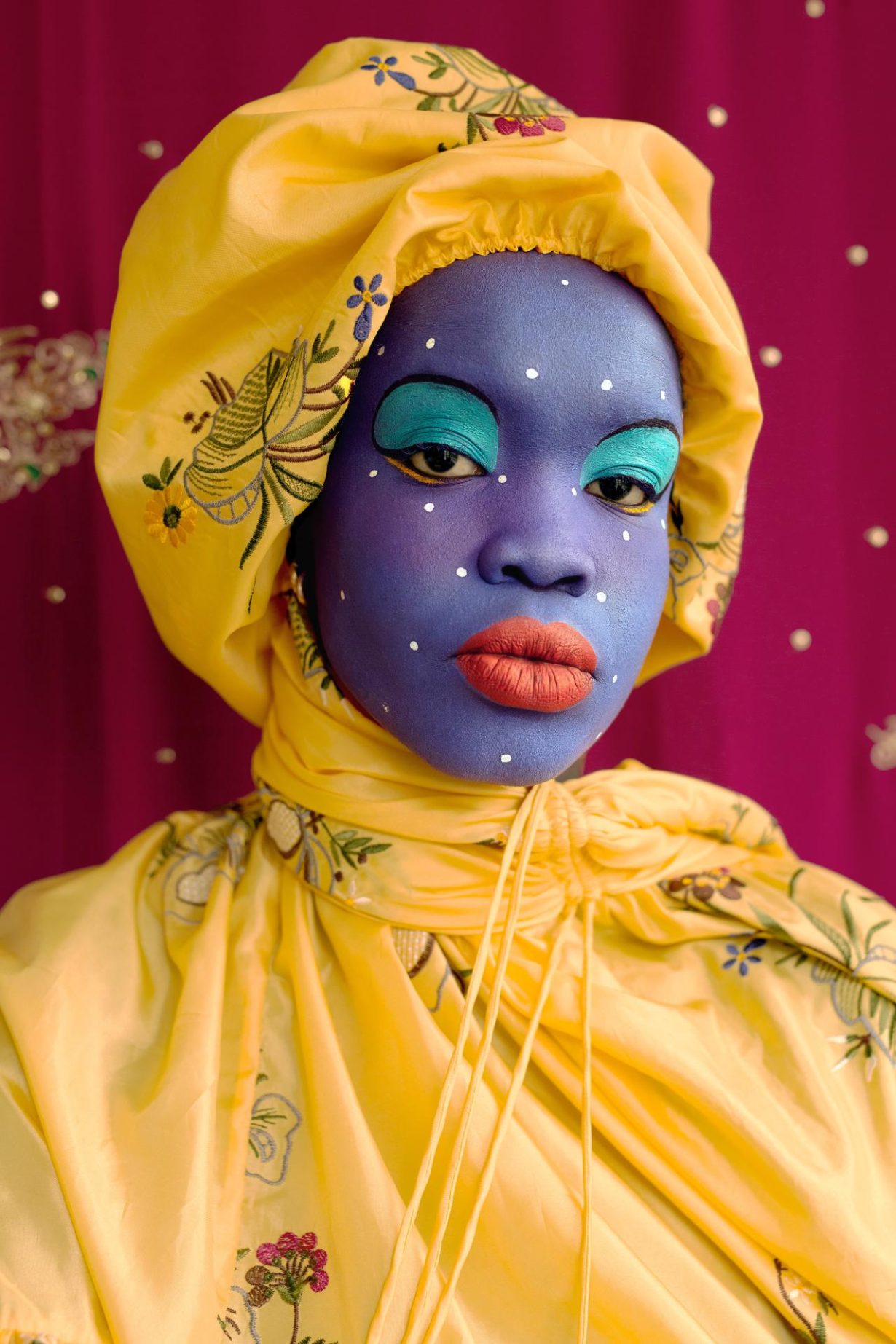
Passage: The Art of Atong Atem
Drawing on traditions of African studio photography, the Melbourne-based South Sudanese artist Atong Atem uses portraiture to question how identities are constructed and performed. Faces are painted in startling shades of green, blue and violet; figures dressed in elaborate costumes pose against richly coloured backdrops; the familiar conventions of studio portraiture give way to something stranger, more theatrical. The most comprehensive survey of her work to date brings together more than 65 works created over the past decade, including new commissions. Among them is Surat (2022), in which Atem recreates photographs of relatives she knows only through old family photographs, inserting herself into histories she never lived or witnessed. Scars and Constellations (2024) connects Dinka Bor traditions of scarification and healing with colonial histories of maritime trade and navigation. A new largescale installation, As Above (2026), meanwhile, draws on Dinka dance, traditional beading and Catholic iconography to explore how different cultures have made sense of the stars. Here, it’s not so much about history being inherited, but continually reimagined. Fi Churchman
NGV Melbourne, through 14 June
New York
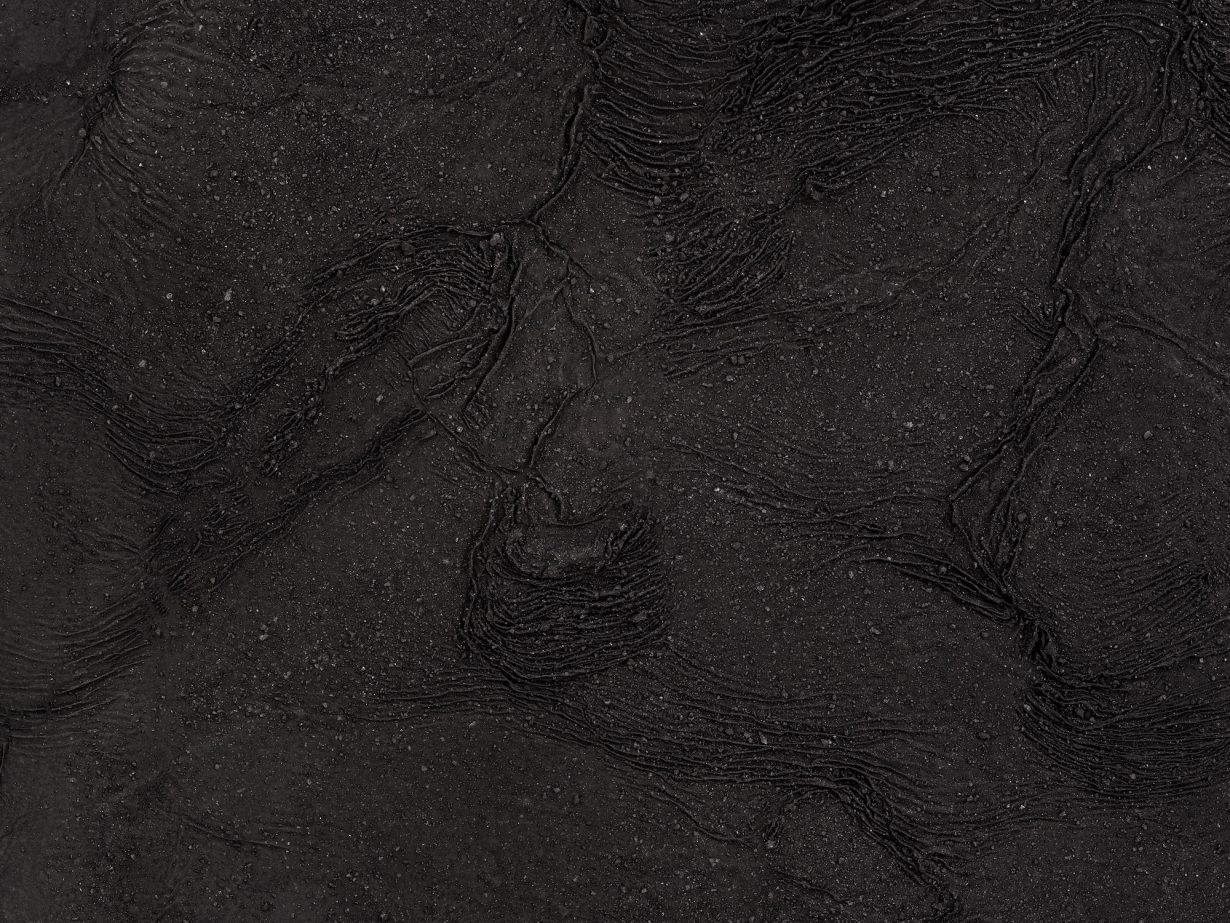
Beatriz Zamora: The Lost Works
When Beatriz Zamora won the Salón Nacional de Artes Plásticas prize in 1978 with her monochromatic painting El negro no. 4 – at a time when, in her words, even Pierre Soulages ‘todavía no llegaba al negro absoluto [had not yet arrived at absolute black]’ – a disgruntled young member of the Mexican art collective Peyote y la Compañía allegedly struck the work with a fire extinguisher before grabbing and hurling it down the stairs of the Palacio de Bellas Artes. The attack was a symptom of the aggression that Zamora faced for her oft-misunderstood all-black abstractions, of which the nonagenarian has since produced over 4,000 examples using ground coal, graphite, obsidian, soot and more. It also more than justified her relocation, in 1980, from Mexico City to New York. That latter leg of her biography ended with another curious incident involving her artistic property, this time resulting incidentally in its preservation: when Zamora was denied reentry to the US in 1988, her studio assistant went rogue, disappearing with a trove of her paintings. These works, since recovered from a townhouse in Brooklyn following the assistant’s death, form a solo exhibition at Management that reckons with the time and recognition that this artist and many like her have lost to forces – and people – beyond anyone’s control. Jenny Wu
Management, 6 November – 20 December
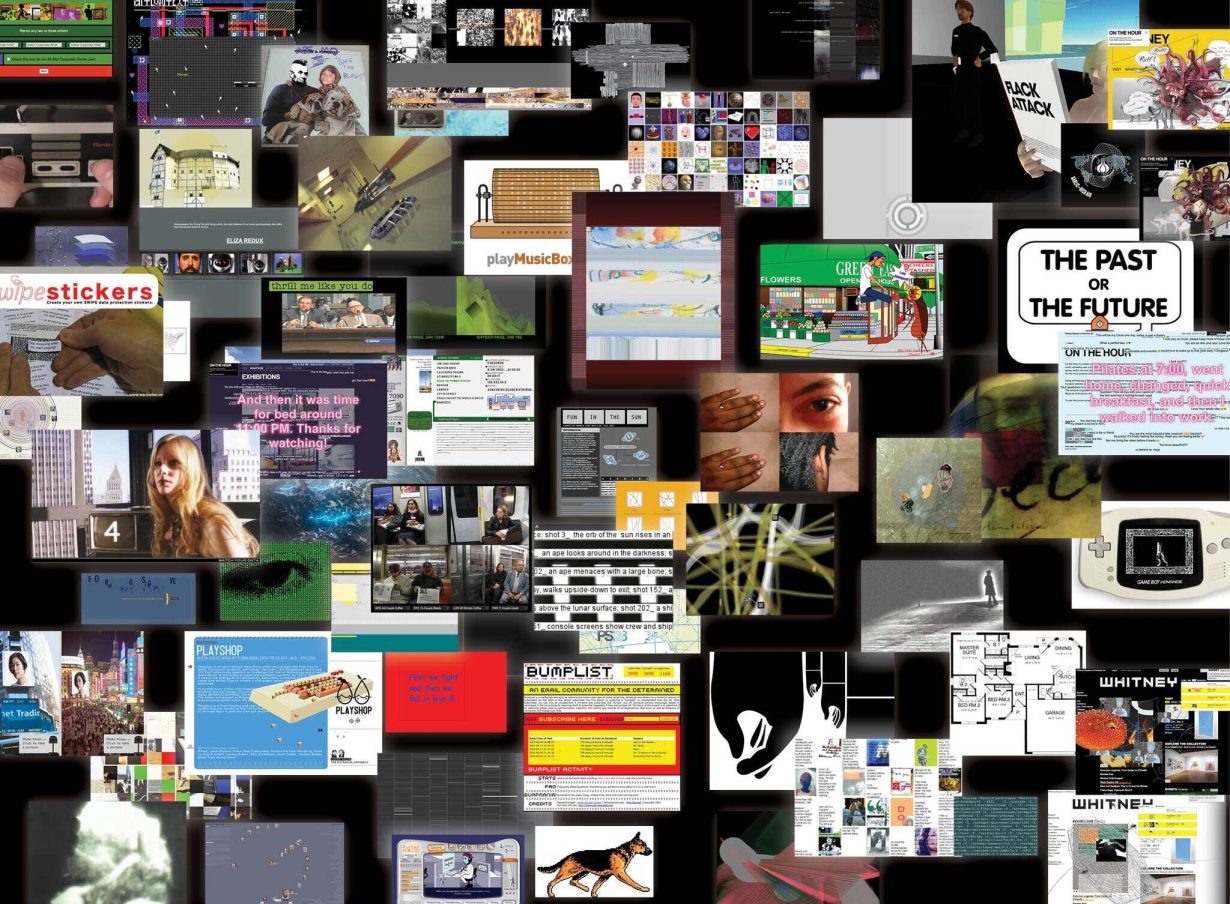
artport: A History of Internet Art
The internet has often been declared dead, overrun by corporate entities and AI bots. So now it’s getting a retrospective. The Whitney’s artport, one of the first institutional browser-based galleries, was founded in 2001: the same year as Wikipedia, just over a decade into the existence of the World Wide Web, and at the tail end of the dotcom crash. In November it will spill into the museum’s physical galleries to showcase a quarter-century of internet art. Consider JODI’s computer program manipulations, Mendi + Keith Obadike’s online performances, Morehshin Allahyari’s hyperlink poetry or Holly Herndon and Mat Dryhurst’s investigations of AI training data. Through over 100 works commissioned for artport since its inception, the exhibition will show how artists have continuously engaged with the web as a place and a medium – and in the process recorded how the internet itself shapeshifted from its read-only beginning to slopification into oblivion. Mia Stern
Whitney Museum of American Art, 21 November – ongoing
Mérida
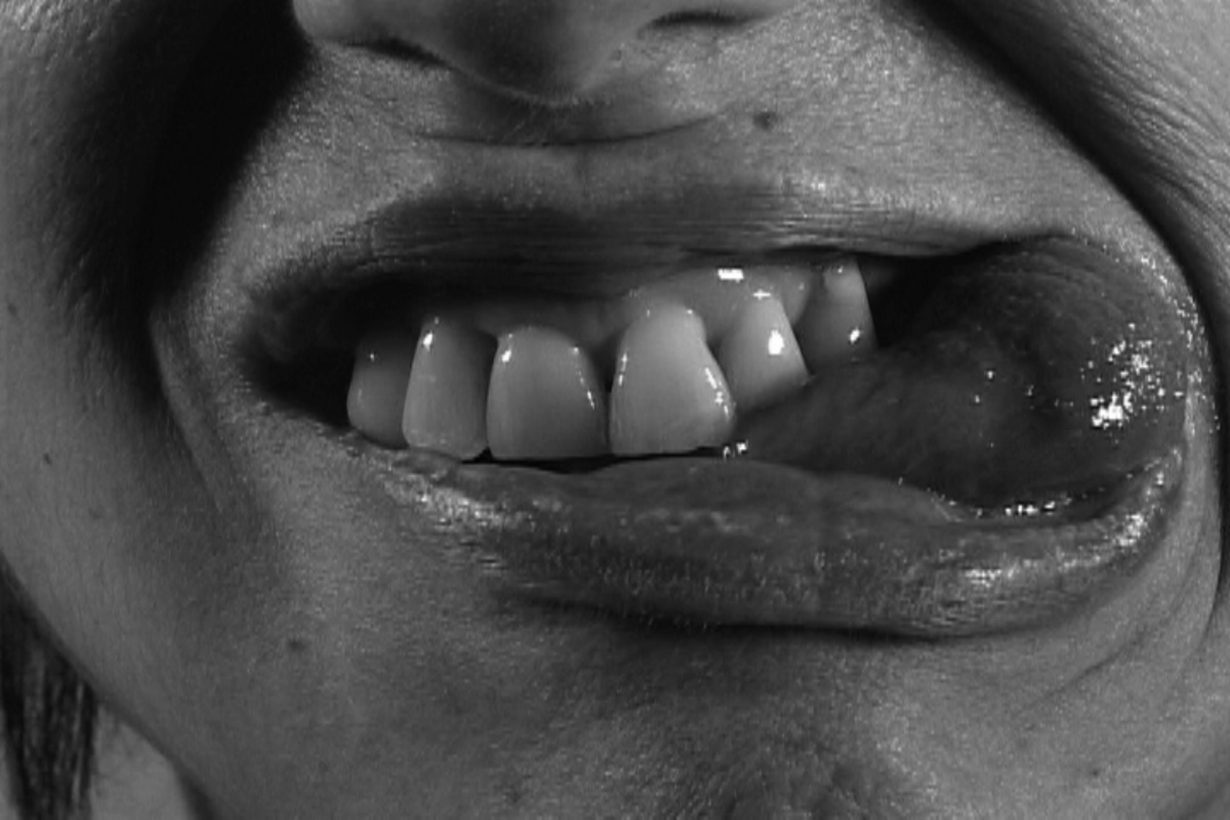
Since 2007 artist Abraham Cruzvillegas has been making work under the title autoconstrucción, work that has taken myriad guises, from small sculptures and architectural installations to musical performances and theatre productions, but united in their tentative finality and a belief that all things should evolve and change through context and locale. Call it a belief in growth and empathy, or something like that. The Mexican artist says the ad hoc housing he grew up in is a foundational reference for this approach, but it is not architecture that forms the theme of the Bienal de Yucatán, the inaugural edition of which he’ll curate, but language – the verbal, the evolving tongue, the idiomatic. His show promises 76 artists, linguists, filmmakers, poets, musicians and dancers, whose work will occupy a former sixteenth-century convent and other venues in Mérida, the capital of the peninsular state. After all, there’s nothing more tentative and subject to change than one’s own voice. Oliver Basciano
Various venues, 26 November – 28 February
Berlin
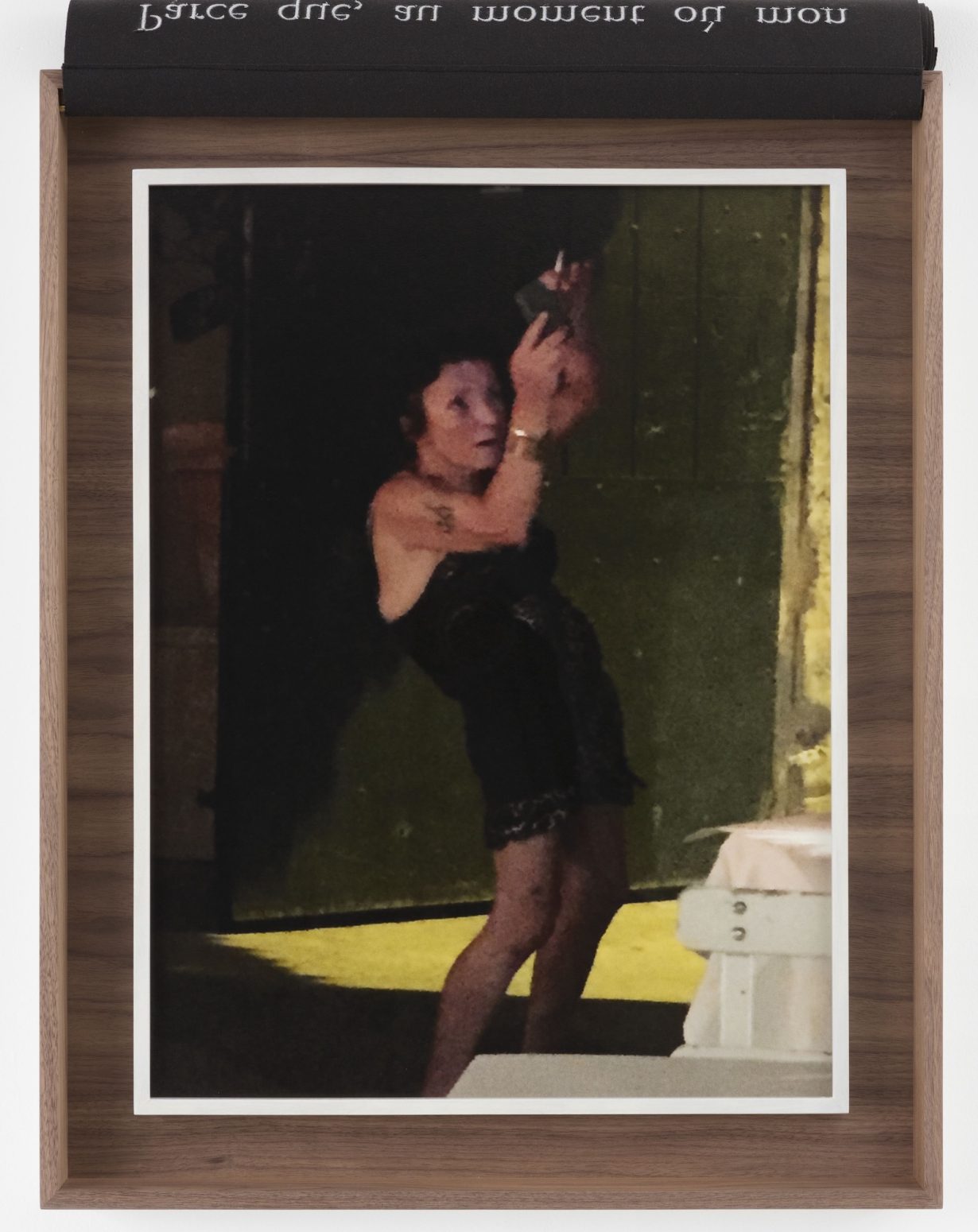
In The Disappearing Act (2026, translated from the original Russian, 2024), Maria Stepanova’s latest autofictional novel to explore the shame and loneliness of being in exile (‘while her home country wages war on a neighbouring state’), her heroine, M, is inspired by a ‘French artist who made an art of stalking… passersby’. So inspired that she embarks on her own game of tailing a stranger – ‘in exactly the same manner as the French artist, unburdened by guilt, shame, awkwardness, uncertainty, and all other such baggage’. Much indeed like Sophie Calle and her Suite Vénitienne (1979–80), for which she followed and took pictures of a man over multiple days in Venice, documenting her pursuit of an unknown subject. Forty-six years on, Calle’s practice – often stemming from such acts of arbitrary and at times voyeuristic investigation – still speaks to contemporary understandings of surveillance, privacy and the ways in which we relate to one another. Her fifth solo exhibition this year, Is It Better? at Hamburger Bahnhof will present six bodies of work from the past three decades – from The Detachment series (1996) to Les fantômes d’Orsay (2022) – alongside a new work, which after the show will be donated to Hamburger Bahnhof’s collection. Yuwen Jiang
Hamburger Bahnhof, 13 November – 14 April


