Brutalism, according to the author, was a ‘method’ in Korea, where architecture was a response to the necessities of healing and rebuilding after twentieth-century wars
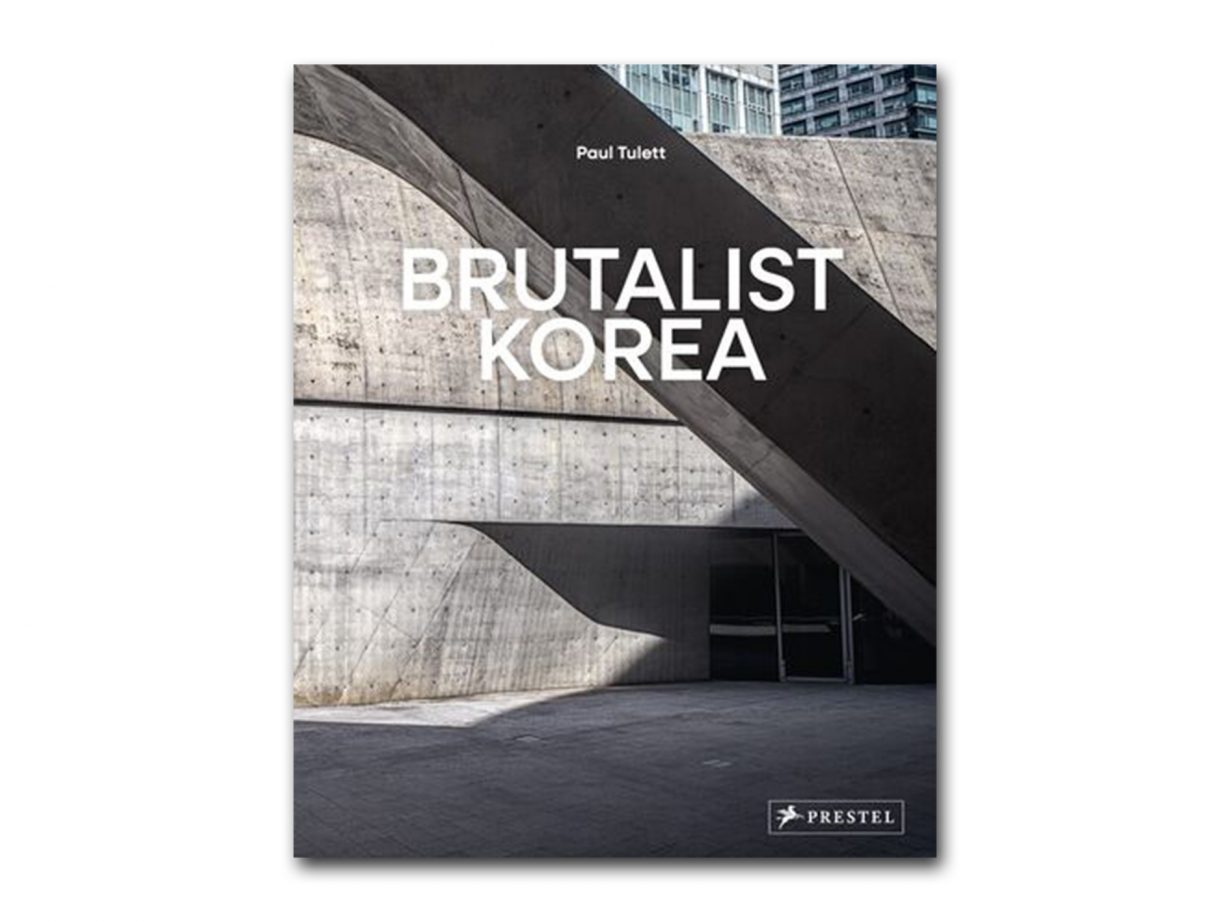
In his last book, Brutalist Japan, writer and photographer Paul Tulett chased down Nu-Bru structures (that last ‘a term I’ve coined to partner with my more wanky béton nécessaire’) across Nippon. Here he elevates his passion to a fetish, rampaging across South Korea with his camera in an unselfconscious display of architectural onanism.
The original ‘Brutalism’ was originally coined in Britain during the 1950s to describe a new architecture that showcased monochromatic raw materials (particularly concrete), raw structures and stripped-down utility over colours, attractiveness and other ‘superfluous’ decorative elements. That stuff was all in the past and the past, with its dangerous nostalgia, so recently exploited by fascist regimes in Europe and East Asia, was out. Brutalism was architecture stripped bare: naked, honest, unpretentious and now.
If Brutalism was ‘a manifesto’ in the West, according to Tulett, it was ‘method’ in Korea, where architecture was all about a quick response to the necessities of healing wounds and rebuilding after twentieth-century wars (although, to be fair, this was also the case in Europe, but let’s not let that ruin the fun). ‘Concrete was the language of rebuilding’, he pronounces, getting back on track, and the overall aesthetic of the 100 structures he has photographed (some of them old, some of them ‘nu’) is, by and large, grey, often waterstained and full of cantilevers, pilotis, sharp angles and edges. Colour, when it comes, in the form of graffiti or the rings on Seoul’s Olympic Stadium feels rude and indecent.
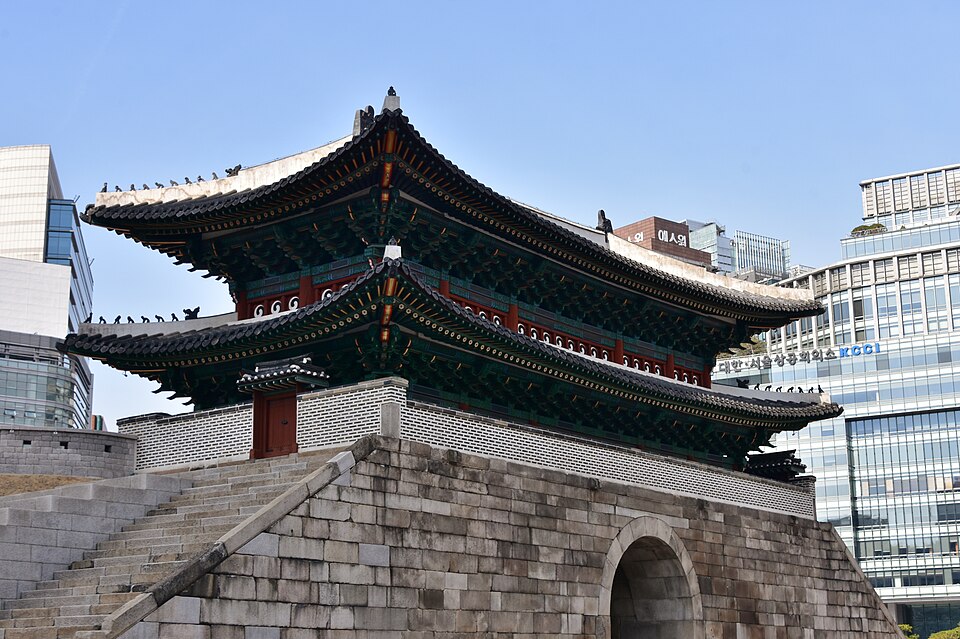
Bizarrely, Tulett starts with the decidedly non-brutalist curvy aluminium-tiled arcs of Zaha Hadid’s 2014 Dongdaemun Design Plaza (apparently there’s a ‘deeply Brutalist soul’ hiding underneath in the form of concrete stairwells and a ‘fortress-like substructure’). Later, he will go the other way and introduce the two-tiered-pagoda-style Sungnyemun (South Great Gate), constructed during the fourteenth century, reconstructed during the fifteenth century and restored in 2013 (at a cost of ₩25 billion, making it the most expensive restoration of a single building in South Korean history) as a form of protoBrutalism. One of the eight gates of Seoul is proof, for Tulett, that ‘Brutalism’s revival is no nostalgic gesture; it is a negotiation with identity’; that identity deriving from the ‘concrete heft’ of Sungnyemun’s granite foundations (the pagoda on top is made of wood) that forms the gate’s ‘DNA’. By the time he’s finished with it, indeed, Sungnyemun has become an expression of ‘cyberpunk’ aesthetics; which might be taking things too far. Indeed, what is and what is not Nu or even old Bru is not as black-and-white as it seems. Nevertheless, the bulk of the book comprises a more familiar parade of public toilets (Haeundae Beach), seawalls (Jeju Island) observation towers (Miradouro Sodae), art galleries (Arario), and plenty of private houses. And Tulett’s constant joking and punning: Japanese architect Tadao Ando’s Jeju Glass House is like ‘a meditative samurai’; the Asia Publishing Culture and Information Centre is ‘a building that feels edited’; the Eunpyeong Library is ‘where ideas bunker down’. Weirdly, while this can verge on the offensive, it gradually becomes mildly attractive (his photographs are beautiful): just another sign of Tulett’s puppy-like enthusiasm for the project. Even though, we learn in his introduction, that was the idea of his editor, rather than Tullet’s own: the whole thing having started when the former sent the latter a magazine article on concrete buildings in Korea. But aesthetics are more important than ideas in this book anyway. And if you can turn your pleasure into dollars, why not?
Brutalist Korea: A Photographic Tour of Post-War Korean Architecture by Paul Tulett. Prestel, £40 (hardcover)
From the Summer 2026 issue of ArtReview Asia – get your copy.