“I don’t think the Venice Biennale itself is, or has been, the important thing”
ArtReview sent a questionnaire to artists and curators exhibiting in and curating the various national pavilions of the 2026 Venice Biennale, the responses to which will be published daily in the leadup to and during the Venice Biennale, which runs from 9 May through 22 November.
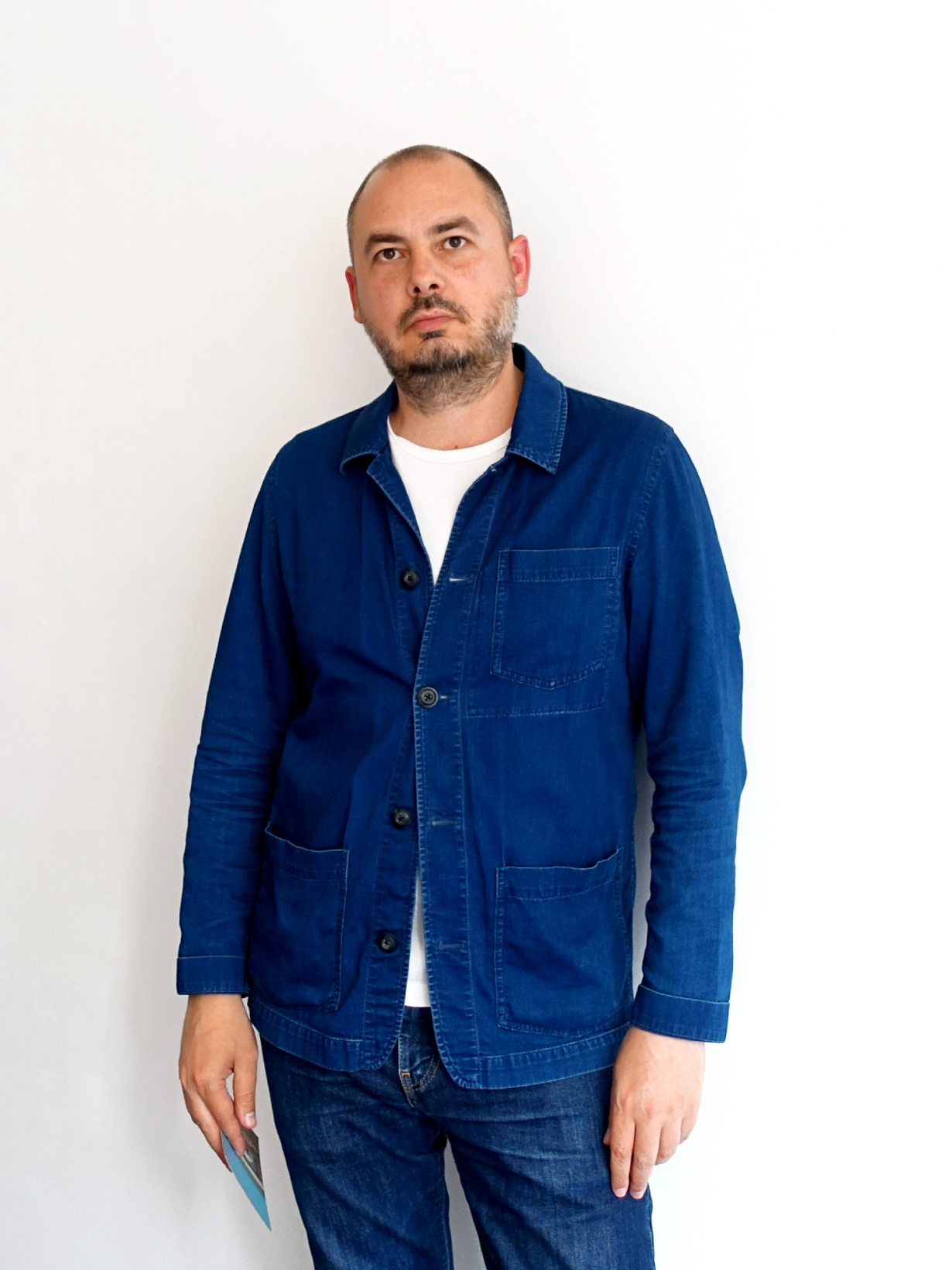
Oriol Vilanova is representing Spain; the pavilion is in the Giardini.
Celebrating Visions. Versace partners with ArtReview to share stories from the 2026 Venice Biennale.
AR Tell ArtReview what you plan to exhibit in Venice. What has influenced or inspired you?
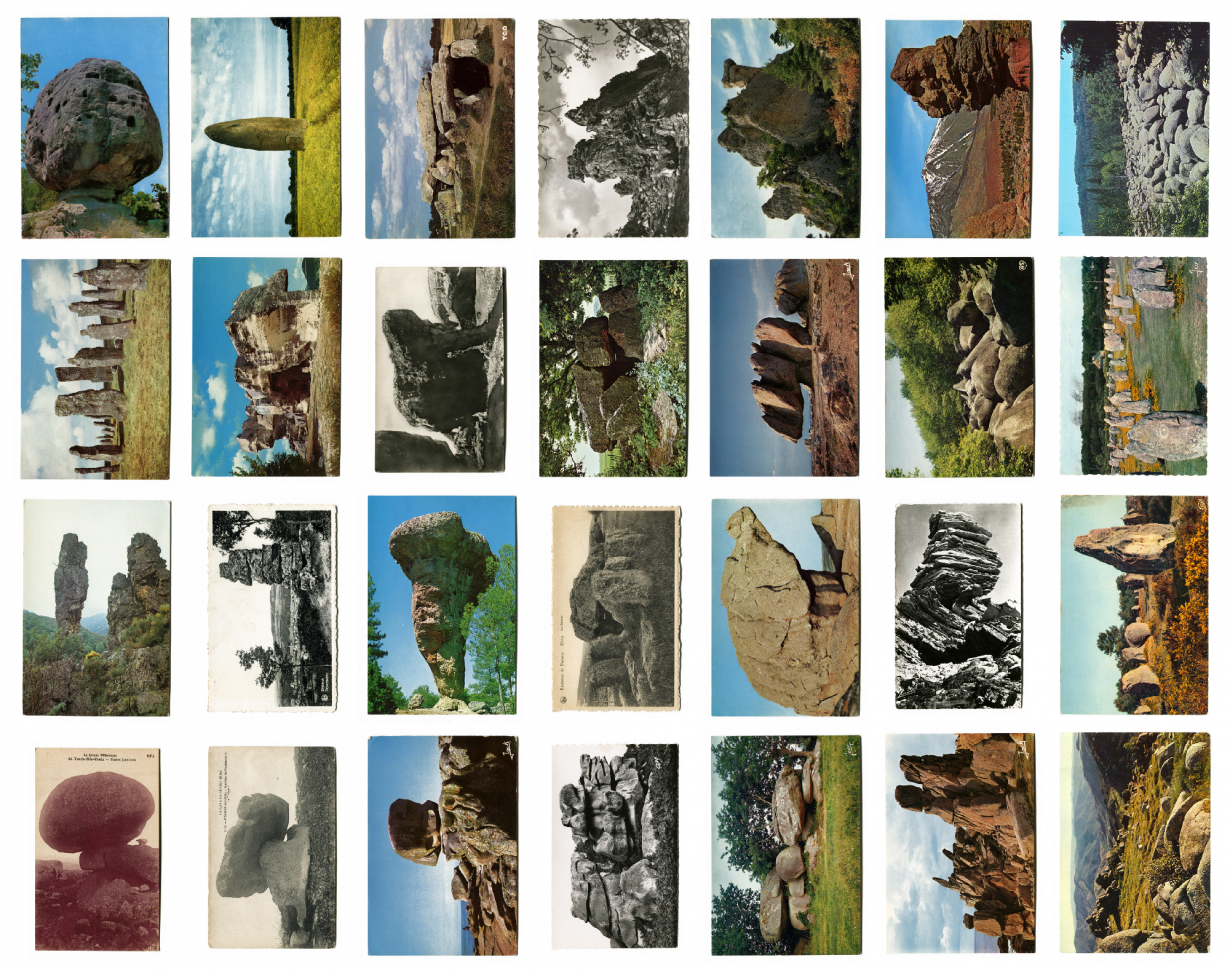
Oriol Vilanova I’m presenting an installation based on a postcard collection I’ve been working on for many years. Los restos is the title of the exhibition. I work with what remains: the remains of flea markets, the remains of histories. Fragments that can be reimagined in troubled times. I think it will resonate in Venice in different ways.
AR In what ways (if at all) does your work relate to the theme of the Biennale exhibition, In Minor Keys?
OV The flea market and the postcards belong to a popular and everyday visual culture, working at a minor scale.
AR Why is the Venice Biennale still important, if at all?
OV I don’t think the Venice Biennale itself is, or has been, the important thing. What has always mattered are the artists’ propositions, the artworks. And that will always be necessary.
AR What role does a national pavilion play at a time of increasing confrontational nationalisms? Is it about expressing difference or commonality?
OV The idea of the national in the arts is fluid, sometimes even antagonistic. I don’t have any nationalist sentiment.
AR Who, for you, is the most important artist (in any discipline) that your country has produced?
OV Francisco de Goya from Spain and Marcel Broodthaers from Belgium.
AR What is something you want people to know about your nation that they might not know already?
OV I don’t know what to answer.
AR Given that you are exhibiting in a national pavilion, is there something (a quality or an issue or attitude) that distinguishes the art of that nation from that of others? That makes it particular? Are there specific contexts that it responds to? Or do you think that art is a universal language that goes beyond social, political or geographic boundaries?
OV The history of each pavilion is different. I’m glad to be in dialogue with a family of artists who previously exhibited here: Antoni Muntadas, Esther Ferrer, Santiago Sierra, Dora Garcia, Lara Almarcegui, Ignasi Aballí. My presentation doesn’t engage with a national identity. Postcards easily cross borders, and the exhibition contains postcards collected from many places, dissolving any national idea.
AR What, other than art, are you looking forward to seeing – or doing – while you are in Venice?
OV Nothing in particular. Spending time in the city, walking around, simply inhabiting in this scenario.
AR Could you give us a brief overview of your average working day while creating your presentation in Venice?
OV I’m living five minutes from the pavilion. I come and go, it’s a long installation process. I stop by to follow the progress and enjoy seeing the installation evolve. Ingrid Sala, the studio manager, is present full-time, working with the committed team. I’m also working closely with ZAK Group for the printed matter and publication.
AR Can art really change the world?
OV No.
The 61st Venice Biennale runs 9 May through 22 November 2026