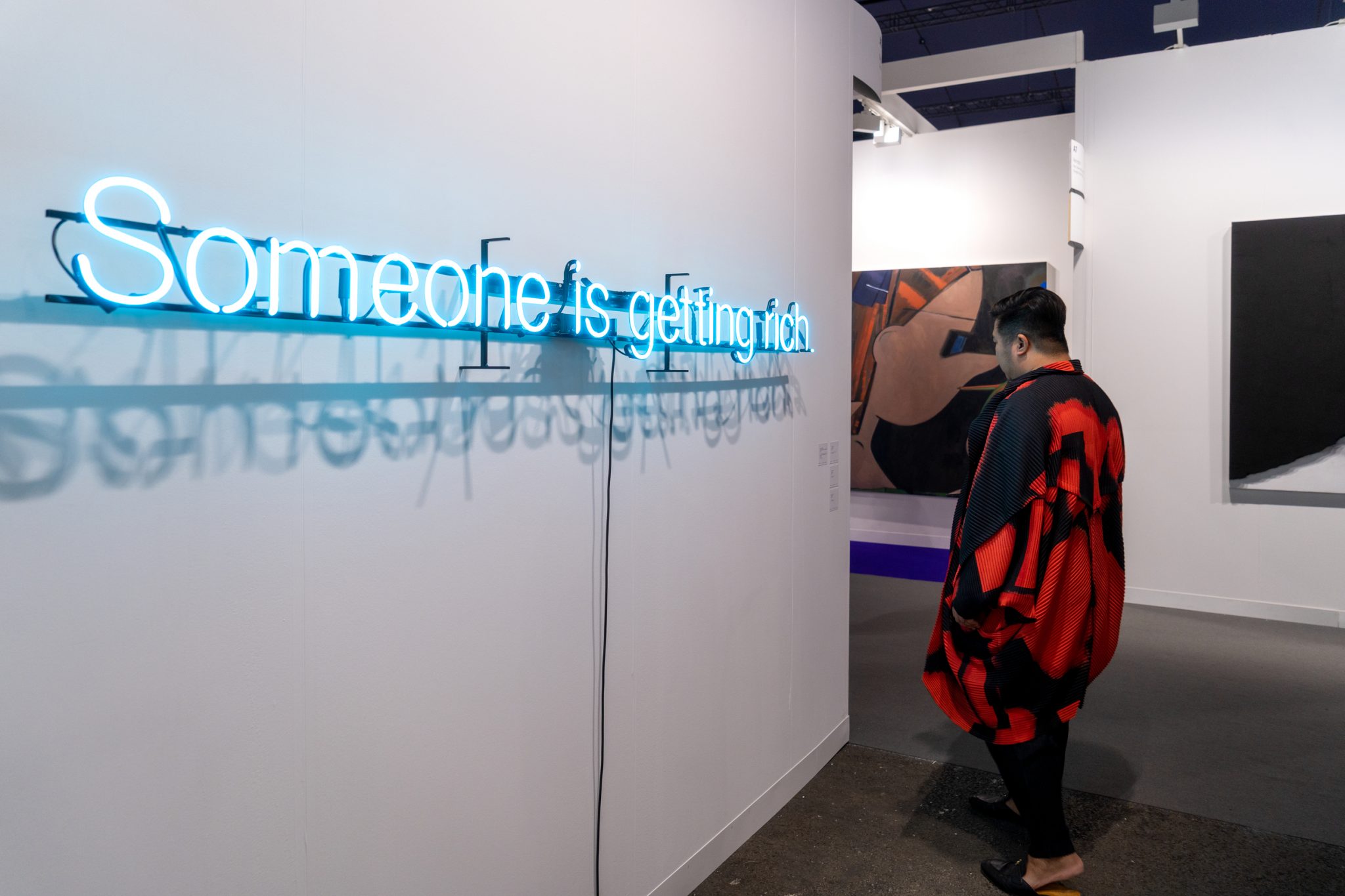
The book is in part about how people cease to be human beings and become their religions
Hanif is married to Shruti. Hanif is Muslim, Shruti is Hindu, as their names suggest. But this book is in part about how people cease to be human beings and become their religions. Or, as the author puts it, ‘symbols of one agenda or another’. ‘Sometimes it was we who turned ourselves into Hindus and Muslims’, the narrator writes. ‘Sometimes it was you.’
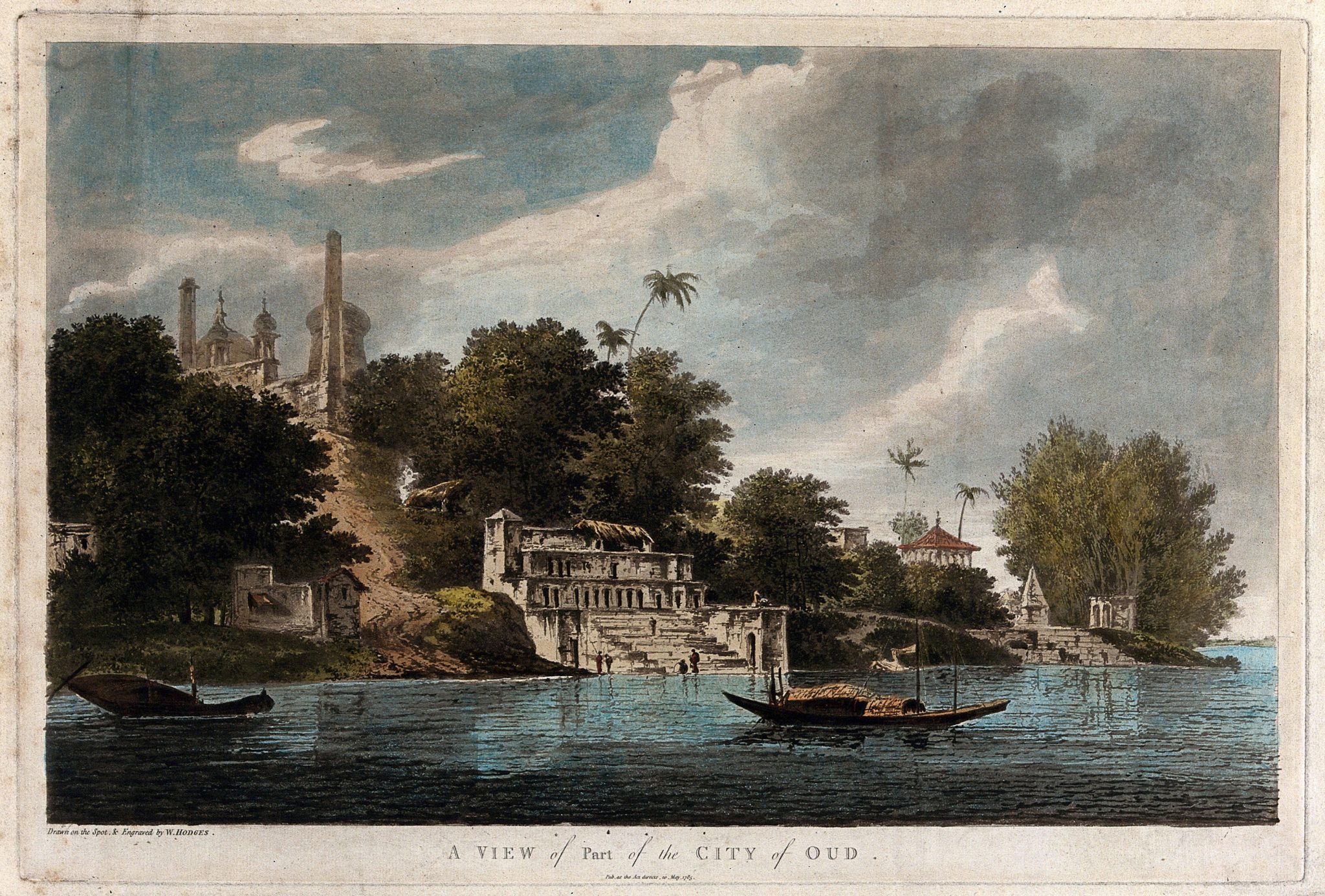
Hanif and Shruti live in an unnamed Indian city that, during the course of this tale, is experiencing escalating tensions between followers of the two religions. The threat of violence looms large as the story, which is inspired by the real-life events, symptomatic of the nation’s rising Hindu nationalism, that led to the destruction of the sixteenth-century Babri Mosque in Ayodhya, in 1992, unfolds.
Hanif and Shruti rent an apartment from Dadu, who lives beneath them with Sharad, his son. Sharad is also Hanif’s colleague and best friend. Their relationship will be tested as the tale unfolds.
Hanif and Sharad are academics; Shruti is a writer. We are told at the beginning of the book that they, like most intellectuals, pride themselves on the clarity with which they see the world around them and the clarity with which they communicate that. But that they are now struggling to write anything because, in the current circumstance of populist identitarian politics, words have become ‘utterly useless… empty like government slogans’.
It’s never clear if that’s because the bonds between words and meanings are too loose or too rigid. Indeed, much of the novel turns on the different ways in which the possessive pronoun of the title might be interpreted: ‘Children used to play hide and seek,’ we are told early on, ‘and now they play Hindus and Muslims.’ Does that ‘our’ split similarly? Or does it reference the trio at the centre of the tale? The mass of the city’s inhabitants at large? Or whichever group with which we, as readers, most identify? Does it mean them but not us? It’s testament to her skill as a novelist (and Daisy Rockwell’s skill as a translator) that Geetanjali Shree never quite lets us identify with any of those groups, leaving us, like her characters, guessing about questions of identity and belonging.
Given the central characters’ apparent inability to string a written sentence together, the anonymous narrator of this book claims simply to be doing us all a favour and copying down ‘fragments’ of their conversations, ‘whatever caught my eye’. This last, of course, means that the novel is fragmentary, picking up in the middle of conversations and dropping out before they end. Like a recording that’s been censored. While at the same time allowing the novel to claim a certain honesty as a result of the fact that Shree’s conceit means that the narrator cannot be omniscient and everything they write must, notionally, have been publicly performed. Although that gets shattered when the narrator revokes the previous entry of a cat into a scene, as that would necessitate terminating a birdsong that’s going on in the background. And, the narrator confesses, they like birdsong too much to do that. All of which leaves us uncertain as to whether or not we can trust the narrator’s words any more than anyone else’s. And puts us in a situation that is, once again, closer to that experienced by the novel’s central characters.
Everything is under siege. At one point the narrator wonders how one could find a language for screaming. Then whether or not a story can really be ‘made’ from words alone. Then whether or not it’s possible to have a new idea rather than merely repeating things one has heard before. Although that’s what they claimed to be doing as a faithful narrator in the first place. Our City, That Year is not an easy read. But it is an essential one. For the ways in which it demonstrates how easily the world can be manipulated and interpreted, by politicians as much as authors, so as to be read in ways that run contra to reality. And for the ways in which it asks us, in the face of this, to speak out. As Shree warns us, you can’t just sit there shocked, silent and open mouthed.
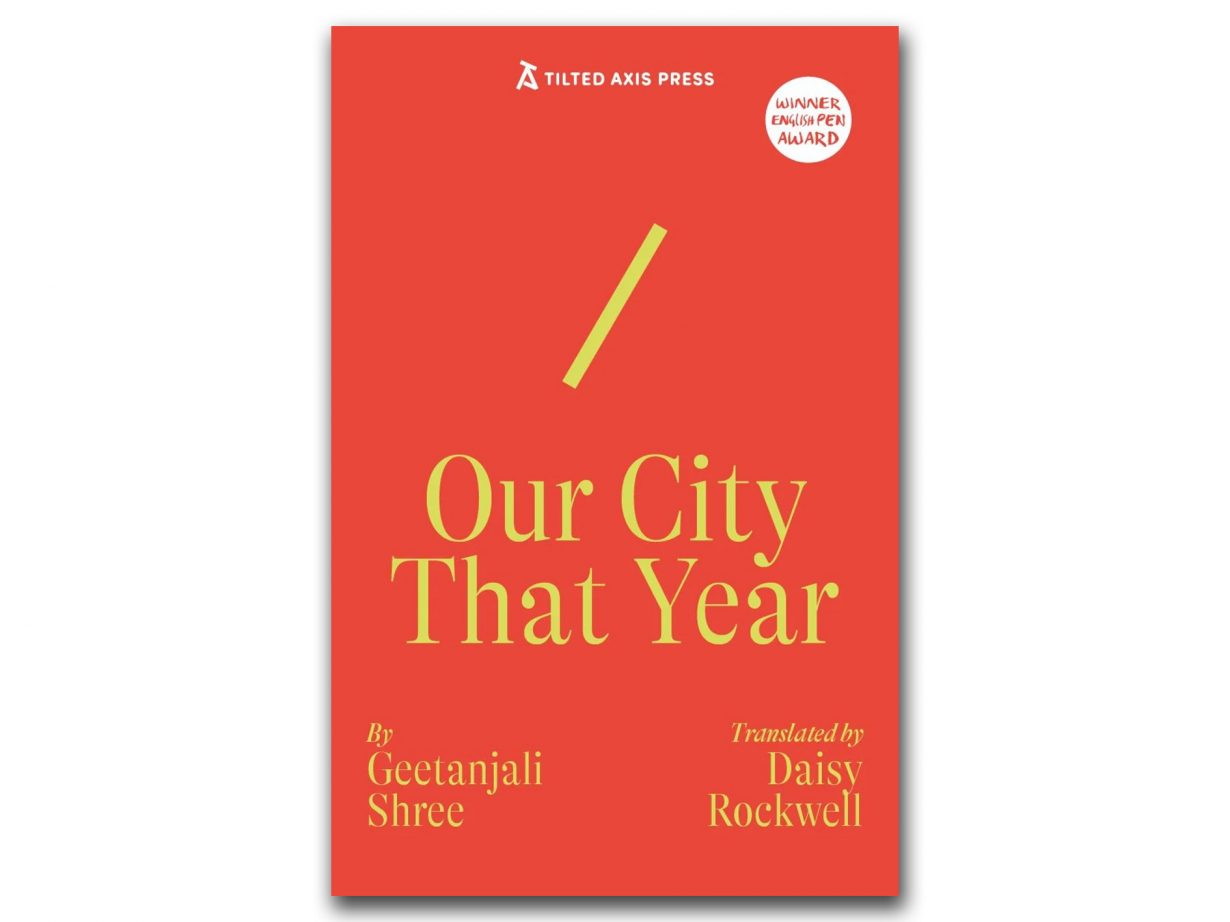
Our City, That Year by Geetanjali Shree, translated by Daisy Rockwell. Tilted Axis, £15.99 (softcover)
From the Spring 2025 issue of ArtReview Asia – get your copy.