Our editors on the exhibitions they’re looking forward to around the world this month – from Seoul and Sharjah to Birmingham and Boston
Hanover
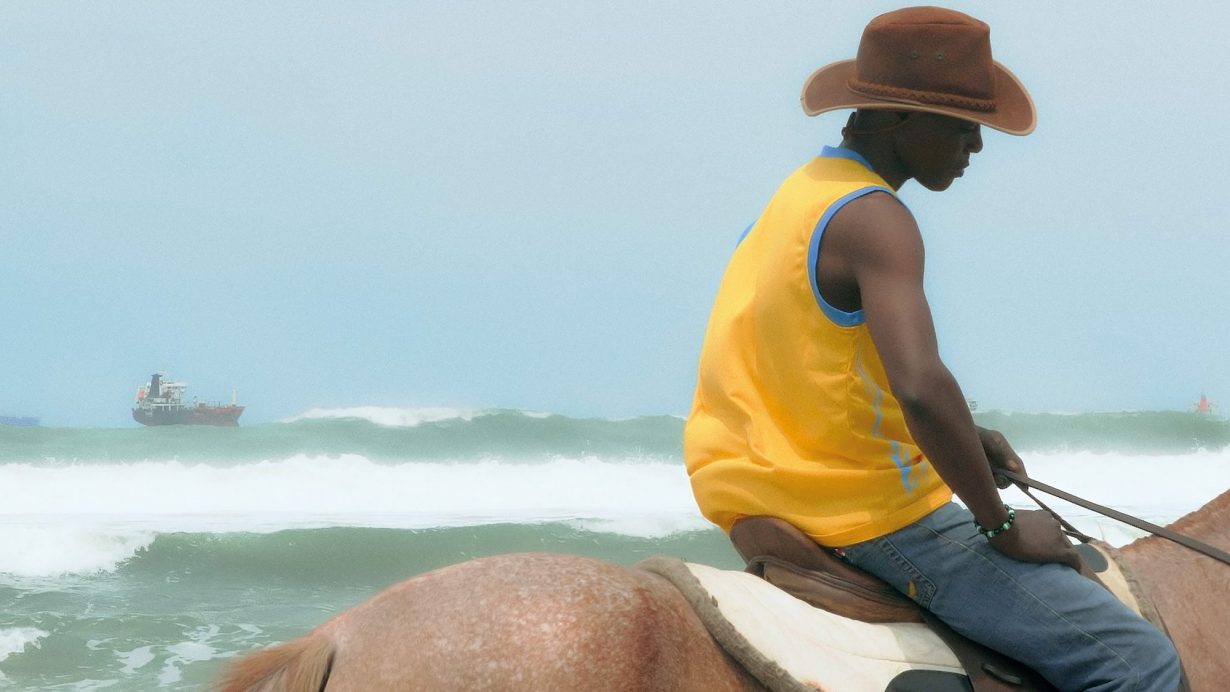
The British-born Nigerian artist Karimah Ashadu’s filmmaking operates on two levels of specificity: in documenting the material conditions and lived circumstances of contemporary Nigeria – its informal economies and cultural idiosyncrasies; and in the thematics of her images, with camerawork sculpting the masculine body (MUSCLE, 2025) or swivelling across an outdoor abattoir like a filleting knife (King of Boys [Abattoir of Makoko], 2015). Bodies, meat, markets, economies. There’s referential play to be had, too, be it the psychodramas of the western genre nodded to in Cowboy (2022) or MUSCLE’s ogling editing cadence. Crystalline will premiere Ashadu’s new film WAVES, set in a ‘makeshift car wash in Lagos, run by young men displaced from northern Nigeria by political conflict’, shown in tandem with photographs, sculpture and Cowboy. Exhibitions in Chicago of Ashadu’s back catalogue, Tendered at Renaissance Society and Machine Boys at Art Institute of Chicago, follow hot on Crystalline’s heels in September. Watch closely. Alexander Leissle
Kestner Gesellschaft, 29 August – 15 November
Boston
Leilah Babirye: Embaga ya Naki ne Naki (Wedding of Naki and Naki)
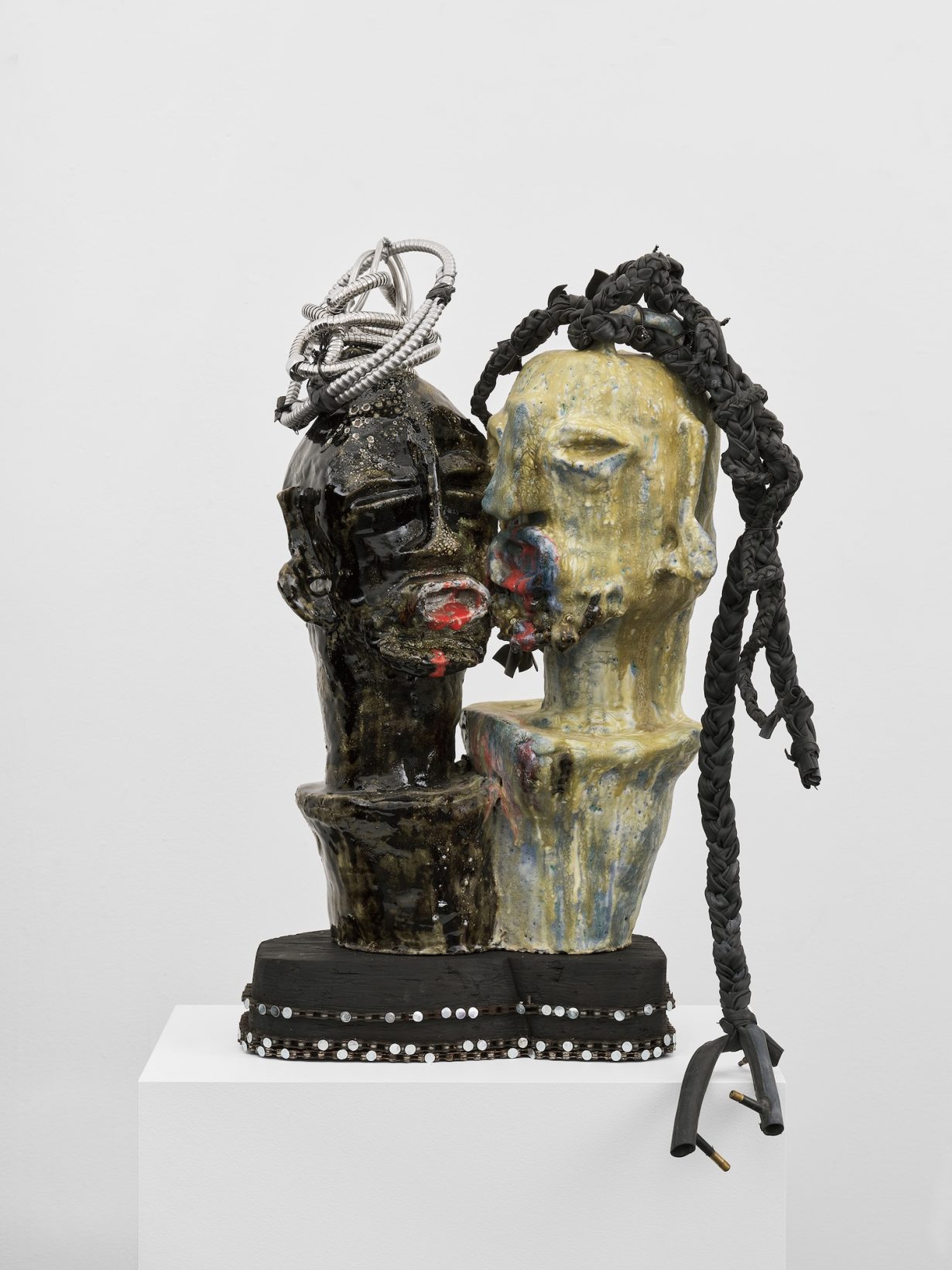
When Leilah Babirye moved to New York after being outed in Uganda – where she was born and where homosexuality is illegal – she made money by recycling cans, babysitting and delivering for Uber Eats. Even looking at these temporary jobs, one can tease out the preoccupations of her art practice: salvage, care, a particular penchant for bicycle gears and chains. Made from wood or clay and outfitted with rubber scraps and junk metal, Babirye’s anthropomorphic statues and busts honour real people ranging from royal figures to her friends and chosen family. The selection that will go on view in Boston – following recent presentations at the de Young Museum in San Francisco and the 2024 Venice Biennale – extends Babirye’s interest in queer Black kinship and love. The glazed ceramic sculpture Tuli Mukwano (We Are in Love) III (2025) sits at the heart of the show, which is staged as a wedding for a genderless couple who share the name Naki. Here, two pocked and somnambulant heads, adorned with a metal hose and rubber tubing, meet at an angle. Mouths, smeared red, strain towards one another without touching. The newlyweds’ ragged dignity radiates through the fictional ceremony. Among Babirye’s sculptures one finds that, as John Berger once wrote of Brâncuși’s stone Kisses, ‘Not one is polished and not one is platonic.’ Jenny Wu
ICA Boston, 27 August – 18 January 2027
New Plymouth
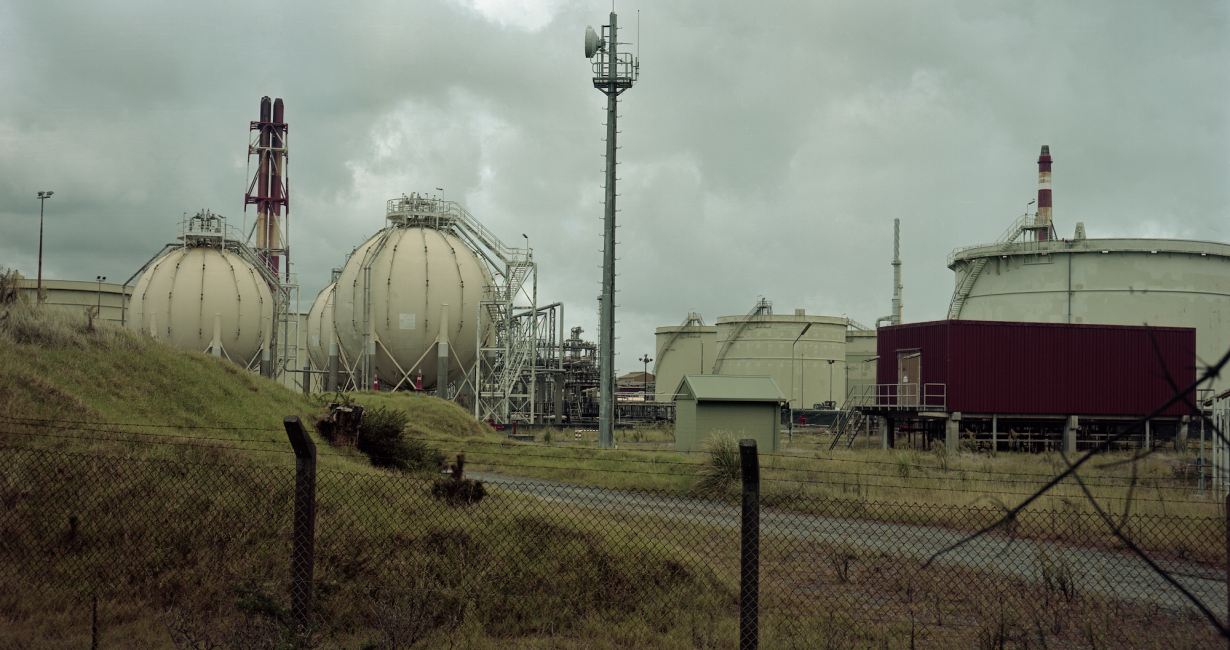
Fiona Clark is best known for the social documentary photographs she began making during the 1970s among Auckland’s queer and trans communities, preserving in these images lives and forms of self-expression that were largely excluded from Aotearoa New Zealand’s public record. Across five decades, she has treated photography as a form of witnessing, working closely with the people she depicts while documenting their health struggles, Indigenous rights issues (her series Te Iwi o Te Wāhi Kore, made between 1979 and 1982, which confronted the seizure and subsequent pollution of iwi land along the Mount Taranaki coastline, became a significant political tool in the assertion of iwi land rights) and the environmental effects of extractive industry in Taranaki, where the artist lives.
Her latest performance, What would this place look like without fossil fuel sponsorship?, continues her inquiry into that last. Recorded in 2025, the performance, which sees Clark circle the Len Lye Centre before dawn, dressed in repurposed hessian sacks while staring into its mirrored steel facade, draws attention to what cultural spaces conceal when they accept funding from industries implicated in ecological damage, and what kind of economic systems these institutions rely on.
Clark’s performance is being screened as part of Economies of Deferral, a group exhibition examining how the consequences of political and industrial decisions are displaced across time, communities and landscapes. Bringing together work by Clark, Darcy Lange and John Miller, Matthew Galloway, Ngahuia Harrison and Ho Rui An, the exhibition traces the effects of economic and industrial change, from the unemployment caused by the market reforms of 1980s Aotearoa to oil extraction and its impact on the environment, refinery closures and the country’s dependence on global petroleum supply chains – tracing the gap between promises of prosperity and the unresolved costs they leave behind. Fi Churchman
Govett-Brewster Art Gallery, 8 August – 15 November
Nikko
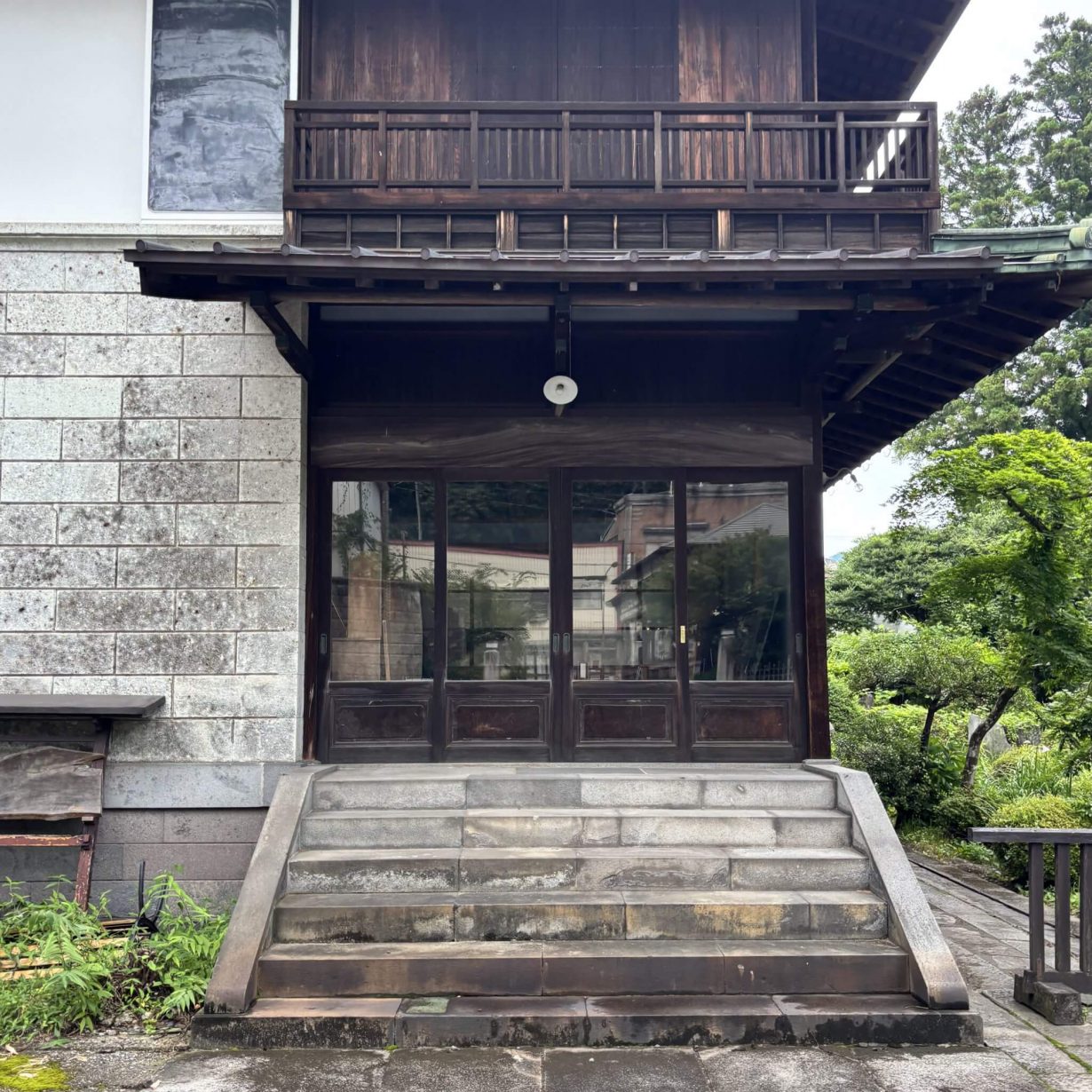
Organised by artists Anne Eastman and Tam Ochiai, and presented by Troedsson Villa Mountain School, this exhibition brings together a surprising constellation of US artists: Pope.L, Danny McDonald and Kiki Smith; and Japanese: Emi Otaguro, Miki Kubota, Tomomi Nishimura and others – in an over-a-century-old pawnbroker’s shop. Eastman and Ochiai’s graceful curating responds ingeniously, yet considerately, to the site, and the result is breezy. Inside, there is an unryuzu, or dragon and clouds painted on the ceiling, which came with the building. Outside, dragonflies take respite on Taichi Moriyama’s standout perches – each composed of a steel rod and found objects, such as stones and snail shells – that dot the garden. Kubota’s aslant and uncanny chair brings a corridor of Otaguro’s light-handed animal paintings to full stop. Events and workshops are to be held throughout the month with a revolving roster of artists in residence. In the late afternoon of my visit, strangers lay together on the tatami floor taking in a screening of a diaristic videowork by, and in remembrance of, the recently passed and much missed Hiroyuki Oki. Taro Nettleton
The Pawnbroker’s Museum, through 31 August
Birmingham
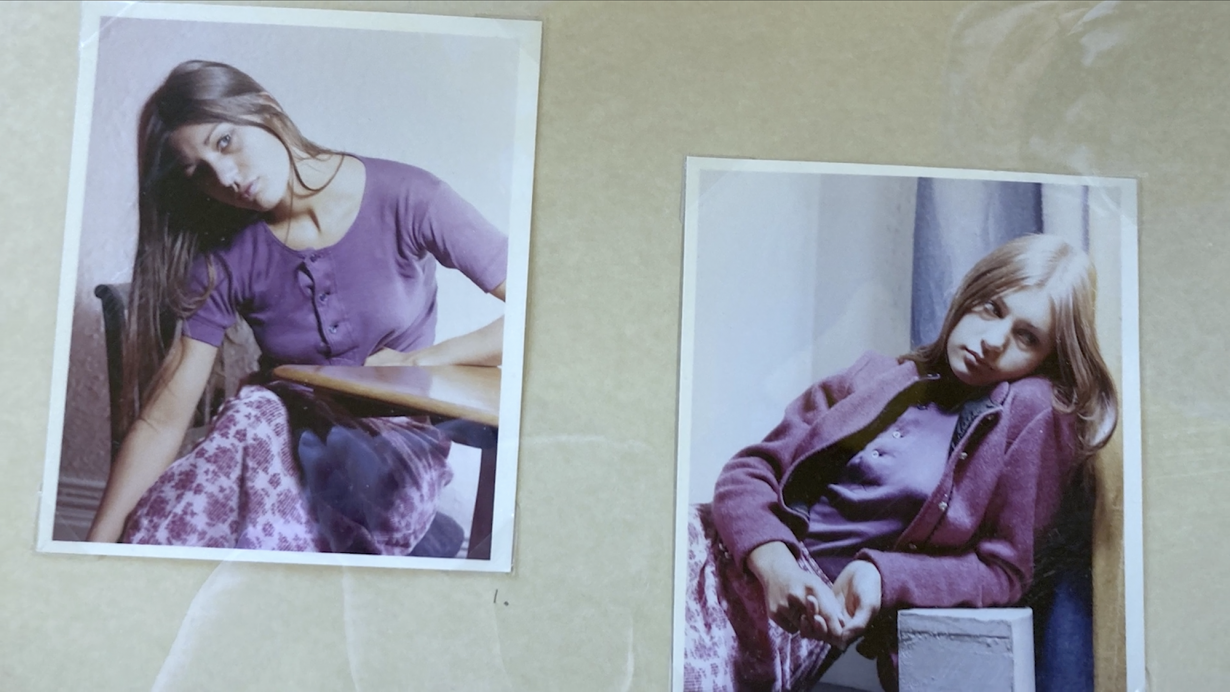
Best-known as a photojournalist, Lisel Haas was forced to flee her native Mönchengladbach in 1938, following the events of Kristallnacht, the Nazi party’s violent pogrom against Jews. She ended up in Birmingham, England, together with her partner, Grete Bermbach, where she gained a permit to work as a photographer for The Birmingham Repertory Theatre before establishing a successful practice as a portrait photographer. Between the two she developed a body of work that captured stars and ordinary citizens alike. Since her death, her remarkable archive has been housed in the Library of Birmingham, and material from it will be exhibited in a new exhibition that promises to bring together ‘Jewish refugee history, lesbian history, women’s lives, exile, photography and Birmingham’s cultural memory’. Also on view will be the work of five contemporary artists responding to a legacy that in many ways was rendered invisible, largely as a result of the extent to which Haas’s extraordinary life was devoted to documenting the ordinary and the everyday. Moreover, in a time of heightened intolerance towards outsiders, it provides an important tribute to the ways in which refugees and migrants can enhance civic life. Nirmala Devi
Library of Birmingham, through 12 December
São Paulo
Luisa Matsushita: Everything I Know, I Learned at Night
For four years Aberto, a platform for travelling exhibitions, has provided manna for nosy Paulistanos, opening up modernist architectural masterpieces in the Brazilian megalopolis to the public and dressing them with twentieth-century and contemporary art. The first edition, in 2022 occupied the only residential project designed by Oscar Niemeyer in the city; in 2023 a 1974 Vilanova Artigas villa was filled, the swimming pool included, with works by over 70 artists; while for the 2024 edition curators Filipe Assis, Kiki Mazzucchelli and Claudia Moreira Salles sourced the homes Chu Ming Silveira and Tomie Ohtake had built for themselves (Silveira designing her own; Ohtake commissioning her son Ruy). Earlier this year it was the turn of the Sputnik-like Casa Bola by Eduardo Longo, but now Aberto is spinning out a series of solo exhibitions, the art again moving to a new beguiling location each time.
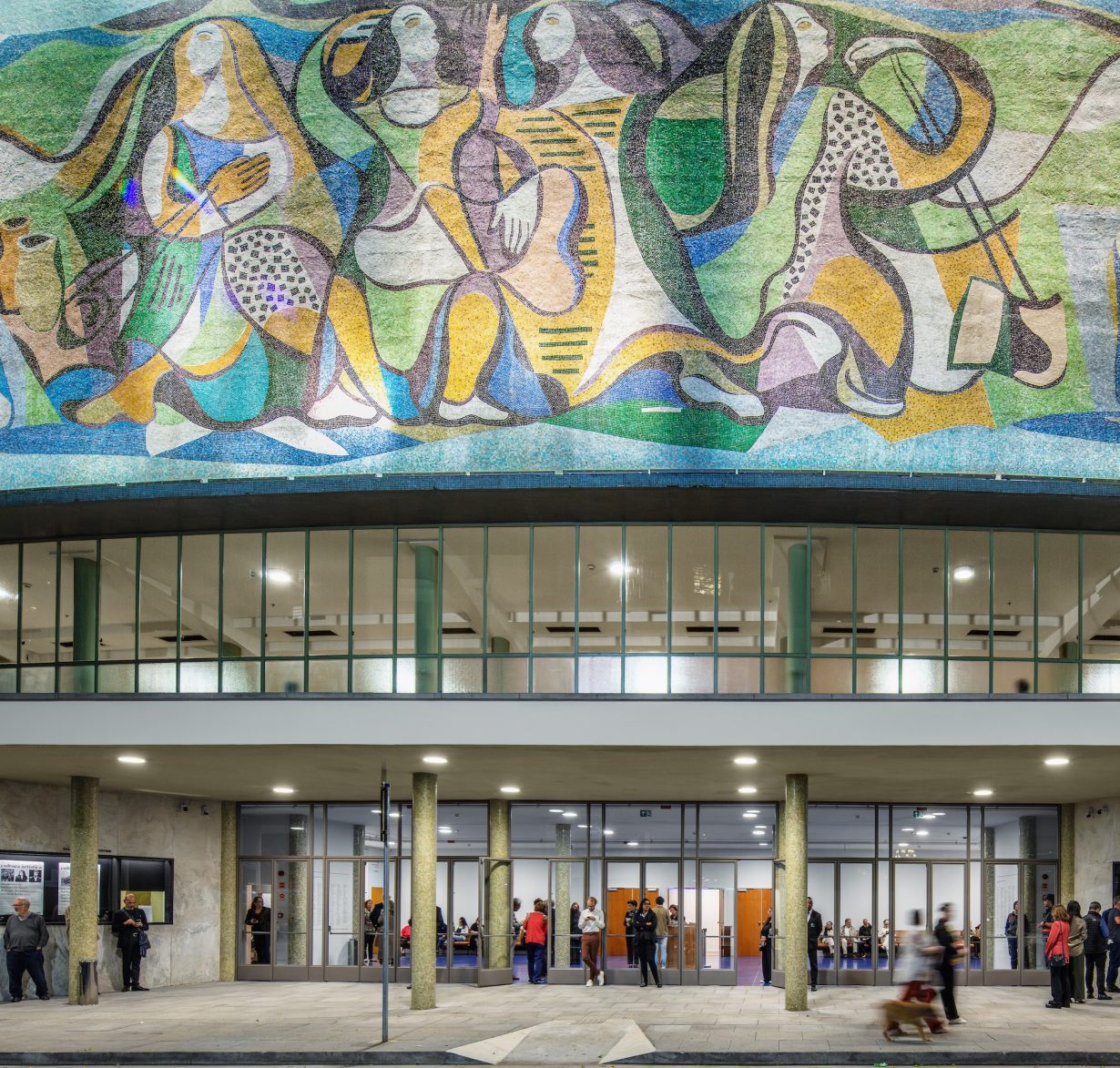
The first of these features painter Luísa Matsushita’s sweeping colour blocks on canvas occupying the Teatro Cultura Artística. When Rino Levi designed the downtown cultural venue in the 1950s his plans included a gallery, but the room was never used as such. Seventy years later, the architect’s vision will be inaugurated with Matsushita’s work, the artist’s emphasis on abstraction and palette finding ancestry both in Levi’s yellow interior walls, blue floors and green columns, but also the iconic modernist mural by Emiliano Di Cavalcanti that graces the facade of the theatre. Matsushita will also produce a 15-metre-wide installation for the theatre’s main lobby. Oliver Basciano
Teatro Cultura Artística, 15 August – 27 September
Seoul
Christine Sun Kim: Have Many Dumb Fight Against Rock
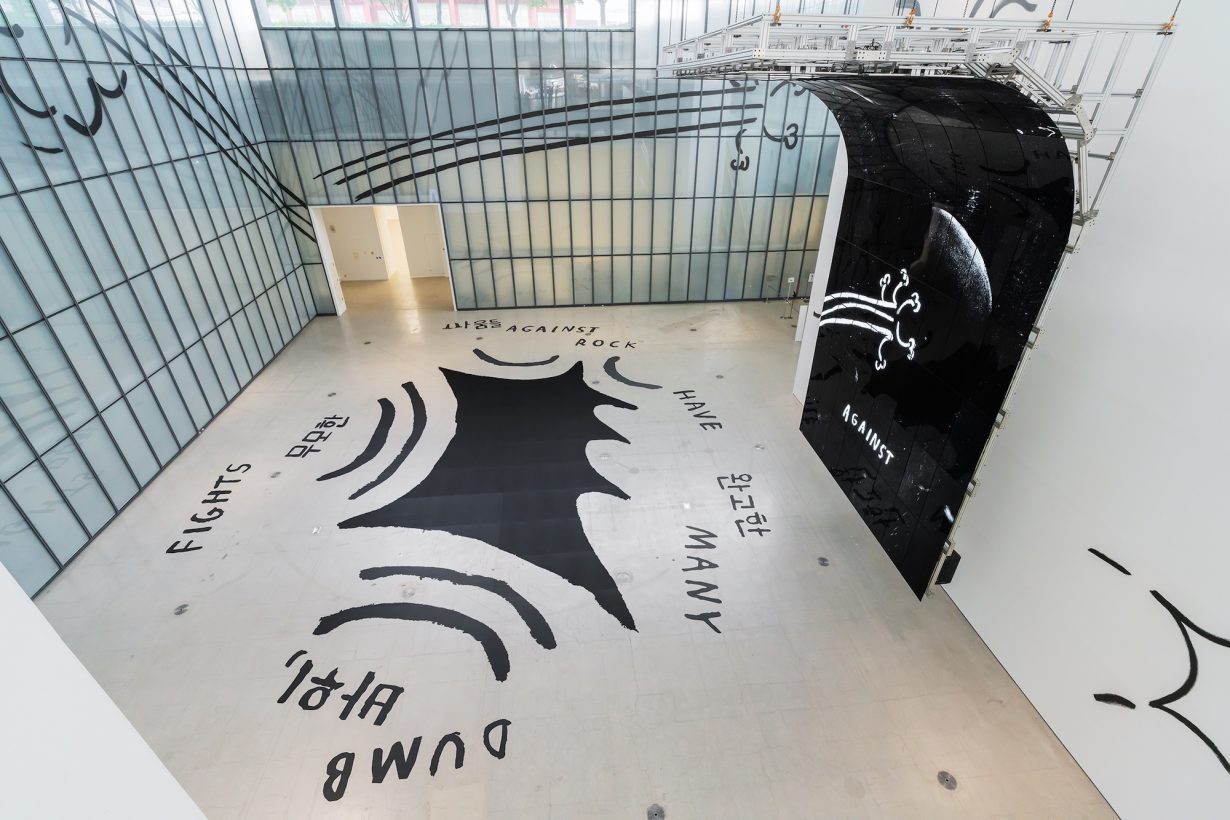
As Christine Sun Kim’s midcareer retrospective is wrapping up at the Walker Art Center, Minneapolis, at the end of the month, following its debut last year at the Whitney in New York, the artist has embarked on a new site-specific commission for the MMCA’s ‘Seoul Box’, as part of the museum’s ongoing partnership with consumer electronic company LG. The exhibition extends Kim’s exploration of language as an imperfect system of communication, rooted in the artist’s experience as a Deaf woman. This work is composed of her characteristic black-and-white, comic book-inspired lines, here expressing motion (that of ASL hand gestures) and accompanied by text stating ‘Have Many Dumb Fight Against Rock’ in English and Korean. These illustrations and words have been turned into adhesive vinyls that cover the floors and walls of the gallery, and into animations on a massive, curved screen. With Kim’s usual humour, the work attempts to tackle the frustration of fruitless communication, when language is just a vehicle for unbudging ideologies – like in Youtube comment sections or when trying to get your deposit back from your landlord. Or like when conflict escalates into fullscale war. Mia Stern
MMCA Seoul, through 29 November
Sharjah
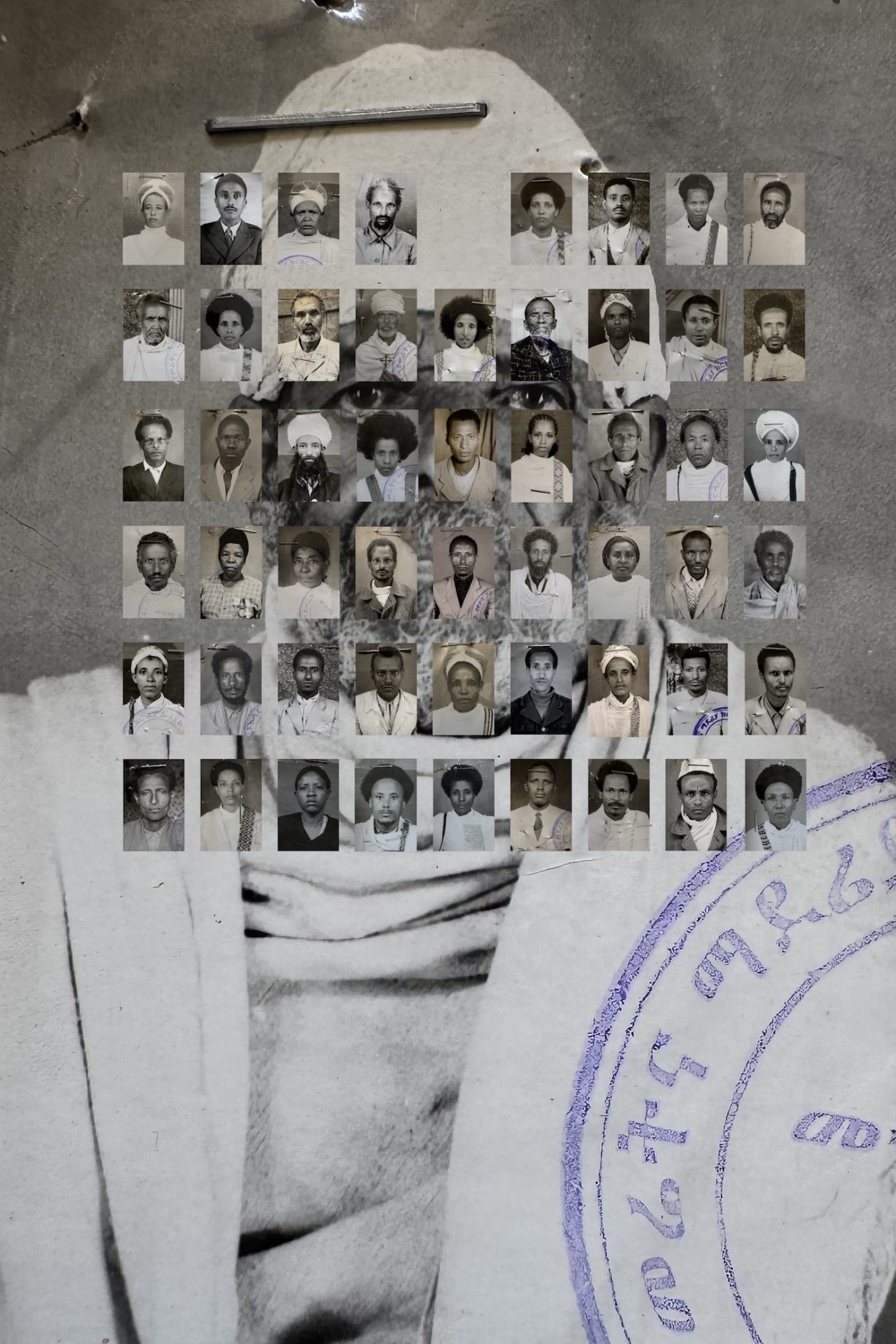
The 13th edition of Vantage Point will take place in Sharjah Art Foundation’s newly built Photography Gallery, whose 450-square-metre exhibition space, opened in January, is the latest add-on to the multi-venue art museum helmed by Hoor Al Qasimi. Like its previous iterations, this one is the result of an open call, featuring six artists who, unlike before, were each given a fund to produce a new body of work broadly exploring the ‘possibilities of documentary photography’. Maheder Haileselassie’s Arbegnoych series (2026), for example, examines the stories of Ethiopian resistance fighters during the Italian occupation of the country via identification portraiture, questioning the type of photographic truth that portraiture claims to reveal. Guanyu Xu’s ongoing Resident Aliens project (2020–) pictures the homes of those considered to be immigrants, exploring how images mediate memories and one’s sense of identity. There’s also Luisa Dörr, Latifa AlBokhari, Sathish Kumar and Adam Rouhana, whose works experiments with photography’s possibility as a communal medium, telling the story of community and belonging – themes that, in today’s world of constant crisis and wars, are still poignantly felt in the region. Yuwen Jiang
Sharjah Art Foundation, 8 August – 29 November
New York
Precious Okoyomon: Among the Flowers I Learned to Love: A Garden of Decreation
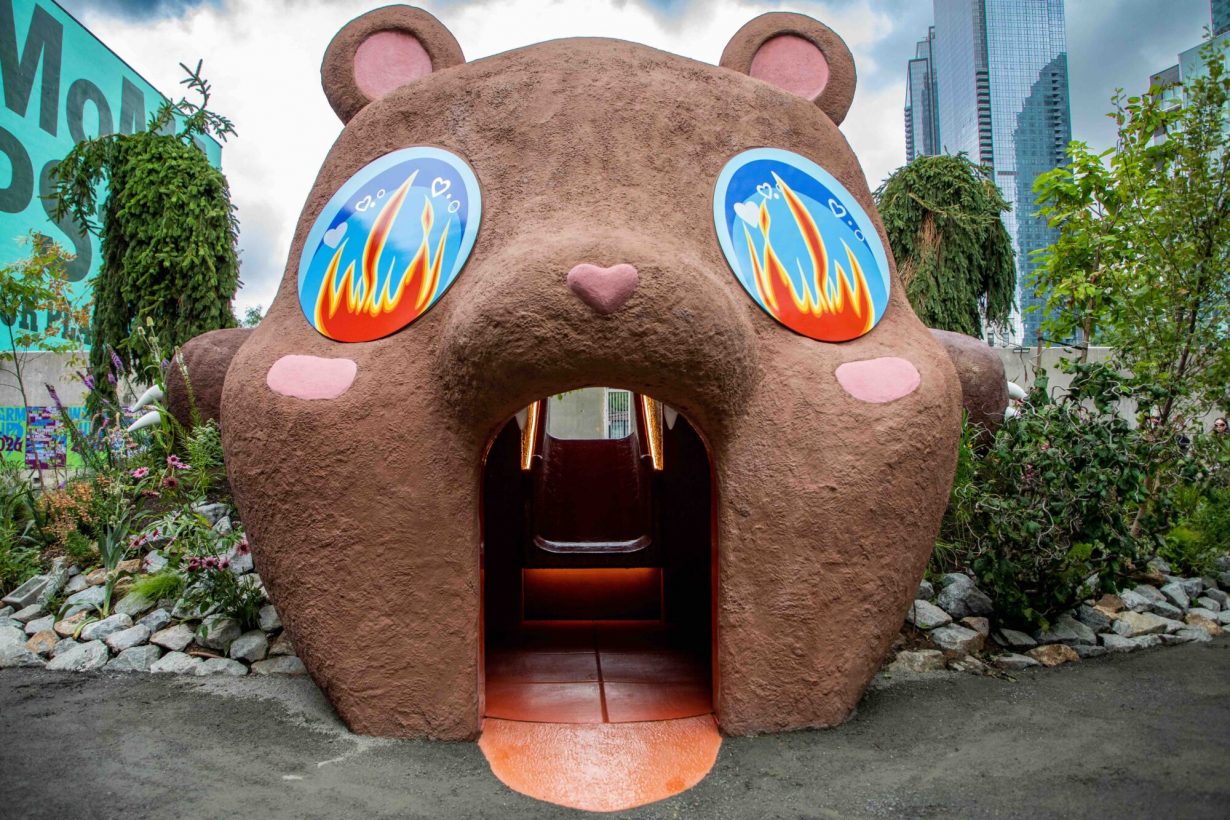
Circumambulating Precious Okoyomon’s outdoor installation, like a monk around a stupa, one admires the blooming coneflowers, their raspberry-shaped disks; the mauve and sorbet-orange hummingbird mint; the glazed tiles embedded in the fresh soil. These are etched with naive drawings of the sun and oblique handwritten messages that call on viewers to ‘Construct an obstruction already weaponized within’ and ‘Keep falling into calculated fading’. To actually interact with the work – to go up the seven sandstone steps that deliver one into the raised anus of a hill-sized brown teddy bear splayed on its stomach (The Pleasure Principle, 2026) and down the slide inside its body that ends in the round chamber of its mouth – is the domain of children. Signs warn of low clearance; the slide itself is only about a metre long. Hence, the installation draws a dividing line, between those who contemplate and those who act, those who think seriously about play and those who embody it; and, per the central sculpture’s evocative title, the superego and the id, desire and its denial, and the irresolution of what Okoyomon has called ‘the creature within us’. Jenny Wu
MoMA PS1, through 2028
Amsterdam
Sonsbeek 2026 x Hartwig Art Foundation: The Curved Times of Memory (What Would I Do in Orbit)?
When not summoned by Buddhists or Nietzscheans, spiralling or curved conceptions of time are often associated with particular conceptions of ancestrality and memory, particularly those relating to Indigenous worldviews. All the rage in the artworld right now. This film programme takeover of Hartwig Proxy, organised as part of Arnhem’s – it’s in the Netherlands, not far from the border with Germany – Sonsbeek (which styles itself as one of the ‘oldest recurring public-art festival in Europe) bucks that trend, getting rid of any form of human agency entirely (sort of – there are still human artists involved). Instead, the programme looks at the notion of memory (and time) on a curving, escalating scale – from the body, to a landscape, to a planet. The programme features works by Korakrit Arunanondchai, Anne-Mie Van Kerckhoven, Jota Mombaça and Larry Achiampong, each of whom is participating in Sonsbeek 2026, curated by Amira Gad and Christina Li. The film programme itself is directly inspired by Van Kerckhoven’s work, a flower carpet that looks to the Milky Way as a source of inspiration and the spiral as a healing force. But don’t get too caught up looking up when you should be looking forwards. There are two ‘live moments’ on the cards as well: ‘a weekend of workshops and performances on 5–6 September, including a bus ride leaving from Proxy in Amsterdam to Arnhem, and a closing gathering on 13 October’. Nirmala Devi
Hartwig Proxy, 19 August – 6 September