Audio produced by Hannah Pezzack, with mixing and mastering by Brandon Michael.
For the inaugural Manufactory x ArtReview Writer’s Residency, Hannah Pezzack listens to Park Royal’s hidden industrial rhythms and to a landscape in redevelopment.
On a humid afternoon in August, I find myself wandering the winding arterial roads and alleyways of Park Royal, London’s largest industrial estate. An epicentre of British industry since the early twentieth century, the area has been home to household names including Renault, Heinz and Guinness, and remains a major hub of production and distribution today.
Here, industry unfolds behind roller shutters and loading bays, in the constant coming and going of vans and articulated lorries. Bread, beer and biscuits emerge alongside cut stone, metal and specialist machinery; pallets are loaded, goods dispatched, materials carried elsewhere. It is an intricate latticework of containers, algorithms and manufacturing plants connecting Greater London to the wider world.
Journeying deeper into the estate, I encounter clouds of steam escaping from ventilation shafts, the air thick with the heat of late summer. My shirt sticks to my back as I slip down narrow lanes, passing the occasional worker in a high-vis jacket. Carrying a field-recording setup – a Zoom recorder attached to my belt and tripod-mounted microphones, replete with furry grey windshields known as ‘dead cats’ – I attract the odd curious glance or half-smile, but mostly I am ignored.
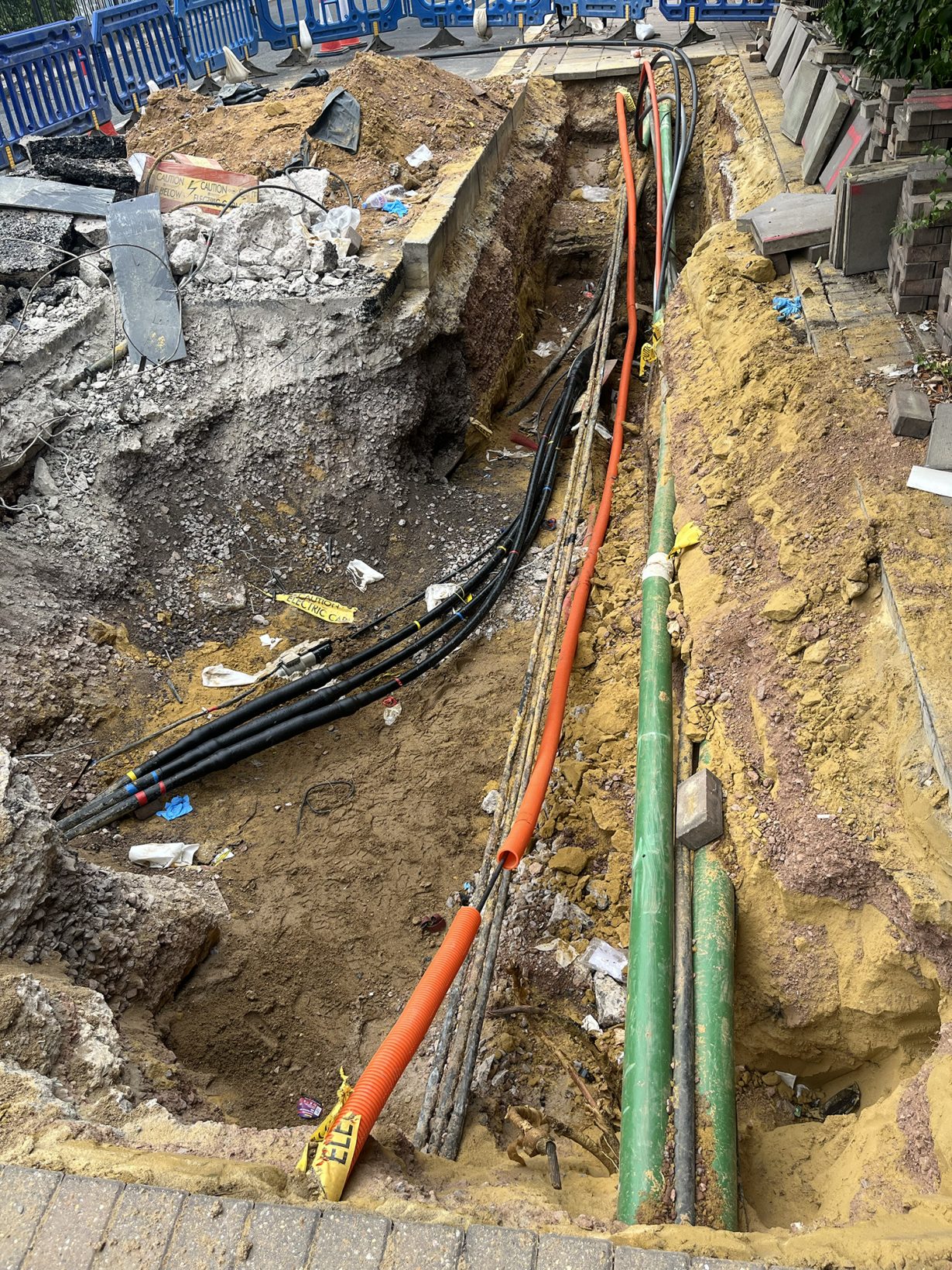
Along my walk, I note how much of Park Royal withholds itself from view. Its architecture is largely one of concealment: looming post-war buildings, windowless units and prefabricated sheds offer few clues as to what takes place within. Yet behind these stark exteriors lies a polyphony of activity.
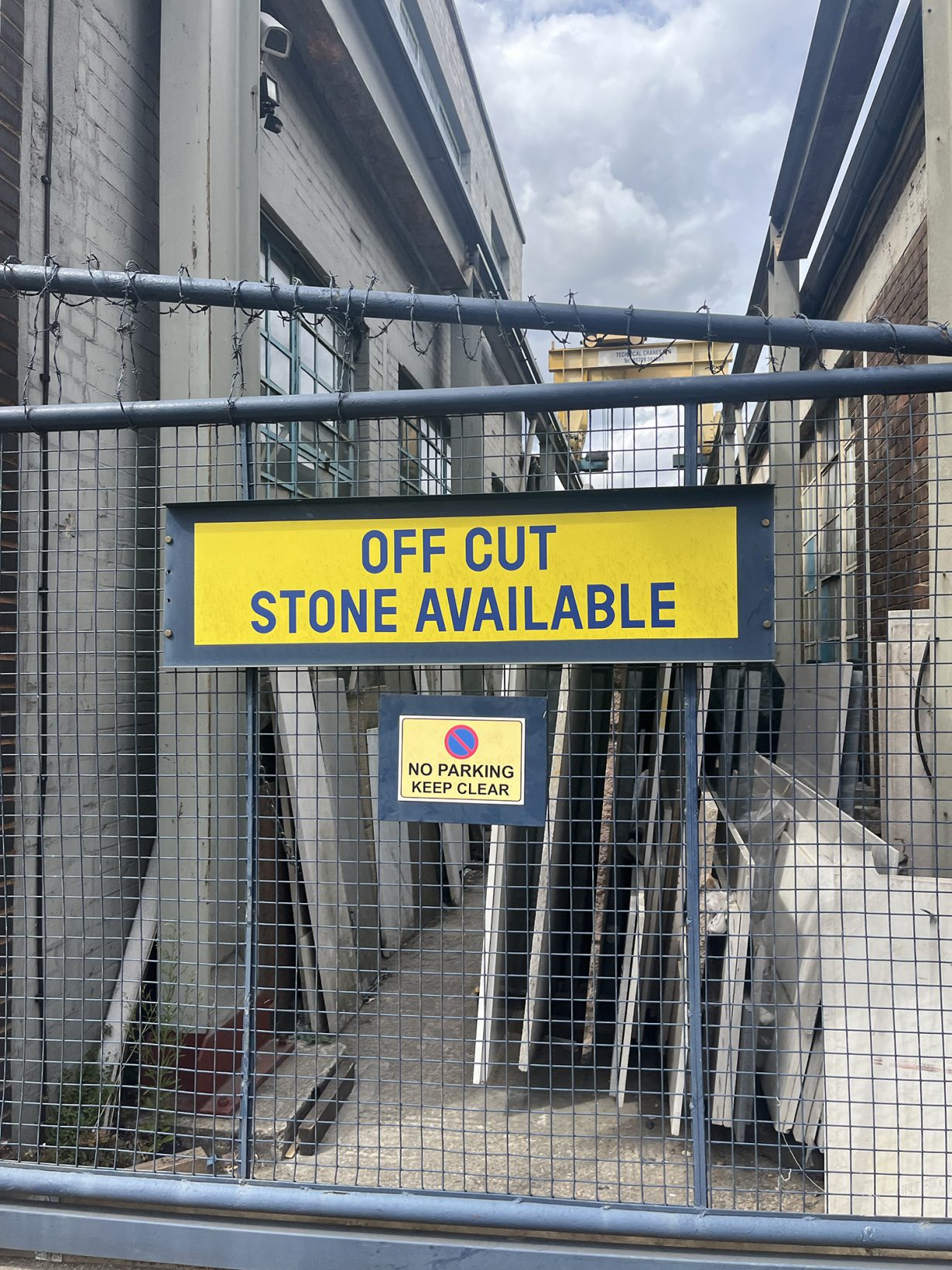
Some of the noise spills out onto the street and is already audible to the naked ear, but through my headphones the sounds become expansive, detached from the background hum and brought sharply to the fore. I pause and raise my microphones skywards, listening to the screech of granite being sliced; a reversing forklift; crates dragged across concrete; a radio blaring somewhere out of sight; shouted instructions; the slam of a van door; a half-heard conversation, laughter.
Listening, then, becomes a way of apprehending this obscured landscape without intruding on its operations. Through my recording devices, I can, in a sense, peer into warehouses and around corners, catching a glimpse of the goings on. In the words of theorist Brandon LaBelle, sound is ‘promiscuous’: it travels through walls and floors, crosses boundaries, carrying traces of what otherwise goes unseen, or is made invisible.
But Park Royal’s uneasy relationship with visibility extends beyond its architecture. For all the action contained within the estate – and for all its importance to the everyday functioning of London – the vast site remains mostly absent from the city’s cultural imaginary. Its products circulate everywhere; the processes and people – often low-paid and in precarious employment – that produce them remain largely out of sight.
In this way, Park Royal can be understood as a hinterland: one of those difficult-to-define geographical areas that encompass farmland, ports, docklands and transport corridors – regions that sustain systems of exchange while remaining politically peripheral. As researchers Neil Brenner and Nikos Katsikis observe, despite the hinterland’s crucial role in supporting global capitalism, such zones remain ‘something of a “black box”’, frequently cast as ‘unmapped, backward, and therefore not worth knowing about.’ This attitude is echoed in the term’s etymology: derived from the German Hinterland, literally ‘the land behind’, it evokes a place that recedes from view, a place that is overlooked.
The soundscape I have created, composed of layers of field recordings, is an attempt to amplify operations usually pushed to the margins, while drawing attention to the area’s complex sonic character. Park Royal thrums with its own intricate rhythms and manifold voices.
But the acoustic ecology captured here is also a fragile one. The land has long been insulated from the worst of London’s speculative property market by its designation for industrial use, which restricts residential development. Relatively low rents have, in turn, allowed an unlikely mixture of worlds to take root alongside the more conventional industries: small manufacturers and artisans; artists and filmmakers; cafés, bakeries, restaurants and shisha bars serving its diverse communities.
This particular ecosystem now faces an unclear horizon. Park Royal sits at the centre of significant urban change, with the HS2 railway line and wider redevelopment around Old Oak set to bring new investment. As land values rise, there are fears that the affordability will be eroded, placing particular pressure on smaller businesses and independent makers, many of whom were already strained by the COVID-19 pandemic. The question, then, is not simply what Park Royal will become, but what – and who – will be able to remain. Heard in this context, the recording is more than an auditory portrait: it is a record of a place whose particular resonances may soon be altered beyond recognition.
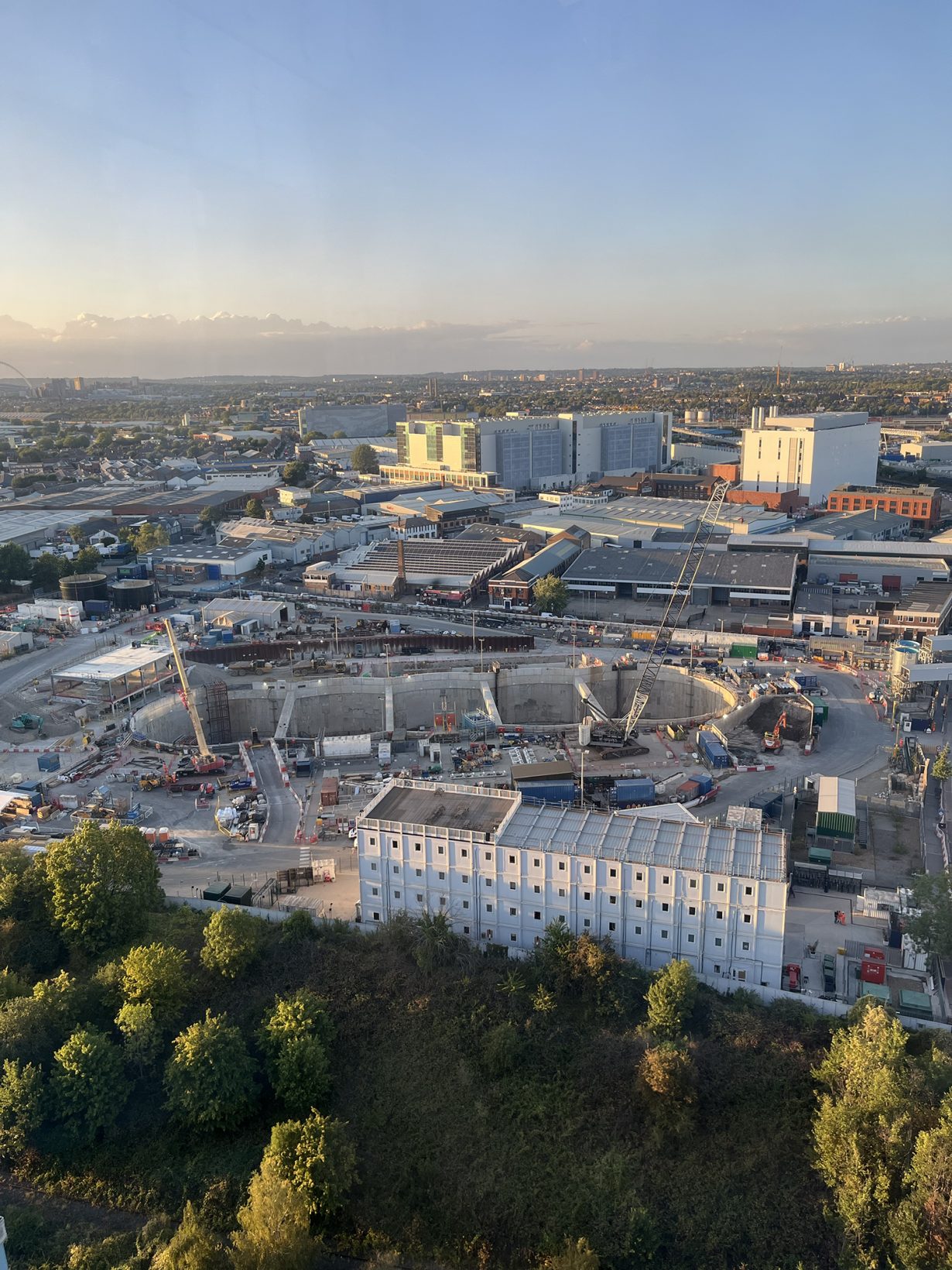
The sense of impending loss brings me back to South Wales, the post-industrial hinterland where I grew up, whose parallels with Park Royal first sparked my interest in the estate. As a child, I would visit Cardiff Bay with my father, who had been employed in the furnaces of the former docklands. Once a centre of heavy industry, by the early 2000s the waterfront was being remade as a leisure district: its blackened buildings, winches and wharves replaced by an ostentatious outcrop of high-rise apartments and an opera house. Most of what my father had known had disappeared, but as we meandered along the pier he would conjure its forgotten soundscape: ships crossing the polluted harbour; the trundle of railway carriages; the ceaseless roar of the fires.
His nostalgia was ambivalent. Years of manual labour had left him physically disabled, and he had little affection for the dirt, danger or relentless noise of the job. What he mourned was the measured of stability of those sounds, and the social world that had evaporated alongside it. As we walked, he would point to places that no longer existed: pubs where he remembered hearing jazz and roots music; streets erased or transformed by redevelopment; the old neighbourhood of Tiger Bay, Wales’s oldest multi-ethnic community and the birthplace of pop, R&B and soul singer Shirley Bassey, which was largely demolished in the 1970s.
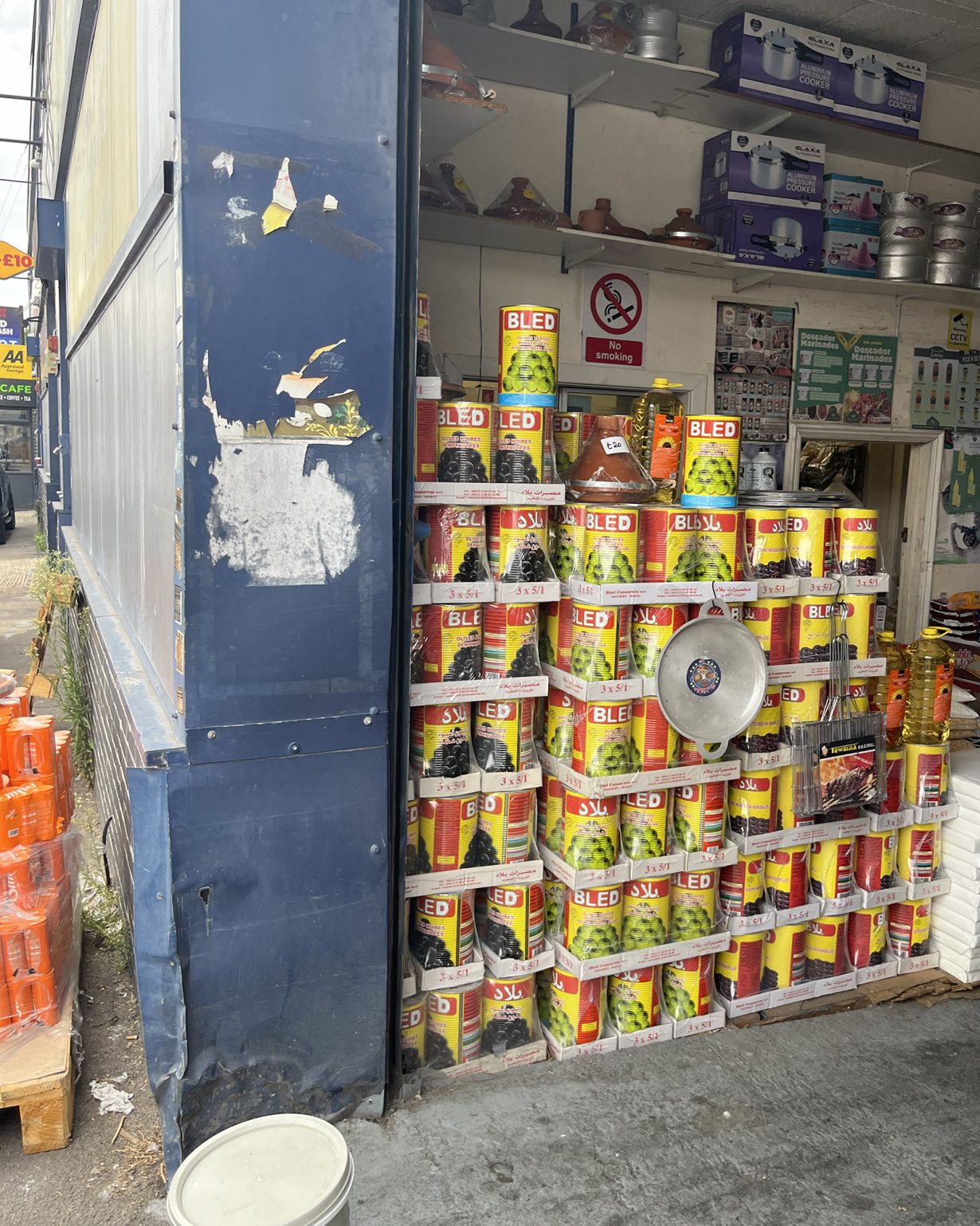
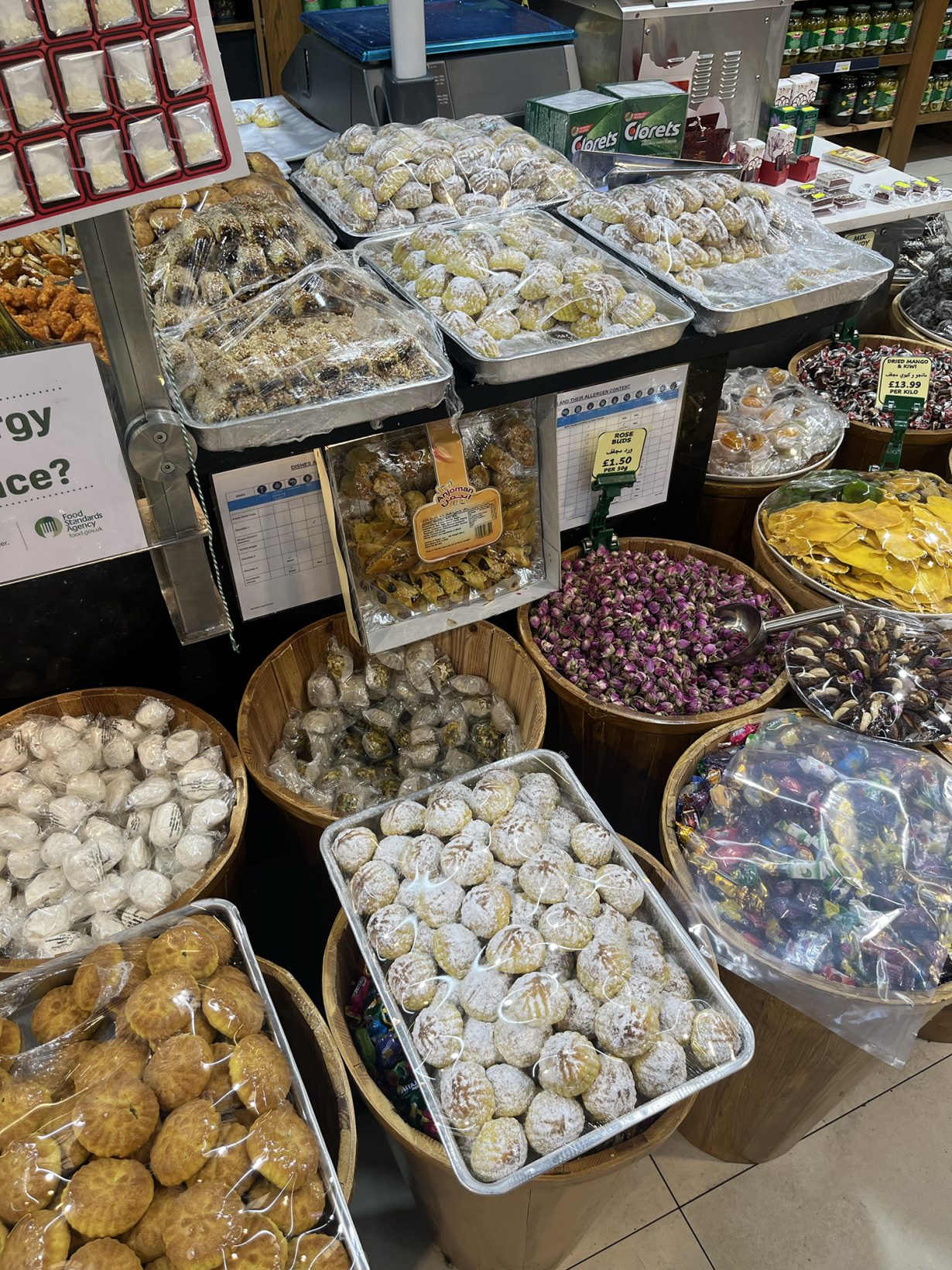
There is an important tension within this narrative of regeneration. Precisely because of their marginality, hinterlands are sometimes described as ‘sacrifice zones’: valued principally for what they can provide to the metropolis, and therefore vulnerable to cycles of extraction, neglect and sweeping reinvention. Cardiff Docks’ metamorphosis into Cardiff Bay has been criticised for its gentrifying effects, and for failing to benefit the multicultural, working-class communities that have historically called the area home. It is a legacy of displacement that casts an uneasy shadow over Park Royal’s future.
With this uncertain prospect in mind, I conclude my soundwalk outside one of Park Royal’s many car washes, where a group of workers are hosing down the dusty bonnet of a silver hatchback, singing loudly along to a hip-hop track. I laugh as they harmonise, choosing not to hit record and allowing the moment to remain theirs. This is yet another surprising facet of the estate’s sonic life: with few residential neighbours to complain about the noise, the area’s acoustic territory extends beyond the working day and well into the night, the industrial clamour giving way to music from shisha bars and blasted out of car stereos. For now, at least, Park Royal remains noisy, unruly and very much alive.
Hannah Pezzack is a writer, editor and curator based in the Netherlands and the UK.
Talk: 12 October 2026
Pezzack will be in conversation with fellow writer-in-residence Aram Masharqa, programme director of Park Royal Design District Mazzy-Mae Green and ArtReview’s Fi Churchman.
Queensrollahouse
NW10 7LU
Doors & bar: 5pm
Conversation: 6.30pm
Learn more about the Manufactory x ArtReview Writer’s Residency here.