The Thai artist has a horror filmmaker’s knack of making the familiar seem unfamiliar, sinister and haunted
It is fitting that Thai artist Taiki Sakpisit’s nightmare-themed exhibition launched during the seventh month of the Chinese lunar calendar, when the gates of hell are believed to be opened for spirits to roam the earth. An eerie, disjointed experience that walks the thin line between reality and dream, the show features seven photographs and a multichannel video installation, whose subject matter draws from familiar horror motifs (a ghostly ship, a spider’s cobweb, an approaching beast) as well as less familiar, harder-to-decipher elements that similarly evoke discomfort.
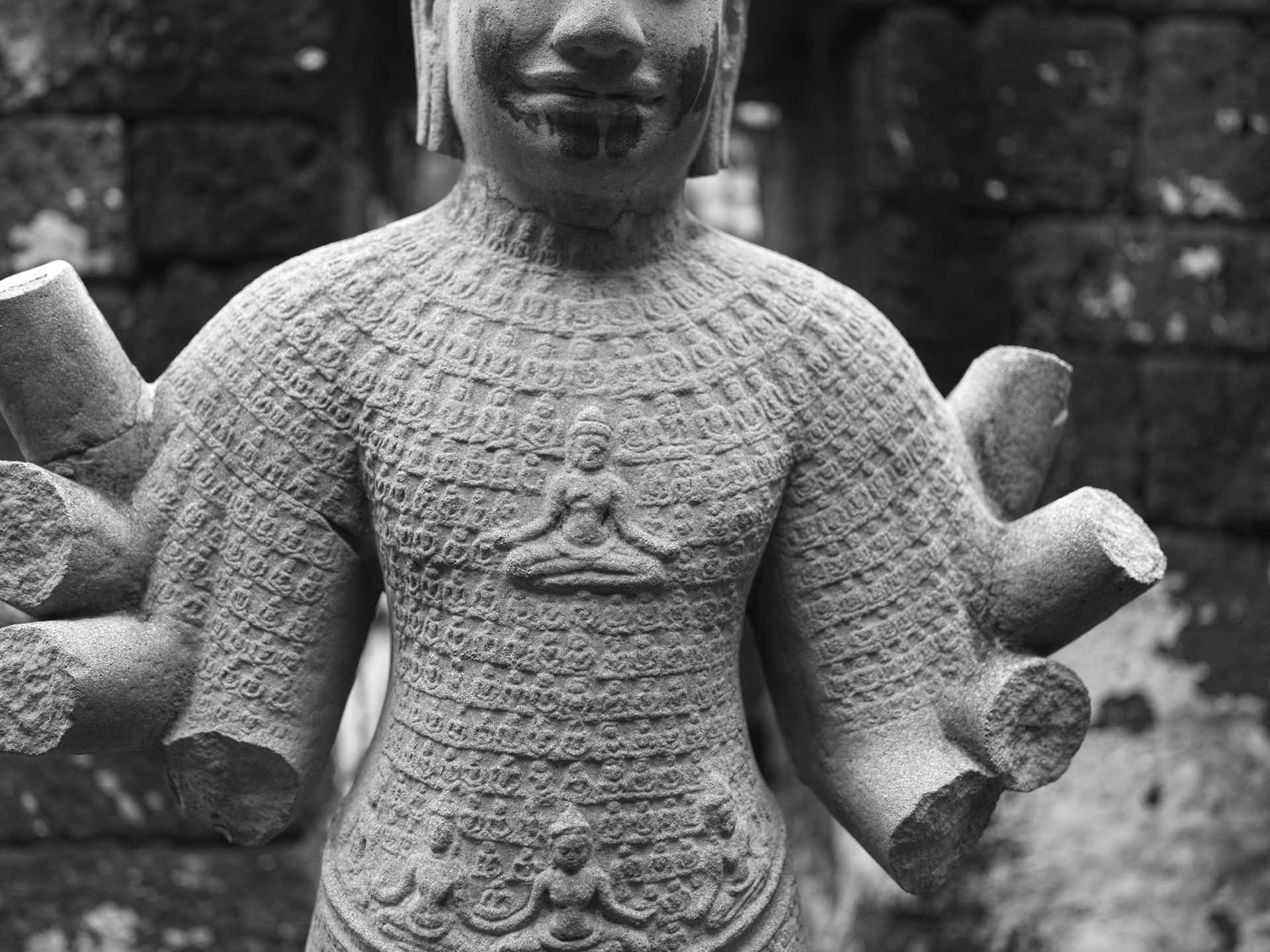
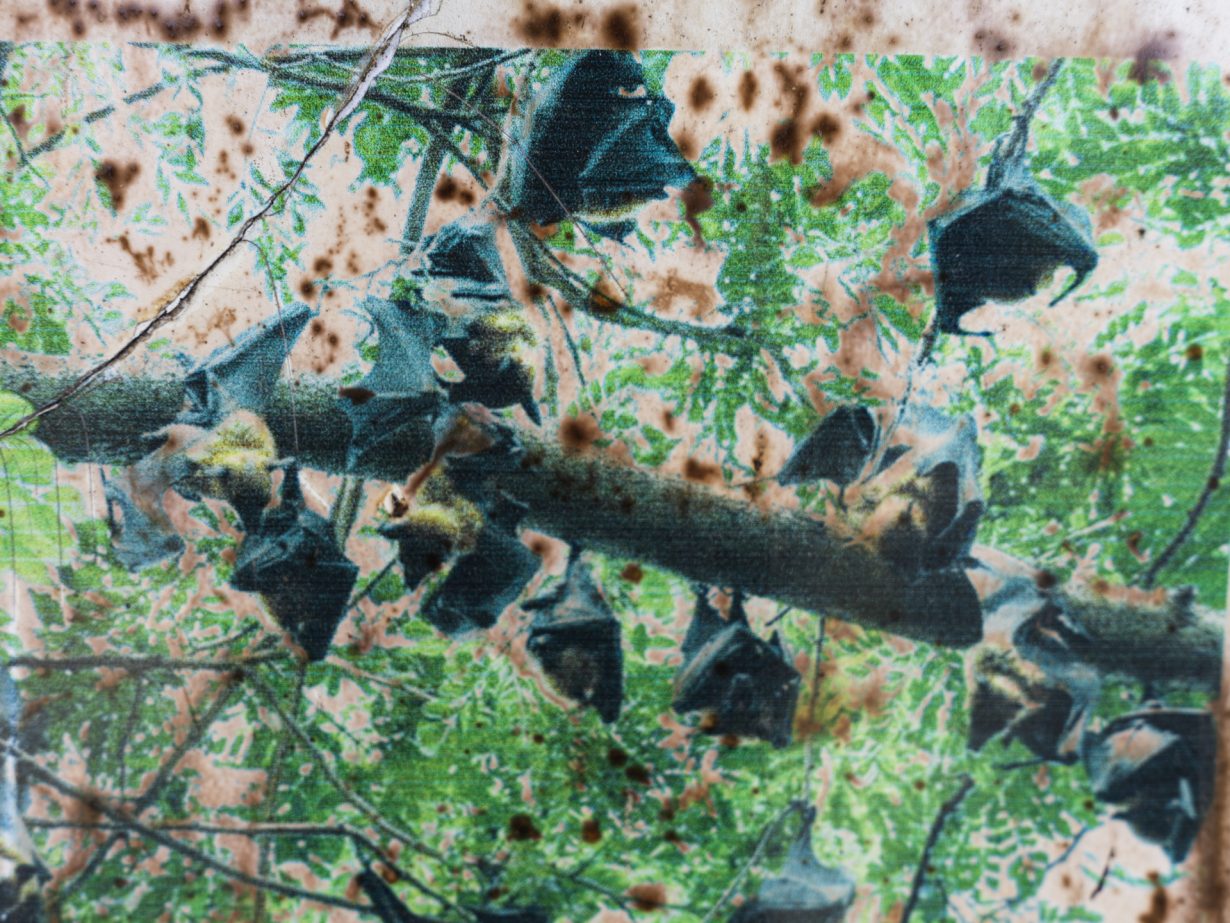
The photographs were taken between 2024 and 2026, mostly in Thailand – but it is difficult to determine their exact contexts without external help. What they evidently achieve is the evocation of an atmosphere of generalised unease. In The Seer (2026) our eye is drawn to a singular, off-centre hole. The gallerist tells me it is an extreme closeup of a lamp in a Thai temple. The only colour image in the exhibition, Nightwanderers (2024), features a group of dark, irregular splotches against a bright-green background. Brown stains are speckled throughout the photograph, and a single shaft of light cuts through the middle of the image. What I originally thought was mould under a microscope was in fact a photograph of bats, the gallerist explained. More disturbing is Force Majeure (2026), an image of a Buddhist sculpture with its limbs hacked away and the top half of its face cut off. In juxtaposition to the violence enacted upon it, the fact that the figure retains a smile on what’s left of its face, together with a tessellated pattern of yet more tiny Buddhas stamped on its body, only adds to a growing sense of disquiet.
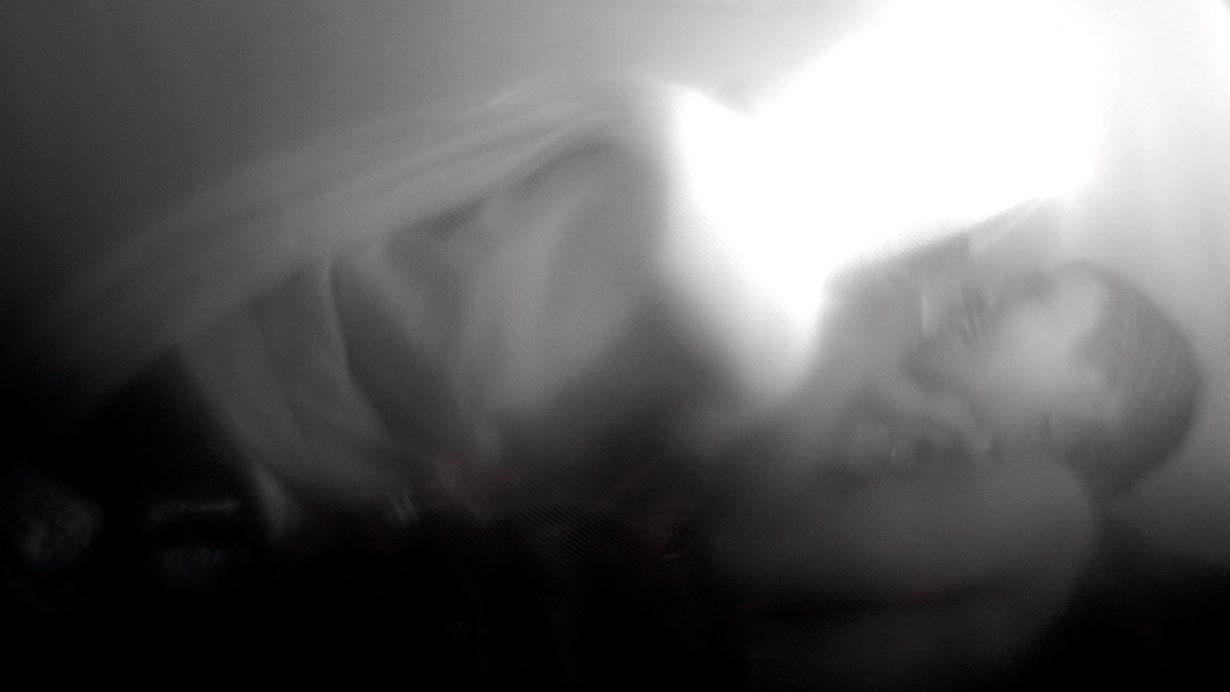
The multichannel video installation, Mysterious Semblance at the Strand of Nightmares (2026), takes things up a notch. Disconnected scenes dissolve into each other in harsh, illogical transitions: birds in the sky cut to looming, ominous anthropomorphic sculptures. A human subject contorts on a bed, mouth agape and chest heaving, thrashed about by an invisible yet potent force. Then there are the screams. Screeches, growls, cracklings and skitterings play on loop. The soundtrack permeates the entire gallery.
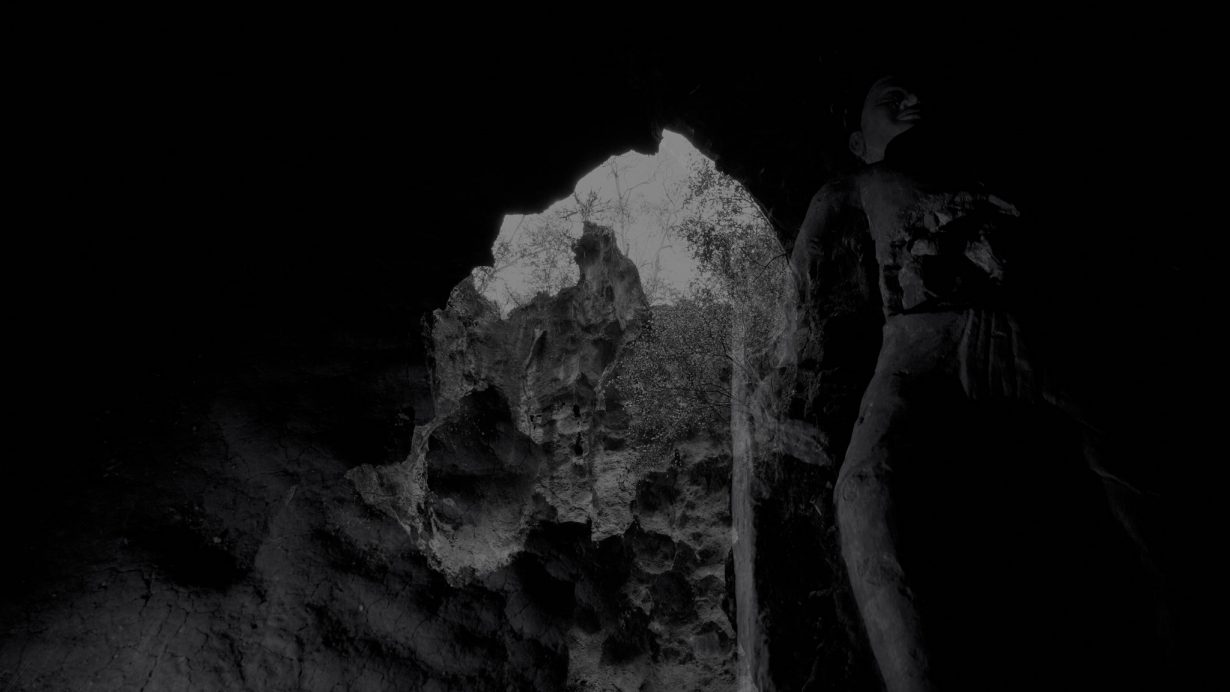
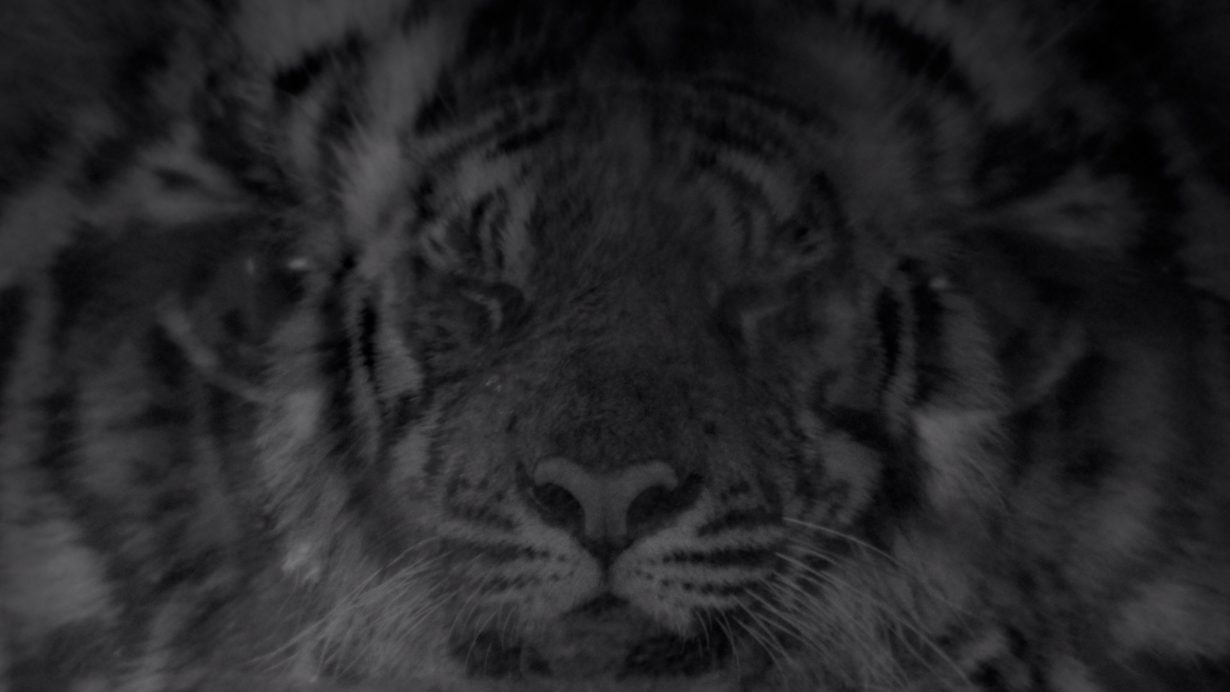
While Sakpisit’s larger body of work frequently draws connections to Thailand’s historical and political memory, this exhibition feels relatively personal. The show was inspired, we are told in the wall text, by Sakpisit’s experience of being awoken from a nightmare by a phone call from his brother informing him of a family member’s death. And what the artist, best known as a filmmaker, effectively conveys here is the feeling of terror that accompanies a bad omen proven true.
Ultimately, 13 Nightmares draws our awareness to the thin membrane that separates consensual reality and the supernatural; and the ways in which the latter often bleeds into the former. Indeed Sakpisit has a horror filmmaker’s knack of making the familiar seem unfamiliar, sinister and haunted, such as the phantomlike tree in You Don’t Live Here Anymore (2026). The show captures the fragile boundaries that separate the known from the unknown – and the fact that we all live in a space where the one haunts the other.
13 Nightmares at ShanghART, Singapore, through 4 October
From the Autumn 2026 issue of ArtReview Asia – get your copy.