Bad, regurgitated and even plagiarised information is pouring out of the internet and backwashing into institutional spaces, Michelle Santiago Cortés says
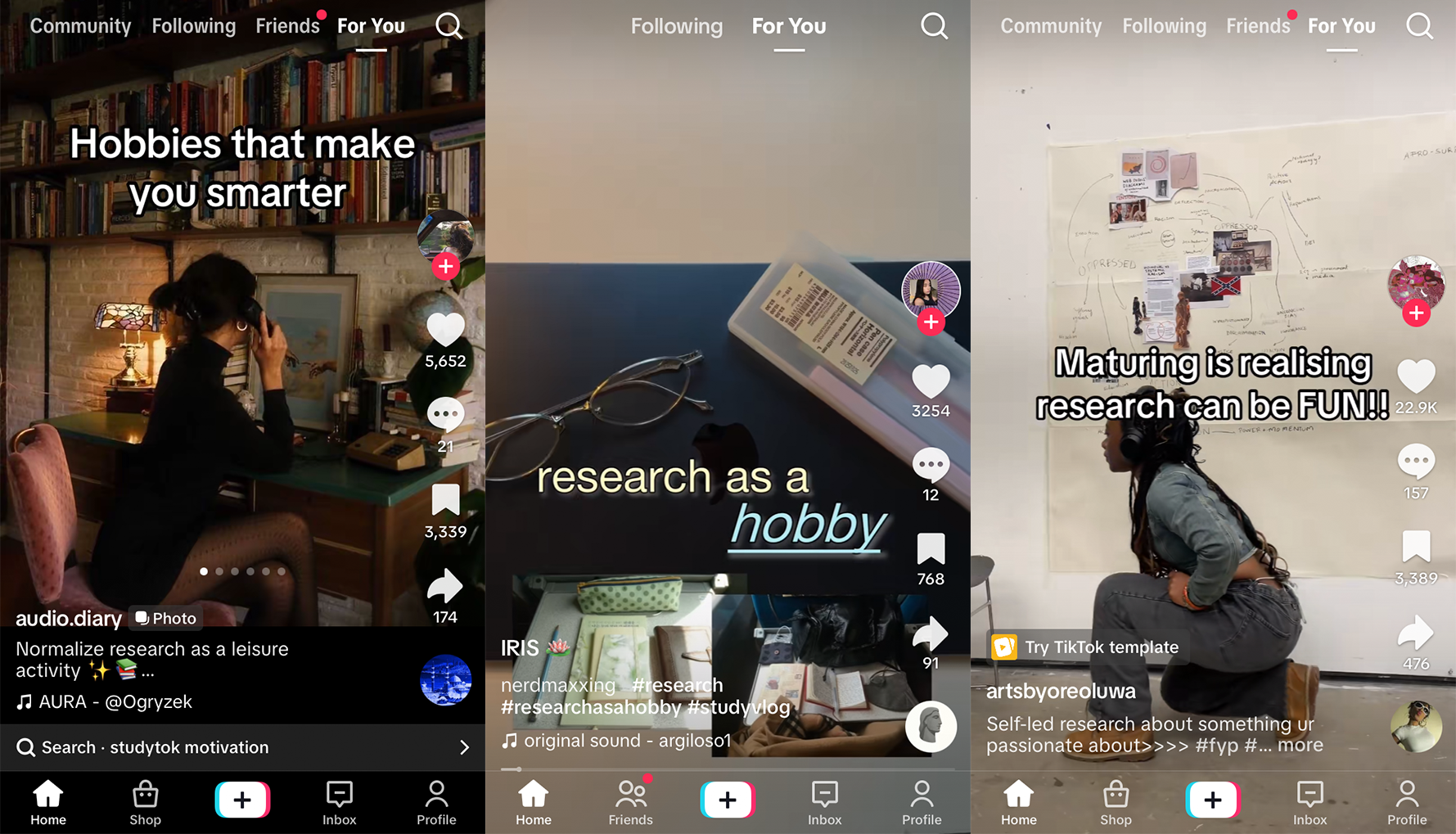
Everything is research now, which means research can now be anything: leisure, entertainment, art, content. The collection of moodboards and lists – of books read and to-be-read, movies watched and to-be-watched, songs heard and to-be-heard, items purchased and to-be-purchased, and so on – is constitutive of what many people now do (and frequently sell) online and refer to as research.
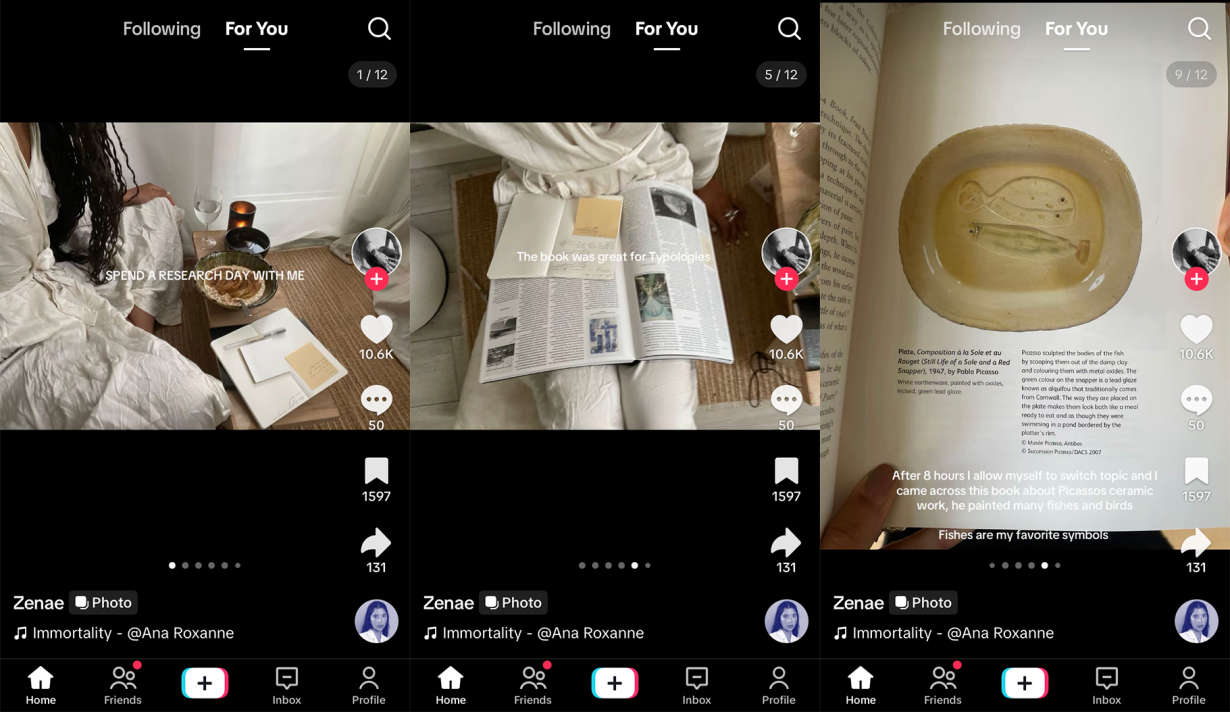
As Emily Segal’s recent X-essay-turned-Substack on ‘tasteslop’ explains, ‘good taste relies on a degree of esotericism’. Now that Silicon Valley is obsessed with taste, the research that fuels taste’s healthful esotericism is slowly coming to the top of the feed. Videos with titles like ‘Spend a Research Day with Me’ and ‘Media to Consume Instead of Doomscrolling’ make up what Nicole Pereira in Polyester has dubbed knowledgemaxxing, an online trend-movement ‘fuelled by niche interests or a desire for intellectual empowerment’ – and one that also sidesteps the basics of annotation, fact-checking, debating and other kinds of accountability that academia and professionalism provide, flawed and limiting as they may be.
Pereira’s cod-neologism identifies ‘research hobbyists’ and ‘TikTok researchers’ on an anti-brainrot quest for ‘intellectual empowerment’. This research-as-leisure trend has accelerated in recent months thanks to the proliferating force of Reels, TikToks and YouTube video essays that are equal parts didactic and seductive. ‘Research’ can now call to mind all manner of reading-and-curating-based activities that are increasingly performed in the service of signalling one’s taste and populating the feed.
This summer, writer Celine Nguyen will work with artist Laurel Schwulst to host ‘Research as a Leisure Activity’, a weekend retreat for ‘collecting and creating’. Participants will focus on research driven by ‘idiosyncratic passion and interest’ (to borrow Nguyen’s words) and gather for group exercises that are more like ‘conversations than conventional critiques’. Appropriately, Nguyen espouses in a 2024 Substack essay the virtues of ‘research as leisure activity’, which unlike bona fide research only ‘involves as much rigor as necessary’. It is pleasure-driven, dilettantish and ‘exuberantly undisciplined’. And it mostly consists of reading books all the way down to the reference pages. ‘My favorite form of entertainment is downloading PDFs,’ Nguyen writes. When listing figures that inspire their ideas of what research-as-leisure can be, Nguyen is unwittingly damning: ‘Artists, often.’
Well, quite. Artists often find themselves awkwardly close to the scene of the crime. Emily Watlington’s forthcoming critique of Forensic Architecture, Fables and Forensics, is at the crest of a growing wave of suspicion around artist-led research.She writes that‘art does not have protocols for verification or accountability the way other disciplines do’. While this vulnerability can be hacked for a good cause – to platform and distribute information that would be otherwise suppressed, as in the case of institutional critique – it also opens the door to the hapless, the misguided and the ill-intentioned.
It’s too easy to distil research down to its most enjoyable or artistically viable elements. We should be skeptical of any version of research that excises itself from accountability procedures in the name of loftier goals, be they self-fulfilment or activism (or lowlier ones like branding and self-promotion). What good is research – artistic, recreational or otherwise – if it shields itself from critique? Verification, peer-review and other accountability procedures are what make knowledge production a collectivising task. Is the fact that research has, historically, been the product of accountability and verification processes not what gives it its value?
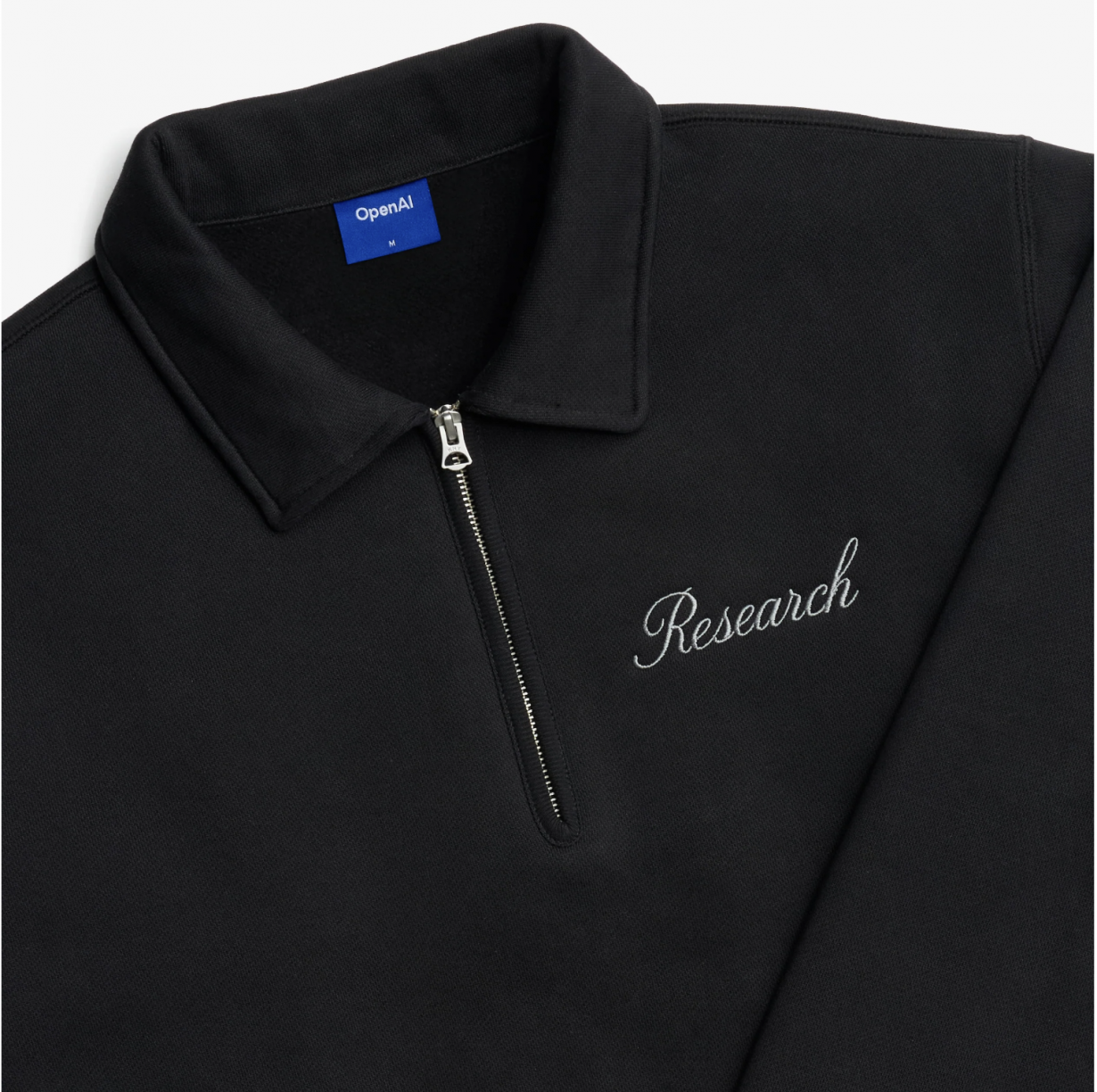
While our information commons are being bled dry, the battle against anti-intellectualism is being lost to the technofeudalist shakedown of institutions. Some salt for the wound: OpenAI’s latest merch drop includes a half-zip with ‘Research’ embroidered in cursive lettering and a slogan T-shirt that says ‘Good Research Takes Time’. But the latest glut of research-based tasteslop and misinformation is not coming from a shady cabal of Arendtian ‘problem-solvers’. It’s coming from mini-mic intellectuals modelling themselves after figures like Mindy Seu; trend forecasters who seek to ride the coattails of the Consumer Aesthetics Research Institute by giving existing aesthetics new names or naming ones that have never existed; technologists who can only code or read theory, but never both; internet ‘anthropologists’ and ‘ethnographers’ whose work consists of reading comment sections and saving things to Are.na. (All of these activities I carry out with glee without ever having to call any of it research.)
Bad, unverified, regurgitated and even plagiarised information is pouring out of the internet and backwashing into US institutional spaces: cf this year’s Whitney Biennial. It was happening long before the advent of LLM chatbots. Research can and should be a lot of things, but I’m not sure it ever should be fodder for the taste economy or a shorthand for art working with the forms and aesthetics of information or knowledge production.
I will not fault the precariously employed for parlaying a social media following built on reading and thinking in public into fashion show invites or museum panel appearances. I will not fault the artists and writers who love to learn and share in public. It’s all valuable work. But there is no research, at least not the kind worth living for, without a little friction.
Read next We All Have ‘Archive Anxiety’ Now