Our editors on the exhibitions they’re looking forward to around the world this month – from Yogyakarta and Cape Town to Arles and Eindhoven
Arles
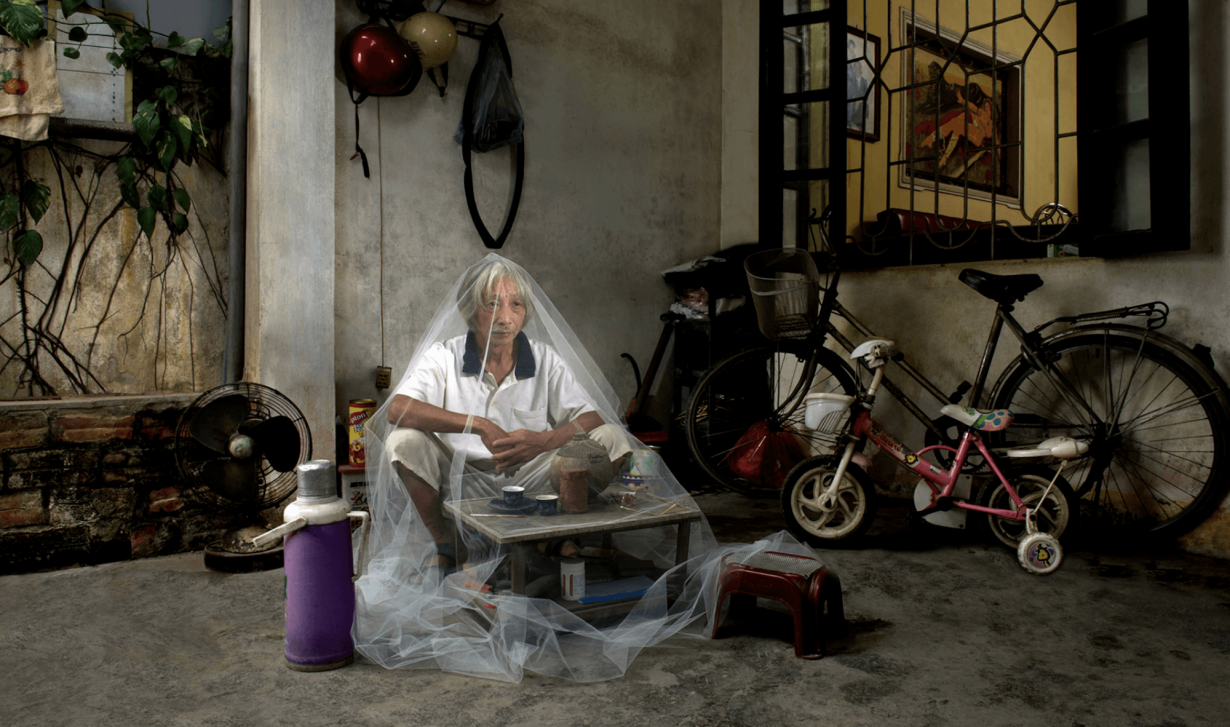
The prospect of trying to see everything at this year’s Les Rencontres d’Arles photography festival (which includes 46 exhibitions, alongside a smattering of other shows across the French city) might seem daunting, but if I were you (and you were going), I’d start with the artists who challenge ideas of fixity in the still image – whether that’s via the subject matter or the making of the photograph itself. Because it’s in that volatile space that photography can feel at its most generative: as a way of allowing unstable histories, bodies and environments to take form. Take Phan Quang’s Re/cover, for example, which moves between documentary and staged encounter to ask what is hidden in the act of looking, and who gets to decide what becomes visible. That question of power runs through Thato Toeba’s Anyone Can Be Lucifer: its Dadaist collisions of family photographs, found material and archival fragments expose the charades of colonial ideology. And in Upwelling, Meghann Riepenhoff lets waves, rain, ice and sediment mark cyanotype surfaces, turning photography into a collaboration with weather and matter. Meanwhile Aman Alam’s Ozymandias, prompted by his grandmother’s Alzheimer’s, asks what remains when memory itself begins to erode. Fi Churchman
Various venues, 6 July – 4 October
Gwangju
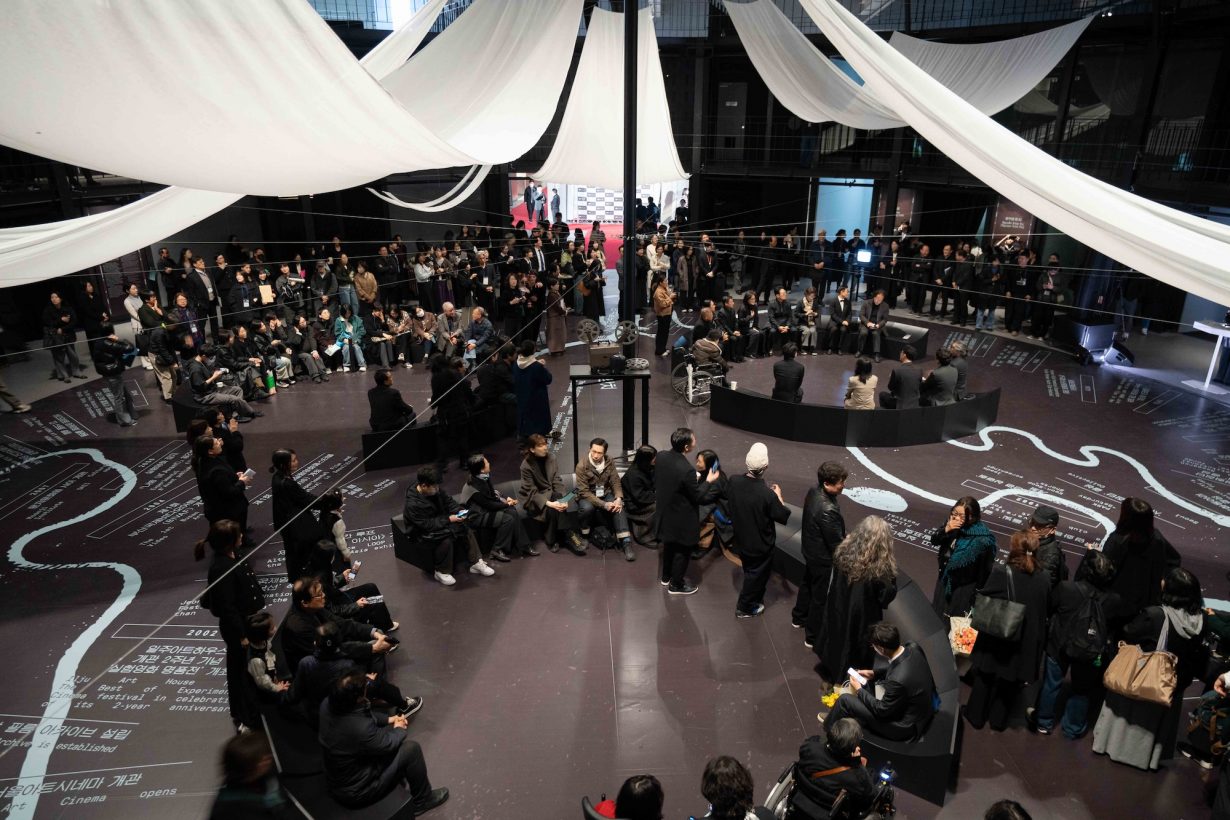
Marking the Asian Culture Center’s tenth anniversary, this expansive survey draws on the institution’s formidable collection of Asian video art and experimental film. Here, the ‘apparatus’ of the title refers not only to the material technologies of cinema – cameras, film, screens, etc – but also to the superstructures that shape how history is recorded and experienced.
Bringing together 64 works by 31 artists across three floors, the exhibition foregrounds Korean women artists while tracing overlooked histories across the region. Installed in a circular, open-plan layout, visitors drift between interlocking displays that encourage unexpected connections. Highlights include rarely seen works by Korean-American Theresa Hak Kyung Cha, best known for the cult genre-bending book Dictée (1982), including the unfinished White Dust from Mongolia (1980), centred on a woman in Manchuria suffering from aphasia. Elsewhere, works by Kim Dong-ryung and Park Kyoung-tae revisit the experiences of survivors of US military camptowns in Korea. Also on view is Bong Joon-ho’s first live-action short film, White Man (1994), in which a white-collar worker’s discovery of a severed finger sends him on a journey that obliquely reveals inequality in boom-time South Korea. Adeline Chia
Asian Culture Center, Gwangju, through 27 September
Eindhoven
Ayoung Kim: Delivery Dancer: Time Curves
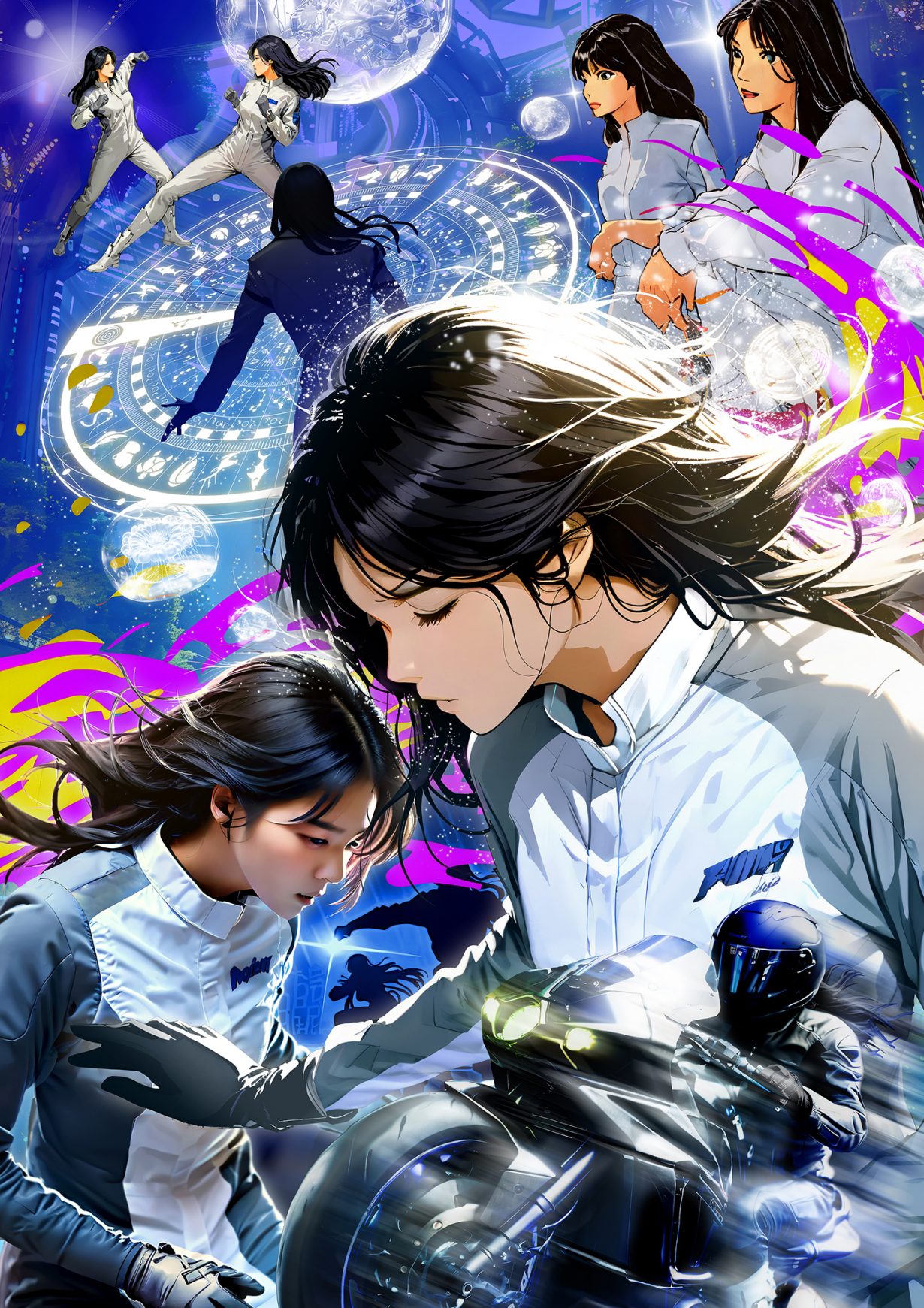
Ayoung Kim’s Delivery Dancer series constructs a speculative world shaped by the algorithmic governance of logistic networks and platform economies. Through a combination of video, game-engine animation, sound and immersive installation, the work follows delivery workers navigating a city in which movement, labour and time are increasingly mediated by technological systems. Rather than treating infrastructure as a static backdrop, Kim reveals it to be an active force that structures everyday life, producing new forms of precarity and subjectivity. What draws me to this exhibition is its engagement with circulation as both a material condition and narrative device. Delivery routes become sites where bodies encounter systems of optimisation and control, while also opening space for speculation and resistance. Kim’s use of nonlinear storytelling and digital world-building offers a compelling framework for thinking through contemporary forms of labour and embodiment. The exhibition demonstrates how speculative fiction can function as a critical method for examining present realities, making visible the infrastructures that shape how we move and inhabit time. Priyageetha Dia
Van Abbemuseum, Eindhoven, through 1 April 2027
Yogyakarta
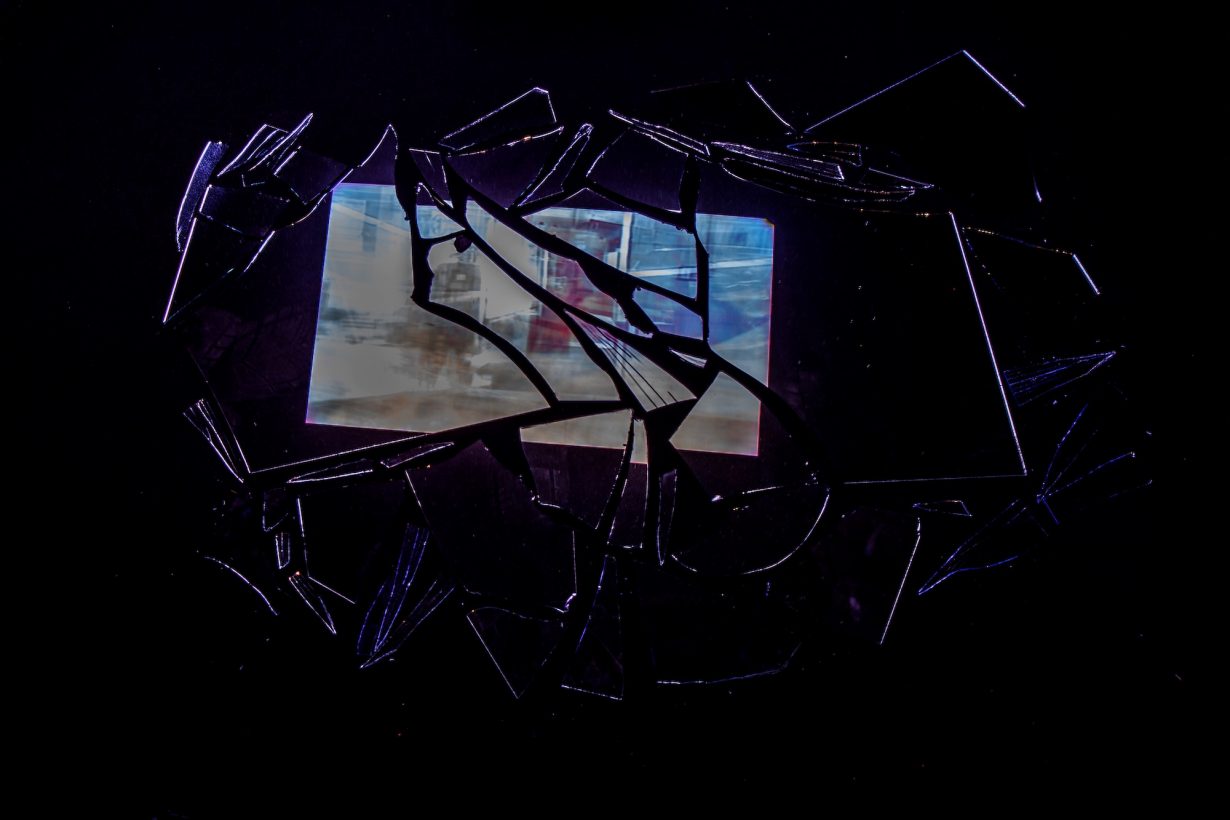
In Indonesia this month, you can’t escape artist-filmmaker Riar Rizaldi, who has shows on view in Jakarta, Bali and Jogja. His work broadly tackles issues around labour, capital and technology, expressed in a cheerful mishmash of aesthetic registers from Malay pop to B-grade horror. His Jogja show is the oddest: it’s about the visual languages of workplace safety.
KKK – short for Keselamatan dan Kesehatan Kerja, or Occupational Safety and Health in Indonesian – brings together three videoworks that combine kitschy pop-cultural aesthetics with the horrors of capitalism. One of them is Larung (2024), a music video featuring three seamen dressed in punk outfits, singing a melancholy rock ballad, while wrapping a dead colleague up in tarpaulin (watch it here). The three-channel video Studies on Cinematic Protocols of Workplace Accidents (2026) is a found-image compilation, bringing together an early-twentieth-century film about a workplace accident, graphic workplace safety films from the 1970s and contemporary CGI accident simulations. Filled with humour and gore, these videos demonstrate the strategies of the increasingly professionalised field of occupational health and safety, whose existence underscores a real-life horror story: the violence underpinning modern labour. Adeline Chia
Ruang Mes 56, Yogyakarta, through 17 July
New York
NXTHVN Cohort 07: Material Conditions of Becoming
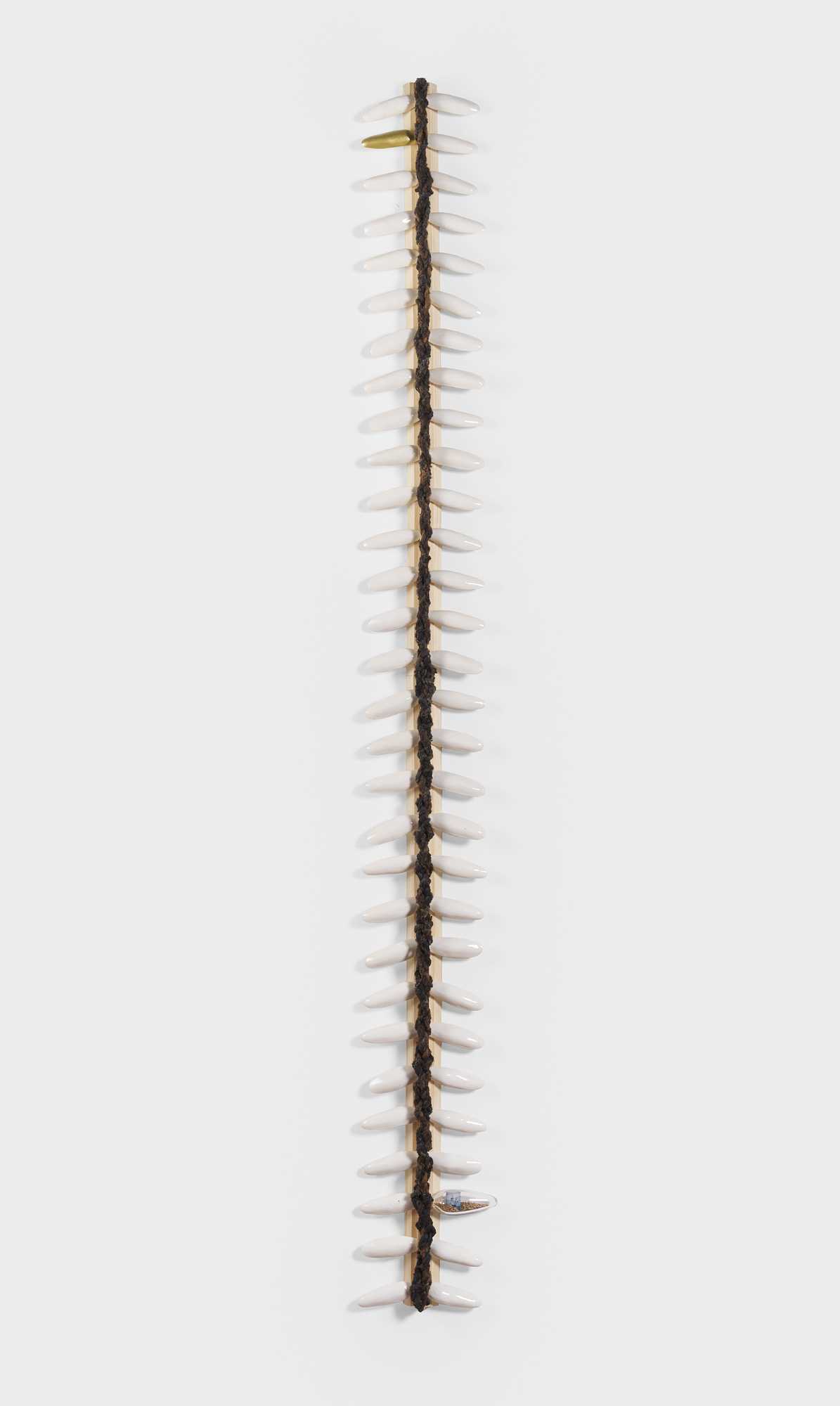
Recently, unprompted, a former NXTHVN fellow gushed about the programme to me: “It gave me the stability to think and express myself. My finances, my studio, my stay – everything was taken care of.” At a time when precarity in the arts has become the talk of the town, it is heartening to hear about a model that seems to be working, providing relief from the grind – in this case, ten months of studio or office space accompanied by a stipend and subsidised housing – for up to seven artists and two curators per year. At Boesky Gallery, NXTHVN’s seventh cohort – artists S. Yemisi Adeyemo, Alexandra Bell, Benita Nnachortam, Masud Olufani, Haejin Park, Chayse Sampy and Kristopher Wright, and curators Tara Fay Coleman and Juanita Sunday – will present their culminating group show, fittingly titled Material Conditions of Becoming. The components of the works are recognisably humble yet conceptually rich, ranging from the animal skull, human hair, wood, fabric and junk metal found in Adeyemo’s intricate and gritty assemblages, to the stoneware, glass and rice in Olufani’s Backbone (2026), a three-metre-long sculpture that resembles both a spine and a suture – something that holds us up and something that keeps us together. Jenny Wu
Boesky Gallery, New York, through 24 July
David Lang: the national anthems
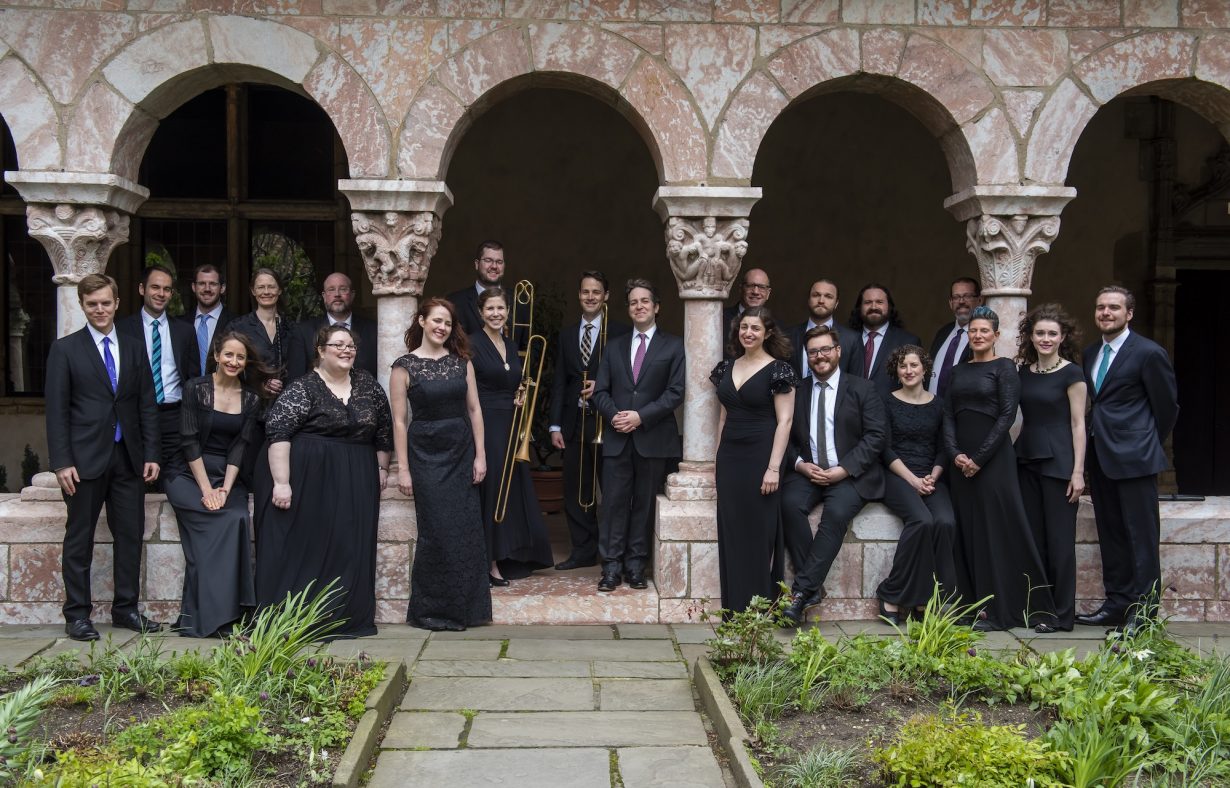
‘We group ourselves into nations, but it has never really been clear to me what that means, or what we get out of it,’ writes American composer David Lang in the programme note of the national anthems. To compose this 2014 choral work, Lang pruned lines of patriotic sentiment from the ballads and fight songs of 193 United Nations member states and collected them into a single libretto, a winding and anaphoric – yet plainspoken – ‘meta-anthem’ voiced in the first-person plural. Three performances of the work, featuring the Clarion Choir and Catalyst Quartet, will be presented on 4 July, the US’s 250th anniversary, in the Met’s American Wing, offering audiences a moment to reflect on the functions and implications of nationhood – and what it means to sing in unison, ‘our land, our home, our free, our brave’. Jenny Wu
Metropolitan Museum of Art, New York, 4 July
Tokyo
Mishima – Pasolini. Indizi per un confronto. Senza tacere e senza abbassare lo sguardo
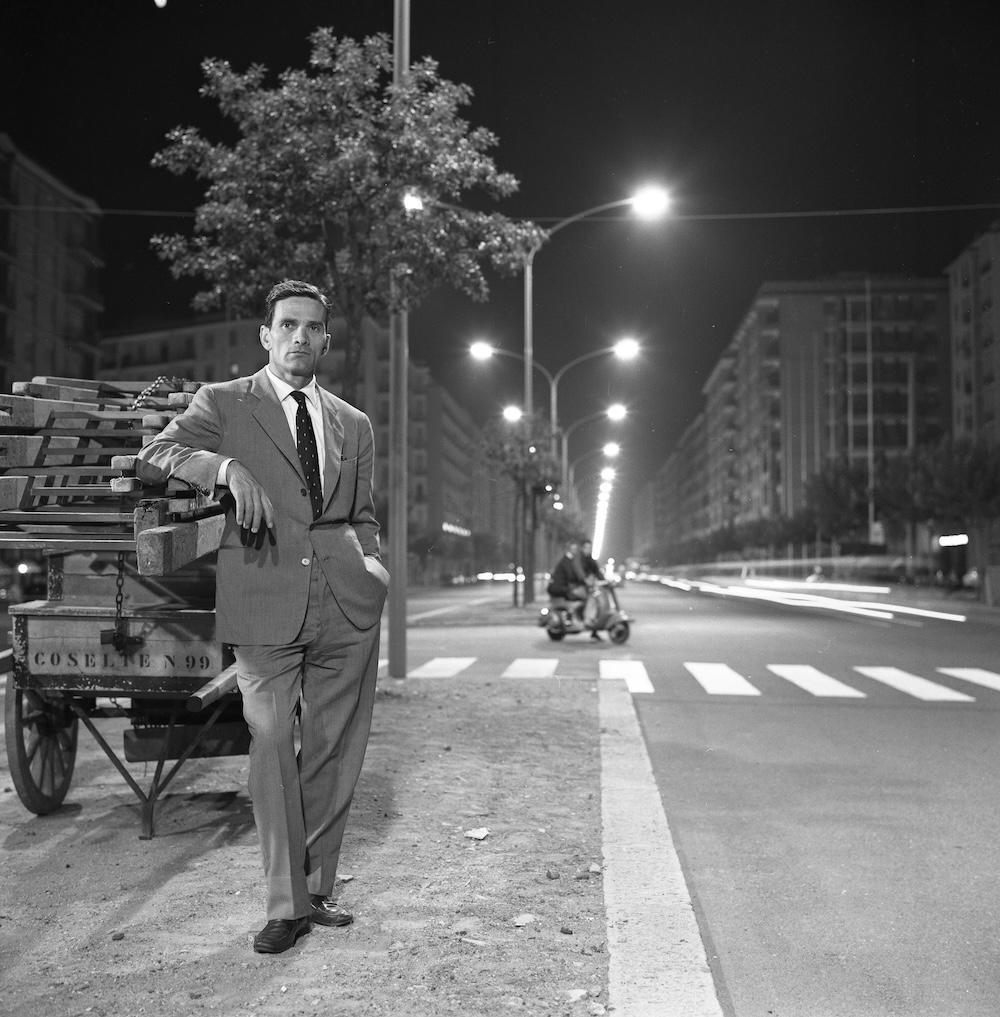
Though it includes two portraits on paper made by Pier Paolo Pasolini, this isn’t exactly a conventional art exhibition. Mostly comprising printed matter and some original manuscripts, it’s a hodgepodge of archival materials pertaining to the careers of two strongly contrasting figures. Pasolini was a card-carrying communist; Yukio Mishima worshipped the Shōwa Emperor Hirohito. The Italian poet and filmmaker was attacked by neo-fascists; the author and actor Mishima was an ultra-right nationalist. The Nazi collaborator Leni Riefenstahl was one of Mishima’s early cinema heroes; Pasolini’s first book of poetry was entitled Ashes of Gramsci (1957). Among these incongruities are some gems. A literal one is a necklace Maria Callas wore in Medea (1969). Another a colour snapshot capturing two football teams – on the left, Pasolini’s crew from Salò, or the 120 Days of Sodom (1975) – actor Ninetto Davoli is poised with his usual goofy grin below and next to Pasolini caught awkwardly between standing and crouching – and on the right, director Bernardo Bertolucci’s crew from 1900 (1976). Finally, a game I’d wake up at 5AM to watch! Taro Nettleton
Istituto Italiano di Cultura di Tokyo, through 29 July
London
Taring Padi: Rakyat Pasti Menang
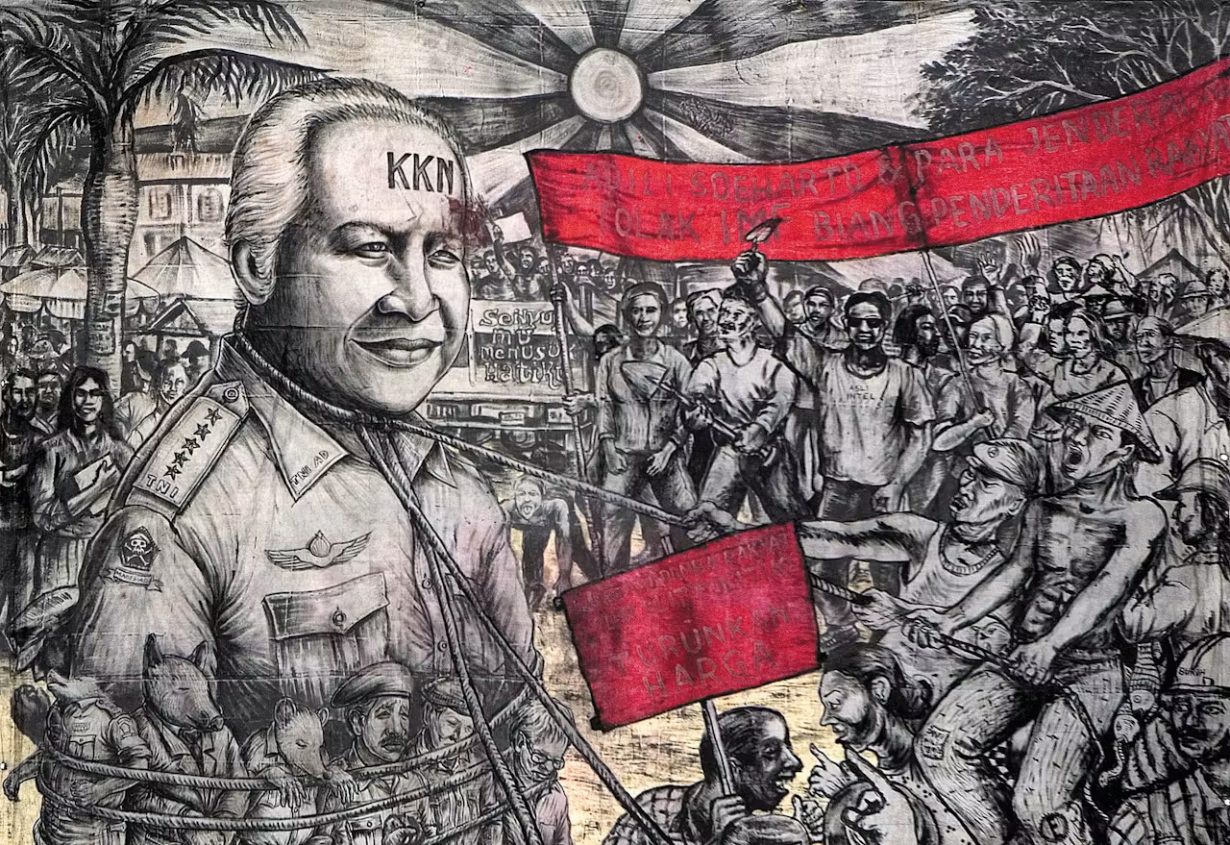
Community, solidarity, resistance. Exhibition texts talk about it, but who in the artworld is actually performing it? Well, the Indonesian collective Taring Padi, for one. The group was founded by art students and activists in Yogyakarta in 1998 in the wake of the student-led Reformasi movement that contributed to the end of President Suharto’s authoritarian rule. They have since continued to play an active role in promoting democratic change on the ground in Indonesia while also sharing their methods – which include the collective production of billboards, posters, puppets and booklets – with art institutions globally in a mission to ‘organise, educate, agitate’. Following recent exhibitions at Cantadora gallery in Rome (2025) and at the independent art space S.a.L.E Docks in Venice (on until the end of the month and featuring some of the group’s banners used to protest Israel’s participation in the Biennale), Taring Padi will now be showing a rotating display of their protest banners at Ibraaz, the newish Central London ‘space for art, culture, and ideas from the global majority’. In the spirit of spreading their message (which has not always been uncontroversial) and methods of protest, occupation of public space and message dissemination, the collective will also lead a series of talks and workshops on woodcut printing and building puppets for the Fitzrovia audience. Mia Stern
Ibraaz, 8 July – 22 November
Melbourne
Syncretic Wilds: Phasmahammer and Natasha Tontey
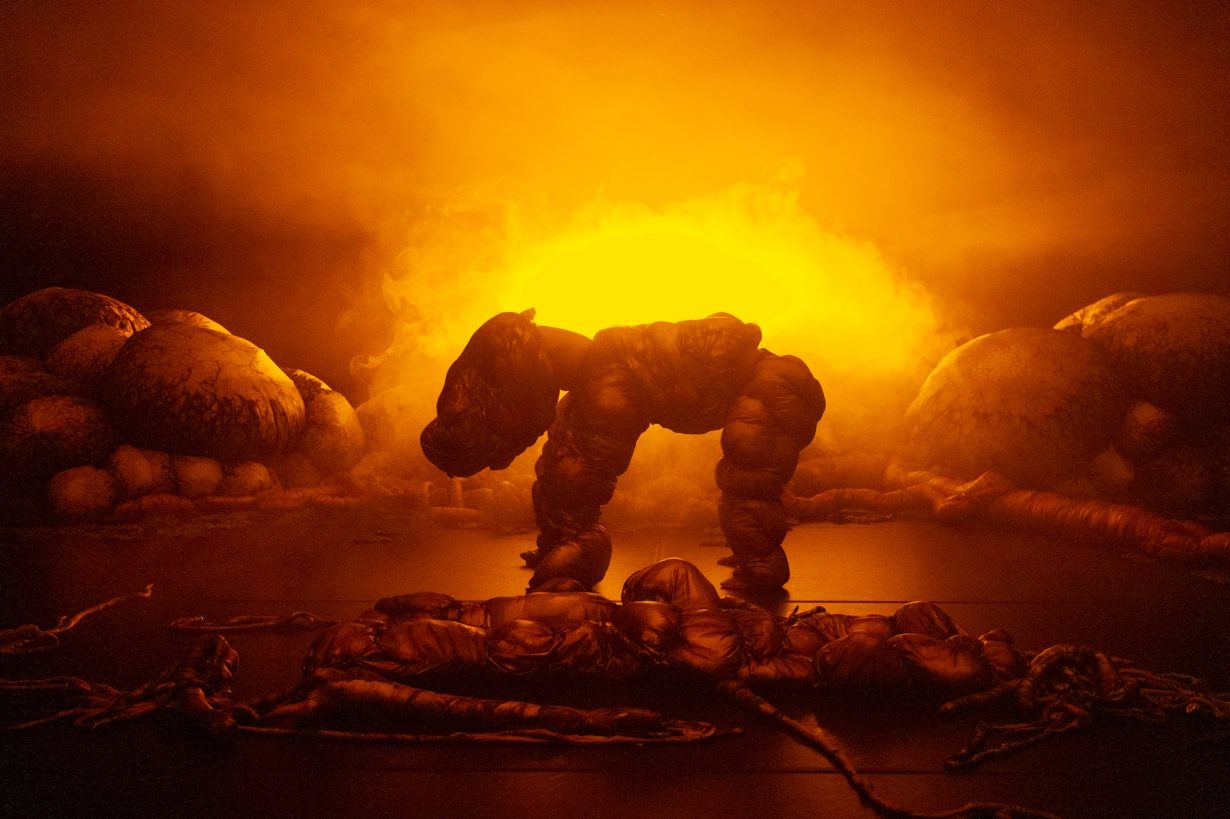
With their gaudy lo-fi aesthetic inspired by Indonesian TV shows, and ghoulish creatures moulded out of the indigenous animals, cosmologies and minor histories of North Sulawesi, Natasha Tontey’s videoworks are engrossing oddities. So much so that any collaborator who seeks to compete with the characters on screen – the motorbike-riding fish-deities, the three-breasted combatants – stands a high chance of failure. Unless, that is, their own worldmaking can somehow rival, or serve to expand upon, Tontey’s. The curators of her first major show in Australia believe they have the perfect candidate: Justin Talplacido Shoulder, a Sydney-based artist who, under the Phasmahammer alias, creates what the media release terms ‘queer Filipinx futurisms through transformative alter personas drawn from ancestral myth’. Phasmahammer’s otherworldly beings, conjured through elaborate handcrafted costumes, prosthetics and choreographed gestures, will assemble alongside some of Tontey’s, namely the cast of her Primate Visions: Macaque Macabre (2024) installation. Whether this exhibition-cum-pluriverse results in a great synergy between two speculative storytellers, or one artist playing second fiddle to the other, remains to be seen, but Tontey’s unchecked, trademark silliness will certainly be front and centre – visitors will enter ‘through the anus of a monkey’. Max Crosbie-Jones
Monash University Museum of Art, Melbourne, 17 July – 19 September
Cape Town
Peter Clarke: The Departure
Mawande Ka Zenzile: Indlela Ibuzwa Kwabaphambili
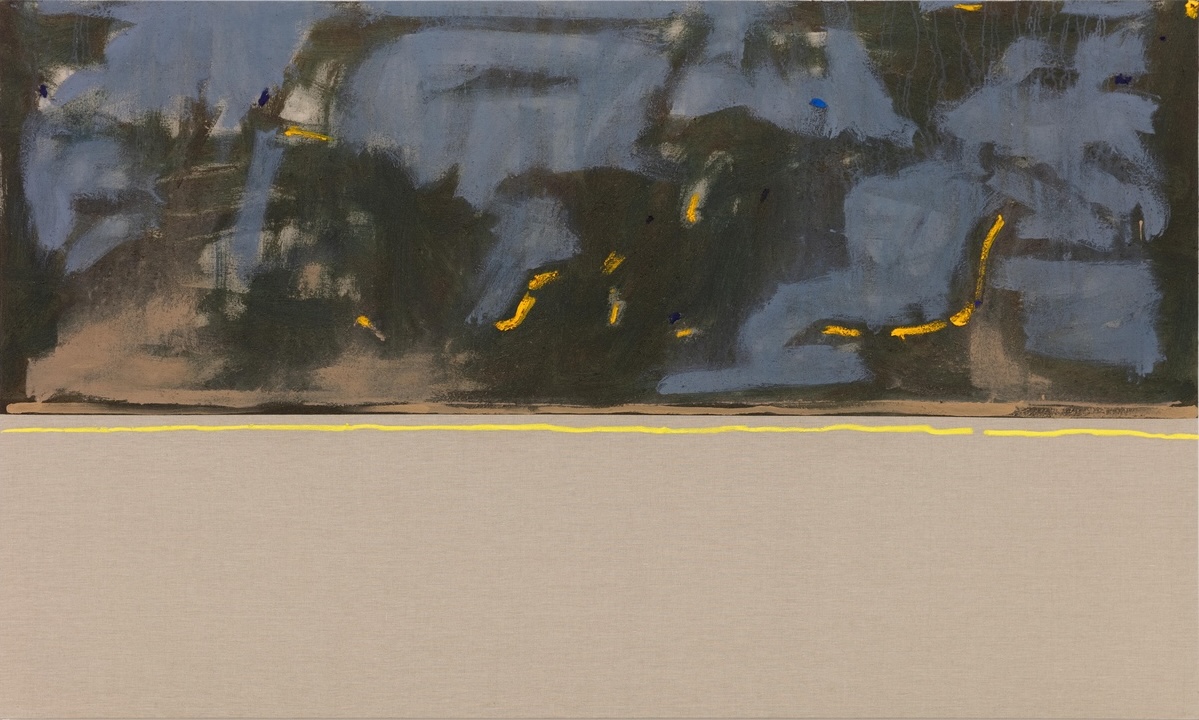
Two exhibitions opening at Cape Town’s Stevenson gallery connect the Western Cape’s creative past and present. Curated by artist Igshaan Adams and gallery director Alexander Richards, The Departure takes its title from a 1955 short story the late Peter Clarke wrote as a young man, which follows two young friends living against the backdrop of Simon’s Town on the Cape Peninsula, where Clarke grew up. In the show, text surrounds and interrupts artworks from across 60 years of Clarke’s career (in 1964 he was one of the first artists of colour to be represented at the South African national pavilion at the Venice Biennale), best captured in pastel works on paper evoking the humanistic expressions of early-twentieth-century social realism. Clarke, among many other things, depicted the Western Cape’s coloured community with oracular depth. Running concurrently, Mawande Ka Zenzile’s exhibition Indlela Ibuzwa Kwabaphambili (a Zulu proverb meaning ‘the path is laid by those who have gone before’) explores, in paintings that combine everything from oil paint and raw pigment to cow dung, how African and isiXhosa knowledge systems, practices and visual languages interact with and are embedded in those of the present – and how they might survive. After finding his feet in early, angry works like Crime scene (2014), appropriating the famous crucifix pose of an Abu Ghraib victim here set in a Francis Bacon-esque void, recent works have sought to dissolve into something quieter, and disquieting. Alexander Leissle
Stevenson, Cape Town, 4 July – 15 August
Hong Kong
Isaac Chong Wai: An Intimate Surrender
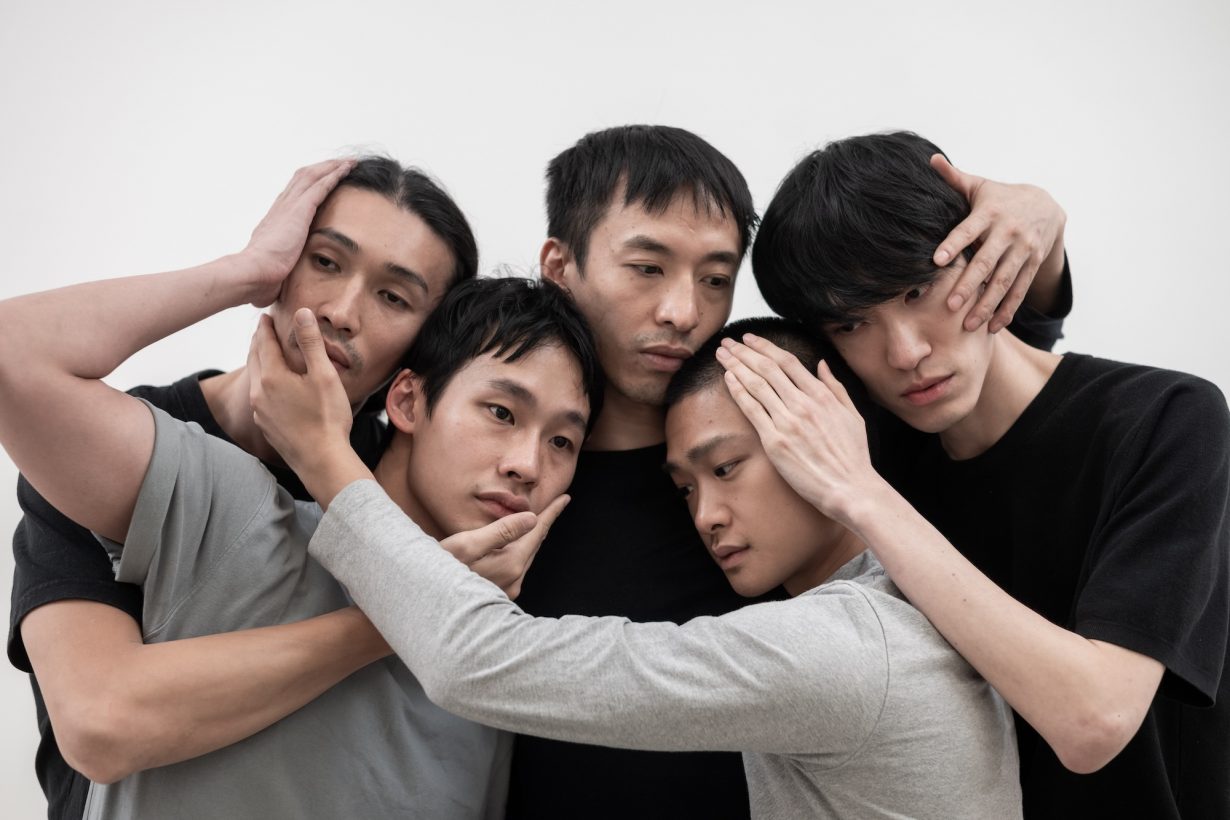
Berlin-based artist Isaac Chong Wai’s An Intimate Surrender, his first ‘solo live art exhibition’ in Hong Kong, takes its inspiration from the 1993 Chen Kaige epic Farewell My Concubine. The film follows the lives of two twentieth-century Peking Opera performers, tracing how the historical and the personal become intertwined, how theatre bleeds into reality and – Peking Opera then being a tradition where female roles were performed by men – how the idea of genders are constantly negotiated on- and offstage. At Tai Kwun, An Intimate Surrender will transform the museum’s third-floor galleries into a stage, a filmset and a rehearsal room filled with ‘monumental installations’, while actors, including Chong Wai himself, perform within. The resulting gesamtkunstwerk will explore the layered acts and performances through which our bodies become gendered, how we move through space and history, and how those movements shape us as much as we enact them. Yuwen Jiang
Tai Kwun Contemporary, Hong Kong, 10 July – 9 August
Manchester
Hyundai Translocal Series: Entangled and Woven
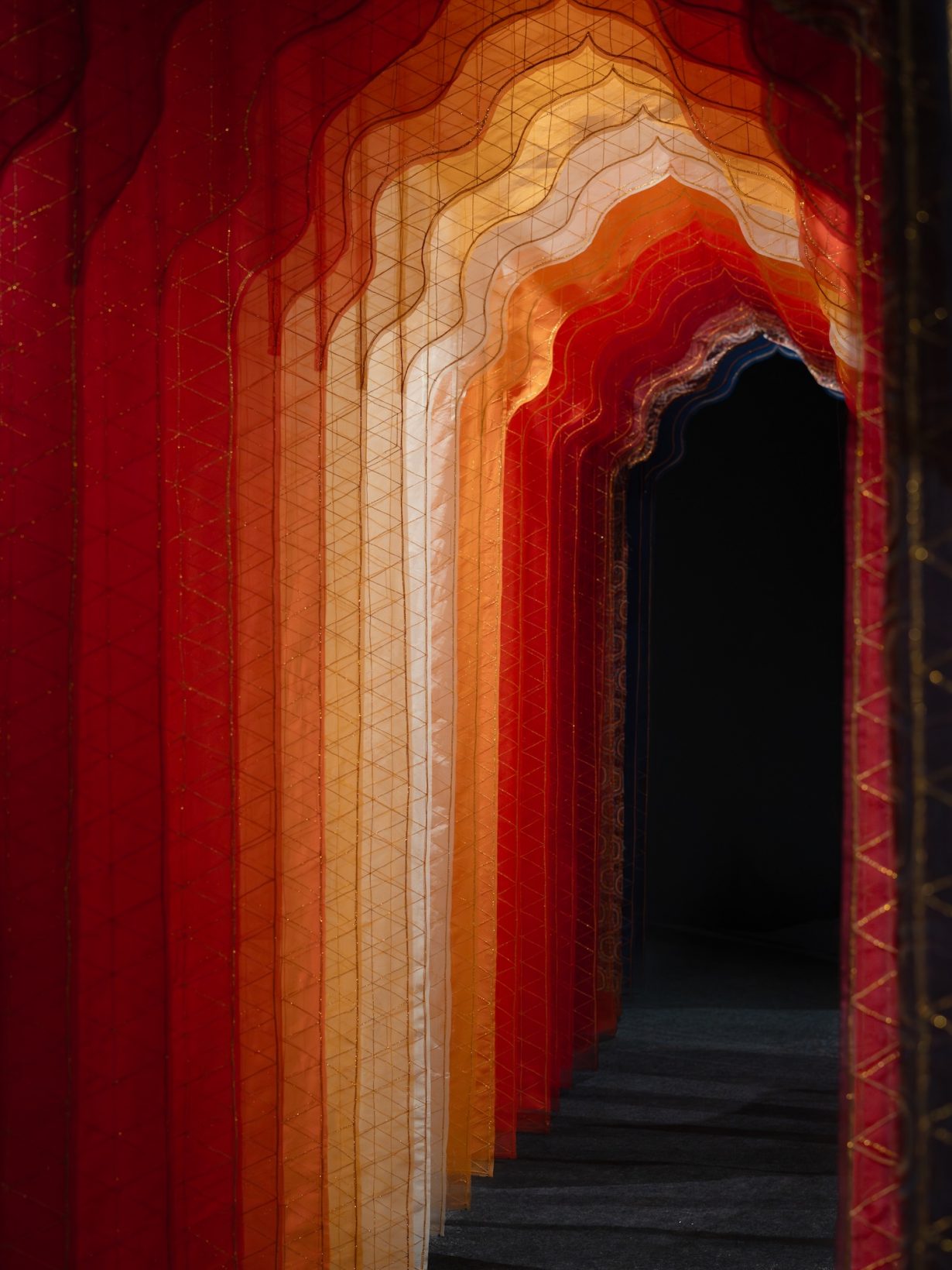
The entanglements on show at The Whitworth don’t simply begin and end with the sponsor’s name and the (newly commissioned) textile works by eight individual artists or collectives from Korea and India that make up the exhibition. Life is never simple. Rather, the show is a collaboration with the Cheongju Craft Biennale 2025 (just in time to plug the 2027 iteration of the event, which opens early September) and places the contemporary works in dialogue with historic works (also from Korea and India) from the Whitworth’s own collection. At play then are issues of continuity and solidarity across time and space (which you might look to in the work of Somi Ko), as well as questions of labour and gender (in the work of Young In Hong, for example), artistic hierarchy and value (Boito). Expect to see the full range of potential within textiles – from sculpture to garment making, to ritualistic and meditative practices (in the work of Kaimurai) as well as celebrations of the ephemeral and the enduring nature of such practices. Nirmala Devi
The Whitworth, Manchester, 10 July – 3 January