Henry Roberts took in the week’s scenes and screenings, from Primetime to NAZA, and found the light at the end of the tunnel to be dim
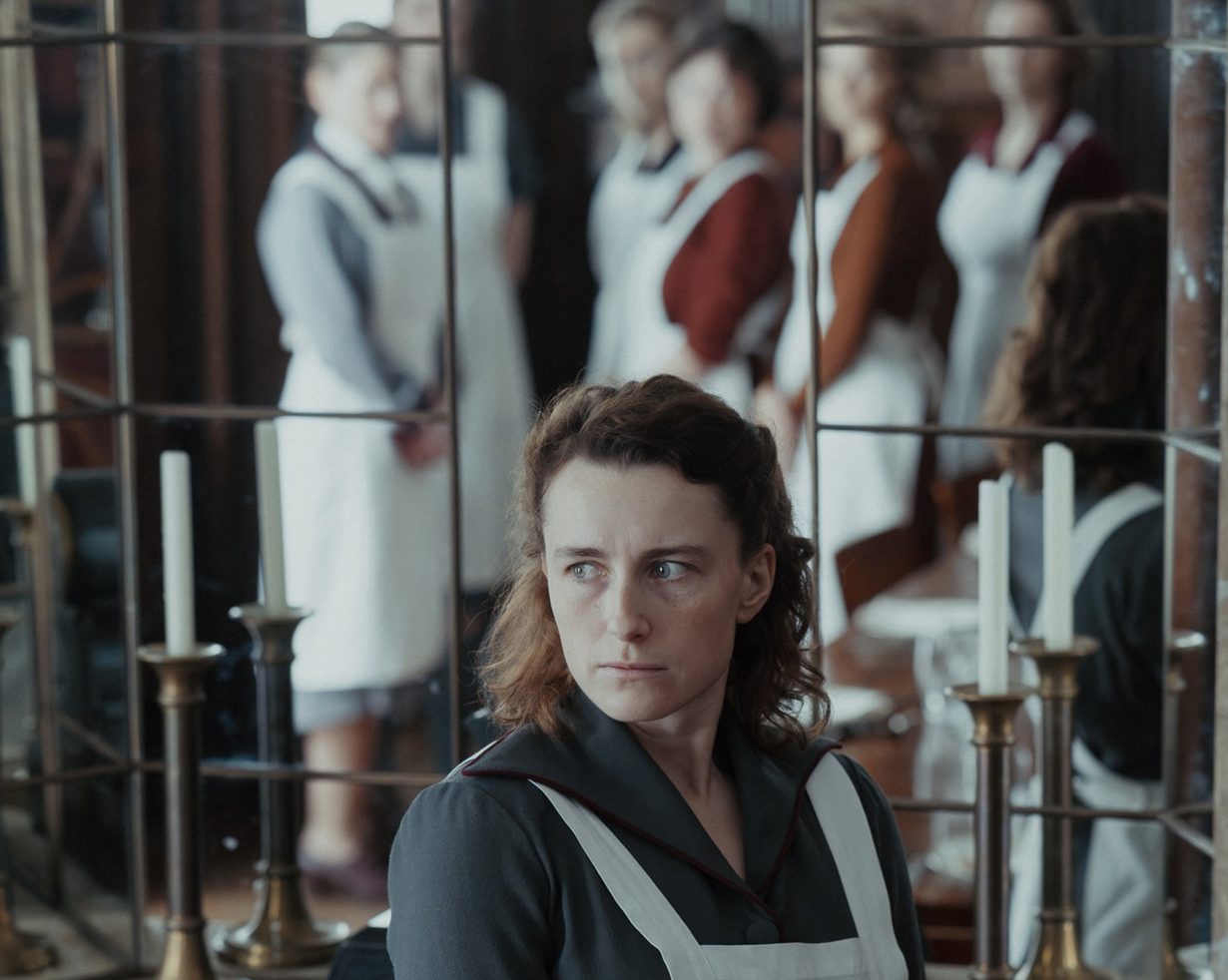
For years, Venice has had a gender problem: too few films directed by women play in competition, and at the start of this year’s festival, just seven woman-directed films had ever won the Golden Lion. Now, that number is eight. May el-Toukhy’s Woman Unknown, the only film in this year’s main competition solely directed by a woman, follows a nanny and housemaid, Marie, in post-Second World War Denmark. Marie’s about to marry her employer, but she’s also harbouring a shameful secret: during the war, she had a relationship with a German soldier. Woman Unknown is a historical film about so-called horizontal collaborators, but its concerns – with morality, regret and personal responsibility in times of political crisis – speak to several other films that played at the festival. Alongside films of love affairs and family dramas (Nanni Moretti’s It Will Happen Tonight; Paolo Strippoli’s The Spiral), the most memorable titles of this year’s festival interrogated what it means to be a moral subject – with agency and free will – in times of political crisis.
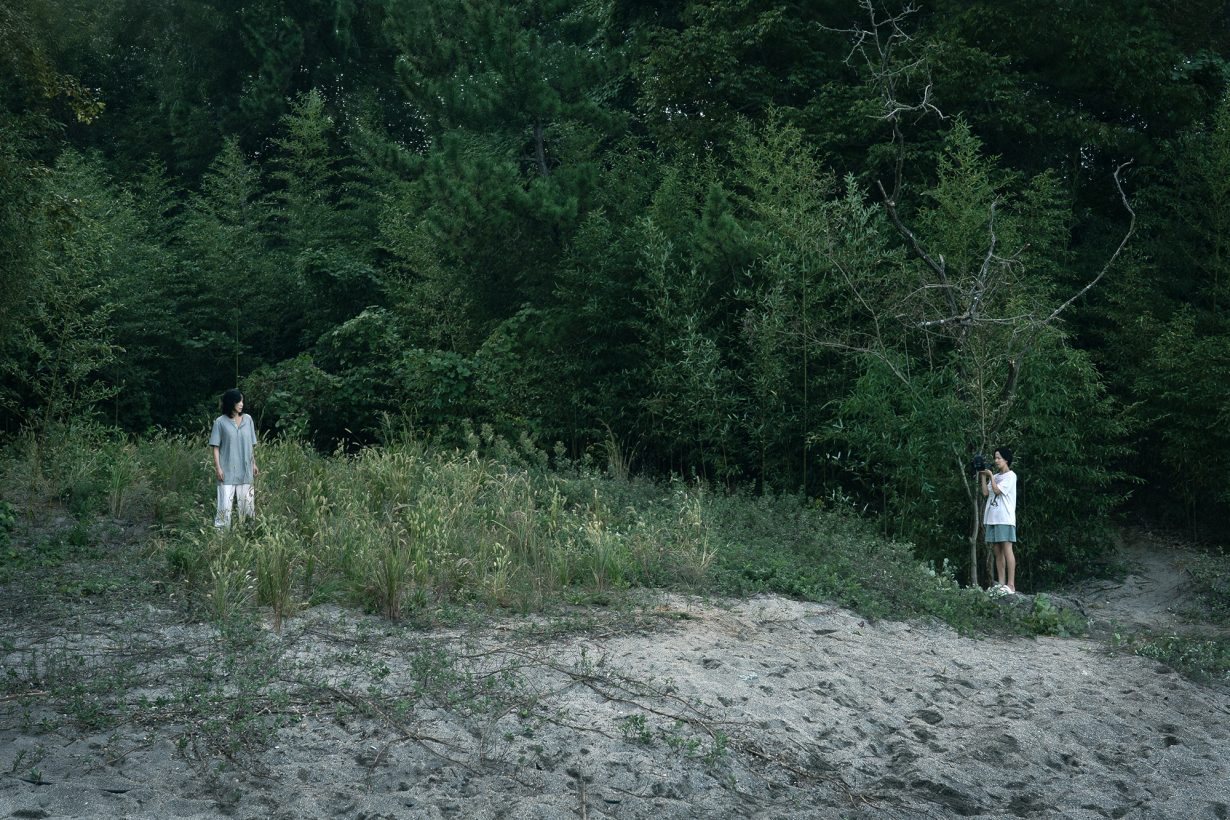
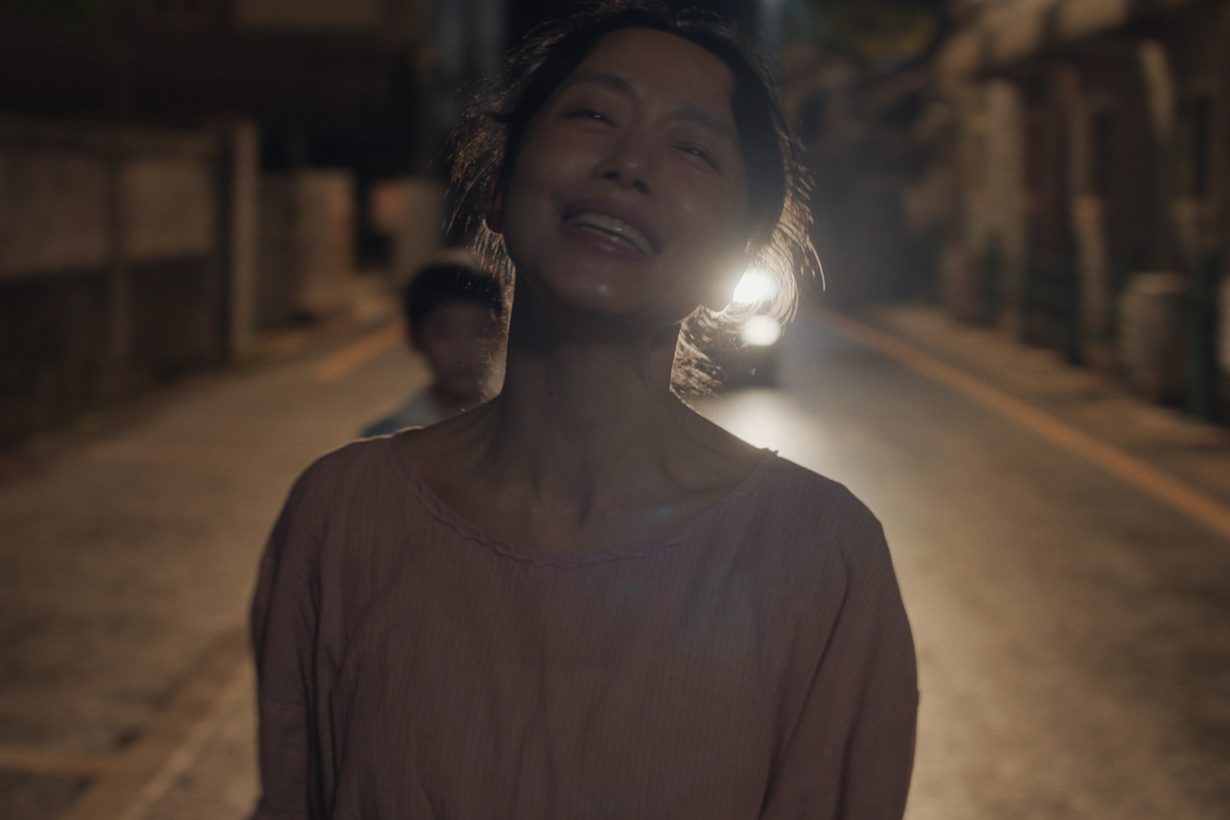
Lee Chang-dong’s Possible Love, his first film since 2018’s Burning, neatly combines sociopolitical commentary with a story of human desire: a married couple, Mi-ok and Ho-seok (played by Jeon Do-yeon and Sul Kyung-gu) are filmed by a wealthy documentarian in the aftermath of a strike at a local factory. Those who still work at the factory are known as ‘the living’ and those who have been laid off ‘the dead’. There are plenty of longing glances in Lee’s film, but Possible Love is strongest as an examination of how identities crumble when we lose community and economic purpose. When we meet Ho-seok, he is embittered, irritable and has an alcohol problem. As the film goes on, we discover that his inner rage comes not just from losing his job but from a violent incident with strike-busters. His fellow strikers abandoned him, leading him to renounce notions of resistance and unity as bullshit. As well as being a story about the ethics of documentary, Possible Love is a film about the limits of solidarity. It’s also the best film to have played in Venice this year.
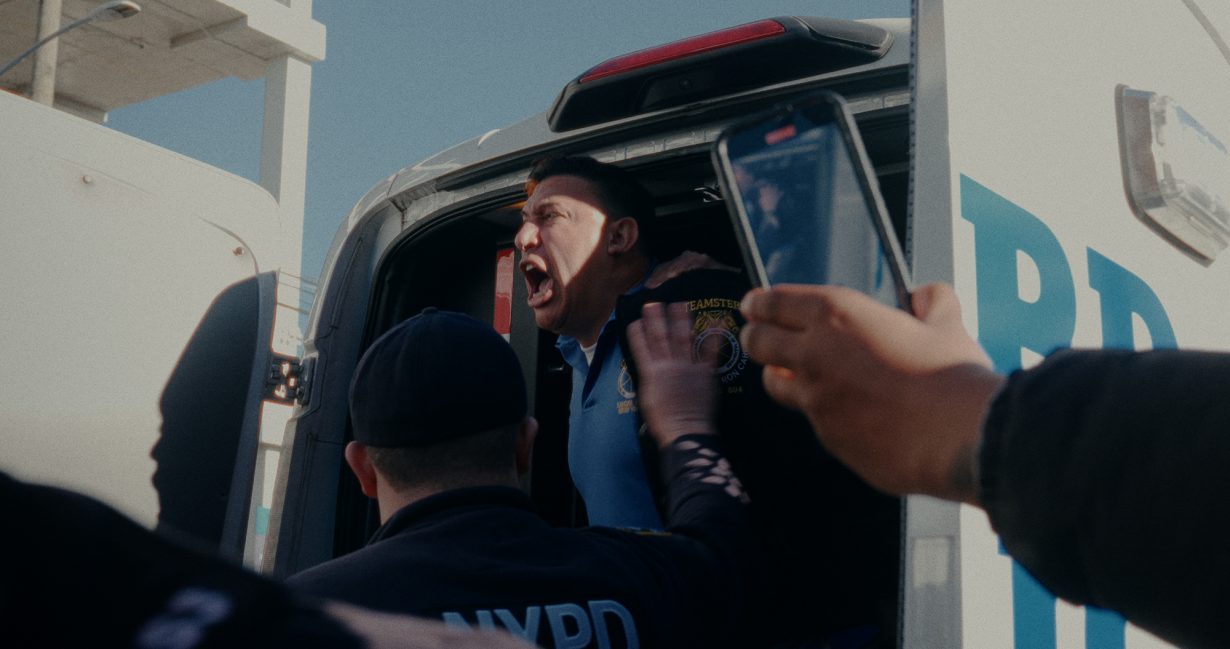
Solidarity is also a key theme in Union Town, Barbara Kopple’s documentary about delivery drivers in New York City fighting for better working conditions and pay. Again, the film, which played outside of the main competition, is most interesting as a study of shared political struggle: we watch that struggle become strained when some workers don’t want to accept the deal the Teamsters union bosses have negotiated. Solidarity is a virtue but not an inevitable one.
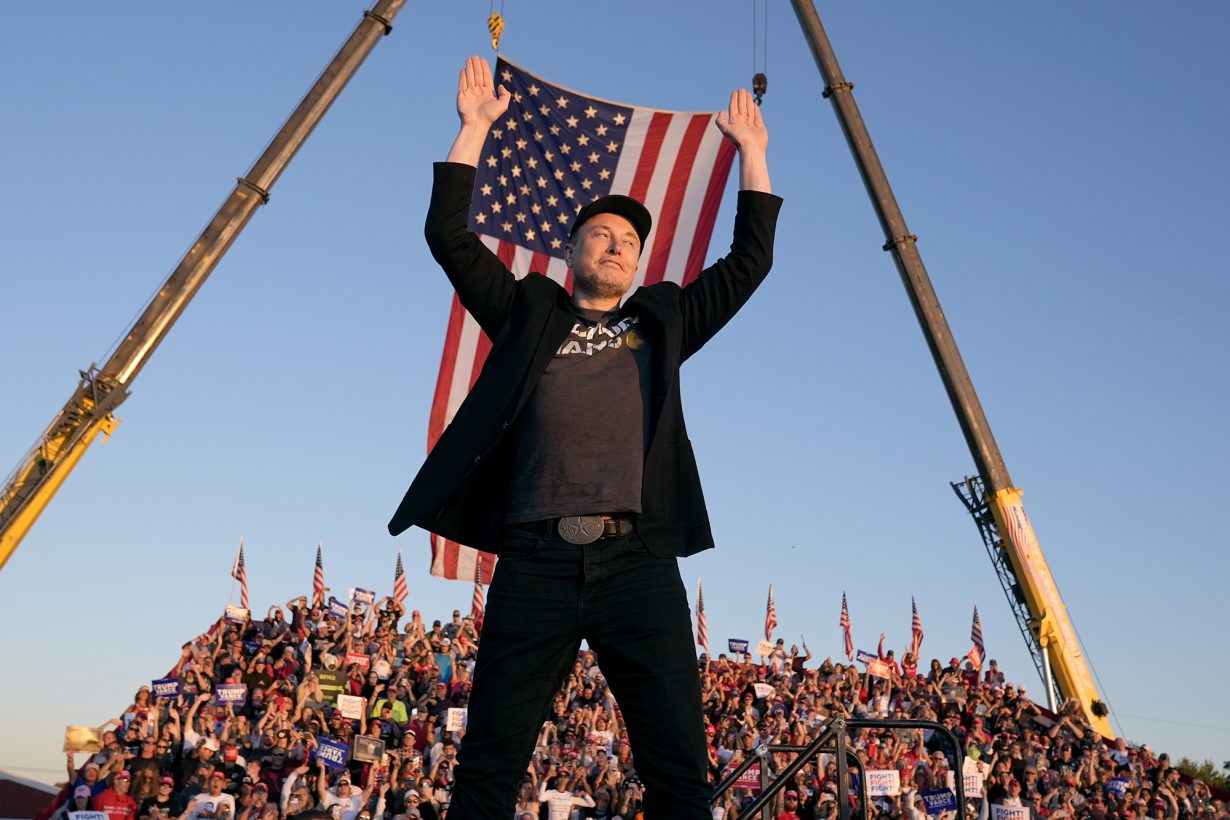
In fact, it was a strong festival for documentaries this year. Alex Gibney’s four-hour Musk made headlines, not least due to Elon Musk’s inevitably petulant response, but it was NAZA, Yuval Abraham and Rachel Szor’s documentary about Israeli intelligence officers, that was the most momentous of the festival. In the film, Israeli military and intelligence sources anonymously divulge secrets about the IDF’s orchestrated slaughter of Palestinian civilians in Gaza. ‘Naza’ refers to the thousands of Palestinian civilians killed in Israeli airstrikes and dismissed as ‘collateral damage’. A late addition to the main competition, the film received a 25-minute standing ovation, the longest in Venice’s history (insofar as such things matter), and won Special Jury Prize. It is an example of examining guilt in the present tense, akin to Claude Lanzmann’s Shoah (1985), a passage of which briefly features in NAZA. (Jonathan Glazer, director of The Zone of Interest, served as executive producer.)
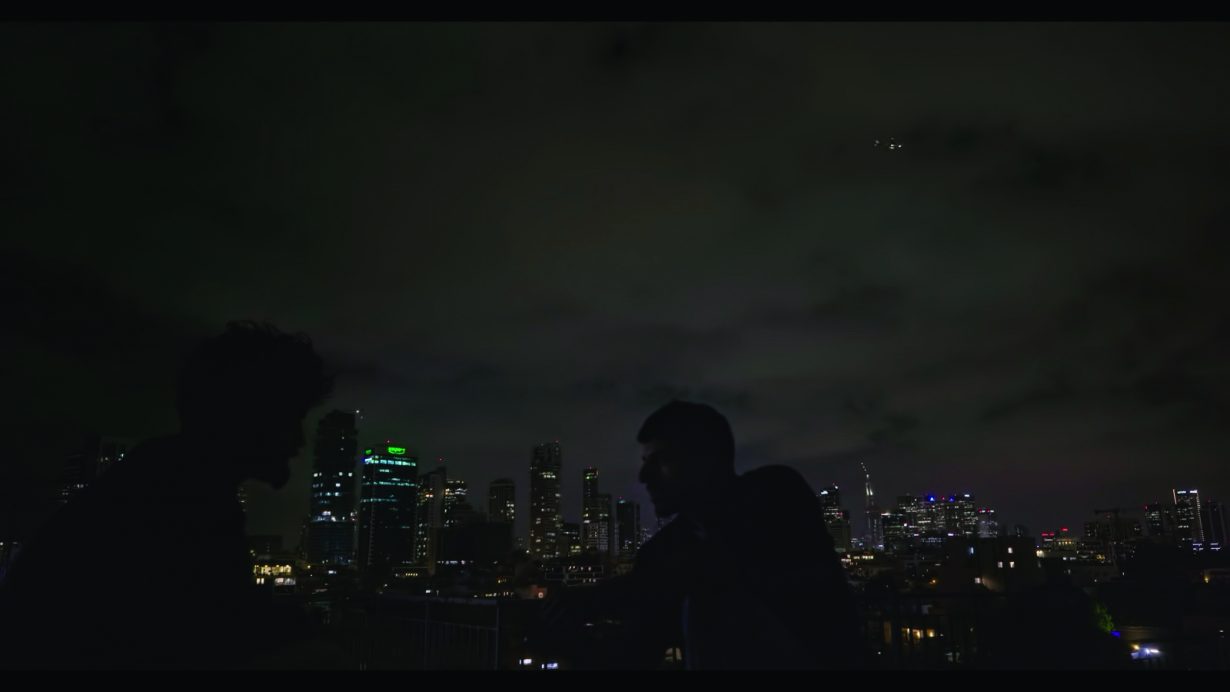
Indeed, and perhaps inevitably, geopolitics loomed over the festival as a whole. The second part of Julia Lektov’s My Undesirable Friends – an epic documentary about independent Russian journalists – also premiered at this year’s festival. At the end of the first film, Putin’s invasion was just commencing, and Lektov filmed her journalists scrambling to leave the newsroom and the country. In Part 2 – Exile, we follow the journalists as they try to report freely outside of Russia during the first weeks and months of the war. DAU, Ilya Khrzhanovsky’s three-hour film about the Soviet scientist Lev Landau, meanwhile, was a controversial inclusion in the main competition. Prior to the festival, the Ukrainian ministry of foreign affairs criticised the film’s inclusion for the fact that its star Teodor Currentzis continues to live and work in Russia and has failed to denounce Putin’s invasion of Ukraine. (Khrzhanovsky, who won the Silver Lion for Best Director, renounced his Russian citizenship following the invasion.) Playing out of competition, Alexandre Smia’s Jupiter sees a fictional Russian president, Chernov (a Putin stand-in), threaten a nuclear strike to further his war in Ukraine. The film dissects the tensions within NATO and offers an uncomfortable look at the minute-by-minute decision-making of nuclear policy, not unlike Kathryn Bigelow’s stomach-churning A House of Dynamite, which premiered at Venice last year.

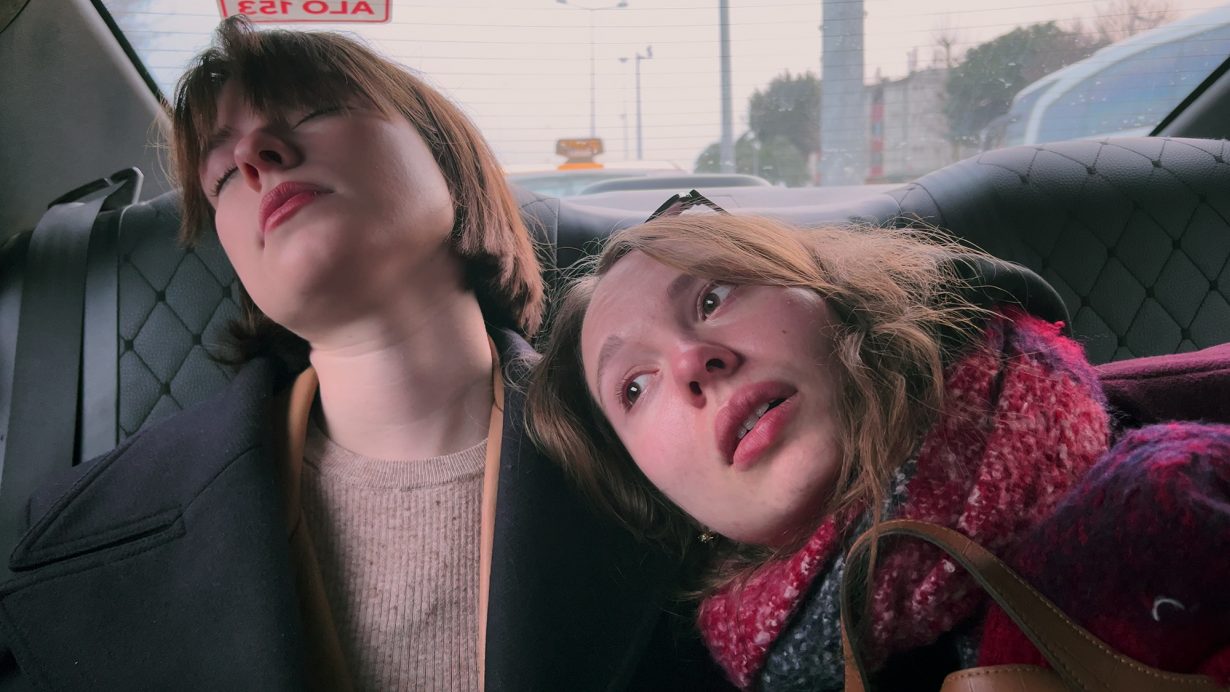
Even the festival’s comedic offerings pinned themselves to geopolitical history. Martin McDonagh’s Wild Horse Nine – predictably – follows two antagonistic men, Chris and Lee (John Malkovich and Sam Rockwell), as CIA agents on Easter Island (or Rapa Nui, to use the Indigenous term, which the Americans do not). The setting is 1973 in the lead-up to the US-backed Chilean coup that would remove President Allende and bring in the Pinochet dictatorship. Wild Horse Nine’s risqué humour – debating the correlation between a country’s gayness and the quality of its cheese production – masks a story about American imperialism and the people who are on the ground carrying out history’s small, consequential violences. In order for America to destabilise a democracy, the film suggests, they need apathetic operatives on the ground, those who can mix shooting with sightseeing.

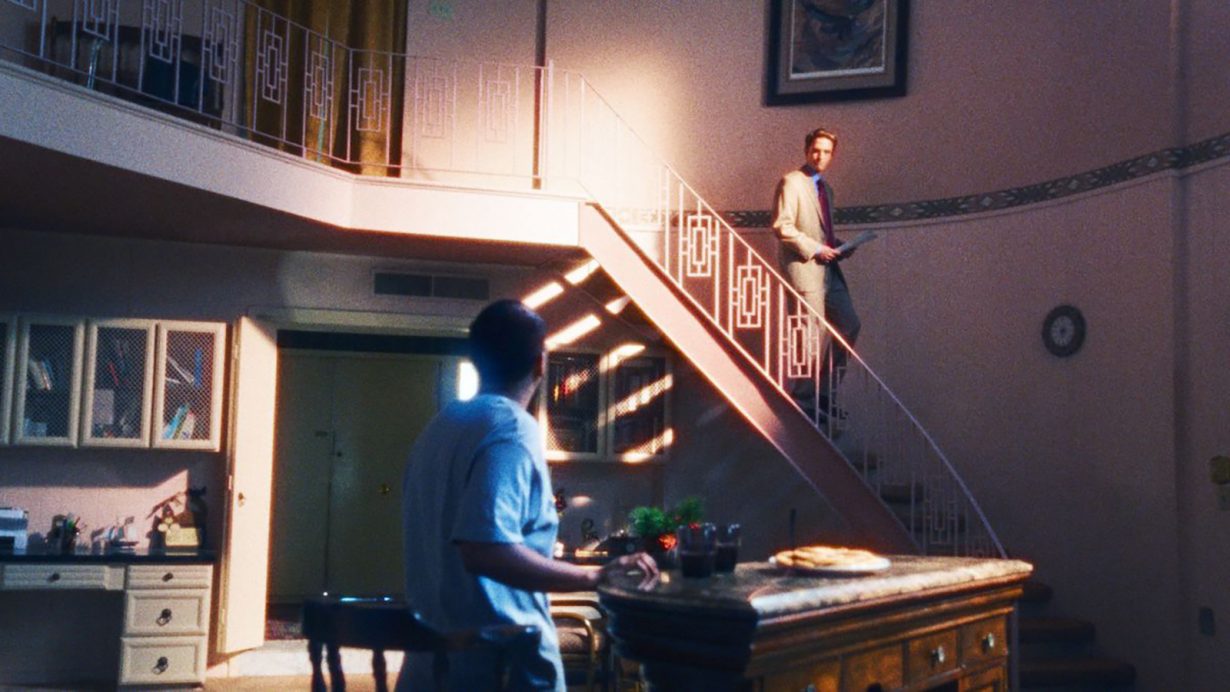
One film generated a lot of buzz online before the festival started. Primetime is a wild ride, and Robert Pattinson is scarily seductive as the sleazy television presenter Chris Hansen, but the film, for all its compelling editing and noughties visual aesthetic, fails to interrogate the effect that Hansen’s To Catch a Predator had on the media landscape or the ethics of making entertainment out of exposing child abusers. It’s an entertaining but shallow picture, not quite satire, not quite exposé; a chance for Pattinson to show off his talents but not enough to deliver any meaningful payoff.
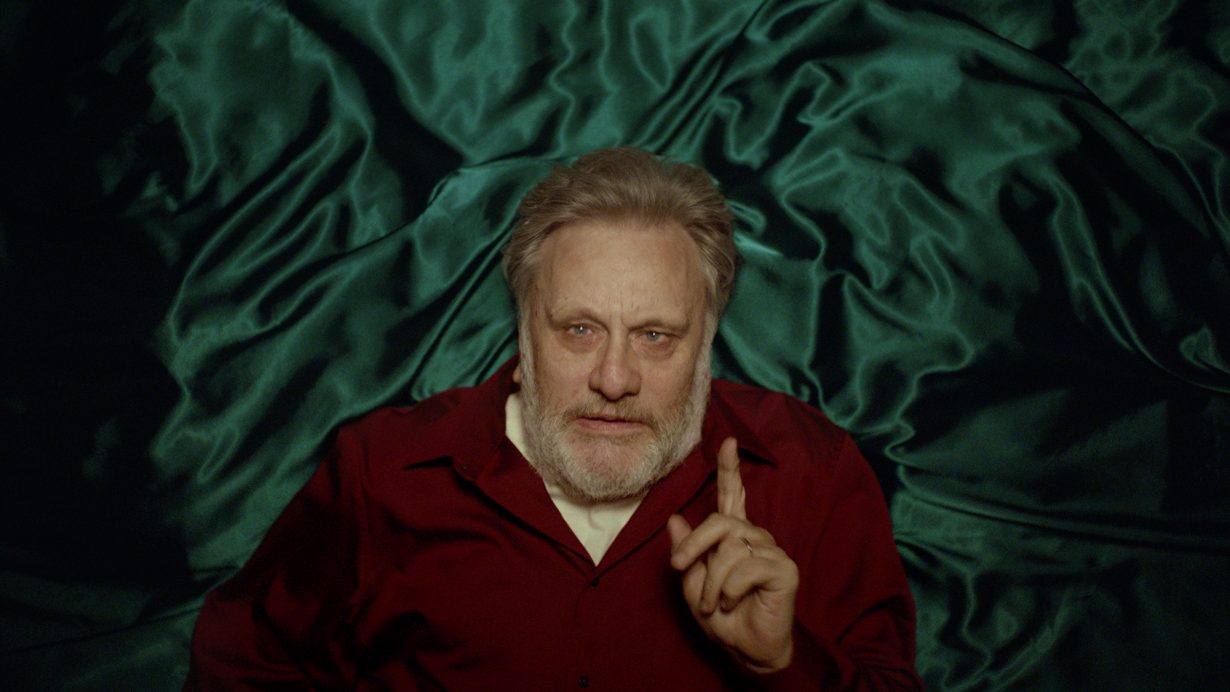
In Sophie Fiennes’s new documentary, The Pervert’s Guide to Utopia, the seemingly indefatigable Slavoj Žižek argues that aliens wishing to understand humanity should watch our movies (alongside, of course, his usual dose of Freud, Hegel and Lacan). By that logic, if aliens were to look at the films playing at this year’s Venice Festival, they would infer a world in peril. (Or, if we’re being realistic about the production schedules of filmmaking, the world as it was a few years ago.) Many of the films at this year’s festival examine disaster, but Fiennes’s takes a positive view of calamity. The only way to fight back, Žižek tells us, is “with a strong dose of pessimism”. And if there’s one thing to take away from this year’s Venice Film Festival – perhaps, in aggregate, the only thing – it’s that there’s a lot to be pessimistic about.
Read next ‘Teenage Sex and Death at Camp Miasma’; or, The Pervert’s Guide to Cinema